Room ideas / Bedroom
Blue bedroom ideas that suit the furniture you already have
Blue runs from icy pale to navy to soft teal, and each one behaves differently next to your wood and bedding. Pin down which blue you mean, and check it in your own room's light, before you paint or buy.
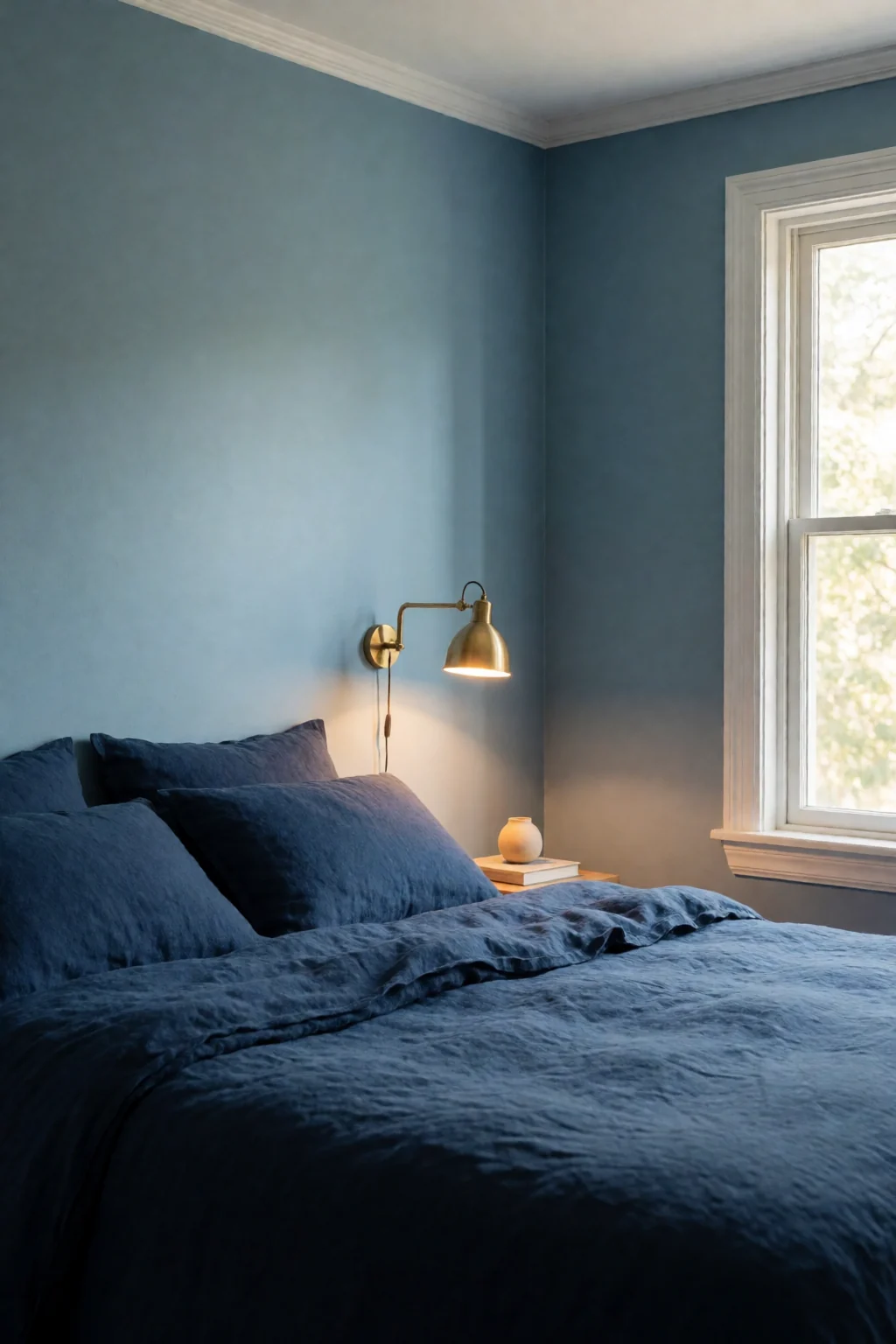
Three things that keep blue from feeling cold
- Bring in at least one warm neutral, such as cream linen, jute, undyed wool or warm wood. North-facing rooms need it most.
- Keep the deepest blue to one area: the wall behind the bed, the curtains or the duvet. Spread across everything, it overwhelms a modest bedroom.
- Test paint or fabric in the room at the time of day you use it. Blue shifts a lot between morning daylight, afternoon sun and lamp light at night.
Choosing the right blue
The undertone of a blue sets the mood of the whole room. Blues with grey in them look calm and a little moody, especially in rooms without strong sun. Blues leaning green, like soft teal or a dusty sage-blue, feel warmer and look good with rattan, honey-coloured wood and terracotta.
Your furniture narrows the choice. Honey or golden oak sits best with mid blues and blue-greens. Dark espresso wood or white-painted furniture gives you more room, including navy and slate. Mid-brown woods like walnut or stained pine go with nearly any blue, which is why they turn up in so many blue bedroom photos.
You do not have to paint at all. With white or pale grey walls, a blue duvet, curtains and a rug in a few shades of blue will make the room read as blue, and textiles are the easiest place to adjust how warm or cool it feels.
Five blue bedrooms to borrow
- Navy wall, cream everywhere else
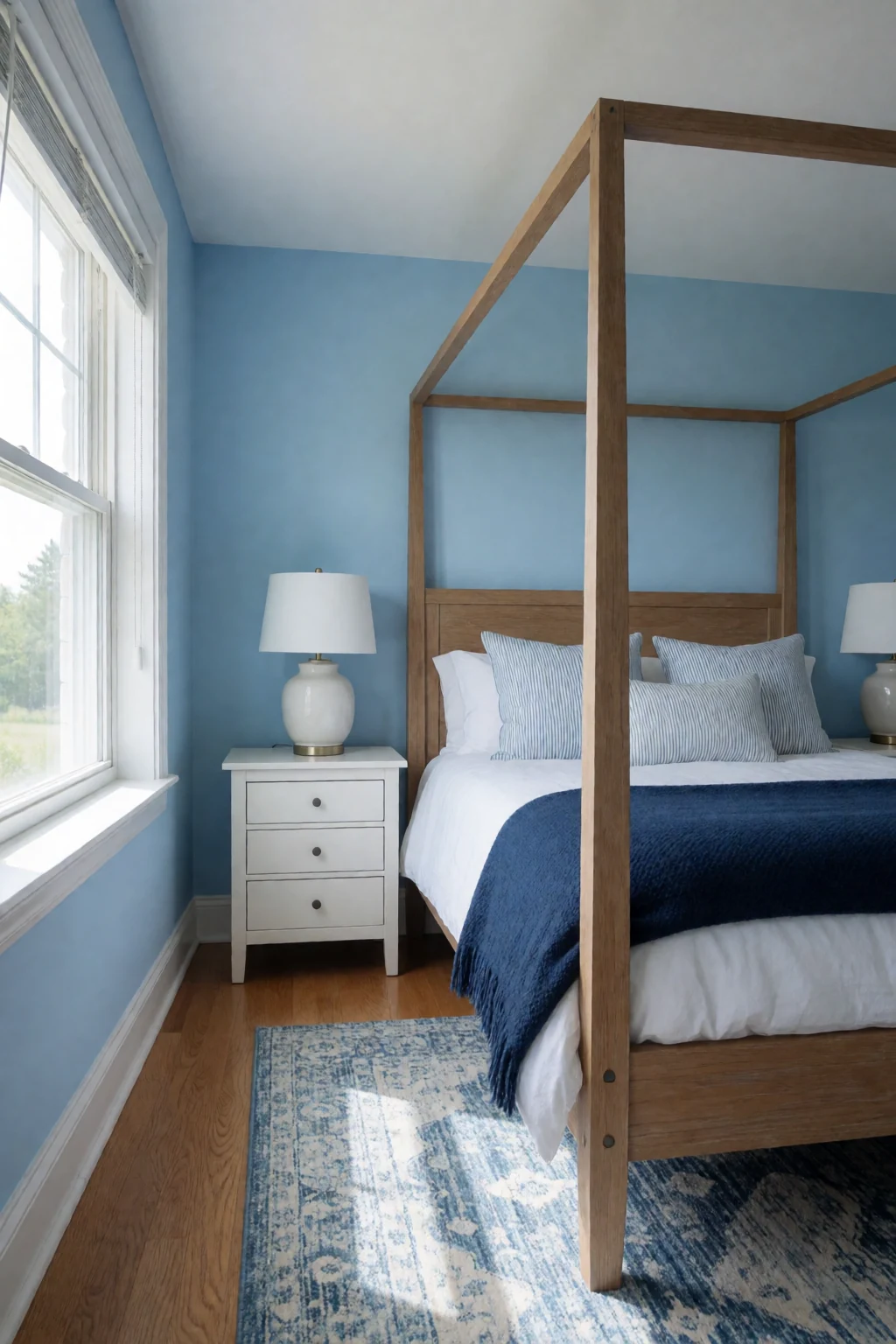
- Paint only the wall behind the bed navy or slate, and the other three a warm off-white. Add navy and cream bedding, a jute or wool rug and mid-toned wood bedside tables. You change one wall and keep all your furniture.
- Dusty blue and terracotta
- A greyed, dusty blue on all four walls, with terracotta or rust in the cushions, a throw or a ceramic lamp base. The warm orange tones cancel out the coolness of the blue. Wooden floors or a wool rug pull the two together.
- Teal and natural textures
- Teal and blue-green walls with a rattan headboard, woven baskets and oat or undyed linen bedding. This one suits light wood, whitewashed or rattan furniture.
- Pale blue ceiling
- Leave the walls white or warm white and paint only the ceiling a soft sky blue. You get colour in the room without making a small bedroom feel enclosed.
- Blue in fabric only
- A mid-blue duvet or quilt, blue and white patterned curtains, and a rug with blue alongside rust, sand or ochre. No paint, fully reversible, and much cheaper than repainting.
Light, trim and metal
- Which way the room faces
- North-facing rooms get cool, even light all day, and a pure cool blue can feel chilly there. Pick a blue with grey, green or a hint of purple in it, and lean on warm textiles and lamps in the evening.
- Trim and ceiling
- White trim against blue walls looks crisp and graphic. For a softer room, paint the trim the same off-white as the ceiling so the wall is the only contrast. Painting trim to match a very dark blue wall can make the room feel smaller.
- Brass over chrome
- Brushed brass or warm gold handles, lamp bases and frames warm up a blue room more than chrome or silver, especially with mid to deep blues. They also pick up any golden tone in your wood.
- Mixing patterns
- Blue holds patterns together well. A striped throw and a botanical cushion can share a bed if they use the same blue. Make one pattern large and one small, and keep their backgrounds the same, usually white, cream or that blue.
Testing before you commit
If you are painting, choose the blue first, then bring your current bedding, curtains and rug into the room and hold them next to it. Many blues that look neutral on a small chip show a strong undertone across a full wall. Paint a large sample board and live with it for a few days before buying the tins.
Whether you paint or not, build the rest from the biggest textile down, usually the duvet or quilt. It covers so much of the room that every cushion, lamp and rug looks different once it is on the bed. Add the warm pieces, like a natural fibre rug or a rattan lamp, after the blues are in place.
Shop the pieces
16 bedroom pieces
Links open similar items, not the pictured ones.
-
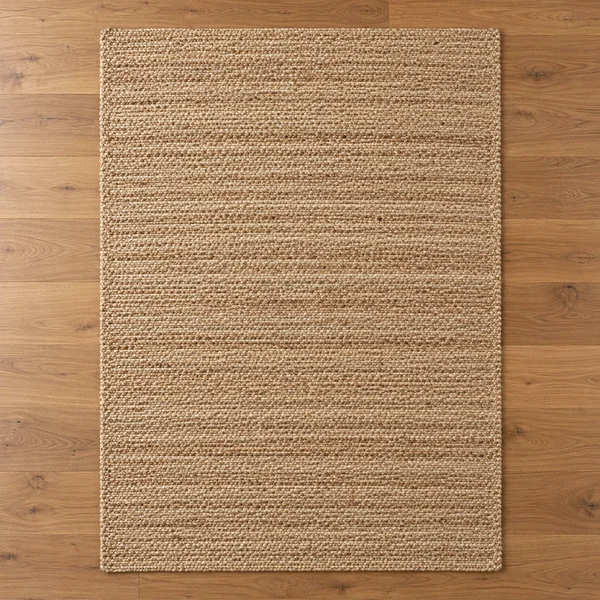
Natural woven bedroom rug
What to check
Jute is hard-wearing but coarse underfoot. Check the size against your bed so the rug extends past the sides.
-
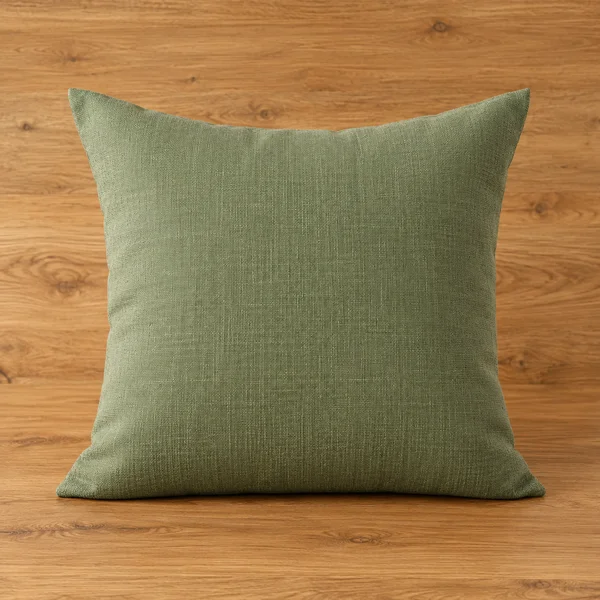
Sage green cushion cover
What to check
Check the cover size against your inserts. A slightly larger insert makes a fuller cushion.
-
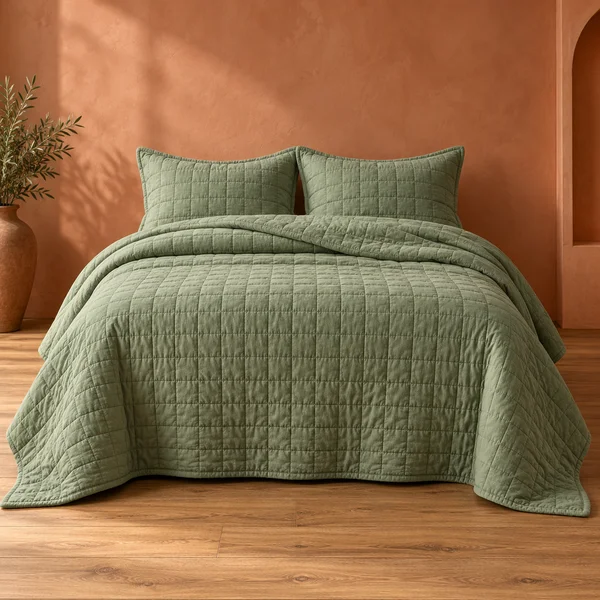
Sage green quilt bedding
What to check
Check whether the set includes pillowcases or shams, and the care label, before you buy.
-
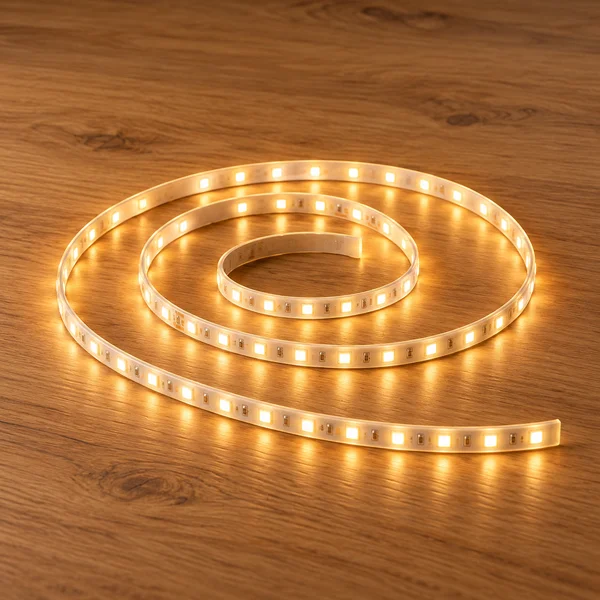
Warm white LED strip light
What to check
Measure the length you want to light and check the warm white colour temperature suits the room.
-
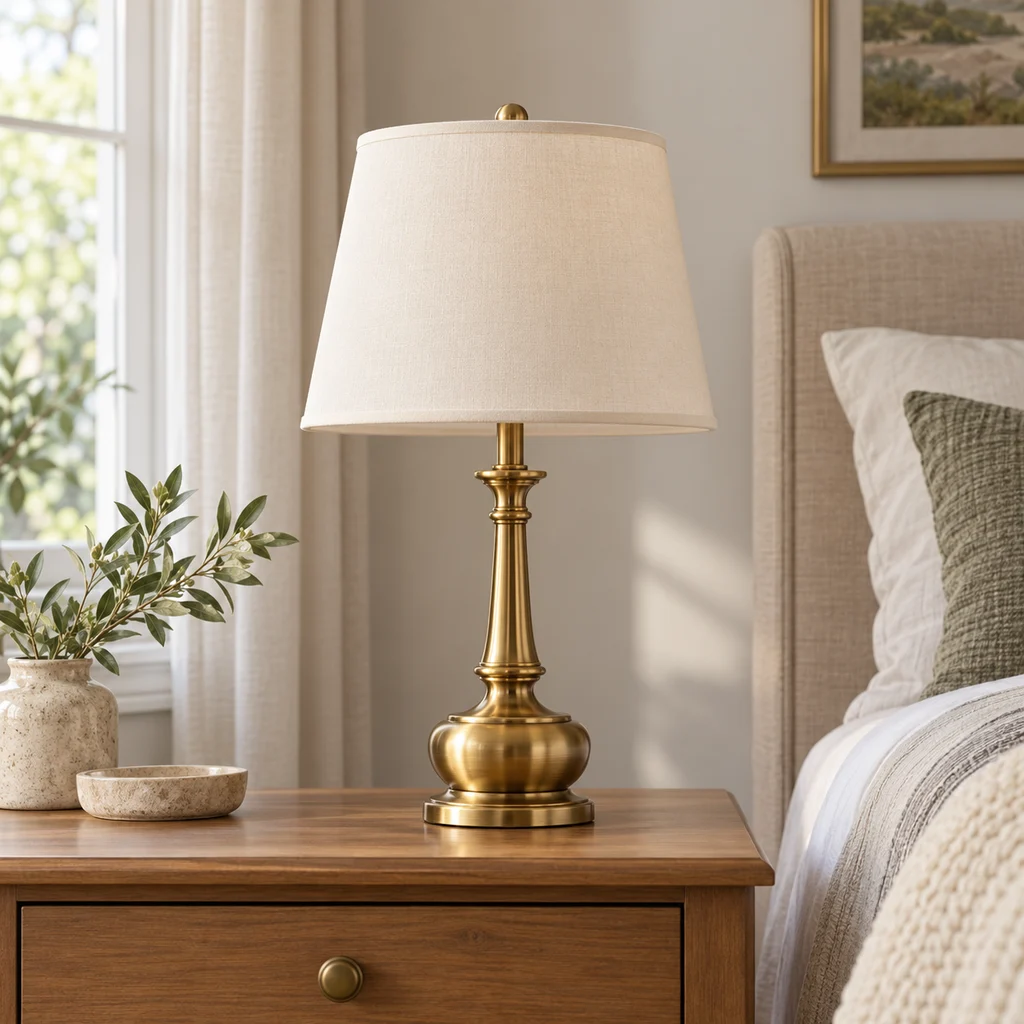
Bedside lamp
What to check
Measure from the nightstand top to your shoulder when sitting up in bed. A lamp whose shade ends near that height lights a book without glare.
-
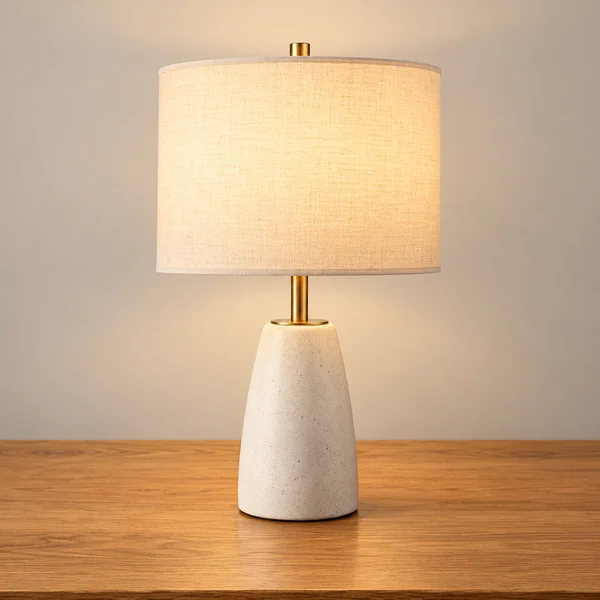
Bedside reading lamp
What to check
Check the lamp's height and dimming range. A touch base is easy to find in the dark.
-
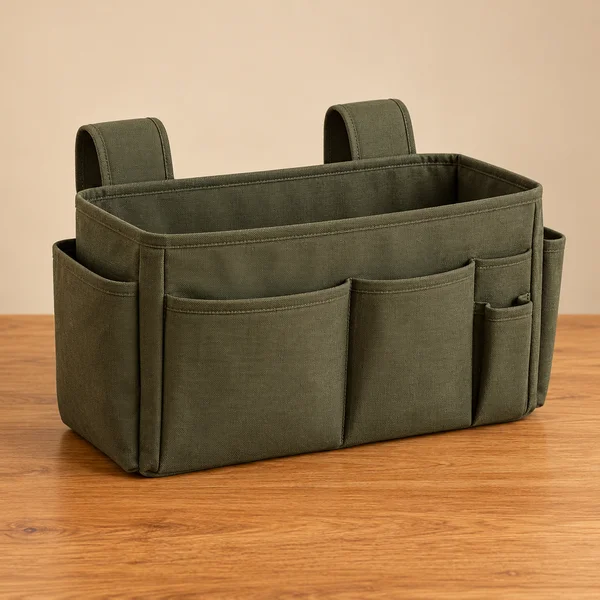
Bedside storage basket
What to check
Measure the gap between the mattress and the wall or frame. A bedside caddy needs a firm mattress edge to tuck under.
-
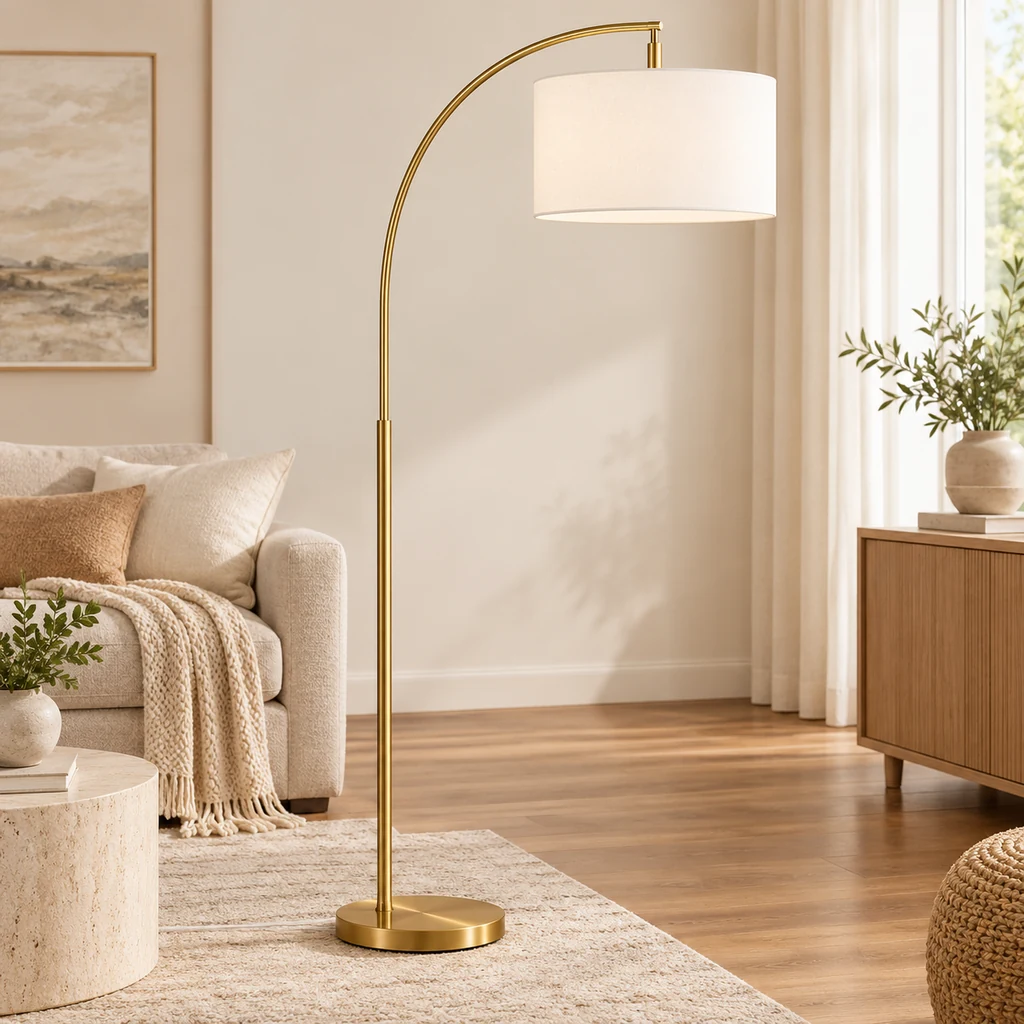
Floor lamp
What to check
Measure the arc reach and the floor space for the base. Arc lamps need weight at the base to stay steady.
Show all 16 pieces
-
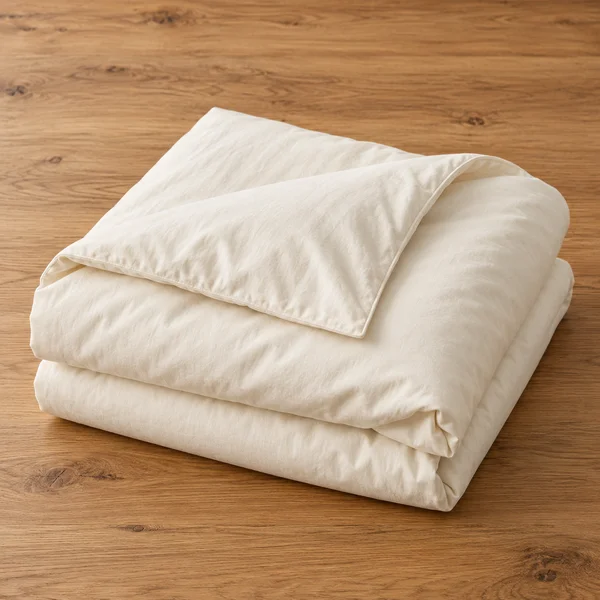
Ivory cotton duvet cover
What to check
Ivory shows marks sooner than darker colours. Check the fabric and care label before you buy.
-
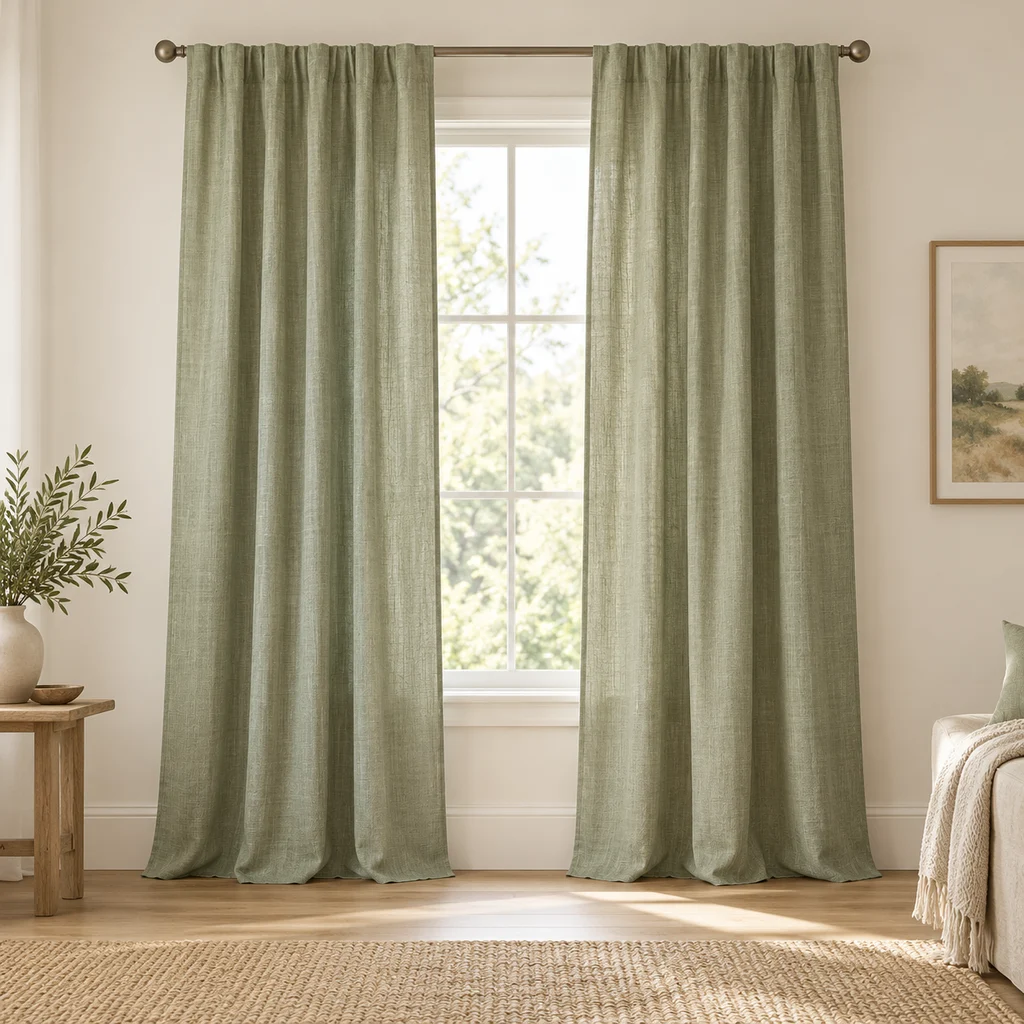
Linen curtains
What to check
Measure the window width and the drop from the rail to the floor. Curtains look fuller when the pair together is about twice the window width.
-
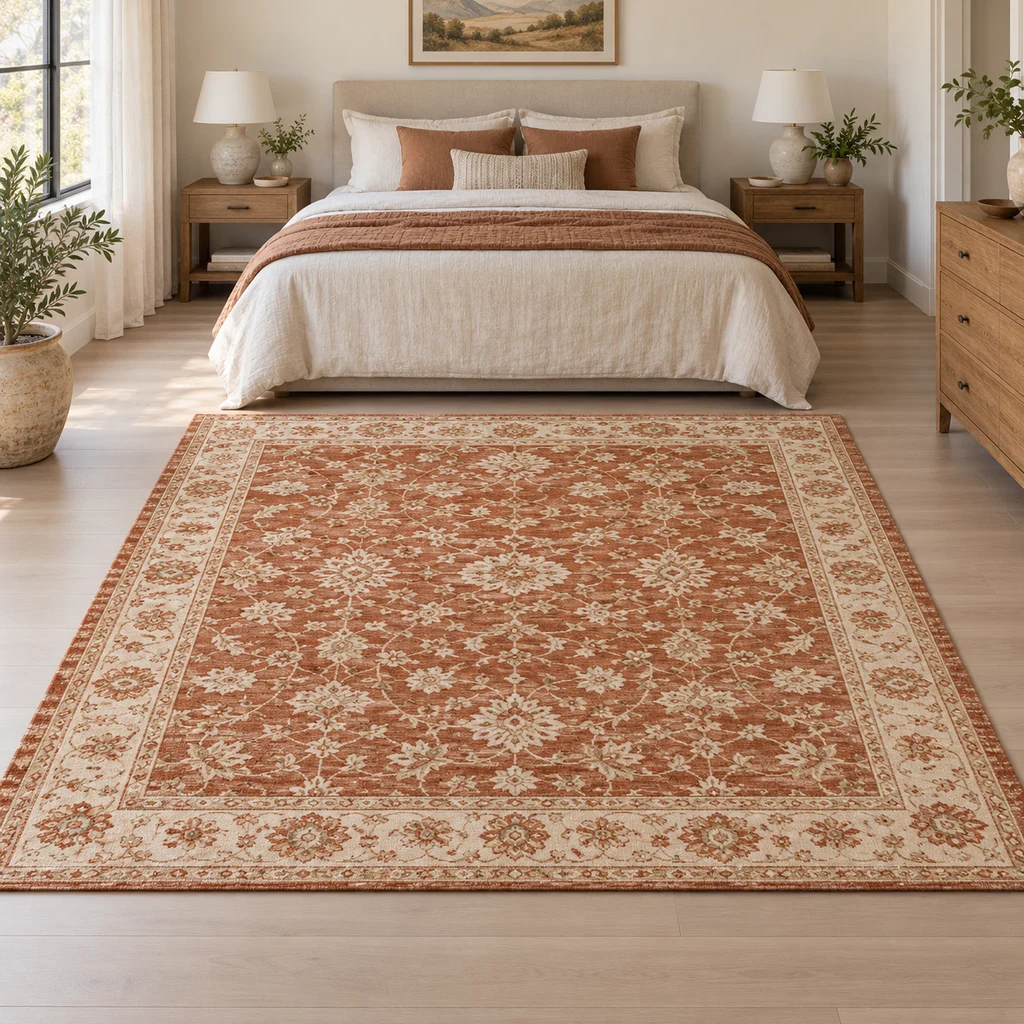
Patterned rug
What to check
Washable rugs are thinner than tufted ones. Add a non-slip pad if the rug sits where you walk in socks.
-
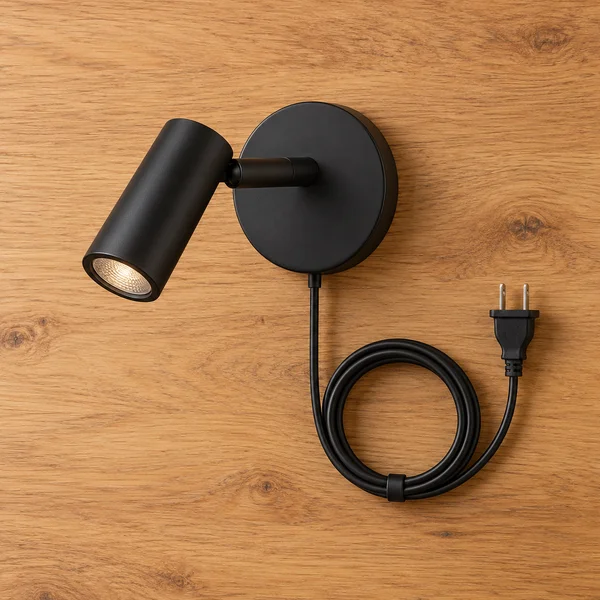
Plug in wall reading light
What to check
Mount the light high enough to clear your head when sitting up, and check the plug reaches an outlet.
-
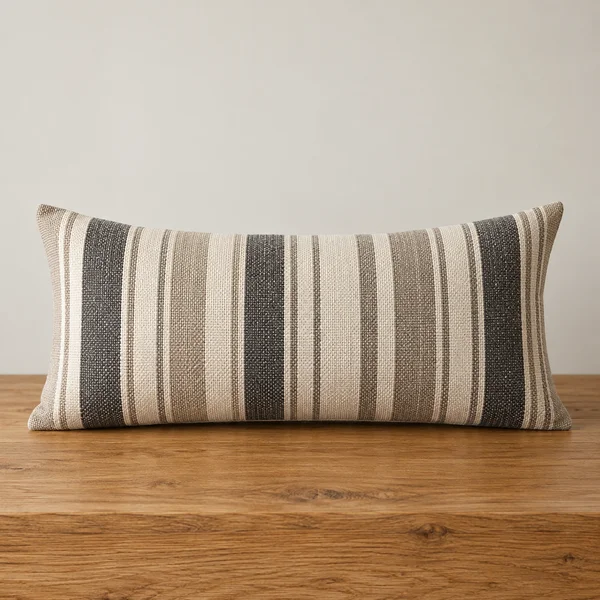
Striped lumbar pillow cover
What to check
A lumbar pillow sits low against the headboard or sofa back. Check the cover size against your insert.
-
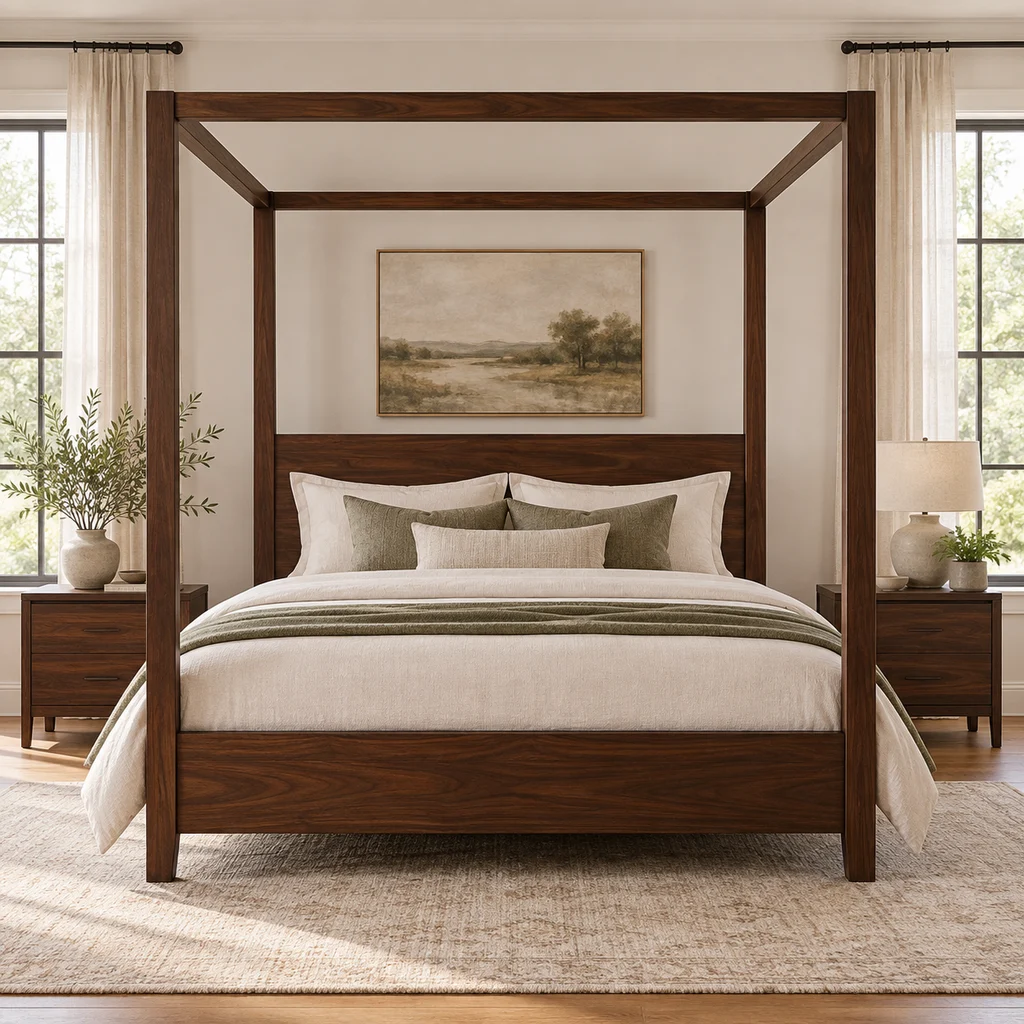
Canopy bed
What to check
Measure your ceiling height before buying a canopy frame. In a low or sloped room the posts can make the space feel smaller.
-
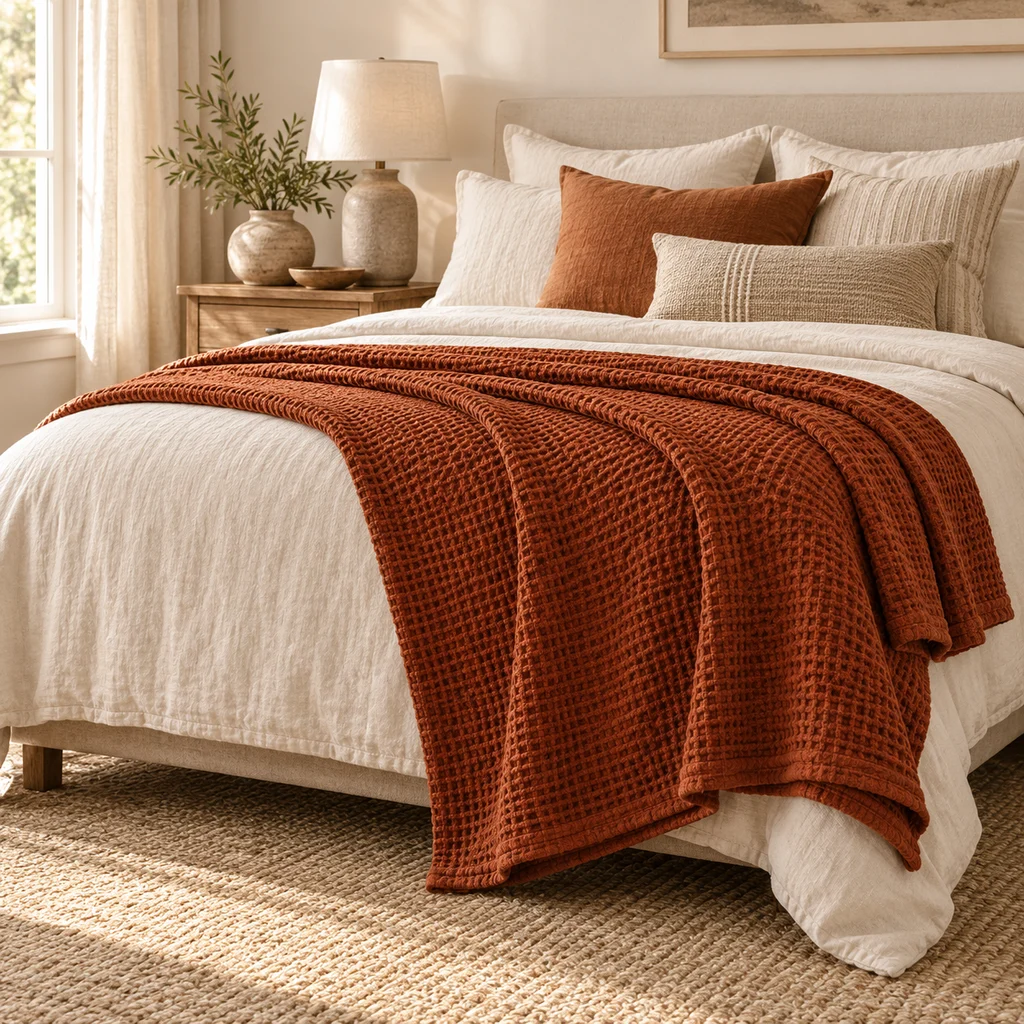
Cotton throw
What to check
Check the throw size against the bed or sofa it will sit on. A small throw reads as an accent; a larger one can cover your lap and feet.
-
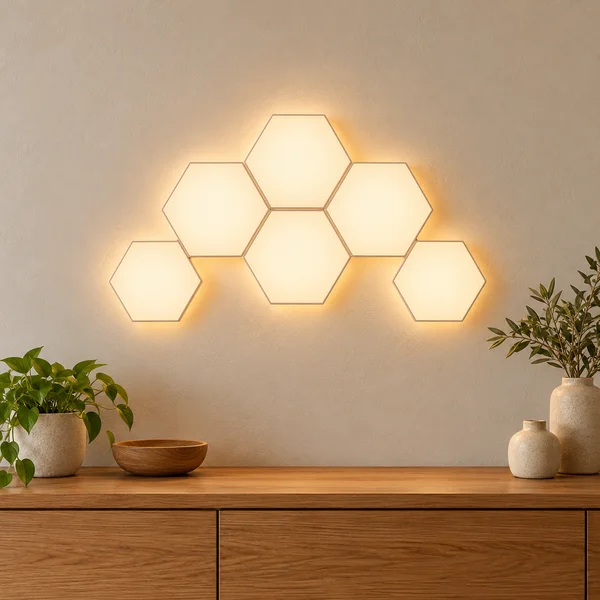
Hexagon wall lights
What to check
Light panels stick on with adhesive pads, which can pull paint off when removed. Plan the shape on paper first and check where the power cable will run.
The gallery
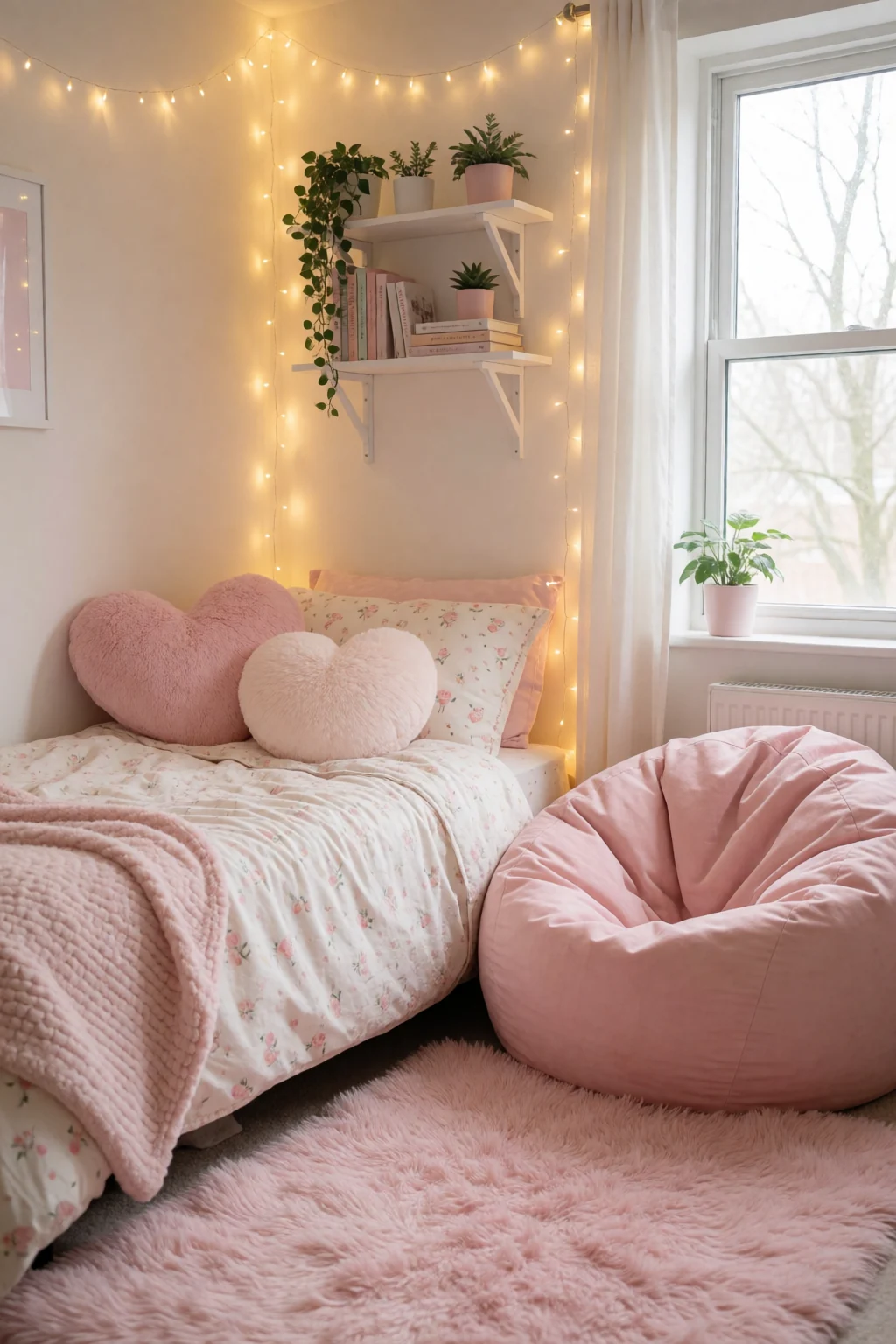
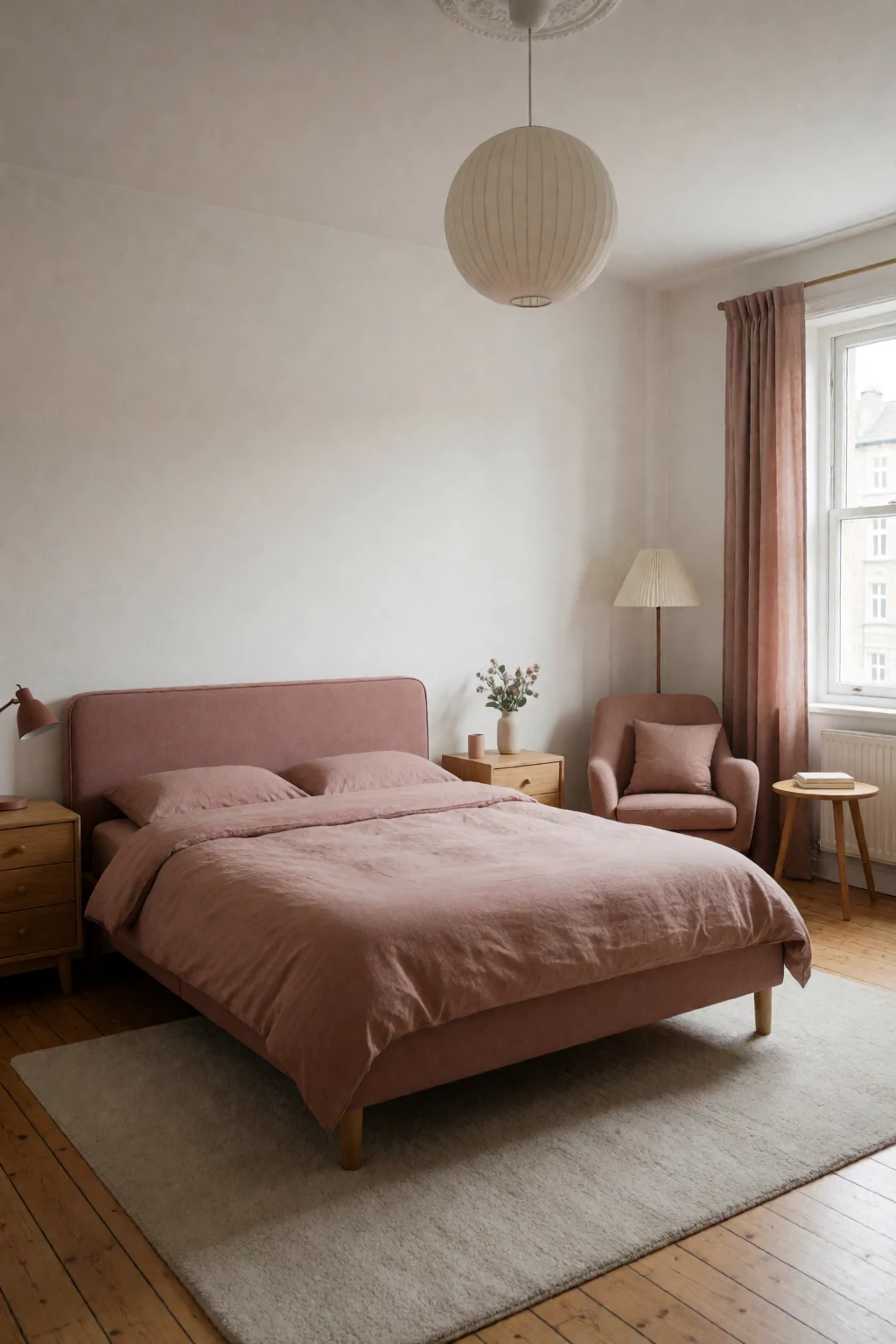
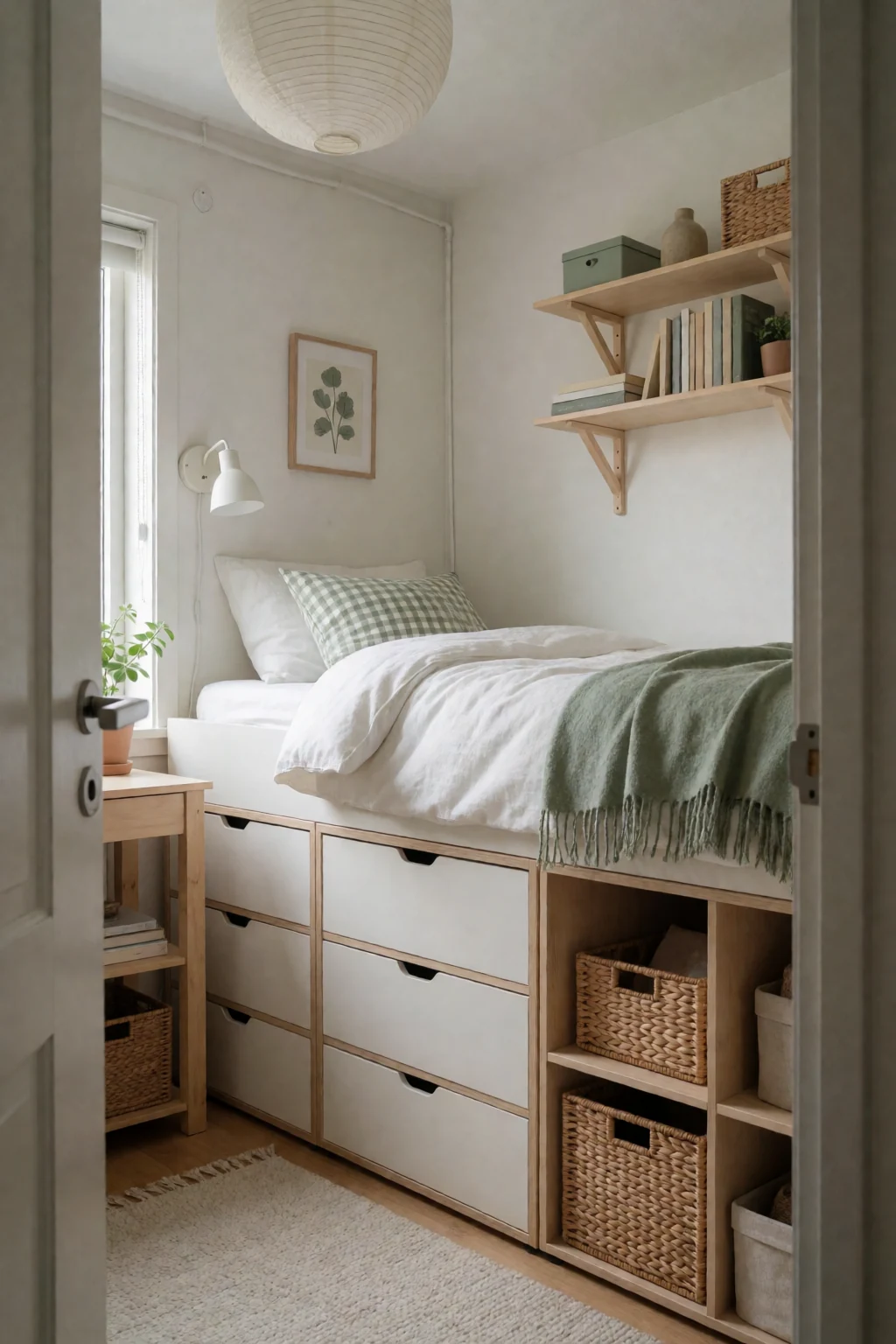
8 bedroom looks
Open a look to see its pieces.
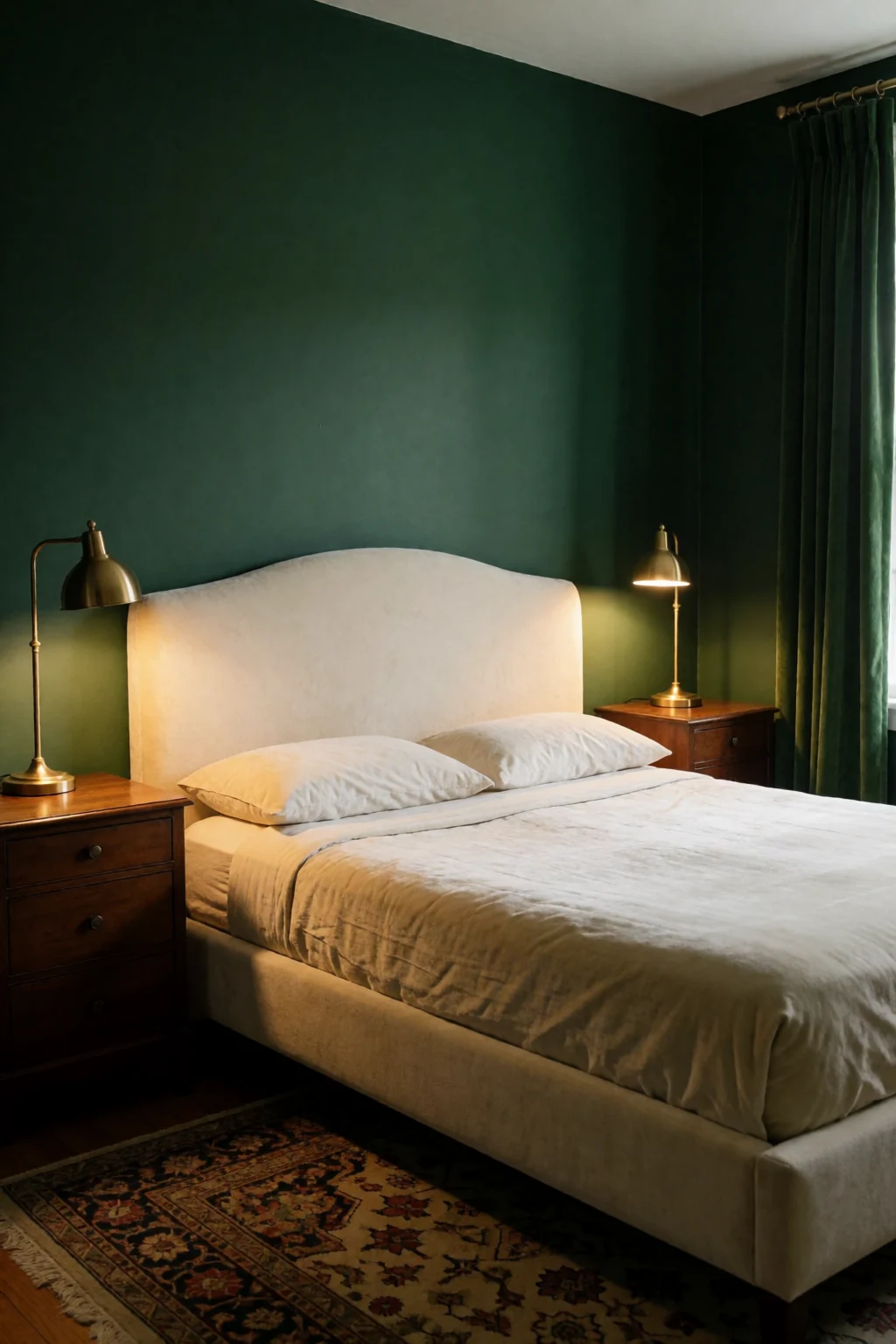
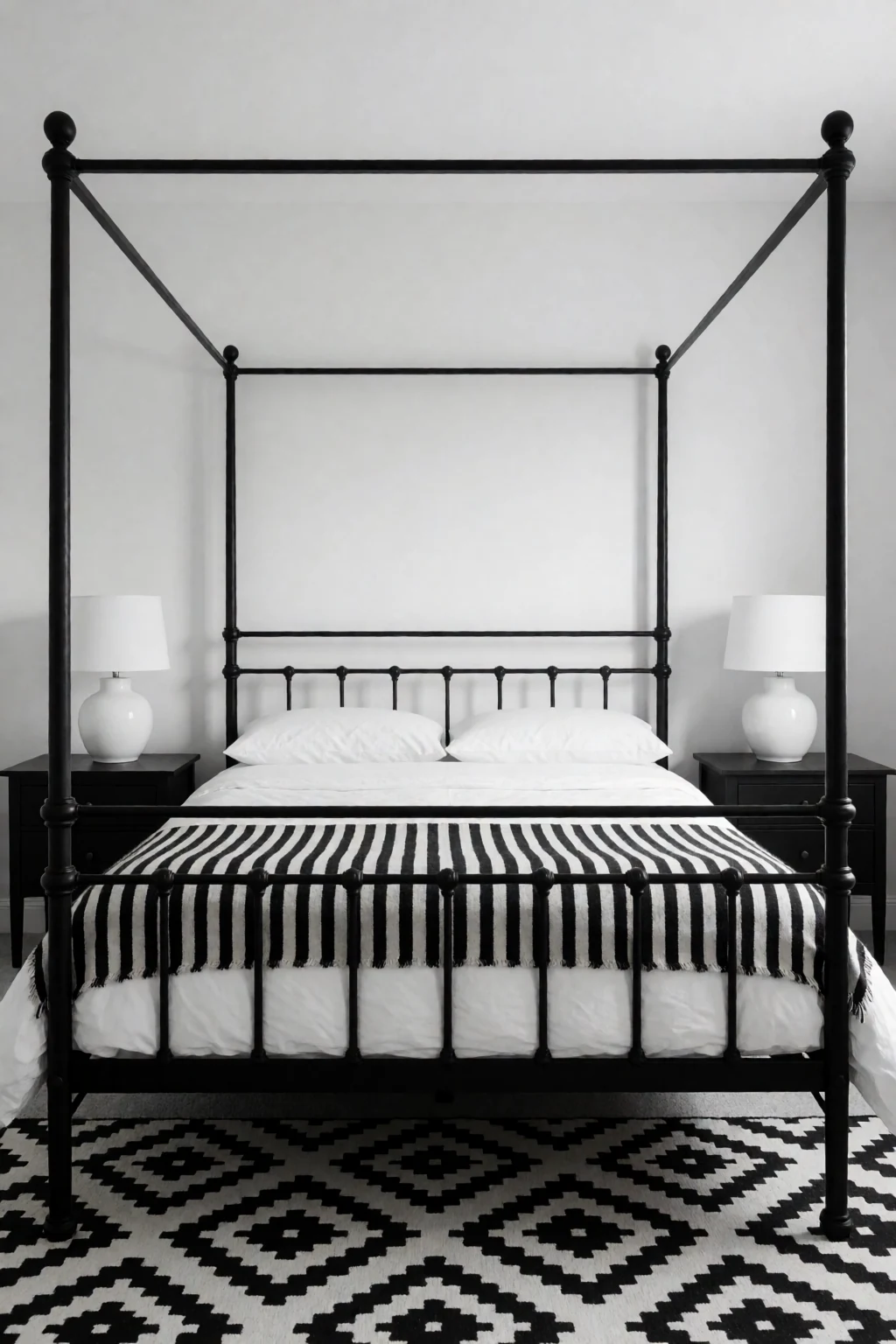
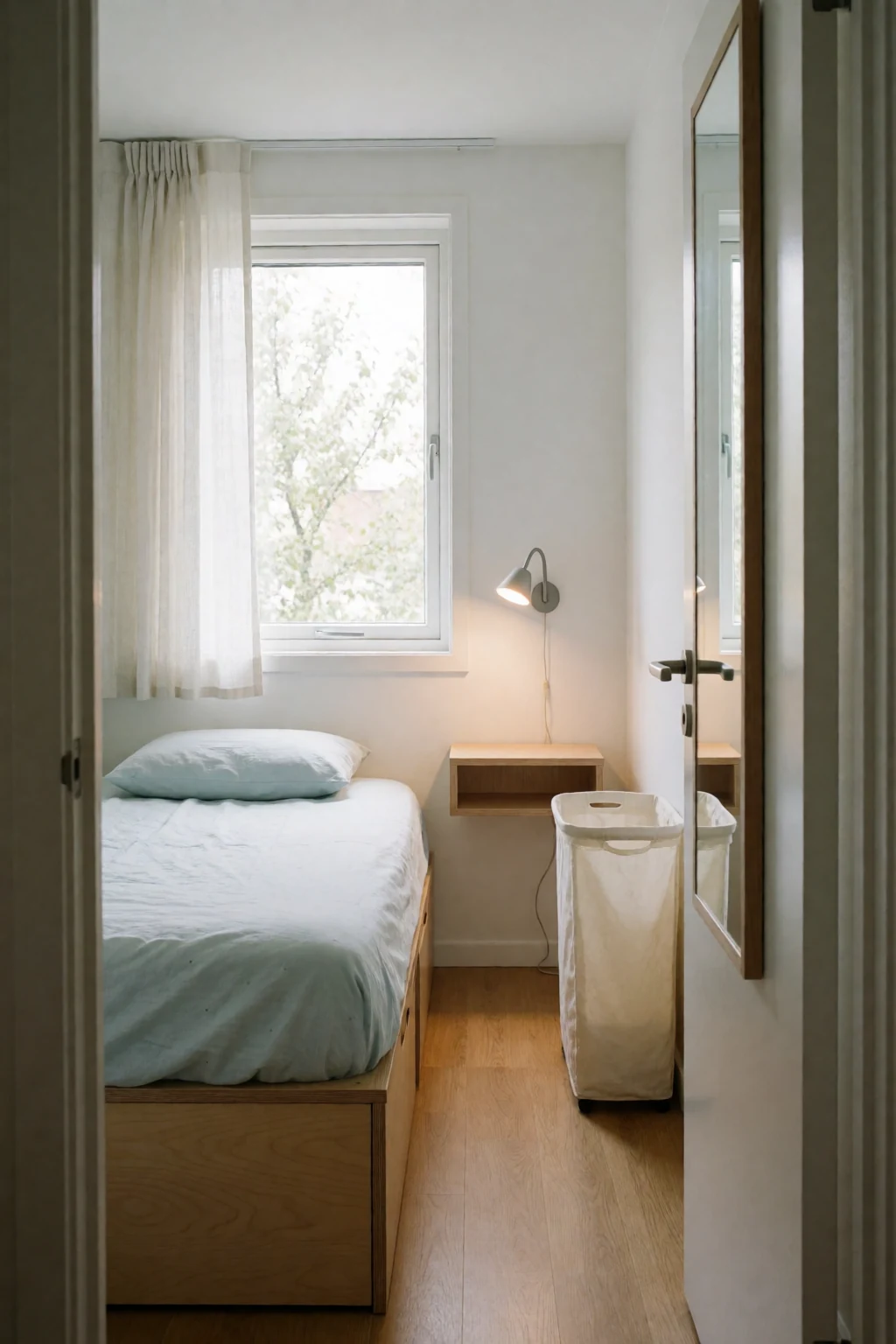
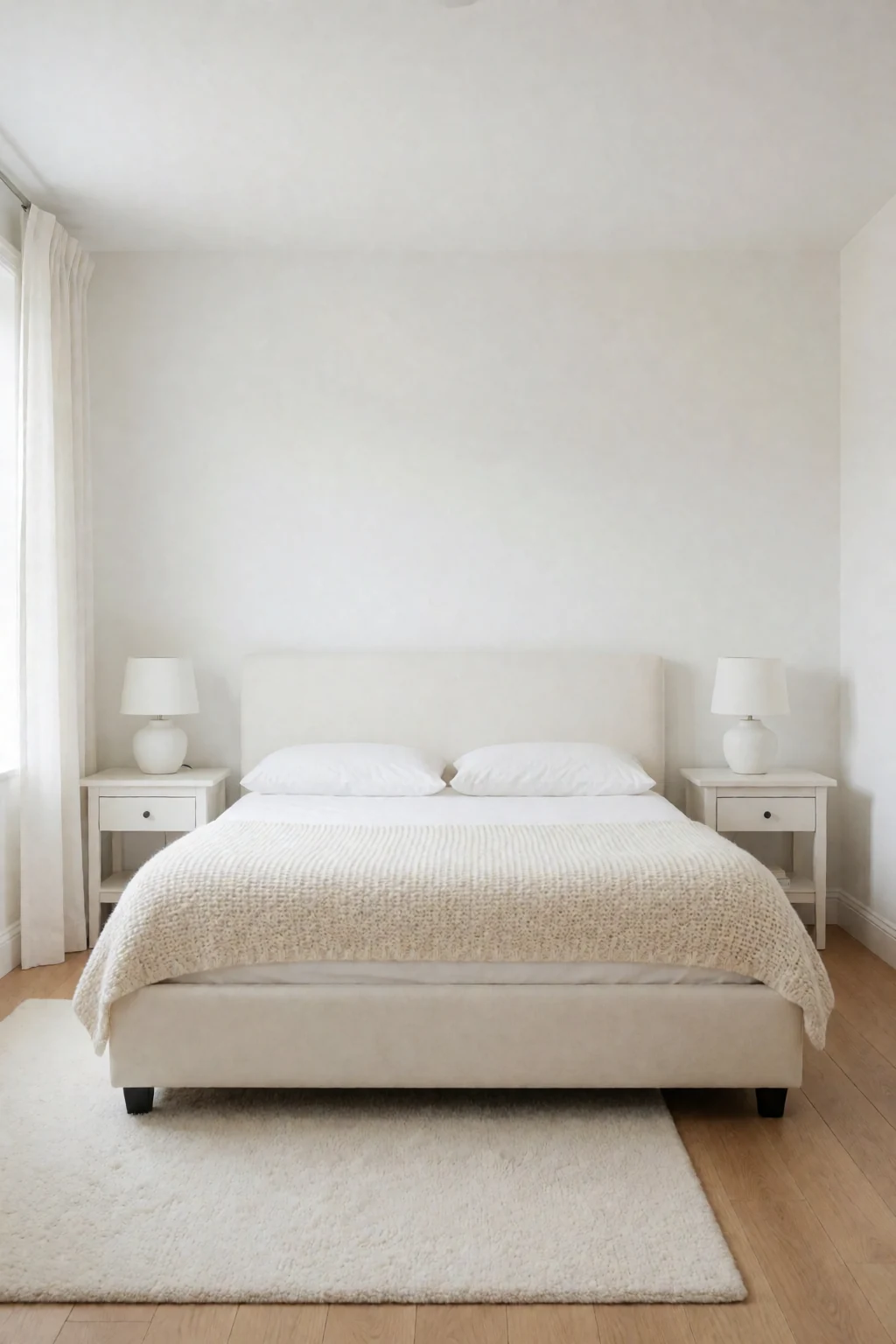
Keep exploring
Related guides
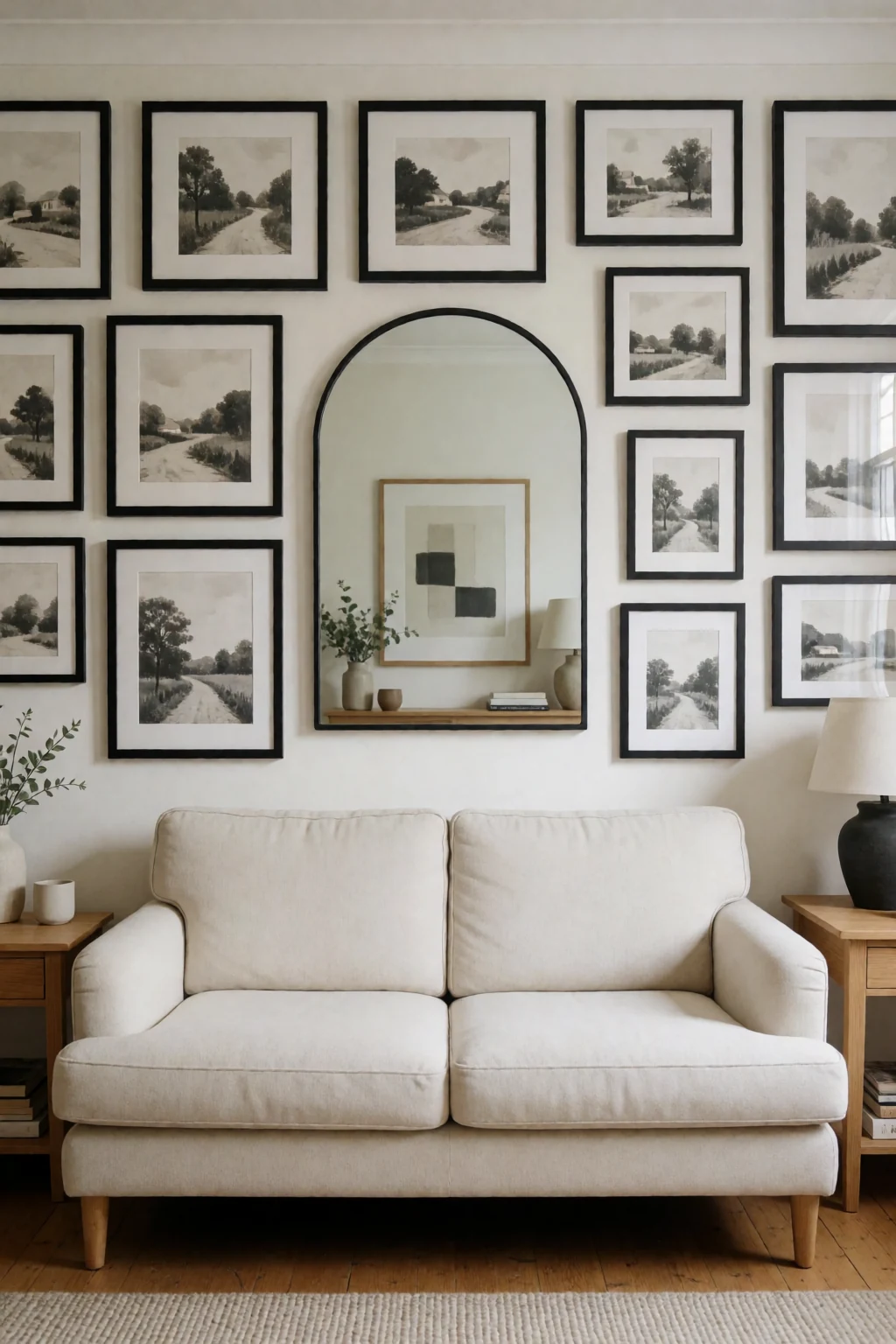 Living room
A blue living room depends on furniture and lighting to stay warm, while a bedroom can lean on bedding and lamp light to balance the same shades.
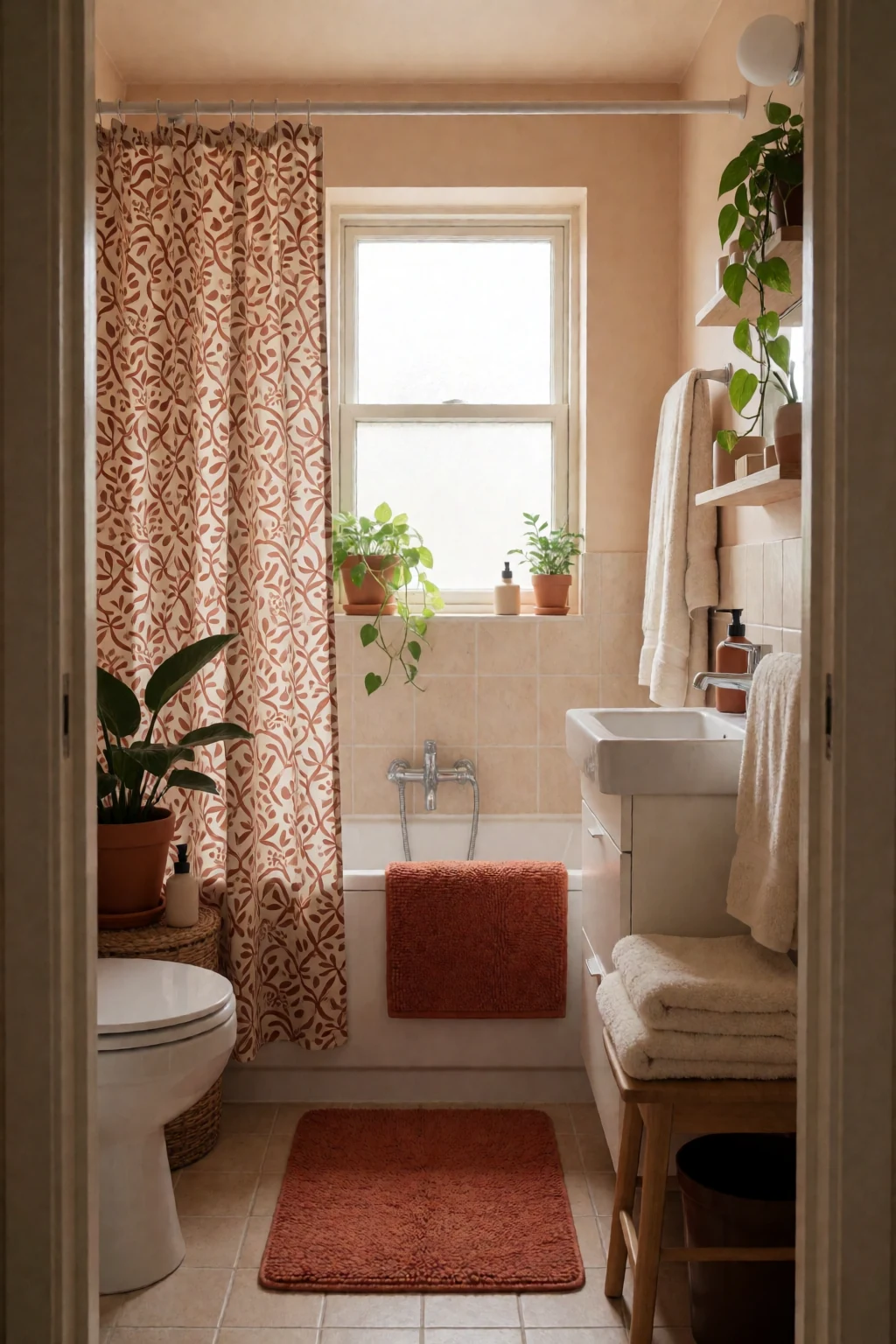 Bathroom
Blue in a bathroom looks crisp against white tile, but a blue bedroom needs warmer textures and wood to keep it from feeling stark.
Questions
Will blue make my bedroom feel smaller?
Deep blue on all four walls can. Pale or mid blues, or one blue wall with white on the rest, usually do not change how open the room feels.
What warm colours go with a blue bedroom?
Cream, warm off-white, terracotta, ochre and natural wood. Brass and warm gold do the same job, especially with navy or slate.
Does blue work with dark espresso furniture?
Yes. Slate or dusty blue pairs well with dark wood. Use cream or white bedding and a lighter rug so the room does not get too dark overall.
Should I paint all four walls or just one?
In a small room or one with little daylight, paint only the wall behind the bed. You still get the colour without the room closing in.