Room ideas / Bathroom
Bathroom storage ideas, zone by zone
Bathroom storage works when things live where you use them: shower products in the shower, face wash and toothbrushes by the sink, spare toilet roll within reach of the toilet. Then towels dry, the counter stays clear and cleaning products have a home.
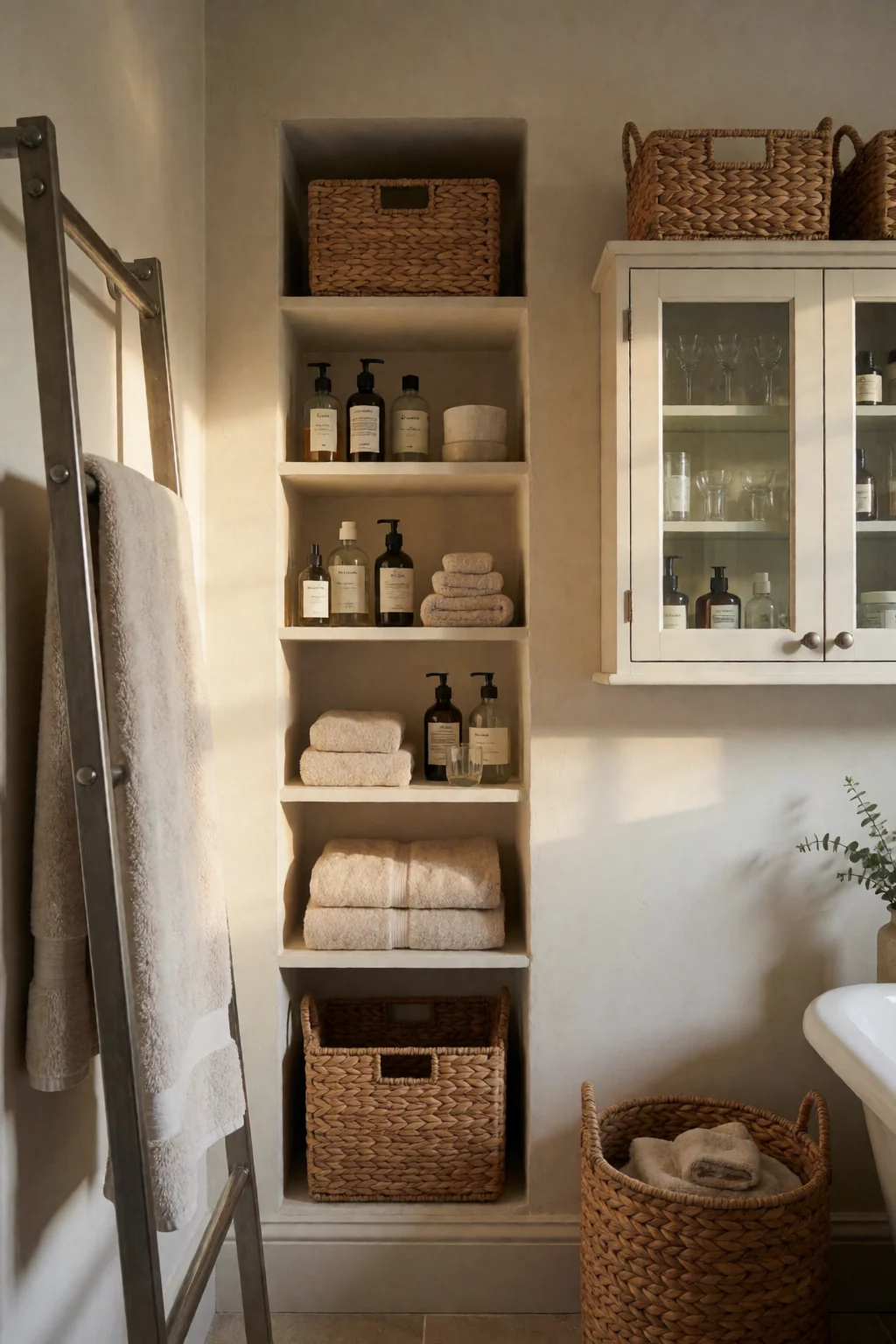
Three rules for every bathroom
- Split the room into sink, shower and toilet zones and store each thing in the zone where you use it.
- Use the walls with over-door racks, floating shelves and tall narrow cabinets, so the floor stays clear.
- Choose damp-proof materials: stainless steel, sealed wood, acrylic, or seagrass baskets with plastic liners.
Thinking in zones
Good bathroom storage uses the walls, the inside of cabinets and materials that cope with damp. Instead of random bins, each thing goes where you use it: shower products inside the shower, face wash and toothbrushes by the sink, spare toilet roll within arm's reach of the seat.
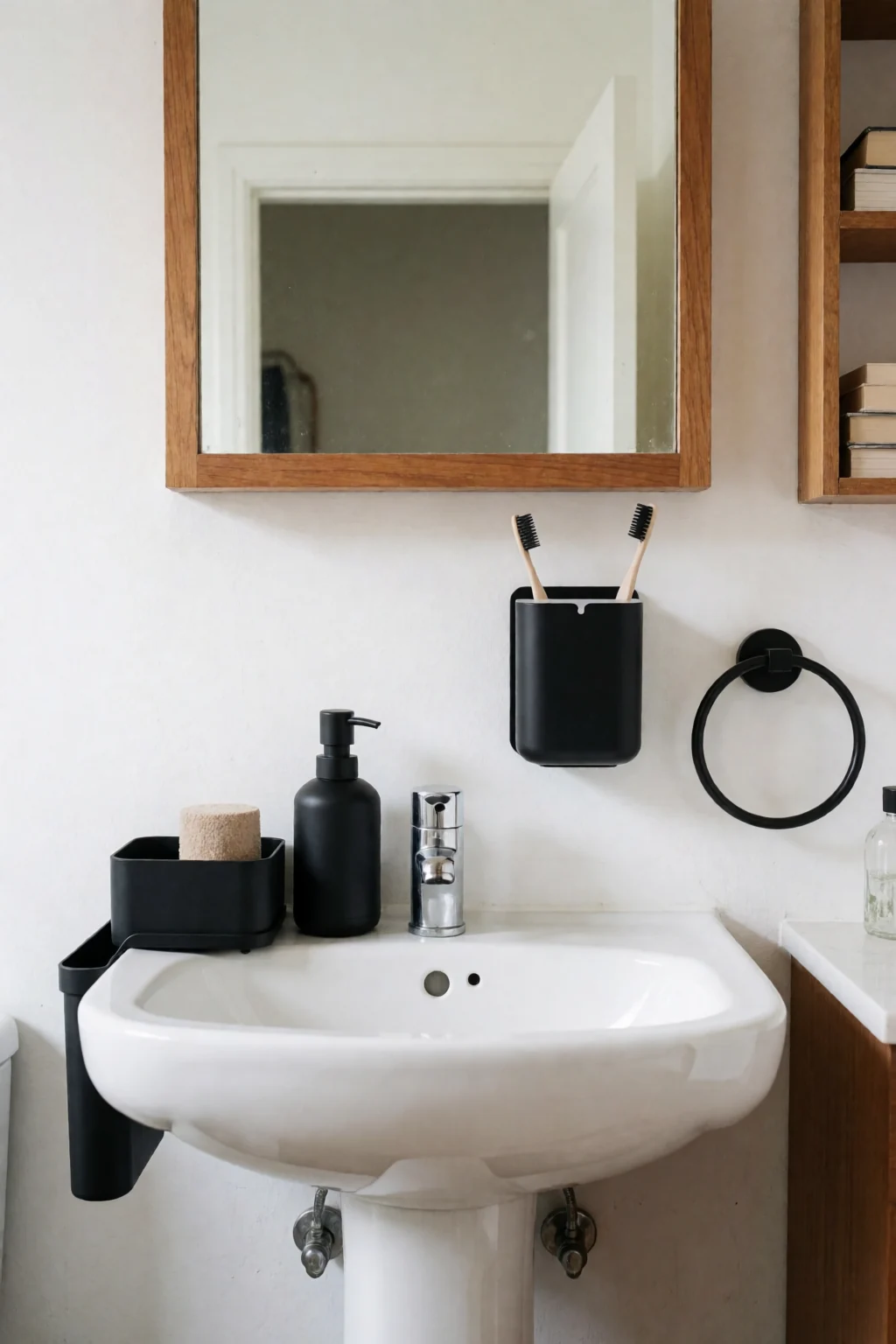
An organised bathroom has a clear counter with just a soap dispenser and one tray for daily items, while drawers and cupboards hold the spares. Baskets, stacking bins and tiered shelves keep small products together, and hooks give wet towels somewhere to dry instead of the floor.
None of this needs a renovation. Surface-mounted shelves, over-toilet units, door organisers and freestanding storage fit awkward layouts. The difference from storage elsewhere in the house is damp: everything has to cope with water and be easy to clean.
One idea for each zone
- Sink: jars on a tray
- Cotton pads, buds and floss picks in matching glass jars on a ceramic tray next to the sink. Small things stop rolling around the counter and stay in reach.
- Shower: tension pole caddy
- A corner tension pole caddy with adjustable shelves for shampoo, conditioner and body wash, with no drilling into tile. Hang a squeegee from the top shelf and wipe the glass after each shower.
- Toilet: shelf over the cistern
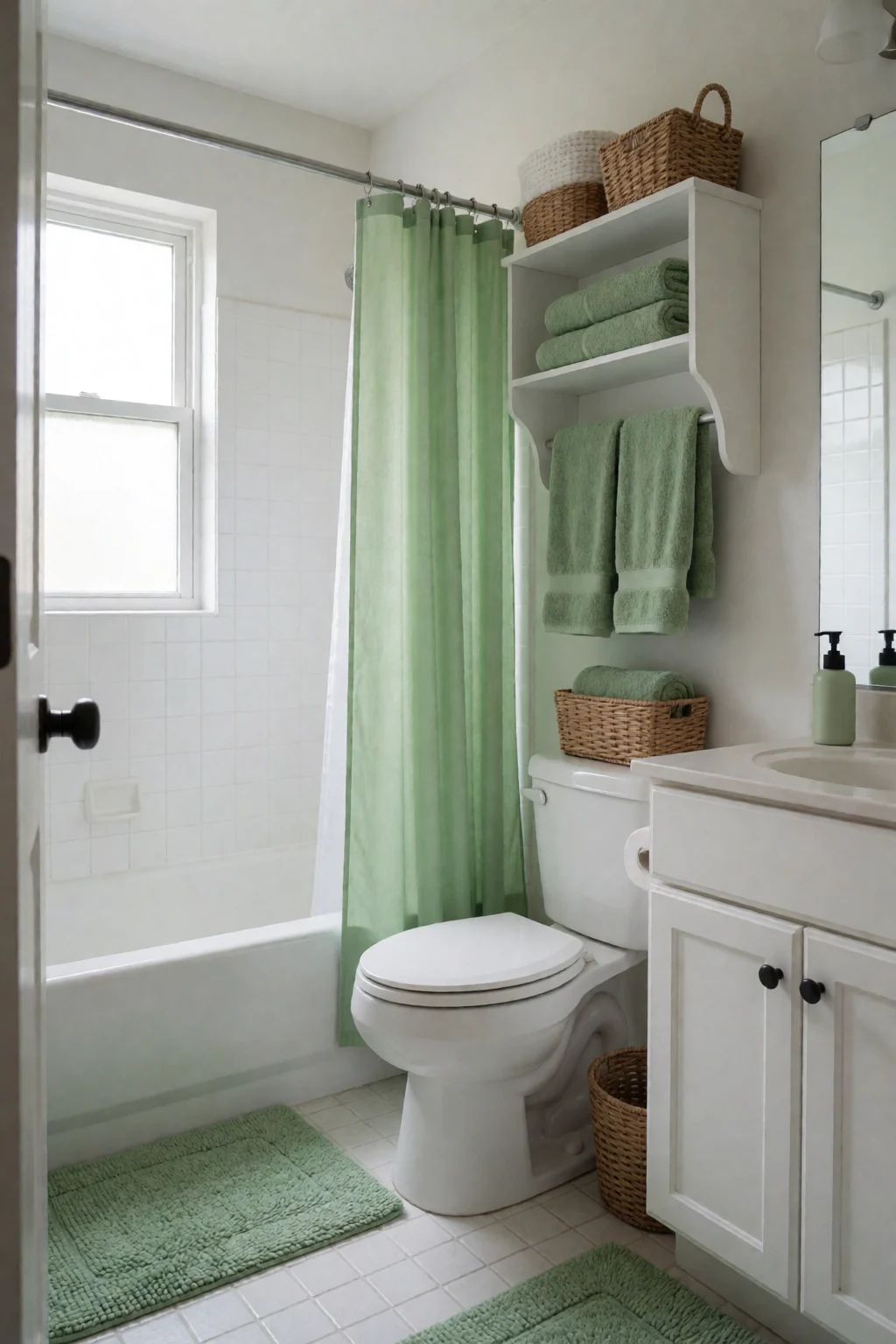
- A freestanding shelf unit over the toilet uses wall space that is otherwise empty. A large woven basket on the bottom shelf hides spare toilet rolls and flannels within reach.
- Wall: shelf of rolled towels
- A sturdy wooden floating shelf above the towel rail or toilet, with Turkish cotton towels rolled tightly and stacked on it. It adds colour and texture and frees the linen cupboard.
- Cabinet doors and hooks
- A shallow bin stuck inside the under-sink cabinet door for hairbrushes and styling tools, and two heavy-duty hooks on the back of the bathroom door for damp robes and heavy towels.
Damp, doors, walls and cleaning
- Damp
- Humidity rusts untreated metal, warps cheap chipboard and grows mould on natural fibres. Run the fan during and after showers, wipe standing water off wood, and use aluminium, stainless steel or acrylic for anything inside the shower or by the bath.
- Doors and space to move
- Before adding a tall shelf unit, trolley or laundry basket, measure the gaps between the vanity, toilet and the shower and room doors. Cabinet doors and drawers must open fully, and you need room to step out of the shower.
- Fixing to tile and plasterboard
- Tiled walls and plasterboard need the right fixings. Use a tile bit and proper wall plugs, and check shelves are rated for the weight of ceramic dispensers and stacked towels.
- Easy to clean
- Lots of small ornaments on low shelves gather dust and splashes. Choose bins with smooth insides that wipe clean, and keep cleaning products in a caddy you can carry.
Sort by zone, then install
Empty the cabinets, drawers and shower ledges. Sort everything into groups: daily grooming, hair, body, first aid, cleaning and spares. Check the dates on suncream, lotions and medicines and get rid of anything out of date or unused. Then give each group a zone: daily things by the sink, shower products in the shower, bulk spares in a cupboard or on the over-toilet shelf.
Measure the spaces and fit the organisers: a floating shelf above the toilet or beside the mirror for daily items, stacking bins under the sink to use the cabinet's height, a caddy or basket in the shower, and hooks on any bare wall for robes and towels. Set shelf heights so tall bottles like lotion and mouthwash stand up without tipping.
Shop the pieces
16 bathroom pieces
Links open similar items, not the pictured ones.
-
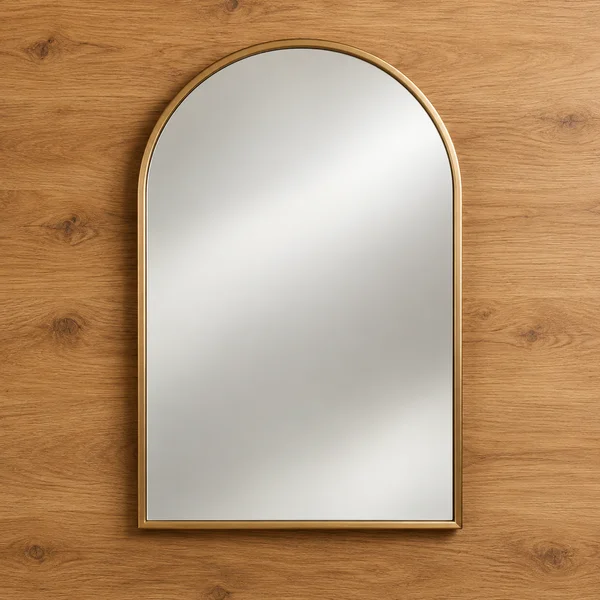
Bathroom vanity mirror
What to check
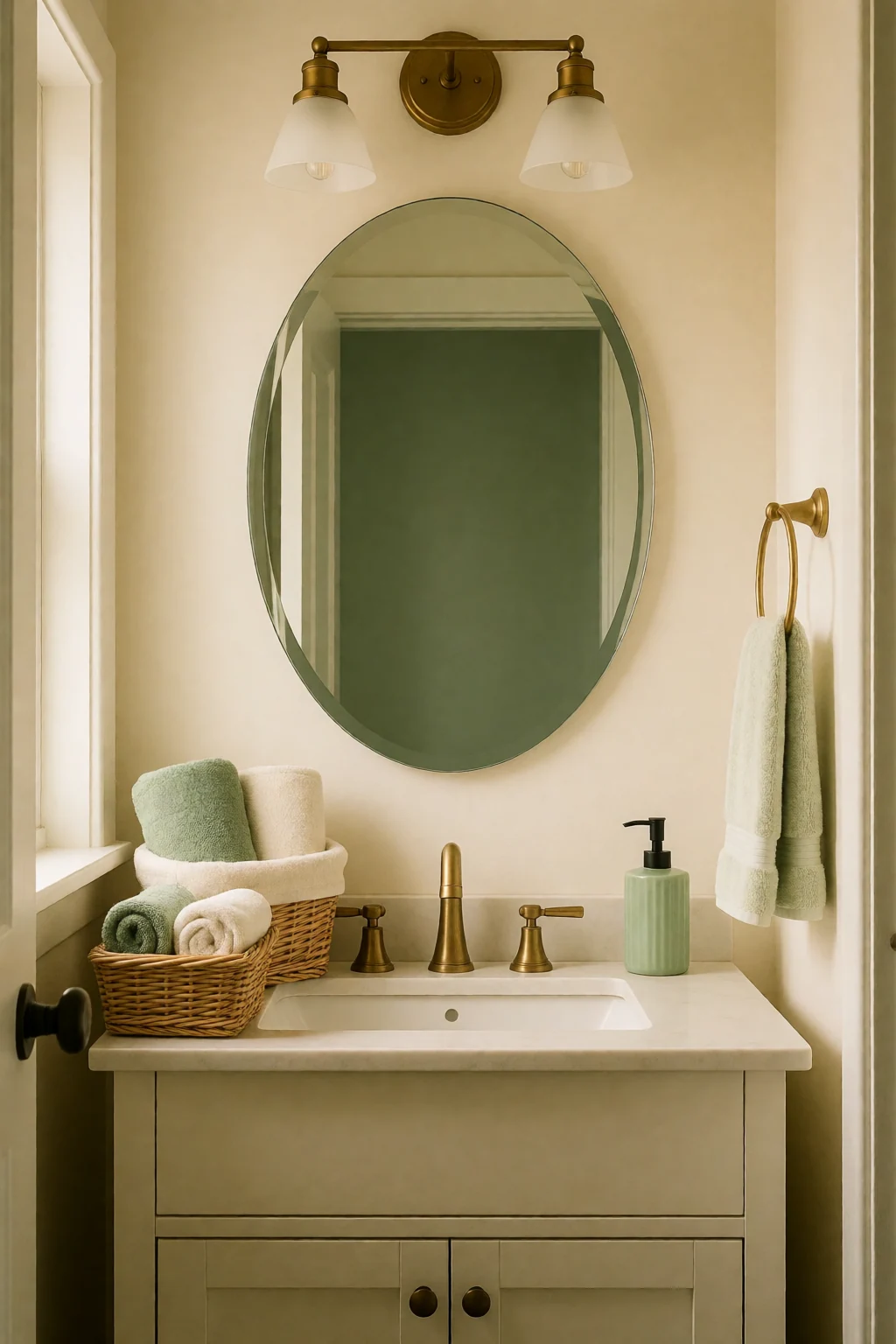
Measure the wall above the vanity, and centre the mirror on the basin rather than the wall.
-
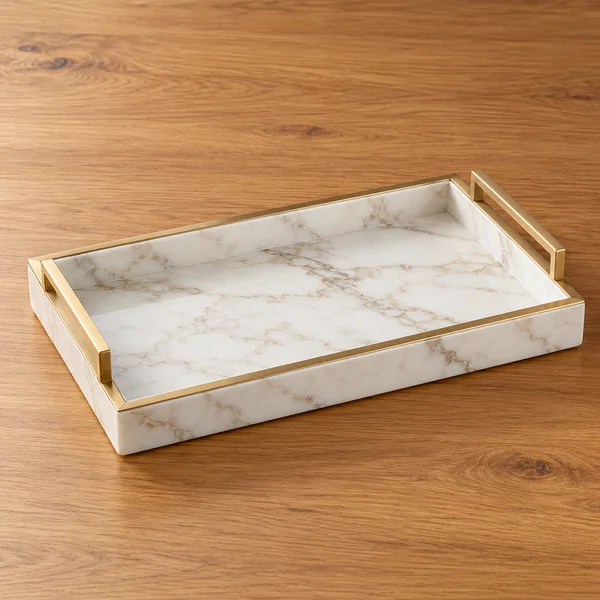
Bathroom vanity tray
What to check
Marble is heavy and cool to the touch. Wipe it dry often, as some soaps and oils can mark natural stone.
-
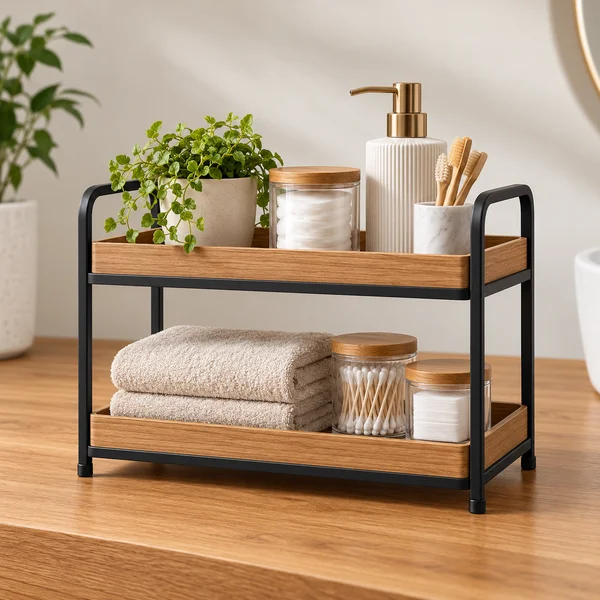
Two tier bathroom countertop shelf
What to check
Measure the counter depth and the height under any mirror or cabinet before choosing a tiered shelf.
-
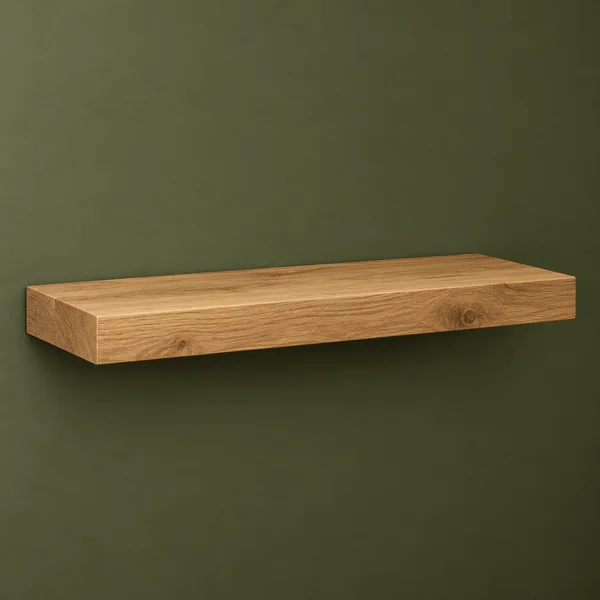
Wood floating wall shelf
What to check
Check the shelf depth and weight rating, and fix into studs or solid wall plugs.
-
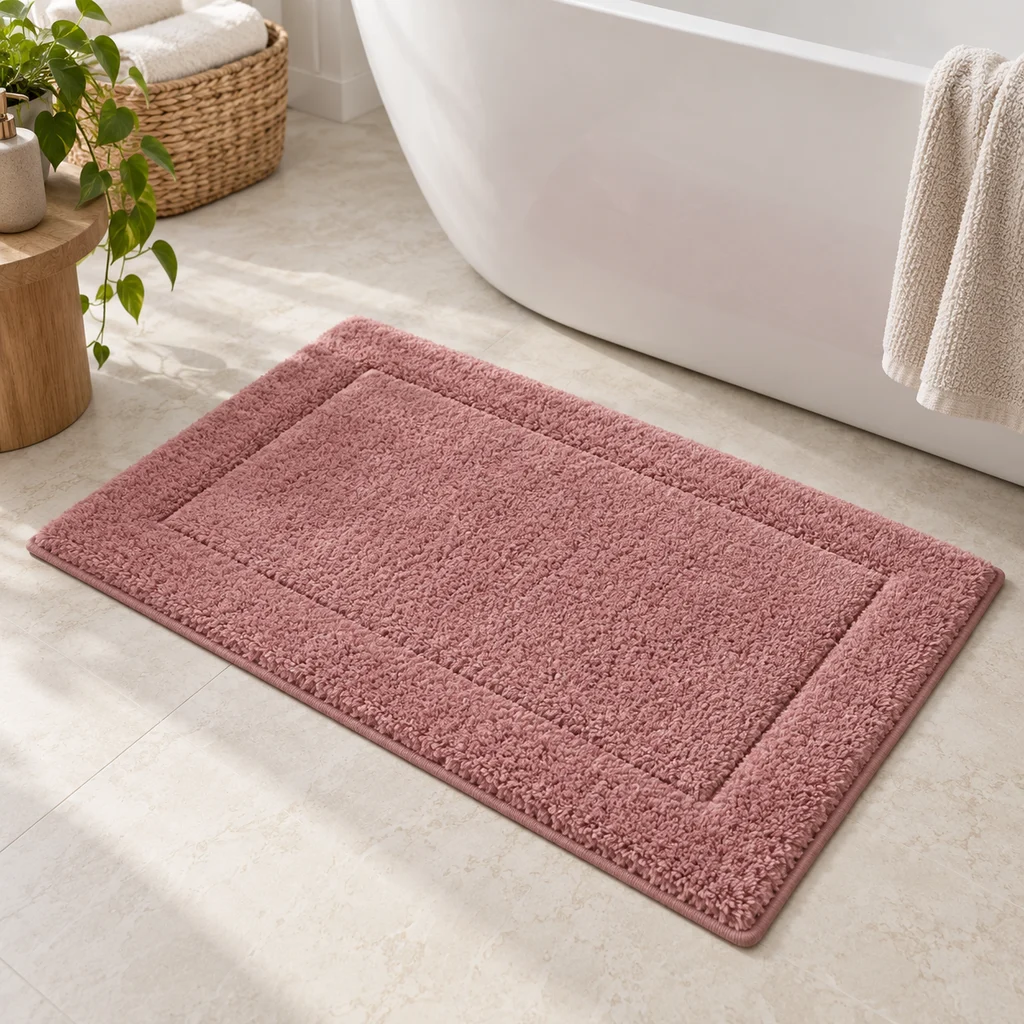
Bath mat
What to check
Check the backing is non-slip on your floor, and that the mat can be machine washed and dried.
-
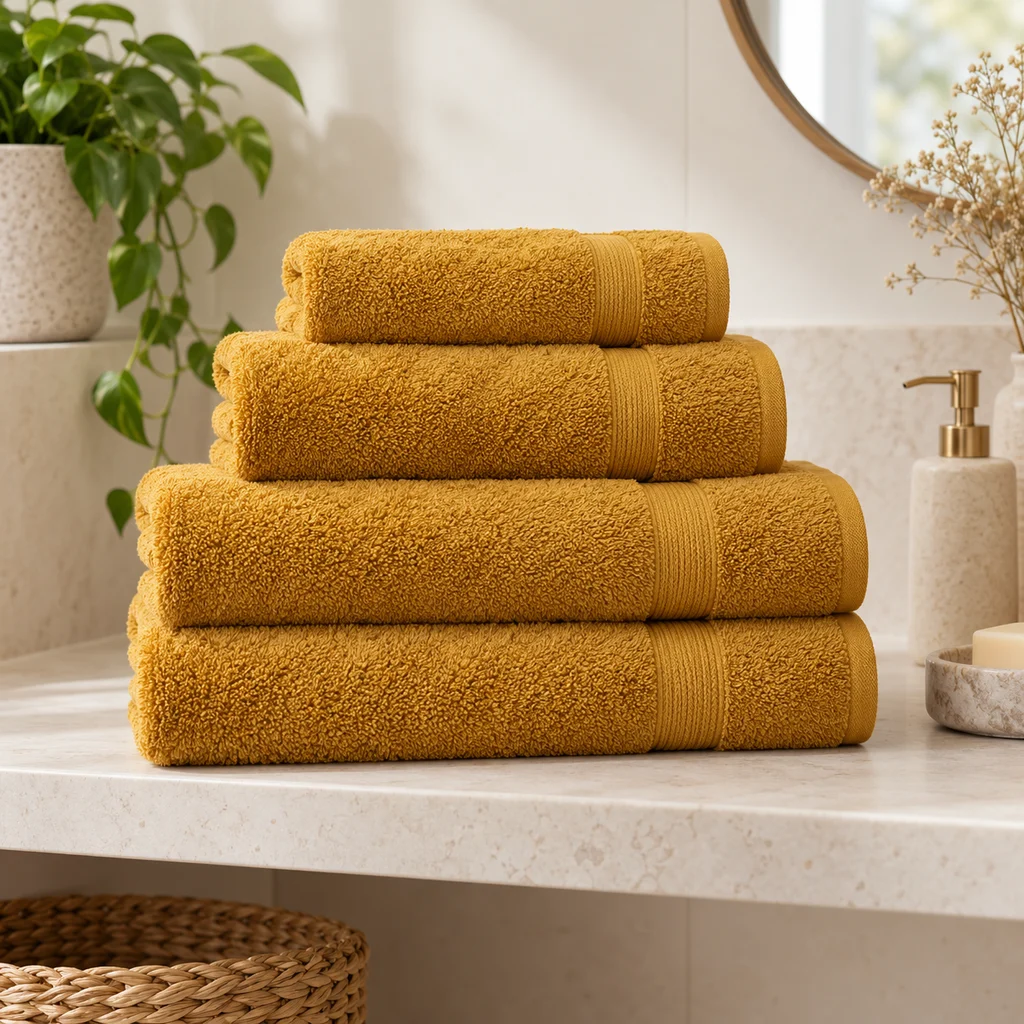
Bath towels
What to check
Check the size: bath sheets are larger than standard towels and take longer to dry in a small, damp bathroom.
-
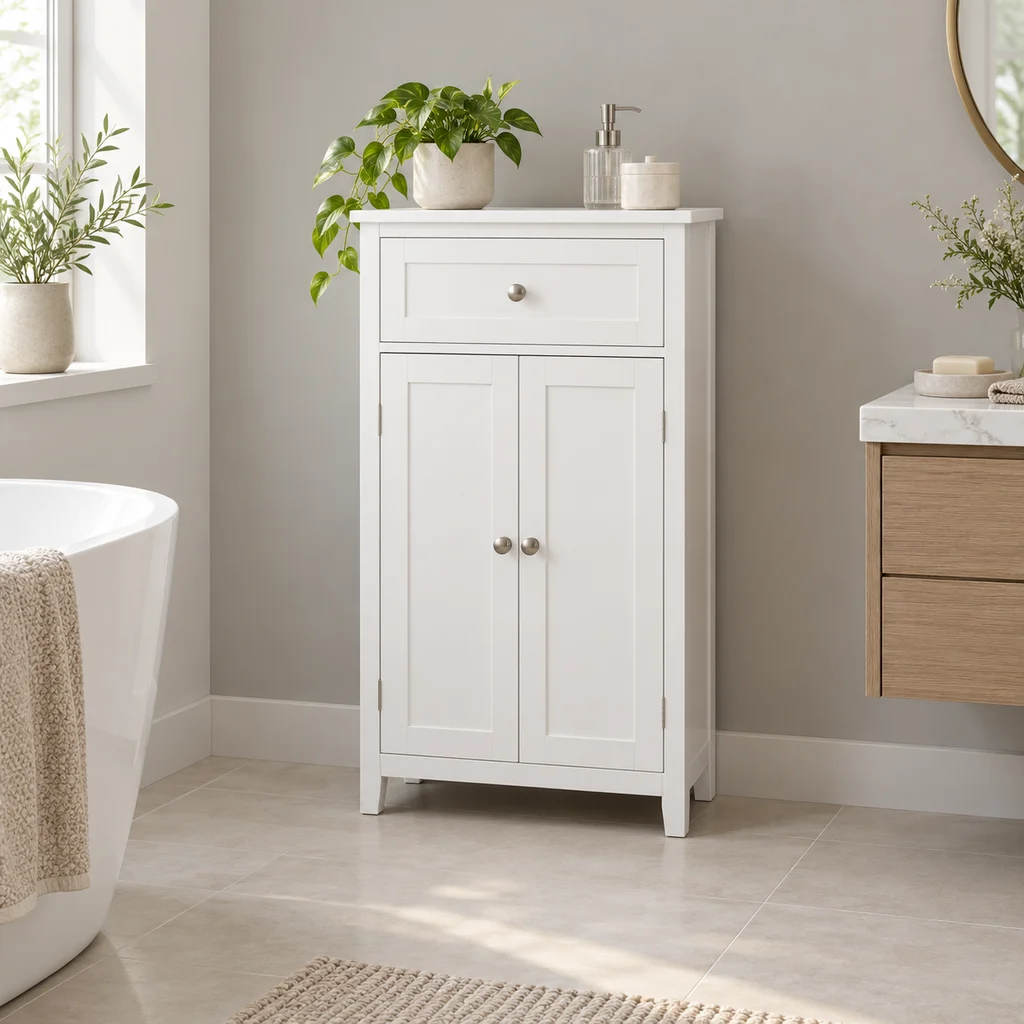
Bathroom cabinet
What to check
Measure the floor space and the door swing of the cabinet itself. Bathrooms are damp, so check the finish is moisture resistant.
-
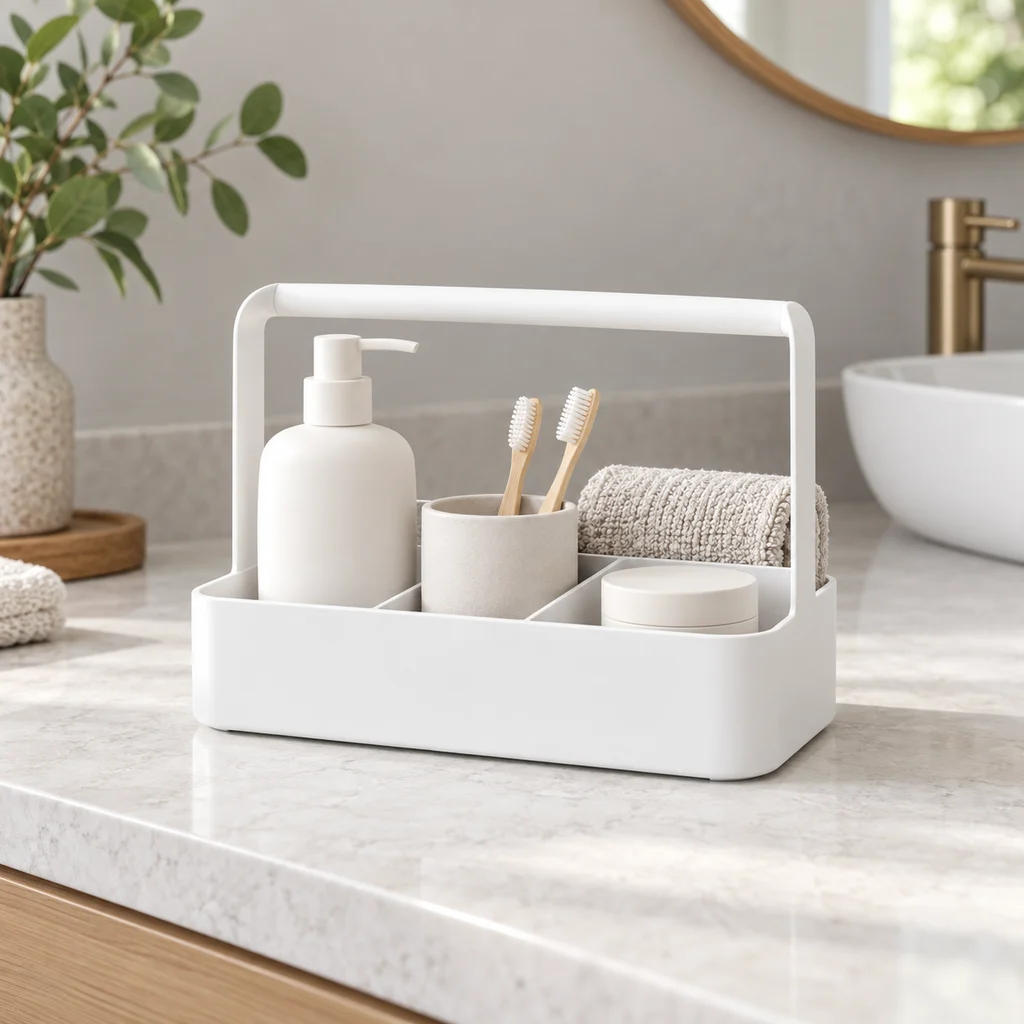
Bathroom caddy
What to check
A carry caddy works best when it holds one routine. Check the handle is comfortable and the base drains.
Show all 16 pieces
-
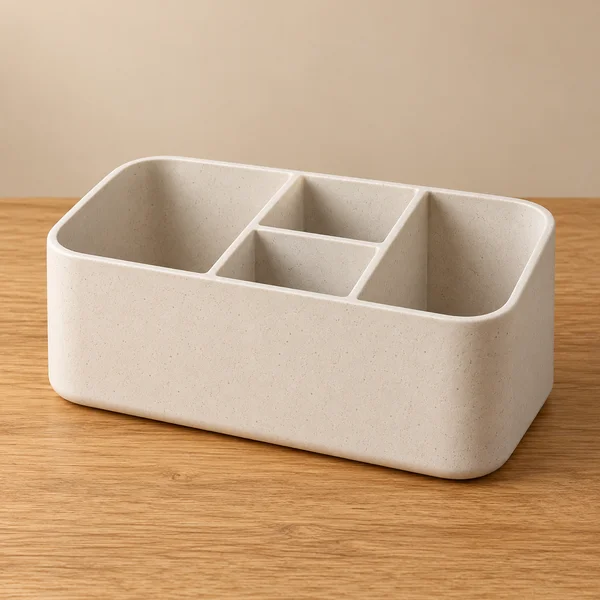
Bathroom countertop divided caddy
What to check
Clear plastic shows what is inside but also water marks. Check the compartment sizes against the bottles you use.
-
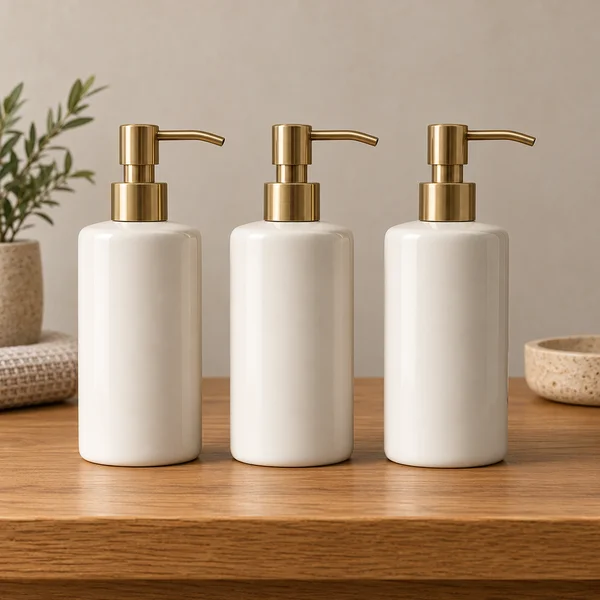
Bathroom refillable pump bottles
What to check
Check the pump suits thick shampoo and conditioner, and label the bottles so they are easy to tell apart.
-
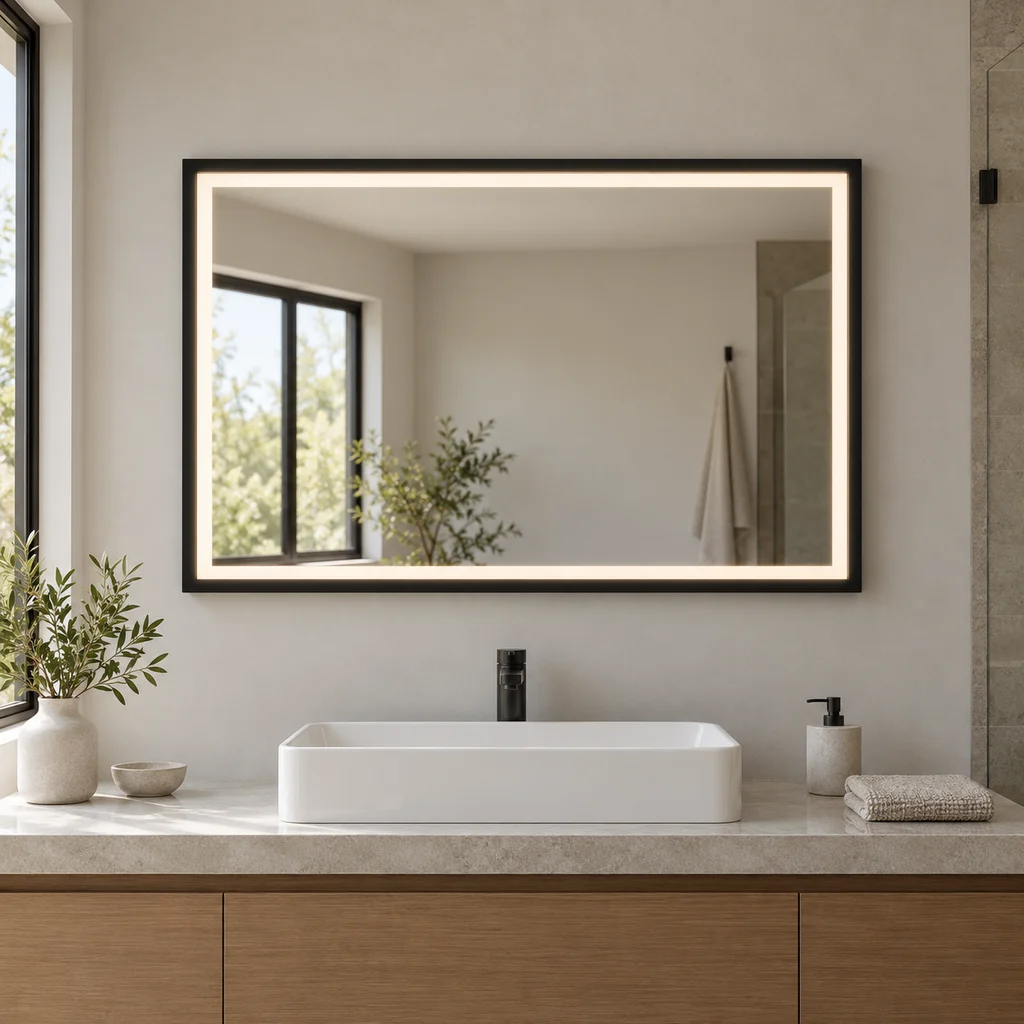
LED bathroom mirror
What to check
A lit mirror needs power at the wall. Check whether it plugs in or must be hardwired by an electrician before you buy.
-
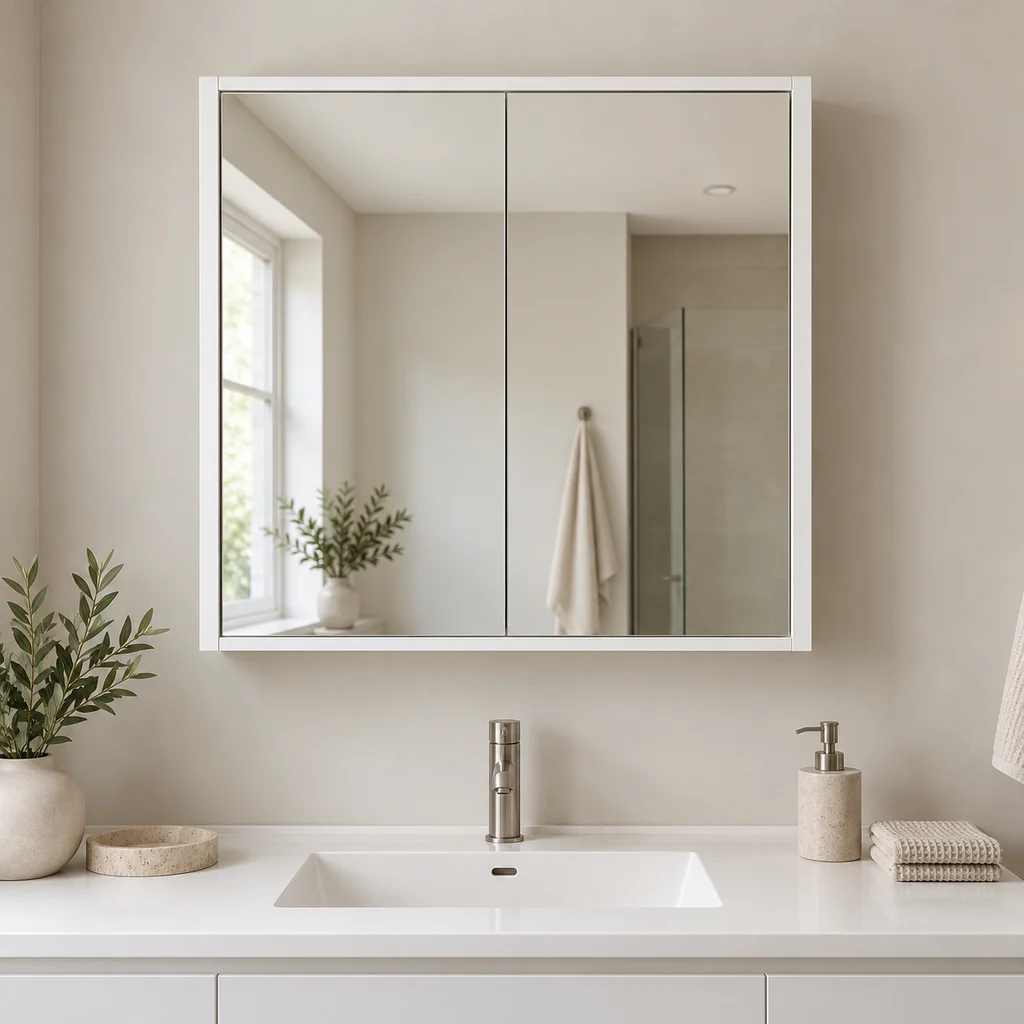
Mirror cabinet
What to check
Check the depth of the cabinet against the space behind the tap, and how it mounts to your wall.
-
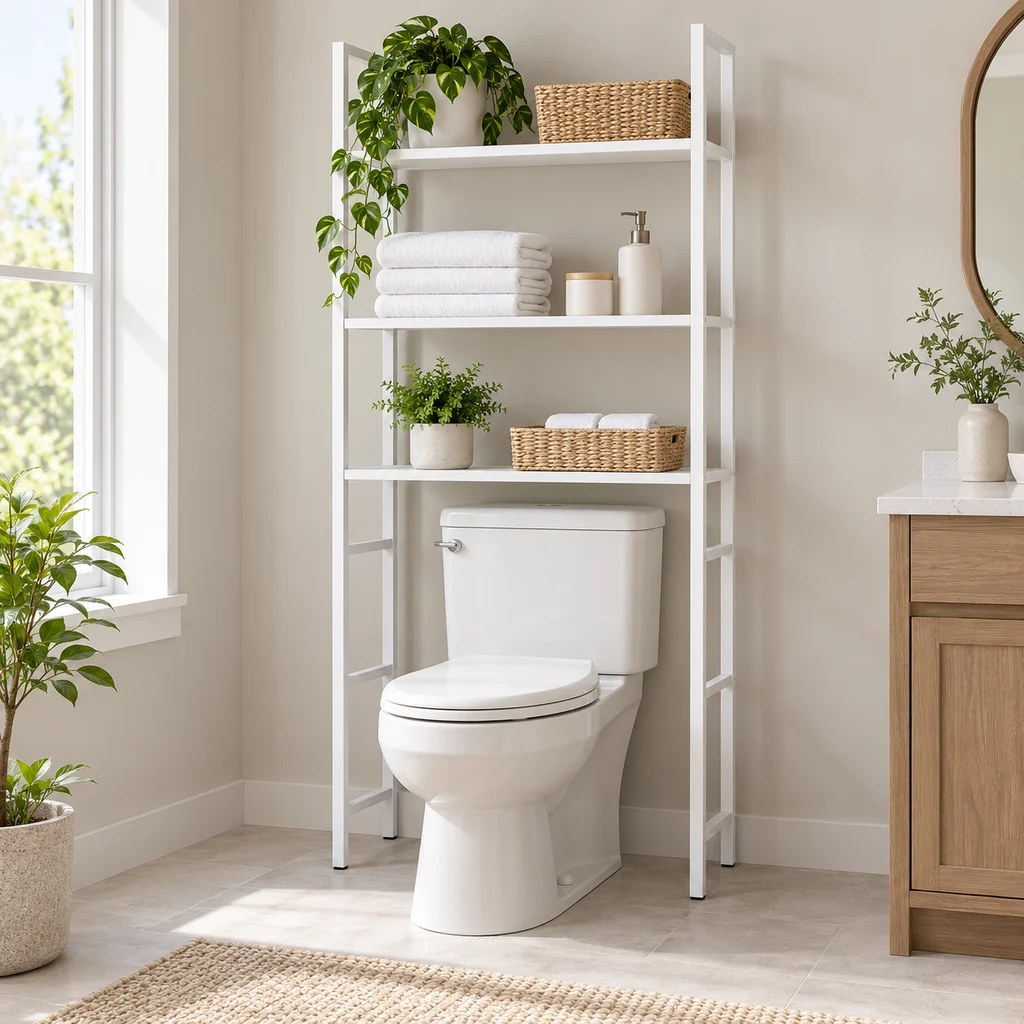
Over-toilet shelf
What to check
Measure the width of your toilet and the height to the cistern top. The frame must clear both.
-
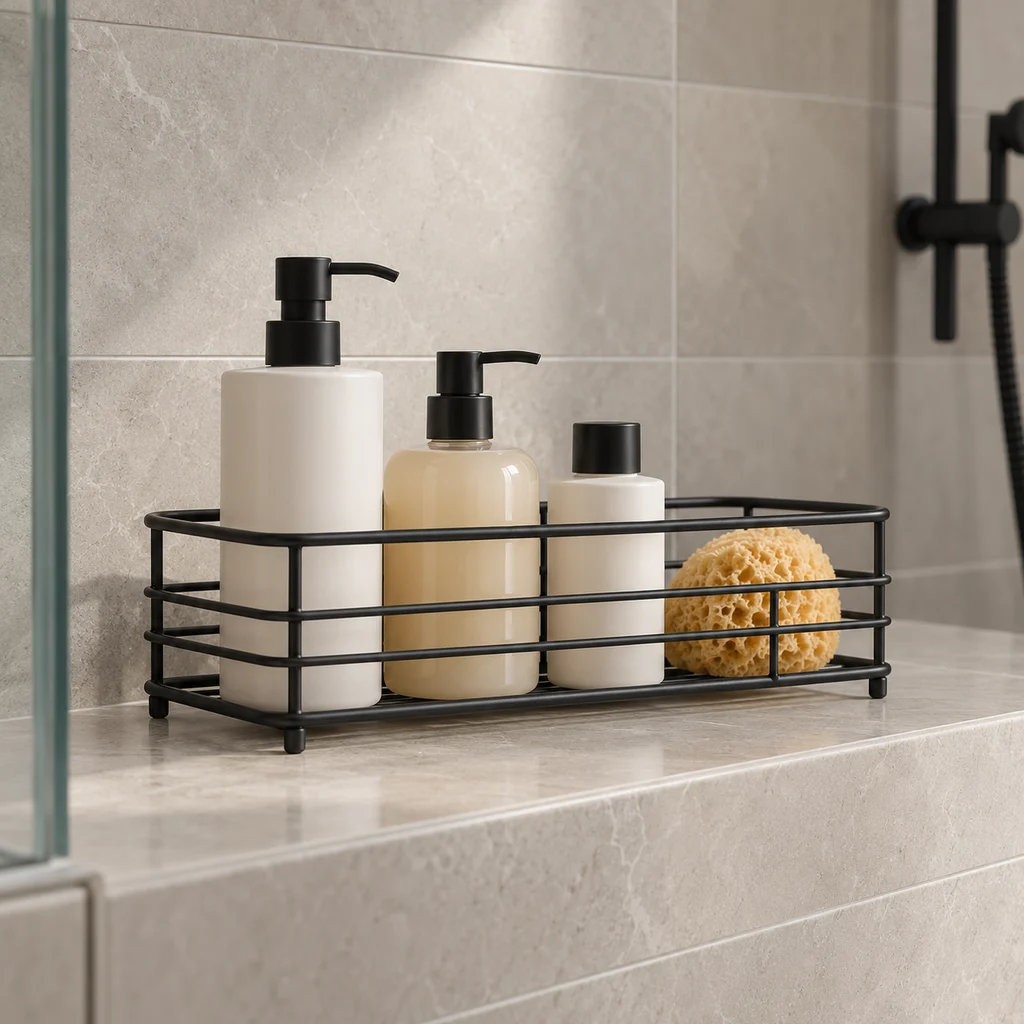
Shower caddy
What to check
Adhesive caddies need clean, dry, smooth tile to stick. Check the weight limit if you store large bottles.
-
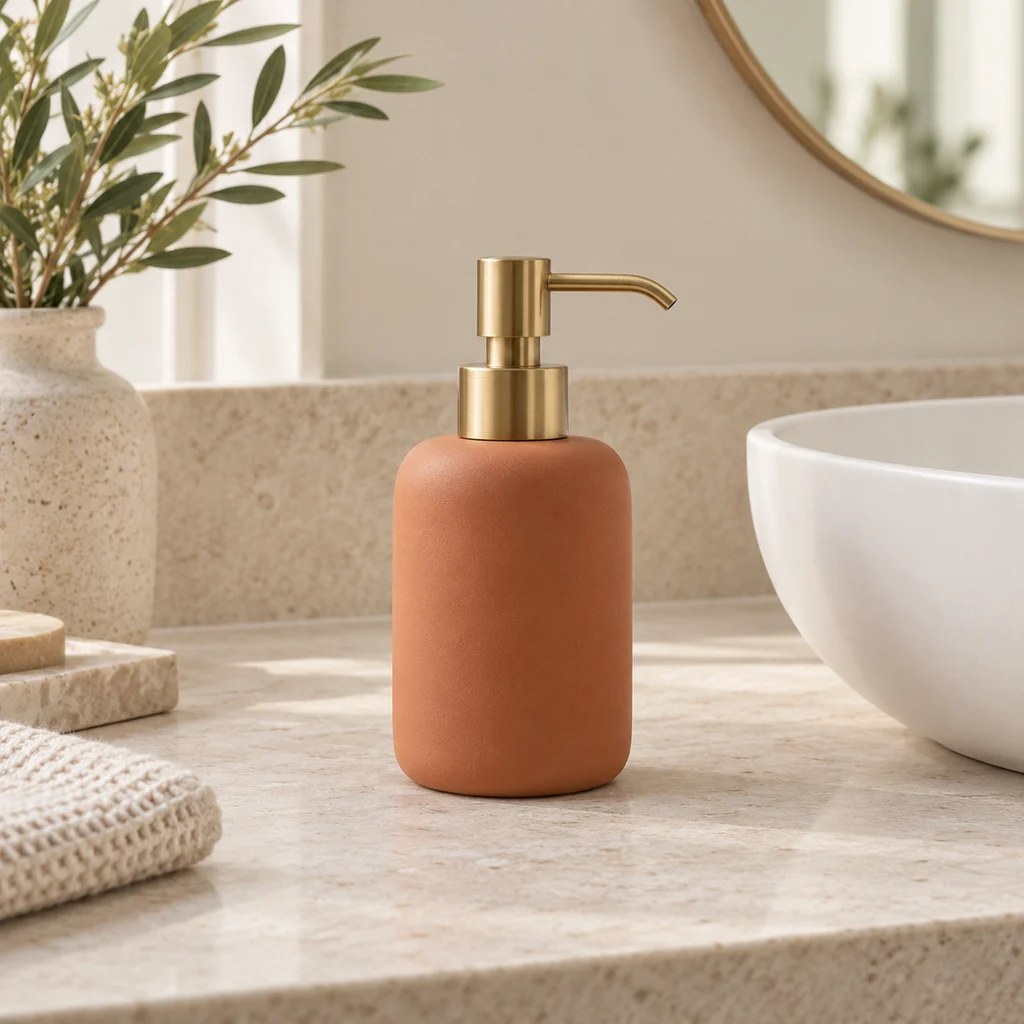
Soap dispenser
What to check
Ceramic dispensers can chip if dropped on tile. Check the pump suits the soap you use, as thick soaps clog narrow pumps.
-
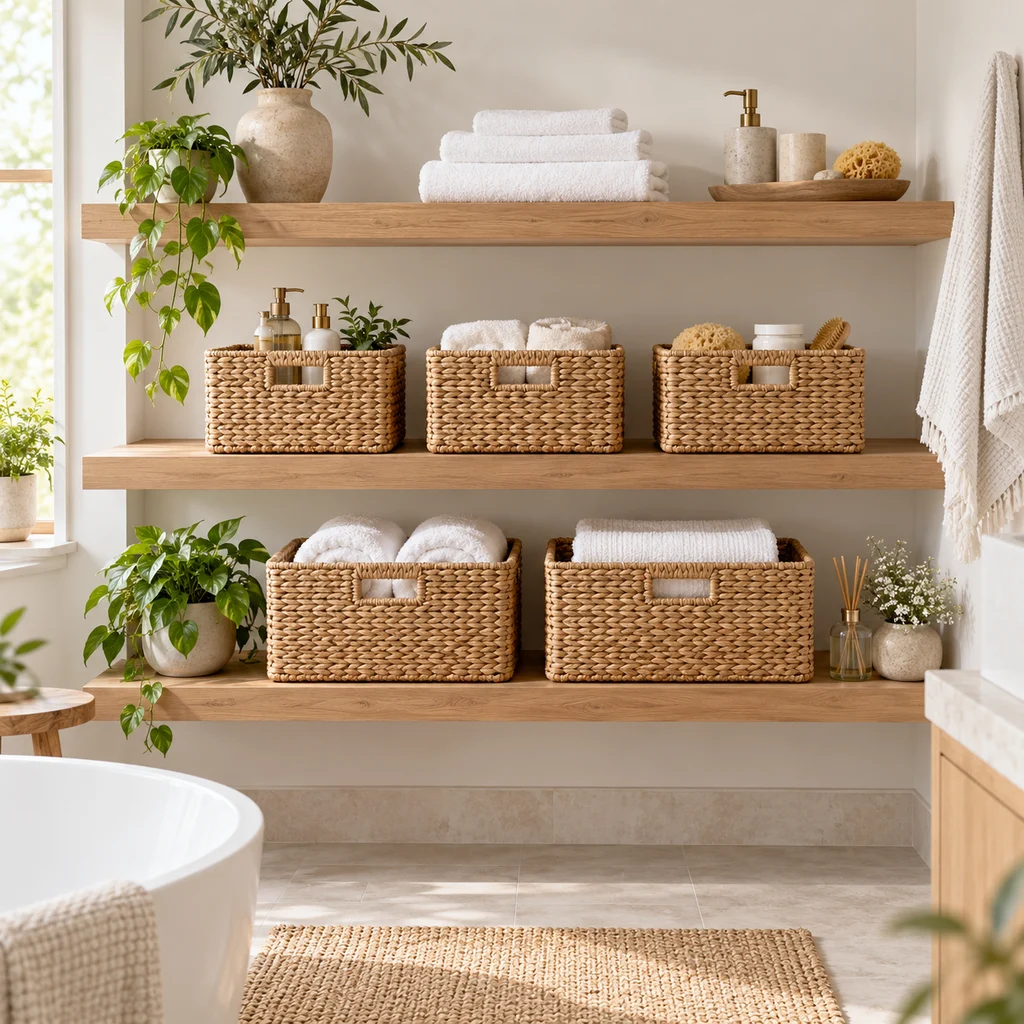
Storage baskets
What to check
Measure the shelf depth and height before buying baskets. Check whether the weave has a liner if you store fabric or small items.
The gallery
8 bathroom looks
Open a look to see its pieces.
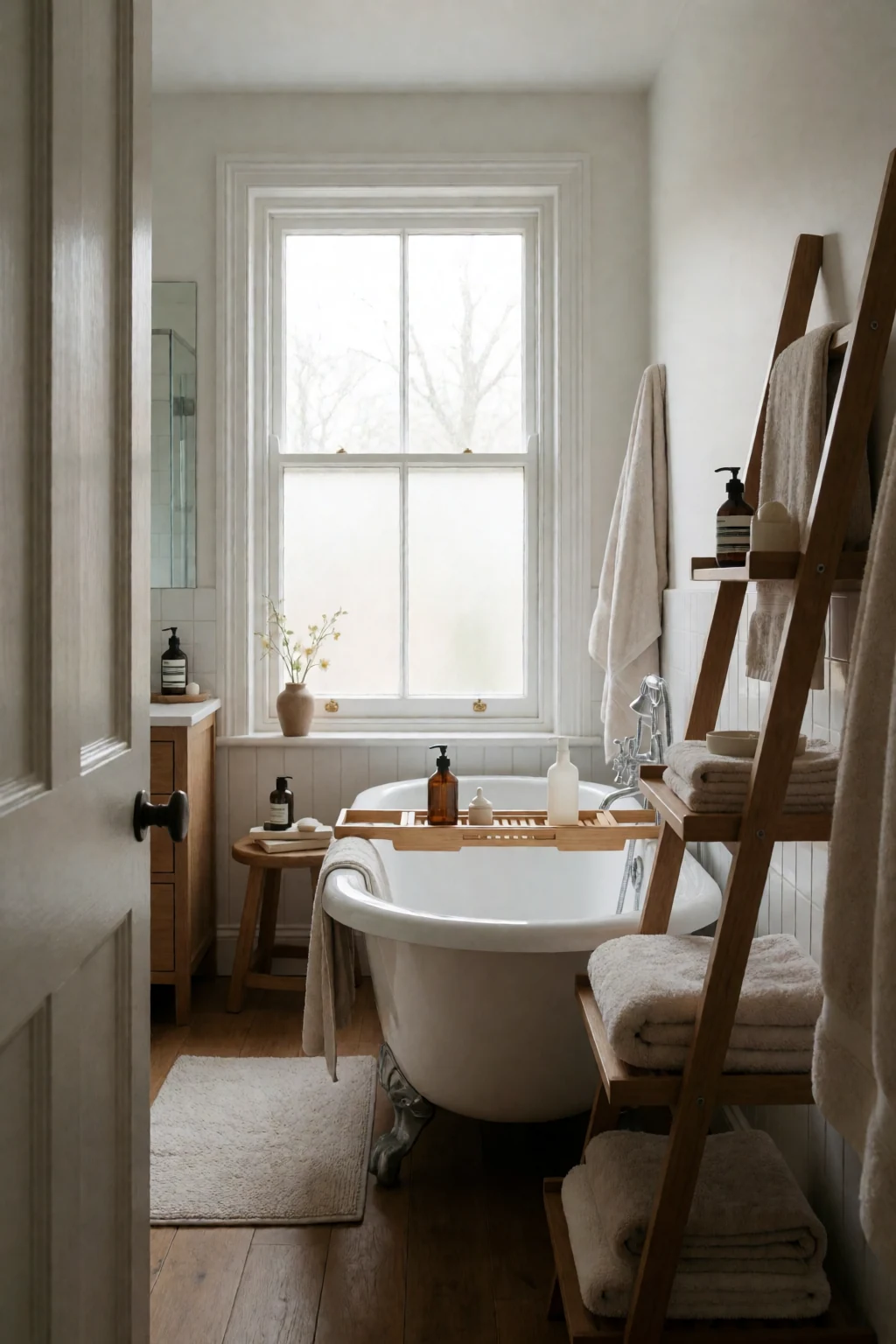
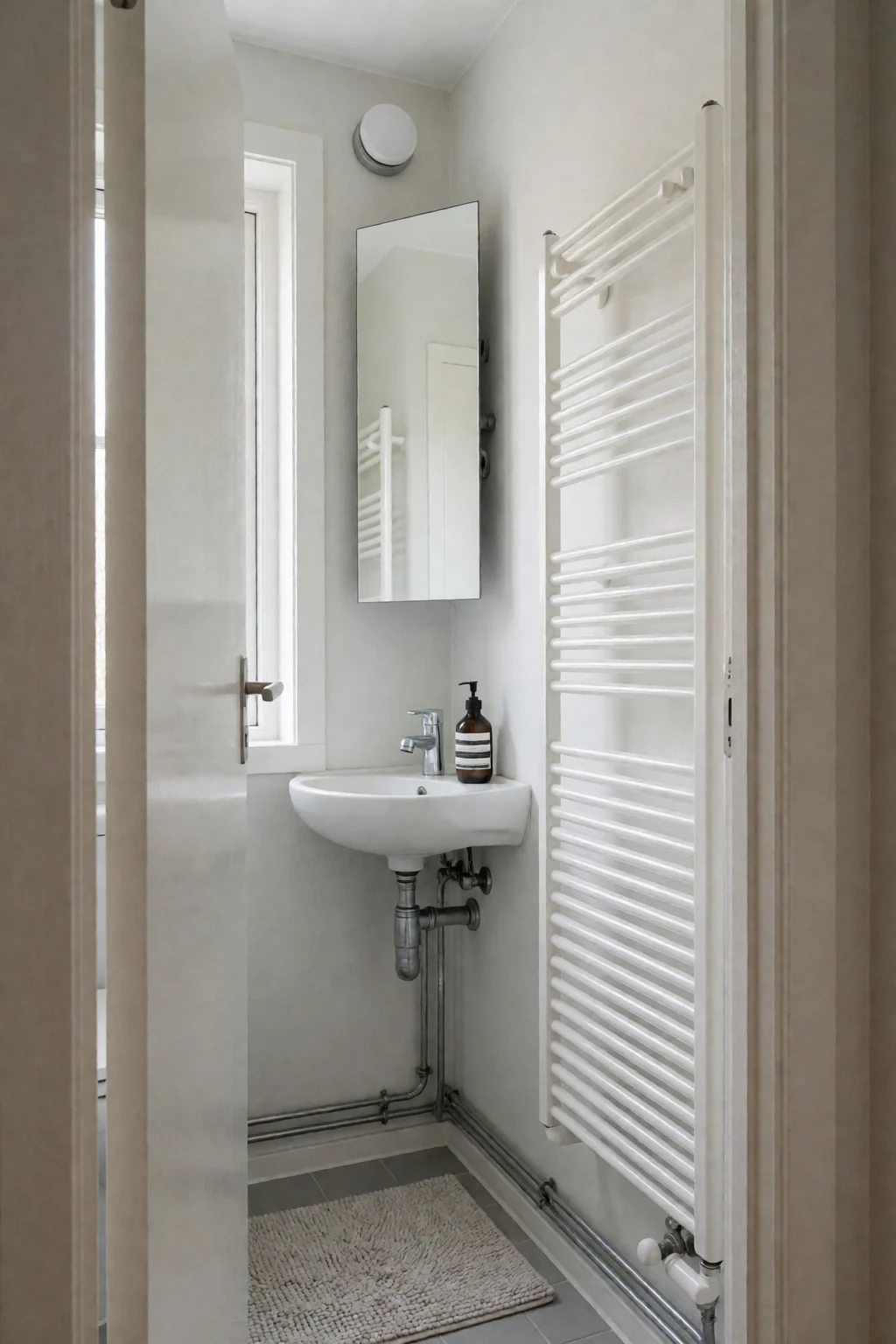
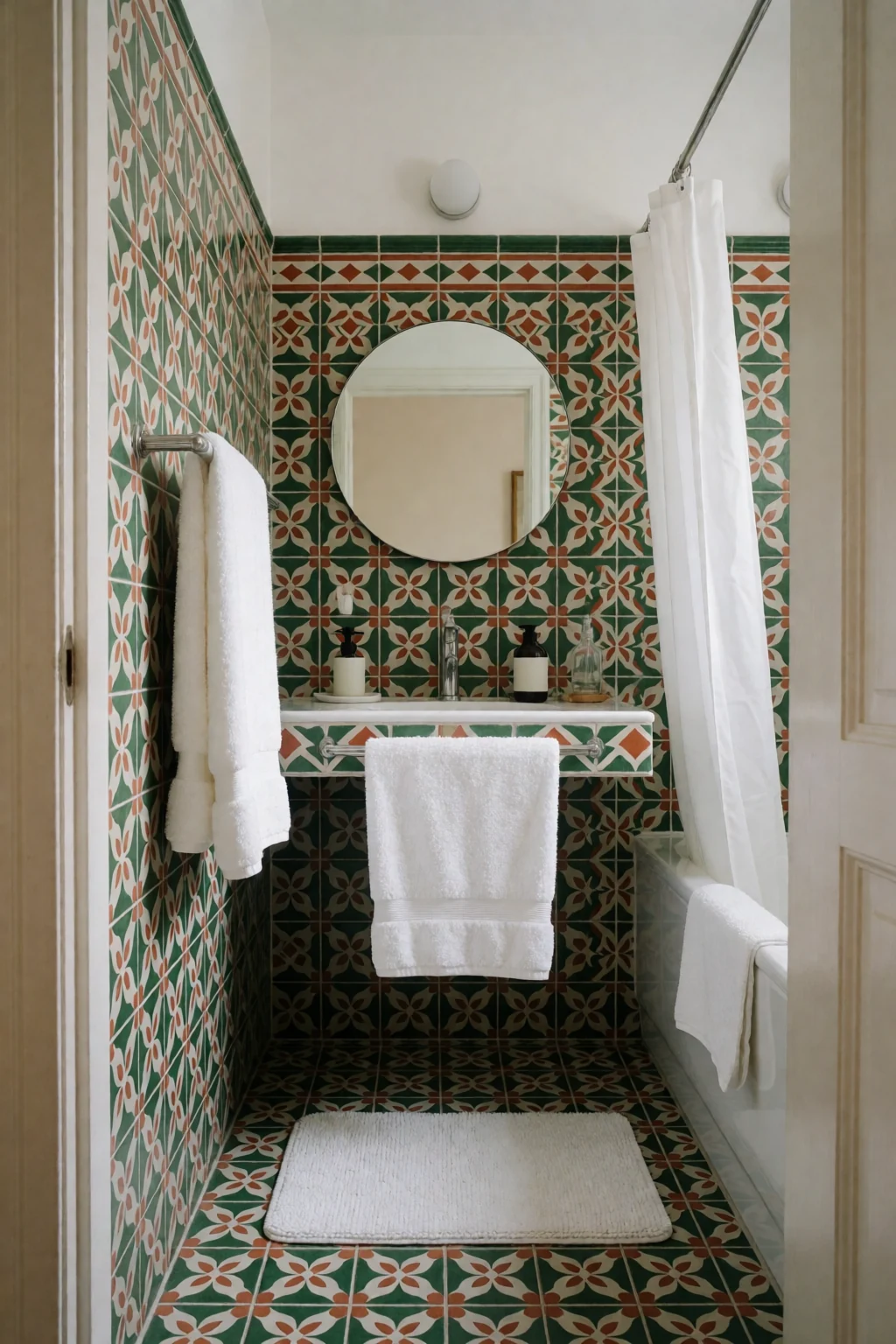
Keep exploring
Related guides
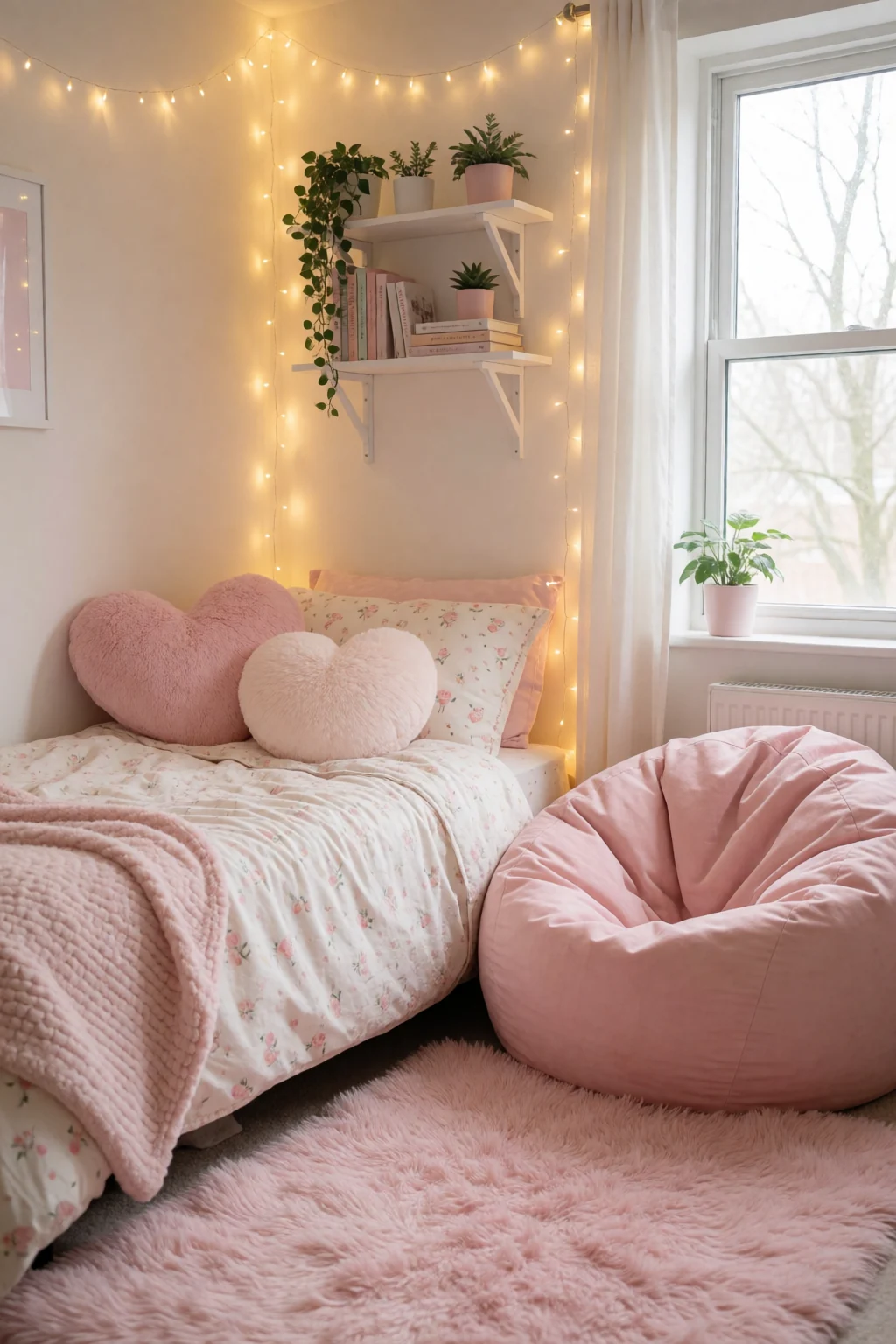 Bedroom
 storage holds clothes and bedding near the bed, while bathroom storage holds toiletries and cleaning products in a damp room.
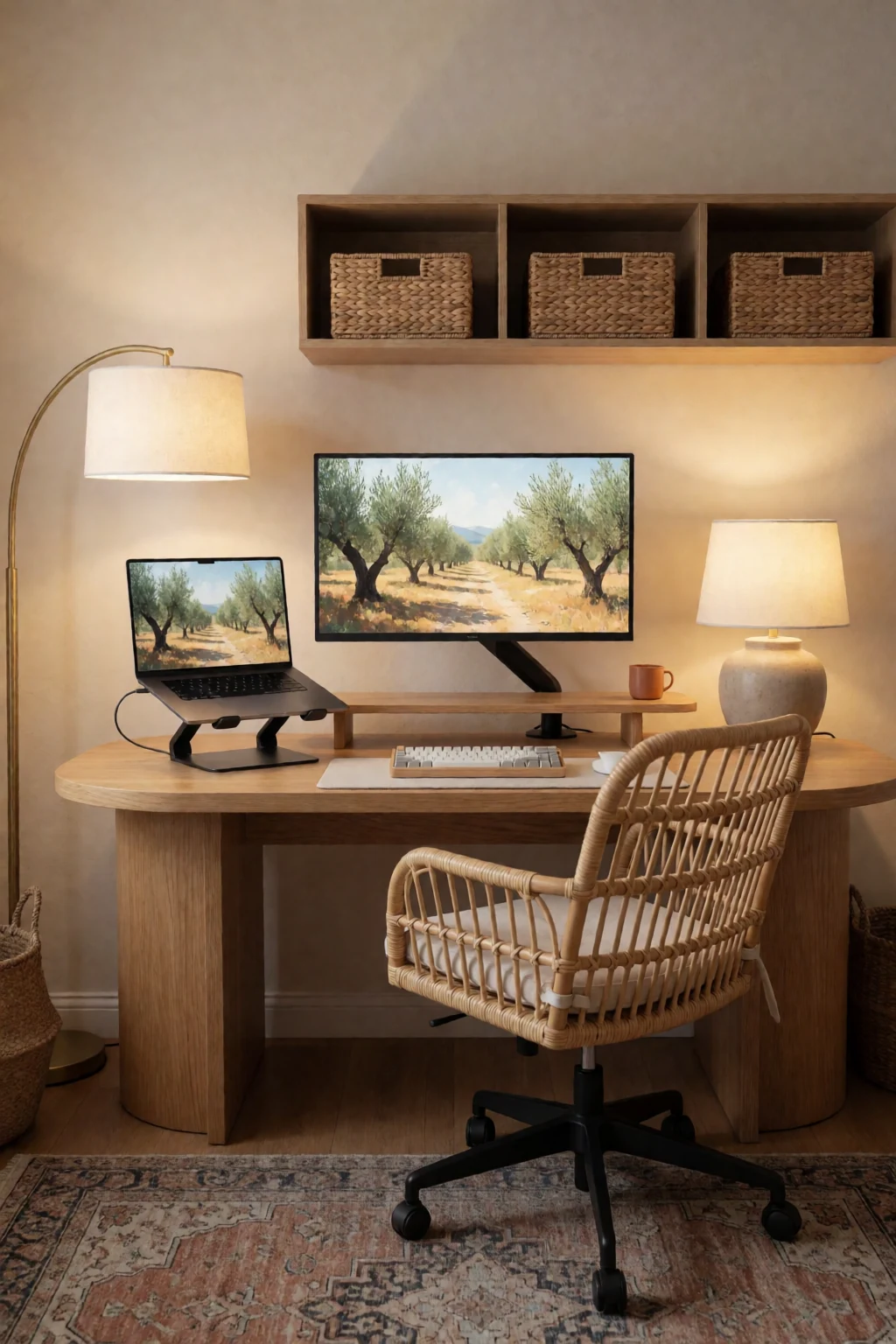 Work & gaming
Desk storage is about electronics and cables; bathroom storage is about water, daily routines and compact wall space.
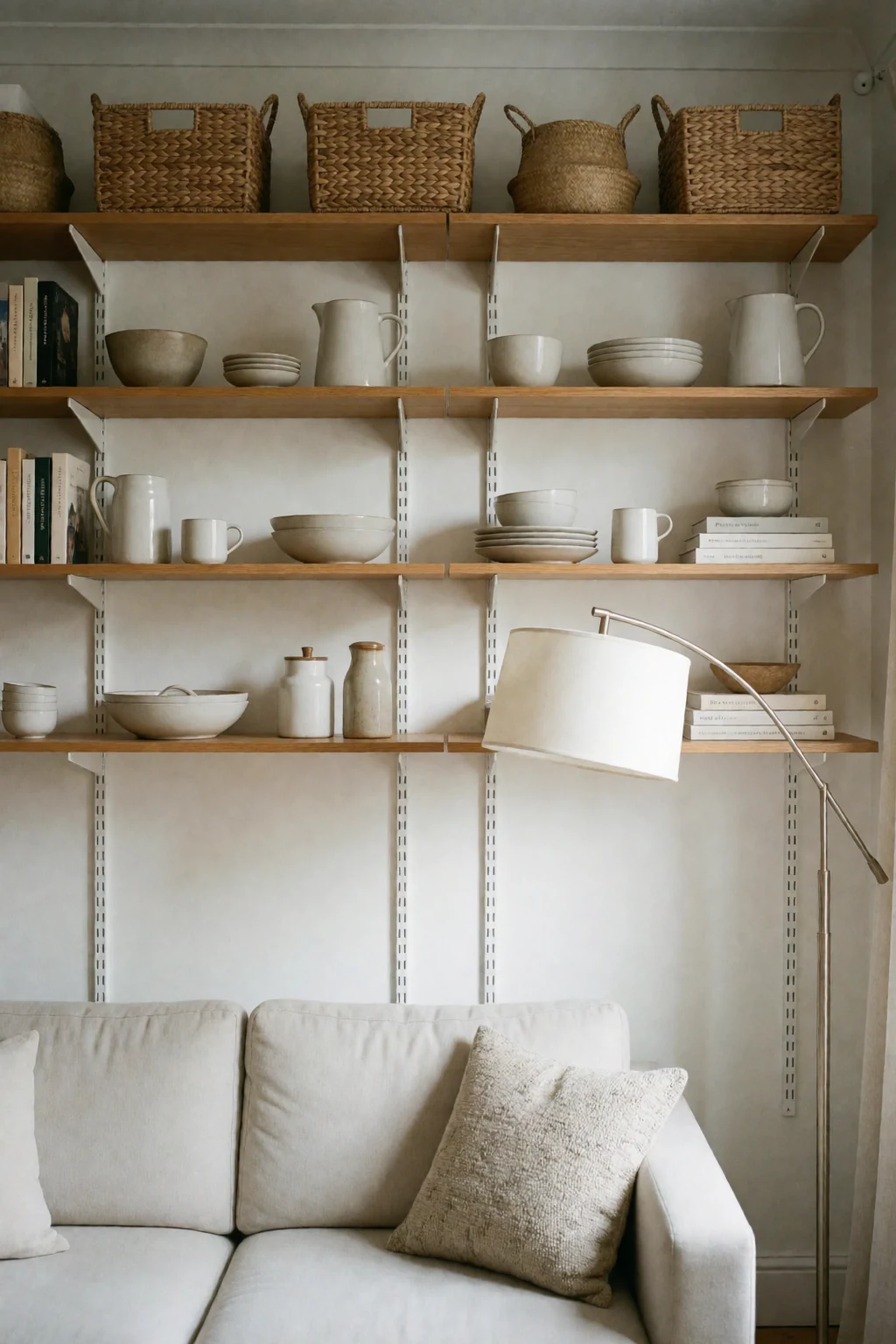 Living room
 storage is shared and on show, while bathroom storage is private and has to stay clean.
Questions
Where do spare towels go with no linen cupboard?
Roll them and stack them on an over-toilet shelf, in a tall wire basket on the floor, or on a floating shelf on a bare wall. Rolled towels take less room than folded ones.
How do I organise under a small bathroom sink?
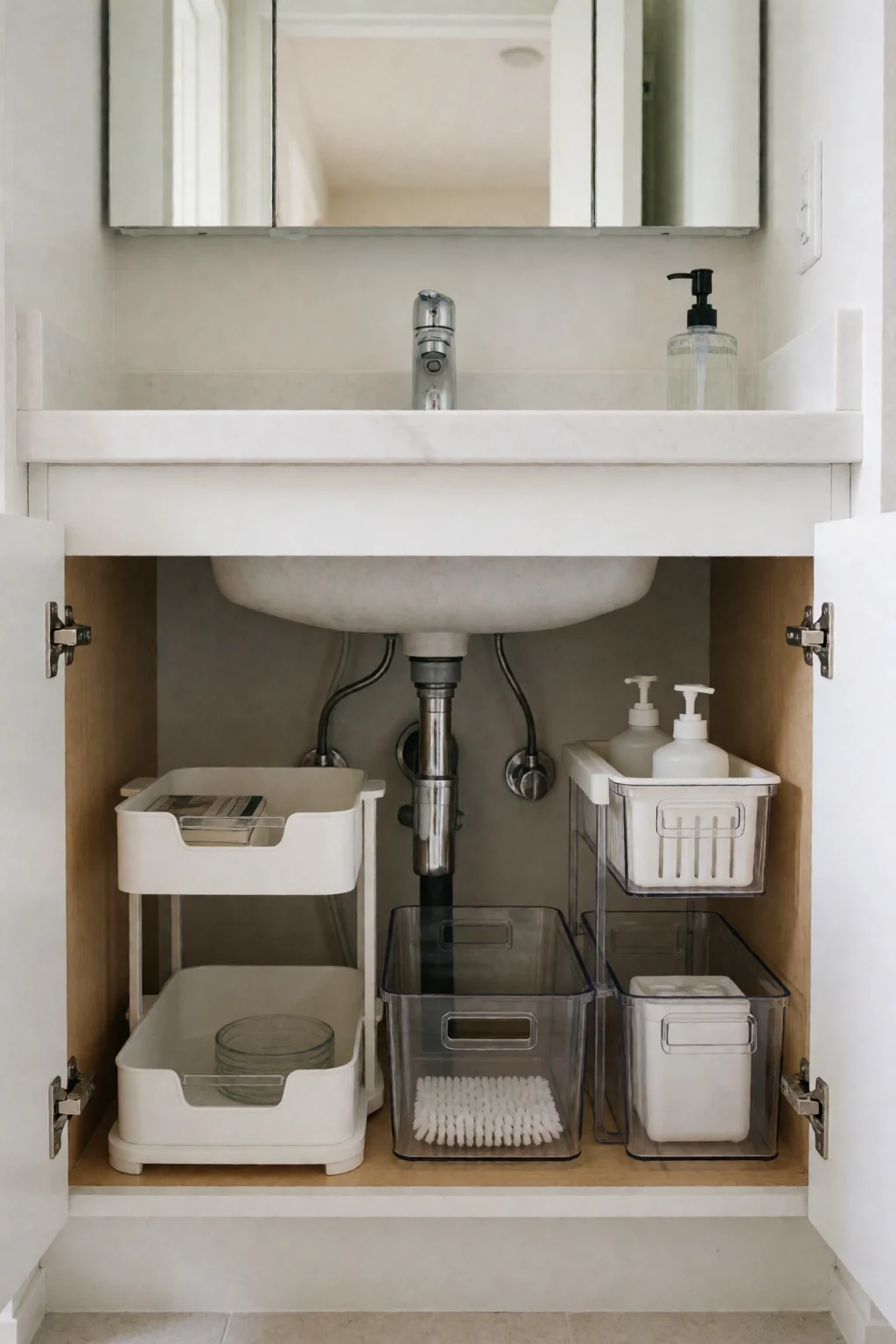
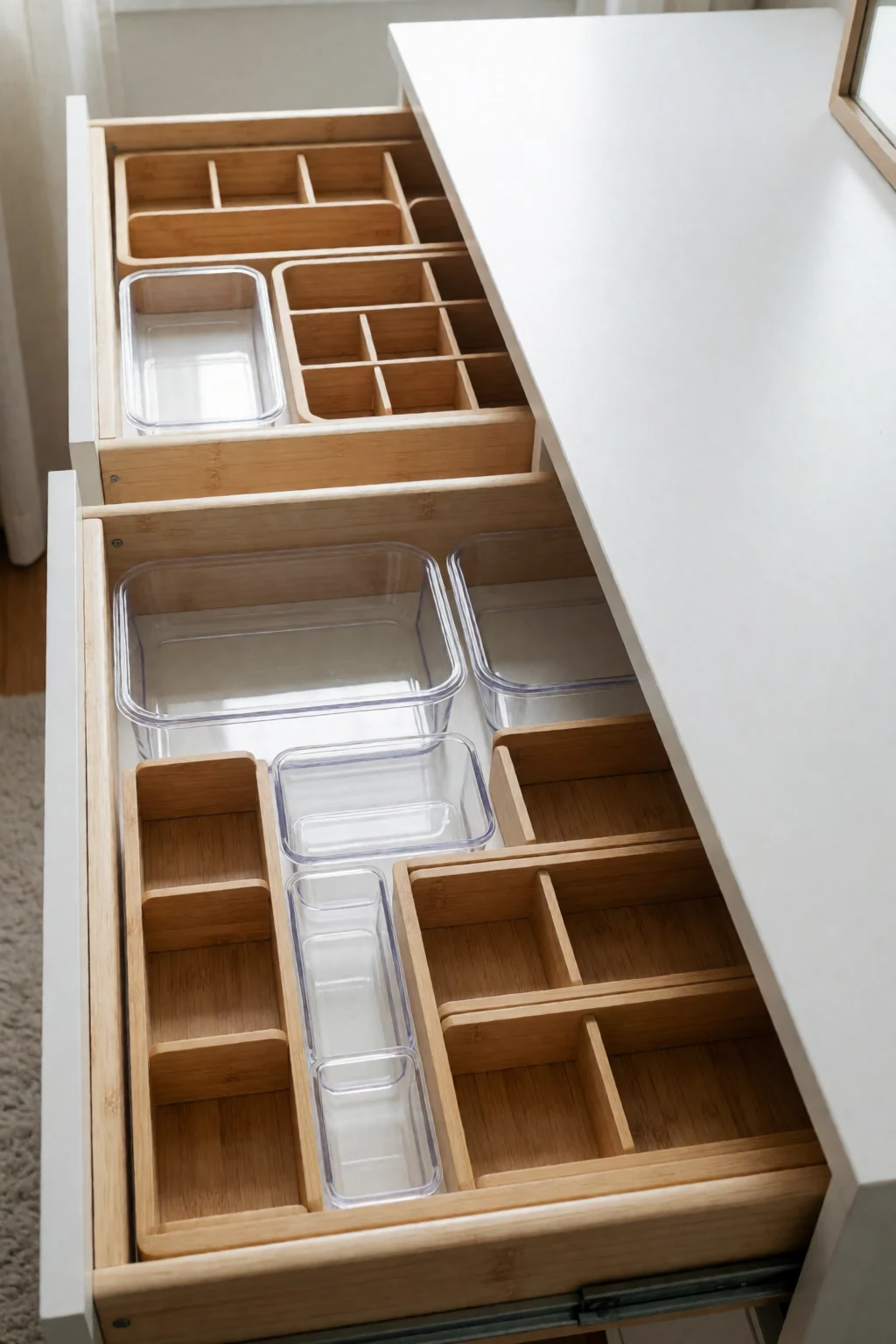
Use clear stacking drawers or a two-tier sliding organiser that fits round the pipes. Put hair products, cleaning products and spare sponges in separate bins so you pull out one container instead of digging.
How do I stop metal storage rusting?
Buy anodised aluminium, stainless steel or acrylic, not cheap plated steel. Run the fan during and for twenty minutes after each shower, and dry metal caddies with a towel once a week.
Where should cleaning products go with small children in the house?
Keep bleach, drain cleaner and other harsh chemicals in a high wall cabinet or a locked box. Only mild everyday cleaners go low down, behind child safety latches.