Room ideas / Bedroom
How to set up a small bedroom that feels calm
A small bedroom feels calm when you can reach what you need from bed, the floor stays clear and you can change the light without getting up.
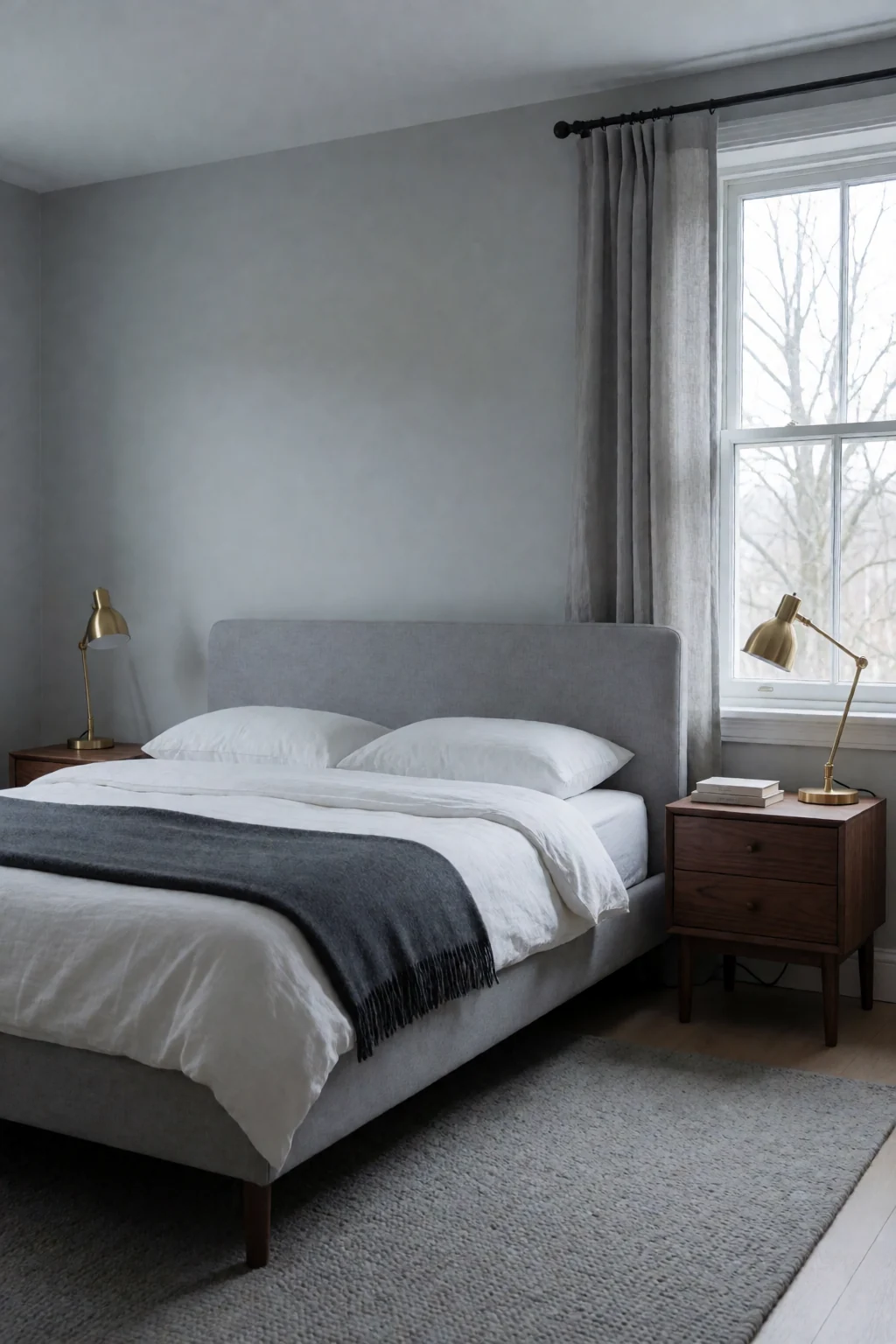
Three rules for a small bedroom
- Put the bed against the longest wall, with at least one side clear to get in and out.
- Use a wall shelf or a narrow table by the bed so your phone and book are in reach without a full nightstand.
- Have two lights: a warm reading lamp you can switch on from bed, and a softer one such as a plug-in wall light or an LED strip.
What a calm small bedroom looks like
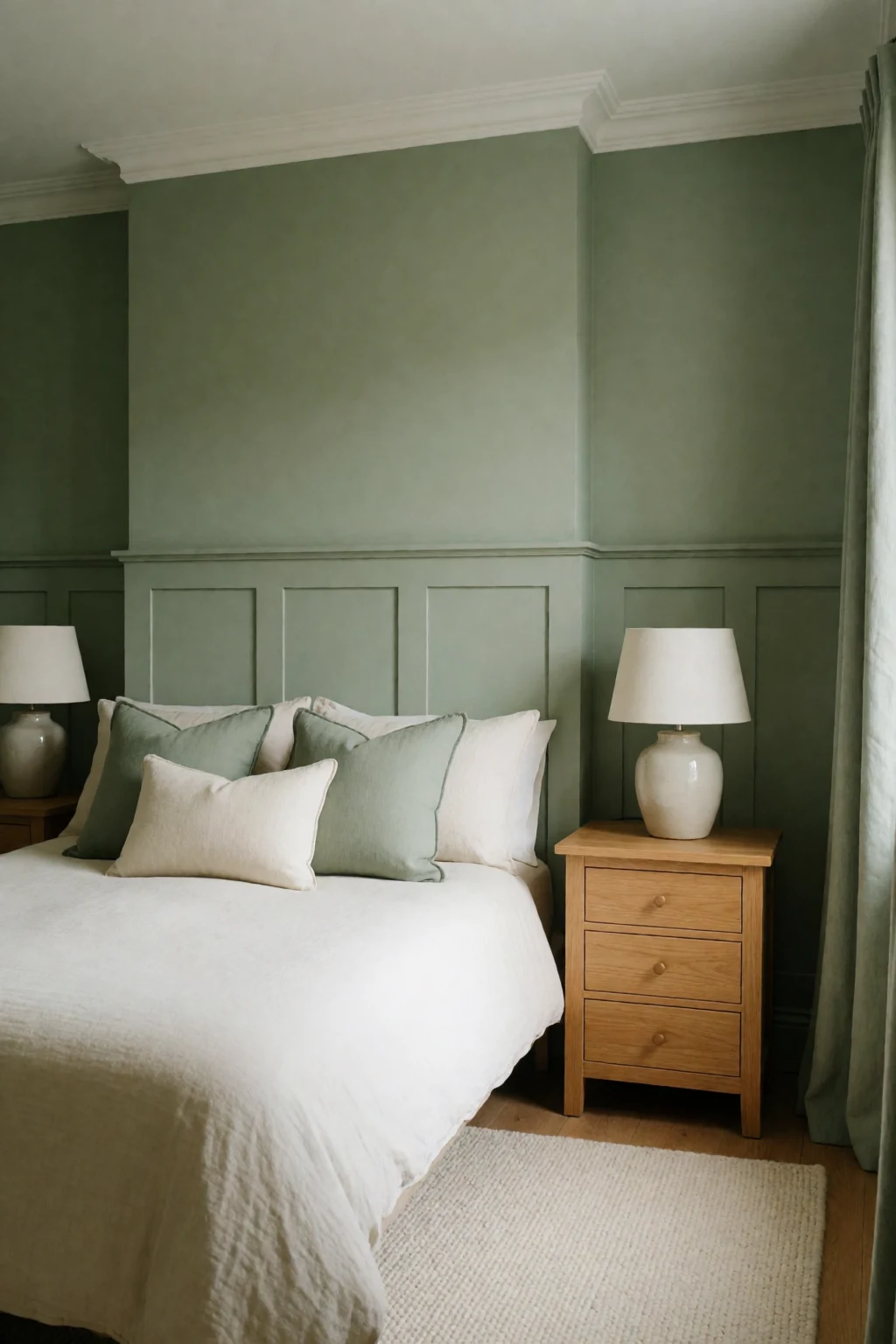
In a small bedroom, everything is arranged around the bed: you can get in easily, your phone and water are within reach, and you can read without getting up. It feels calm because each thing has a place and the floor is mostly empty.
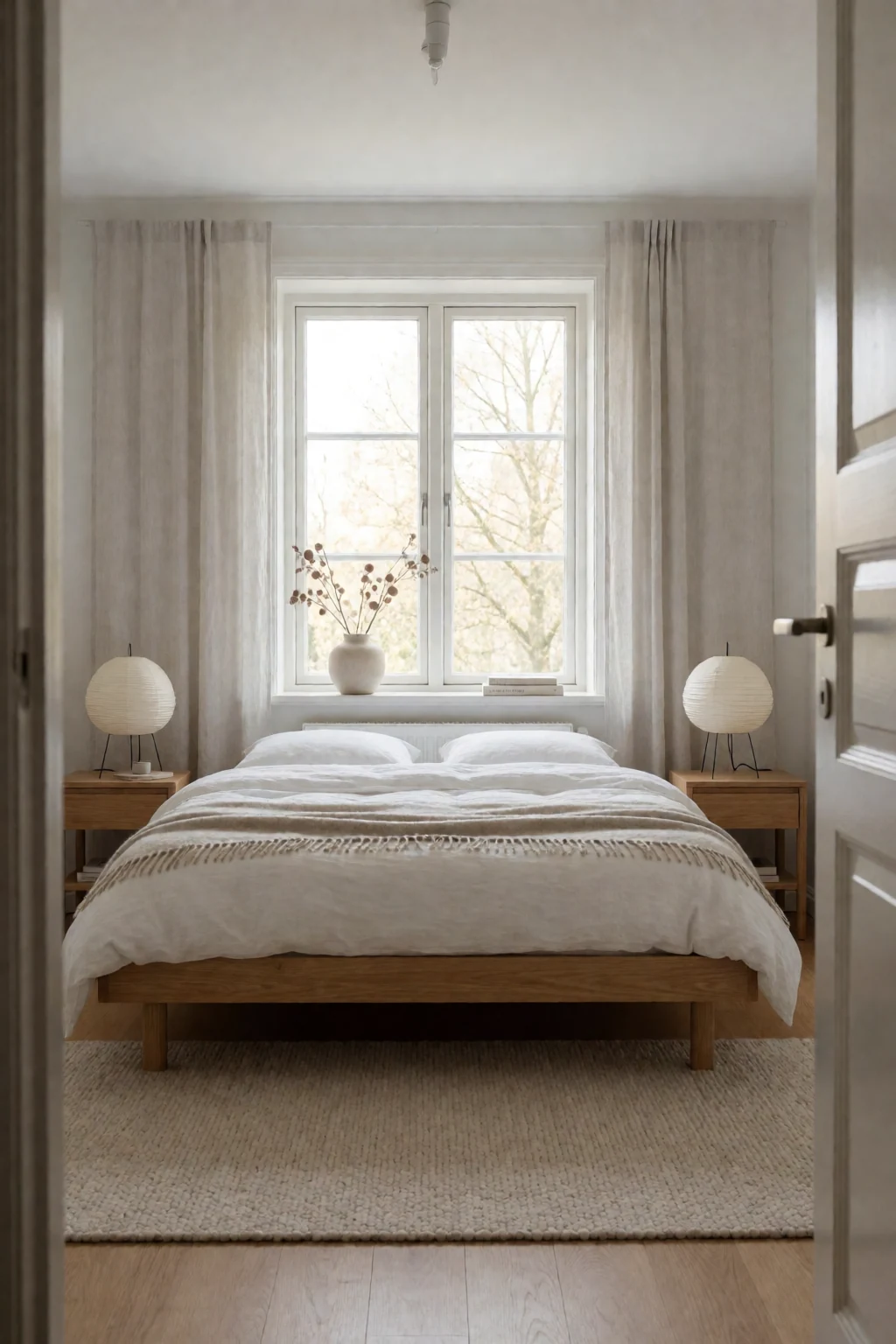
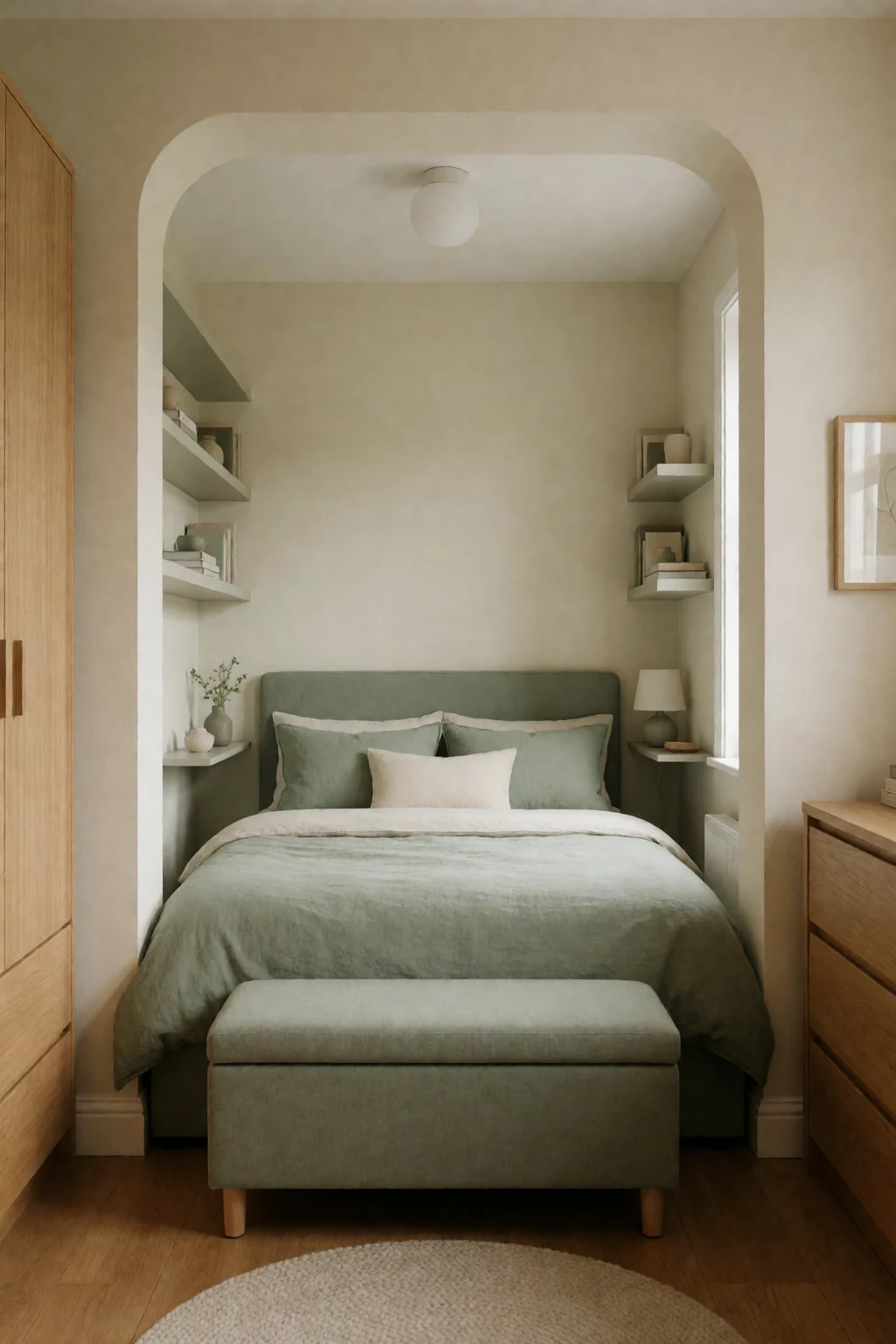
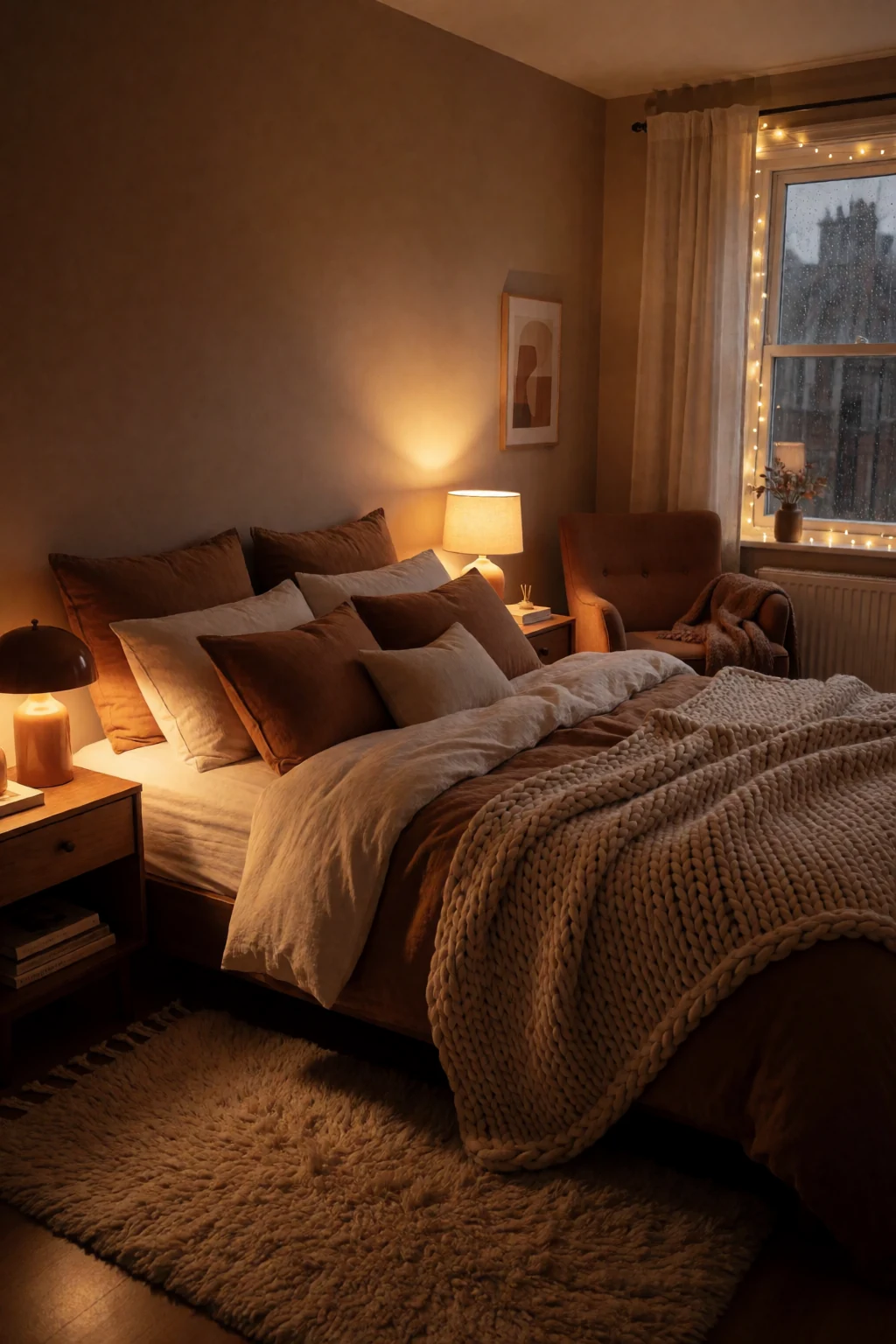
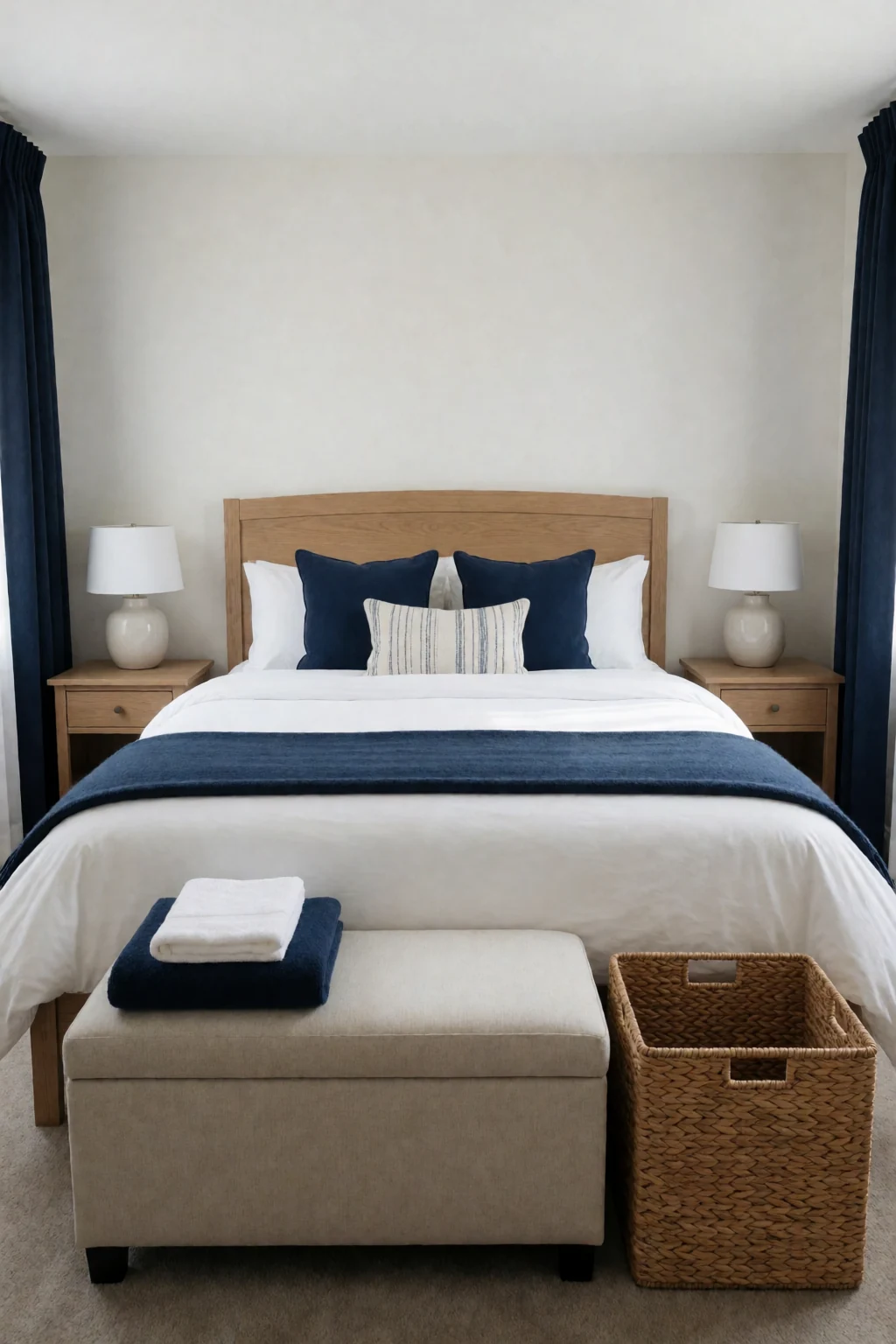
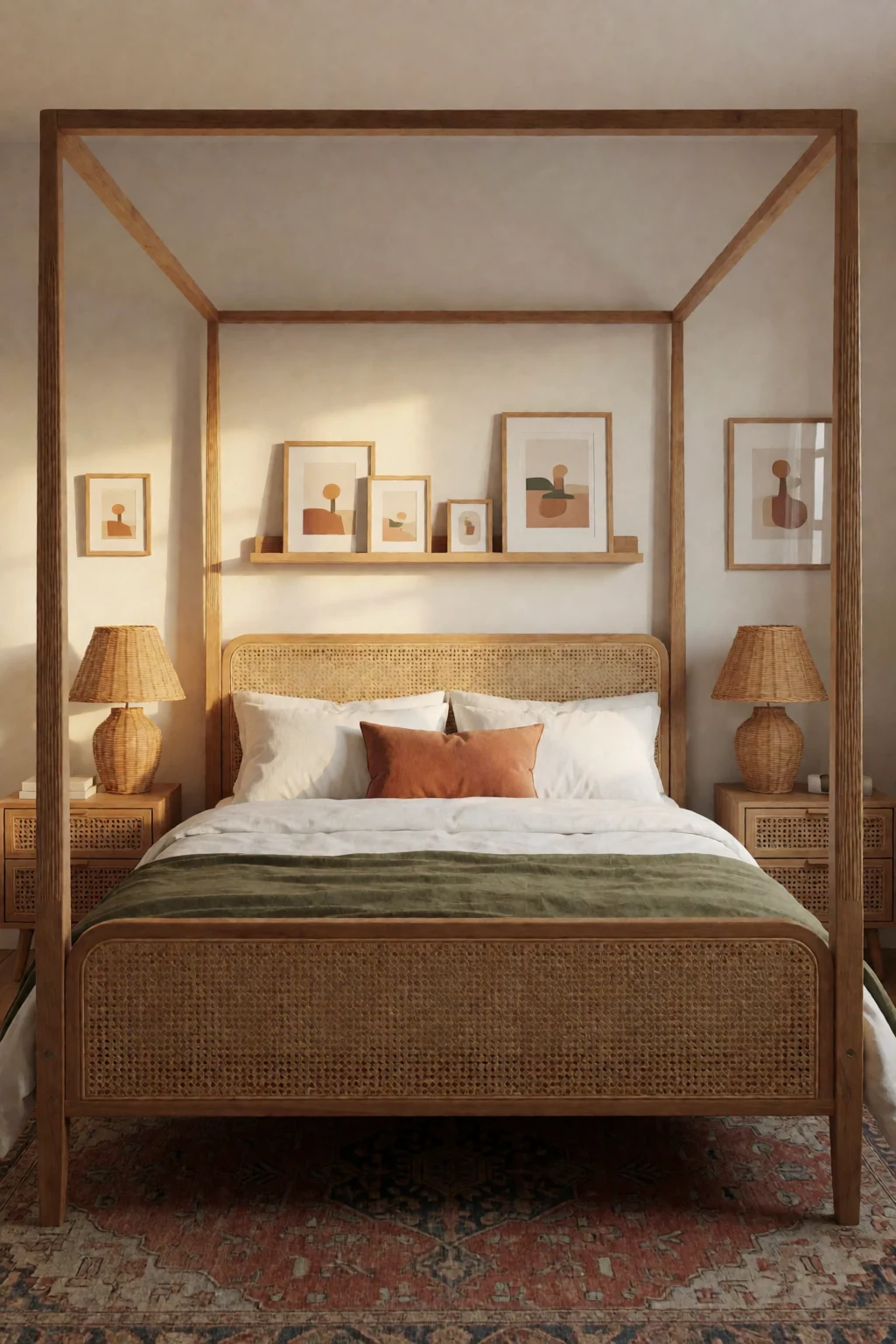
What you see is a clear bedside surface (often a wall shelf or a pocket hung on the bed frame instead of a bulky table), a warm lamp pointed where you read, and bedding in related colours like ivory, sage and oatmeal with little pattern. A rug sits under the bed and the decor stays small: one print, one vase, a throw at the foot.
The bed usually goes against a wall to free up the floor, storage climbs the walls, and nothing blocks the path to the door. Compared with a guest room, everything here has to earn its place every day.
Five bedside setups
- Wall shelf and reading light
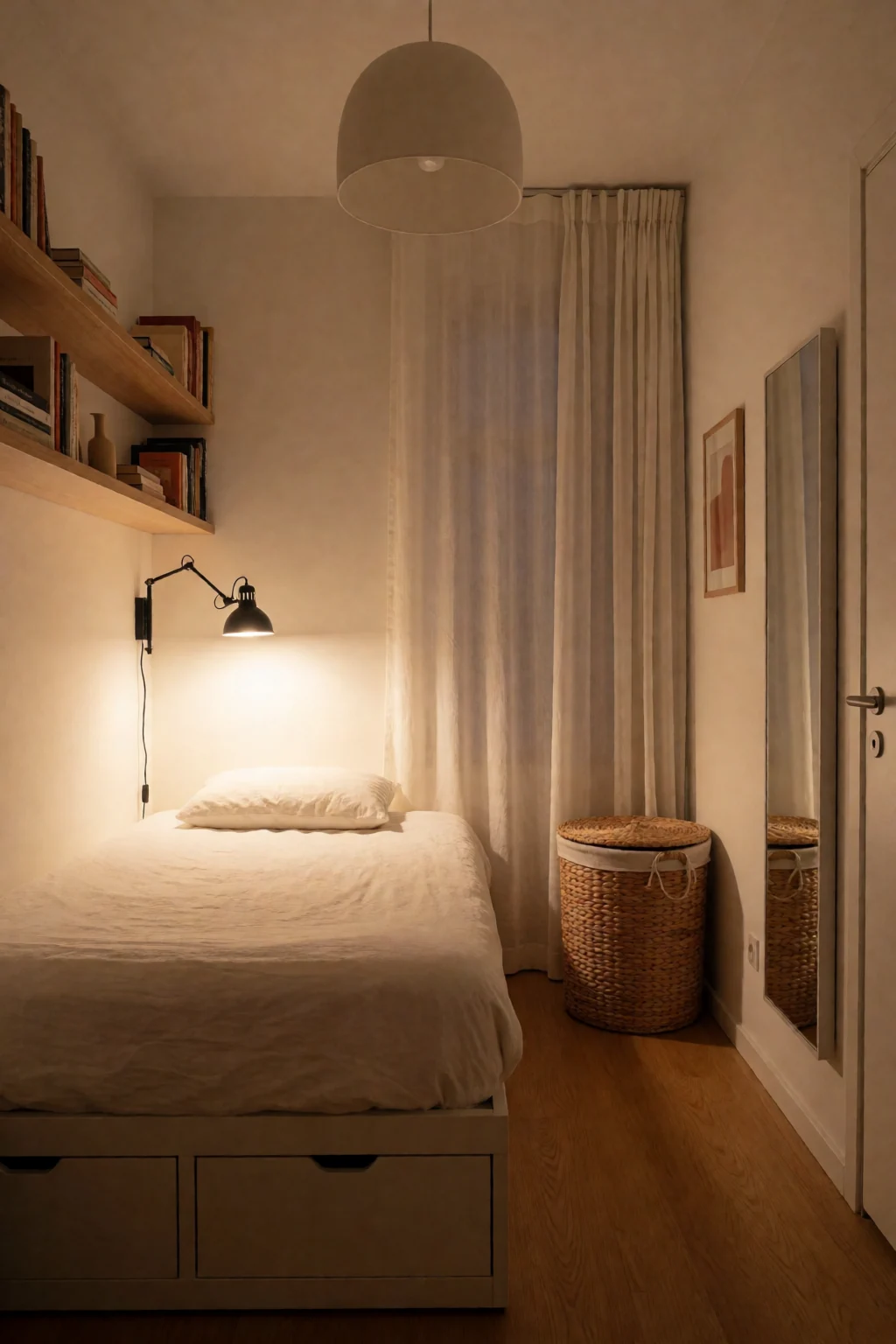
- A floating shelf at mattress height for your phone, book and a small vase, with a plug-in reading light on an arm above it. It works on any wall and costs less than a nightstand.
- Bed pocket and small lamp
- A fabric pocket hung on the bed frame for remotes and glasses, and a small table lamp on a narrow surface or a stool. Use a wall-mounted lamp if there is no surface.
- Basket and warm LED strip
- A low woven basket under the edge of the bed for spare blankets or tomorrow's clothes, and a warm white LED strip along the headboard or under a shelf. More storage and softer light, with no new furniture.
- Small table, print and throw
- A small table with a drawer for a lamp and your morning things, one framed botanical print above the headboard and an oatmeal throw folded at the foot. It looks finished without crowding.
- Floating drawer, sheers and a rug
- One wall-mounted drawer as a nightstand, ivory sheer curtains and a natural woven rug under the bottom third of the bed. It keeps the floor open and adds texture.
Measure and plan first
- Where the bed fits
- Measure the wall and the door swing before you push the bed against it. Leave at least 24 inches on the side you use most, and do not block the wardrobe or a window you open. In a very narrow room, check whether you can make the bed from one side.
- Light for reading and for winding down
- One ceiling light rarely works for either. Choose a bedside lamp with a shade that throws light down, or a plug-in wall light on an adjustable arm, plus a softer second light so the room is not either bright or dark. Make sure both switches reach the bed.
- Storage that does not trap you
- A tall dresser or wide nightstand can leave you squeezing between the bed and the wall. Wall shelves, under-bed baskets and a narrow table close to the frame take less space. Over-door organisers add room without using floor.
- What to buy first
- Sort out the light and the bedside before any decor. A plug-in reading light and a wall shelf or basket fix the most common annoyances and cost far less than a new bed. Try a stool you already own as a nightstand. Throws, cushion covers and a rug can come later, over two or three orders.
Start at the bedside
Clear the bedside and list what you reach for at night and first thing in the morning: phone, water, book, glasses, hand cream. If you have no surface there, measure the gap and decide between a narrow table, a wall shelf or a hanging pocket. A floating shelf takes most people under an hour with basic tools, and it ends the phone-on-the-floor habit straight away.
Then the light. For reading in bed, you need a lamp you can reach, either a plug-in wall light above the shelf or headboard, or a small table lamp with a warm white bulb. Add a softer second light, like an LED strip under a shelf or a small lamp on the dresser, so you can dim the room without turning everything off. Textiles come last: a throw at the foot, a rug under the lower part of the bed, cushion covers in sage or oatmeal. Add them over a few weeks.
Shop the pieces
16 bedroom pieces
Links open similar items, not the pictured ones.
-
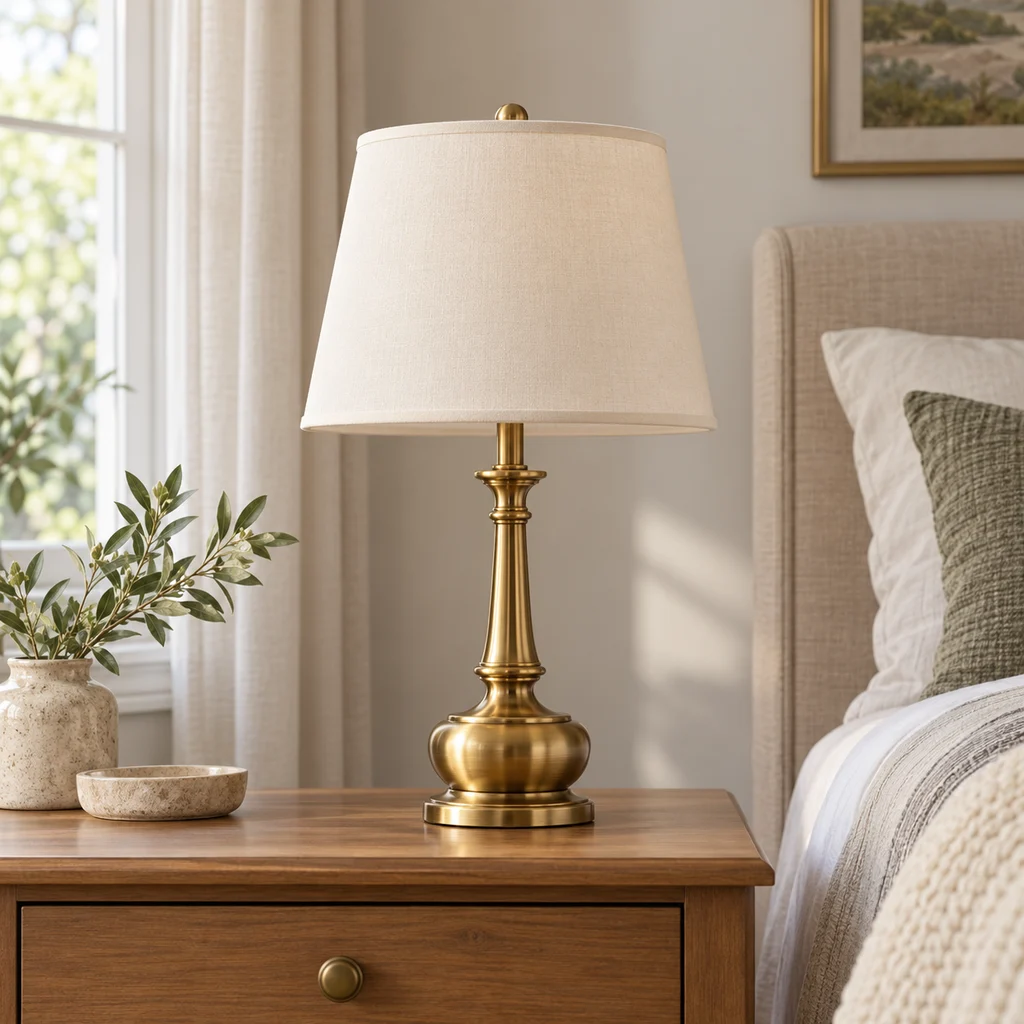
Bedside lamp
What to check
Measure from the nightstand top to your shoulder when sitting up in bed. A lamp whose shade ends near that height lights a book without glare.
-
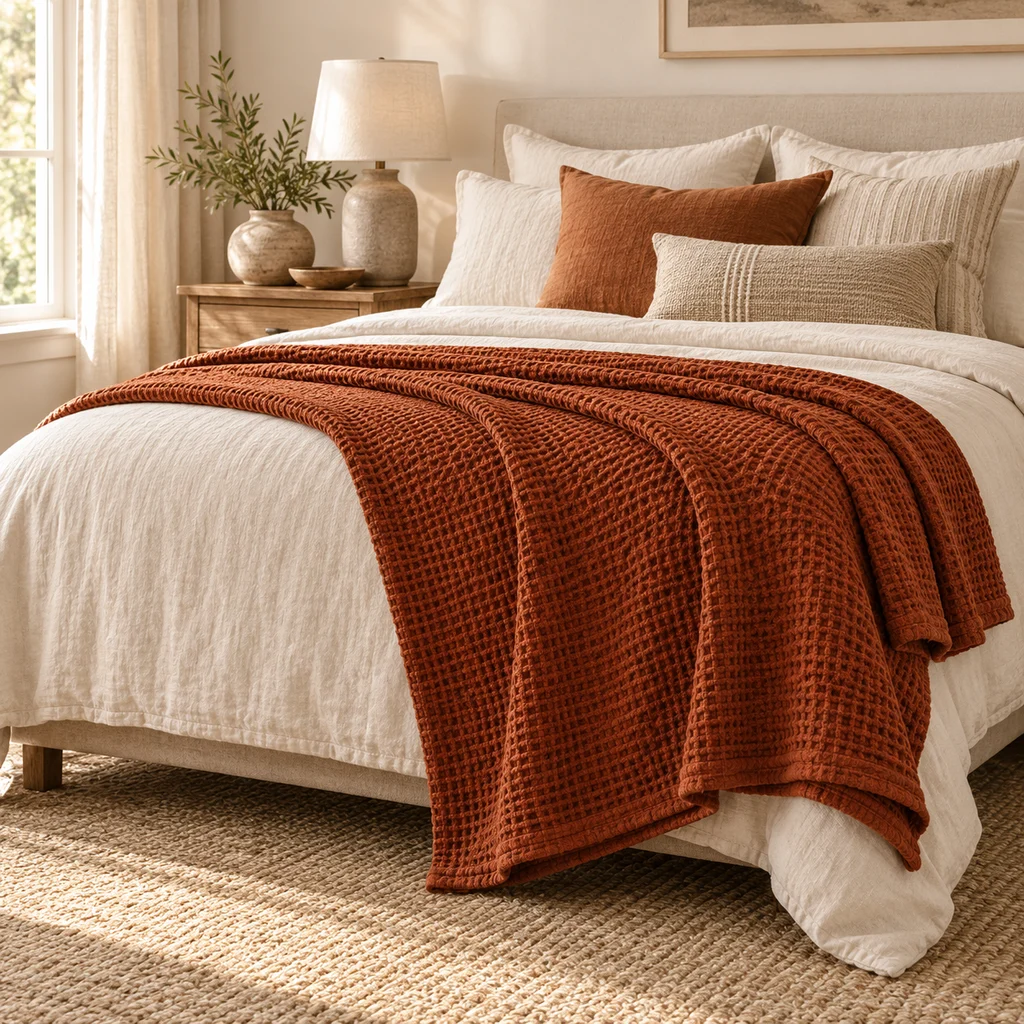
Cotton throw
What to check
Check the throw size against the bed or sofa it will sit on. A small throw reads as an accent; a larger one can cover your lap and feet.
-
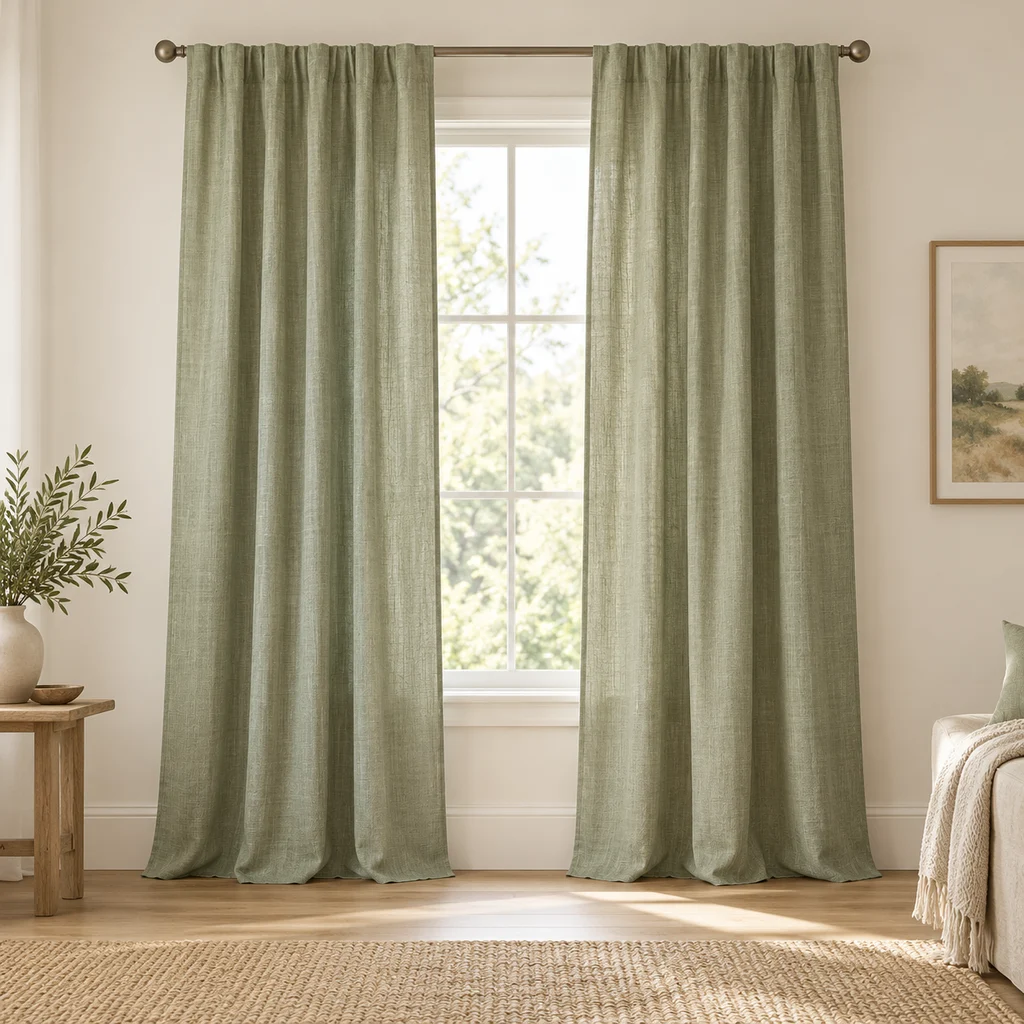
Linen curtains
What to check
Measure the window width and the drop from the rail to the floor. Curtains look fuller when the pair together is about twice the window width.
-
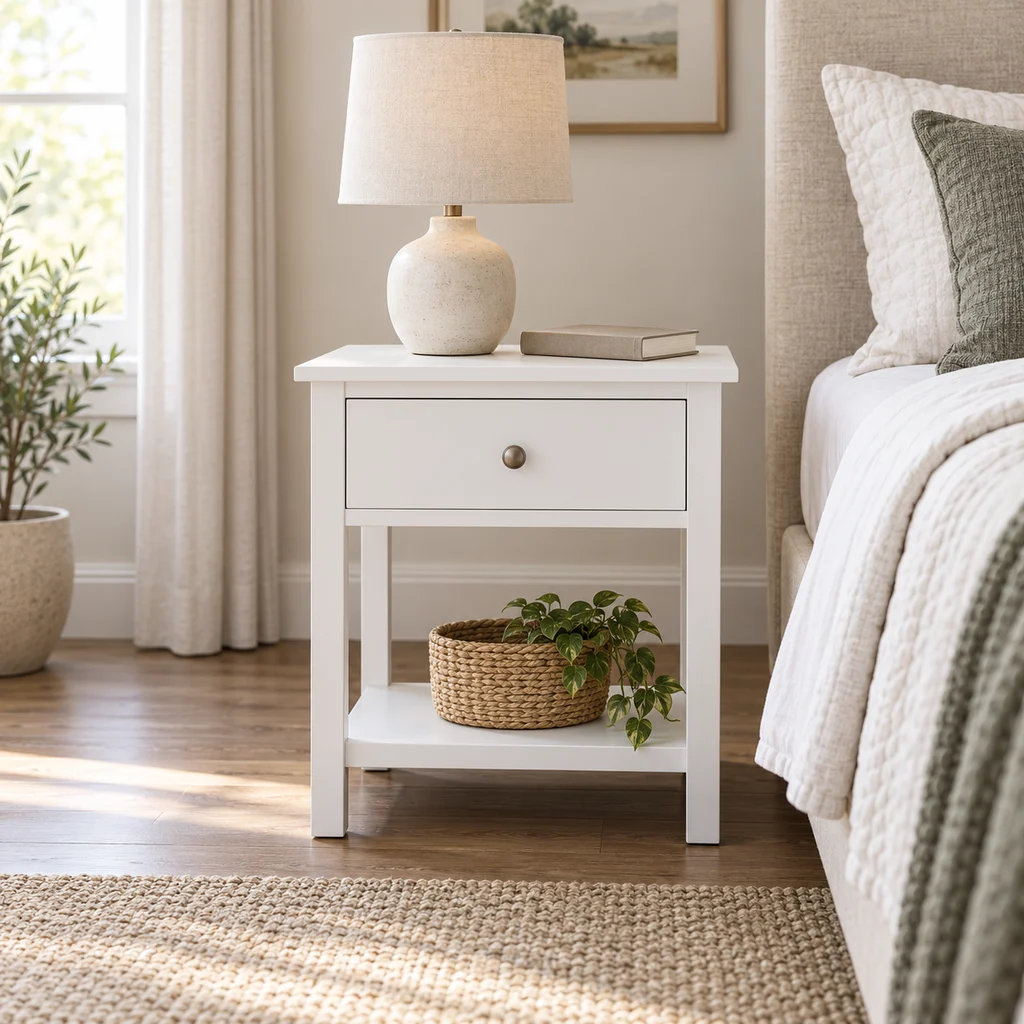
Nightstand
What to check
Match the nightstand top to your mattress height, within a few inches, so a glass or phone is easy to reach lying down.
-
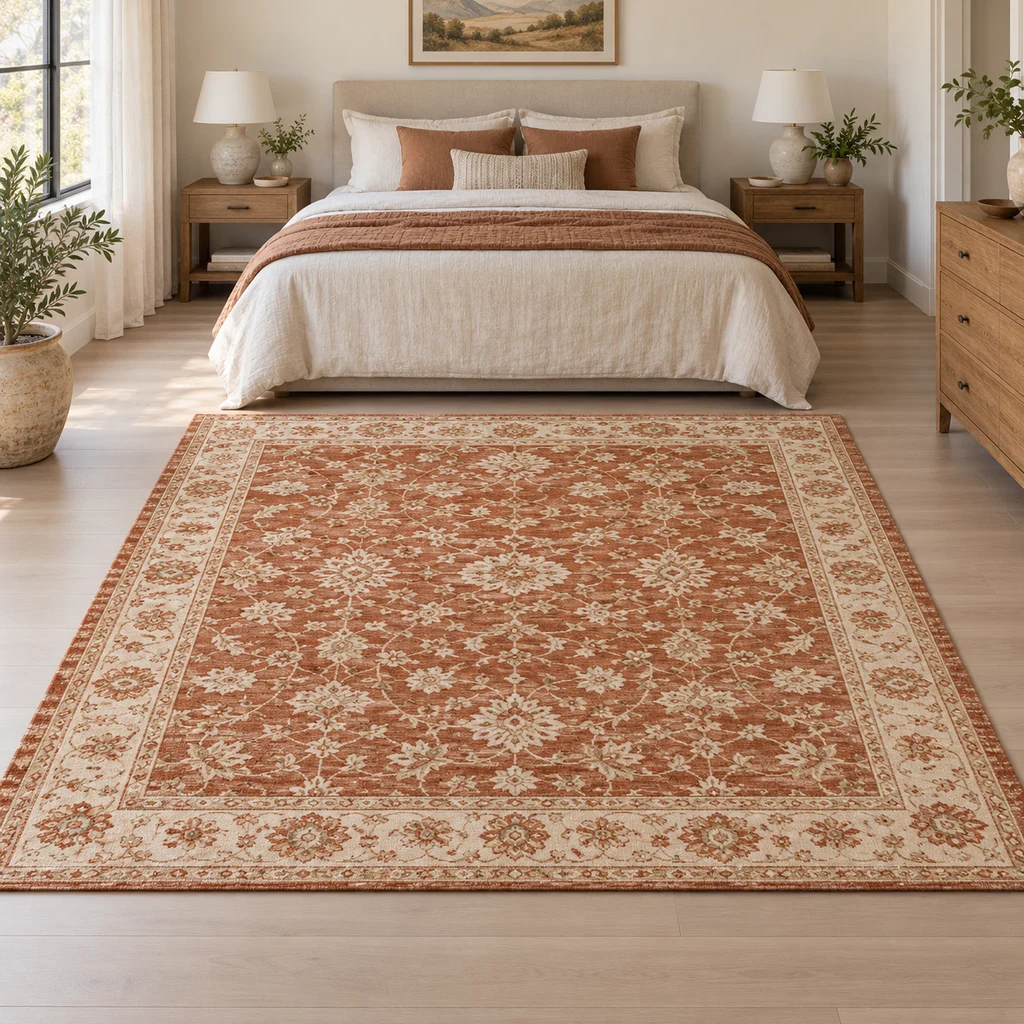
Patterned rug
What to check
Washable rugs are thinner than tufted ones. Add a non-slip pad if the rug sits where you walk in socks.
-
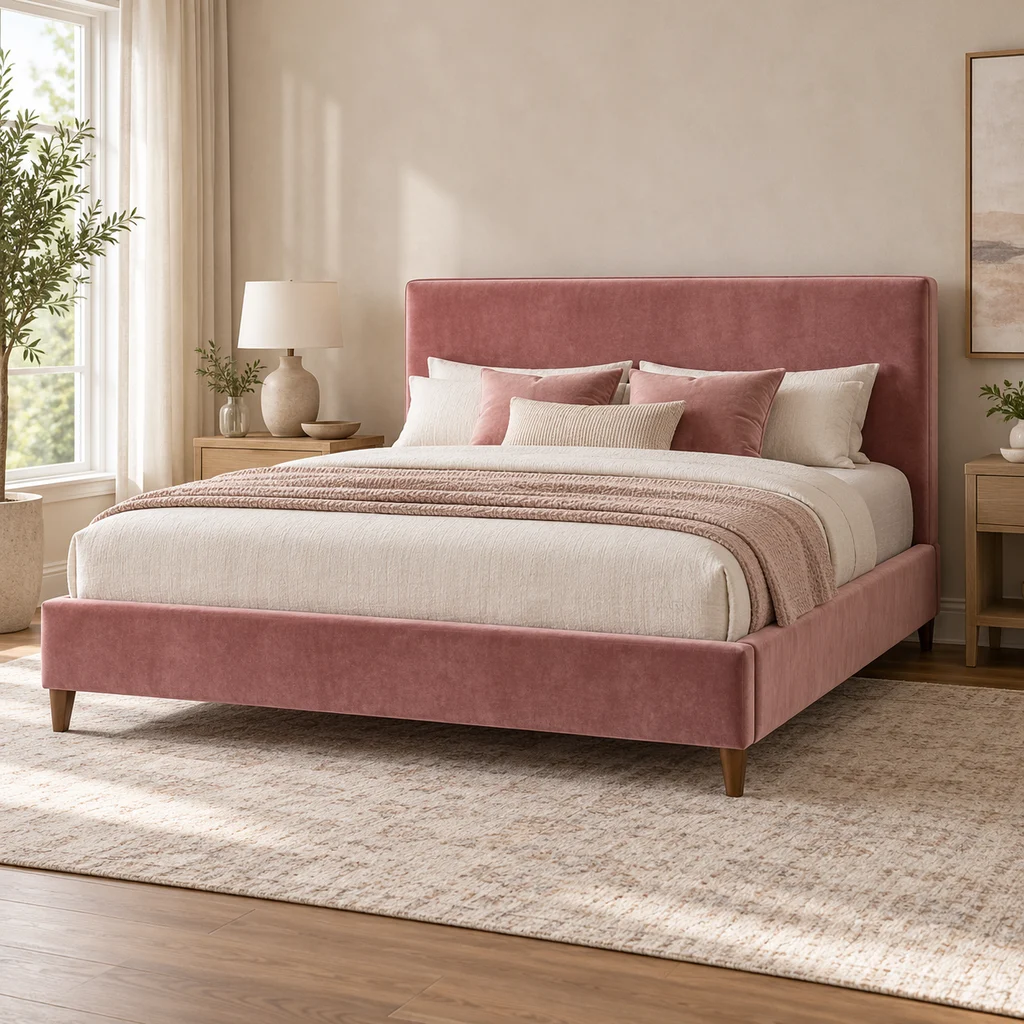
Upholstered bed
What to check
Velvet and fabric headboards show dust and pet hair. Check whether the cover can be vacuumed or spot cleaned.
-
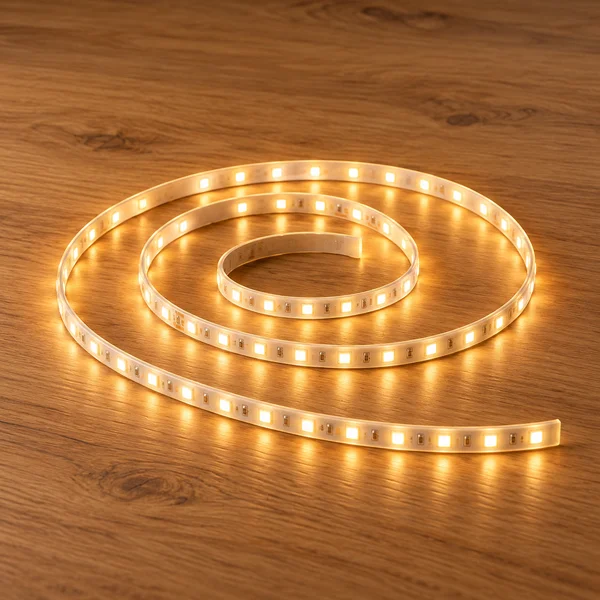
Warm white LED strip light
What to check
Measure the length you want to light and check the warm white colour temperature suits the room.
-
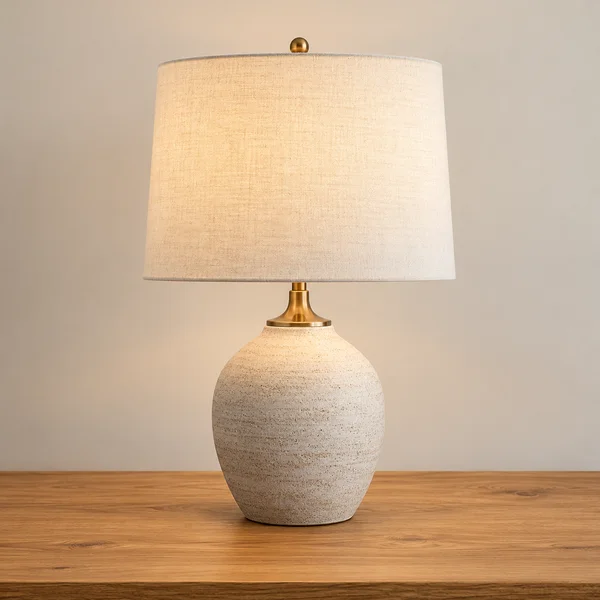
Bedside table lamp with shade
What to check
A shaded lamp spreads soft light. Check the bulb type and the shade height against your bedside table.
Show all 16 pieces
-
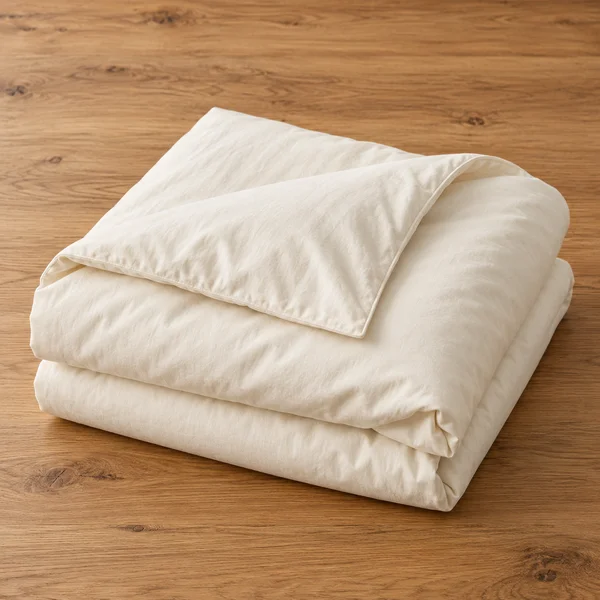
Ivory cotton duvet cover
What to check
Ivory shows marks sooner than darker colours. Check the fabric and care label before you buy.
-
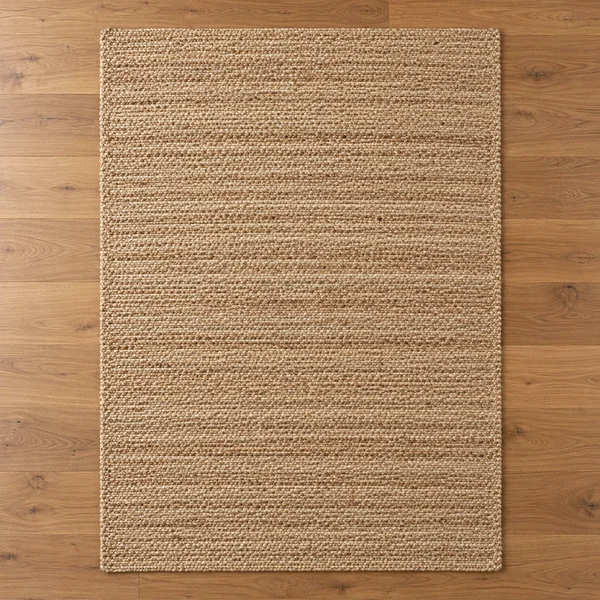
Natural woven bedroom rug
What to check
Jute is hard-wearing but coarse underfoot. Check the size against your bed so the rug extends past the sides.
-
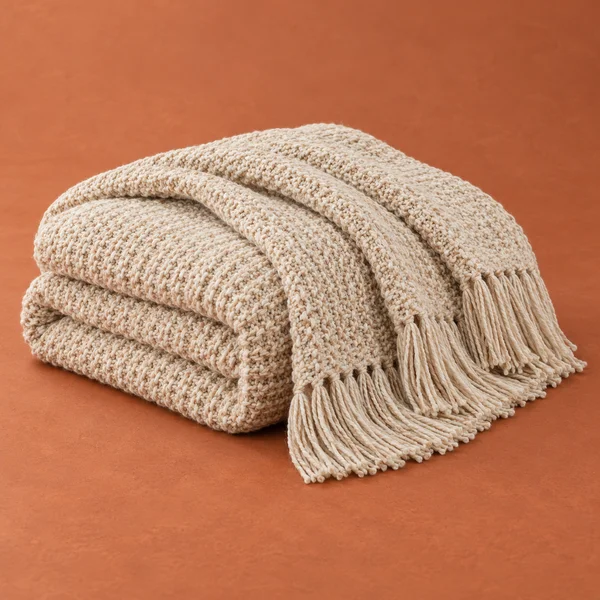
Oatmeal knit throw blanket
What to check
Chunky knits can snag on rough surfaces and pet claws. Check the care label before you buy.
-
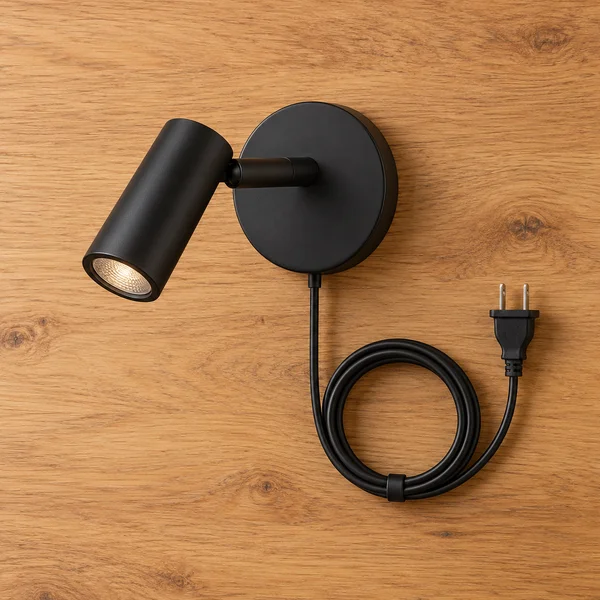
Plug in wall reading light
What to check
Mount the light high enough to clear your head when sitting up, and check the plug reaches an outlet.
-
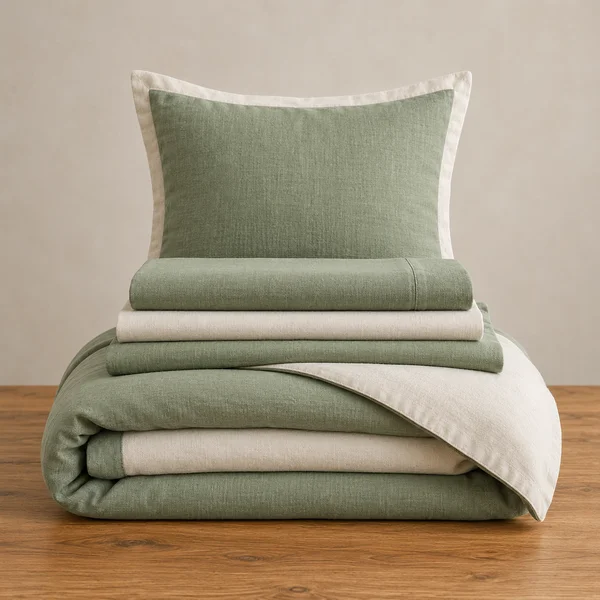
Sage green ivory bedroom decor
What to check
Check the quilt dimensions against your mattress size, especially if you want it to hang over the sides.
-
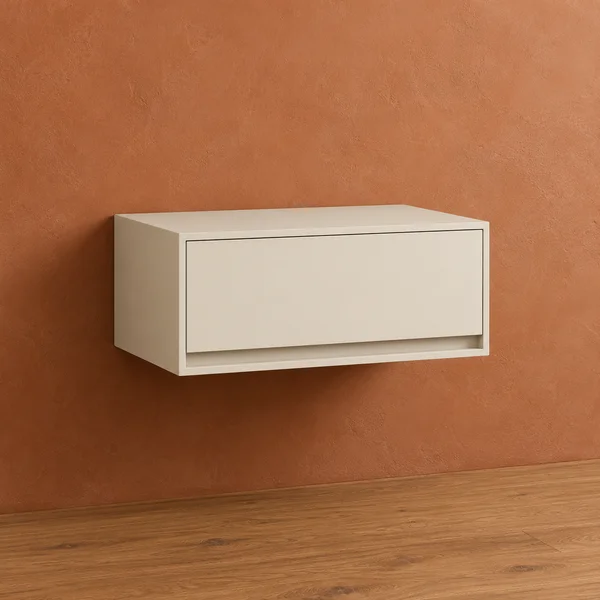
Wall mounted bedside drawer
What to check
Wall-mounted drawers need solid fixings and leave the floor clear. Mount them at a height you can reach from bed.
-
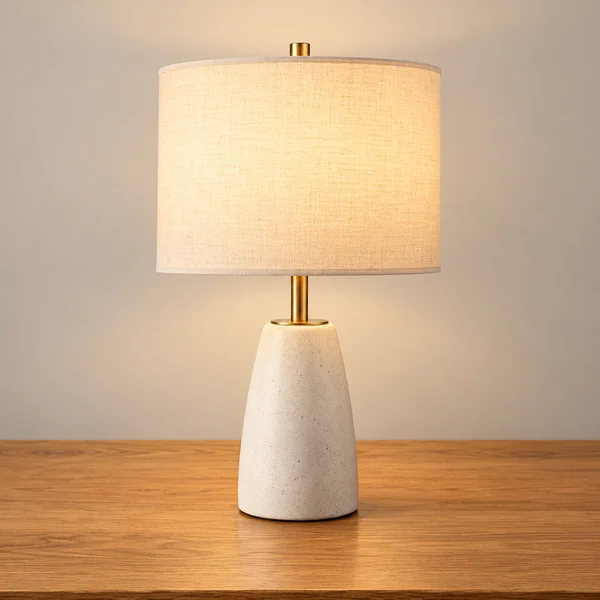
Bedside reading lamp
What to check
Check the lamp's height and dimming range. A touch base is easy to find in the dark.
-
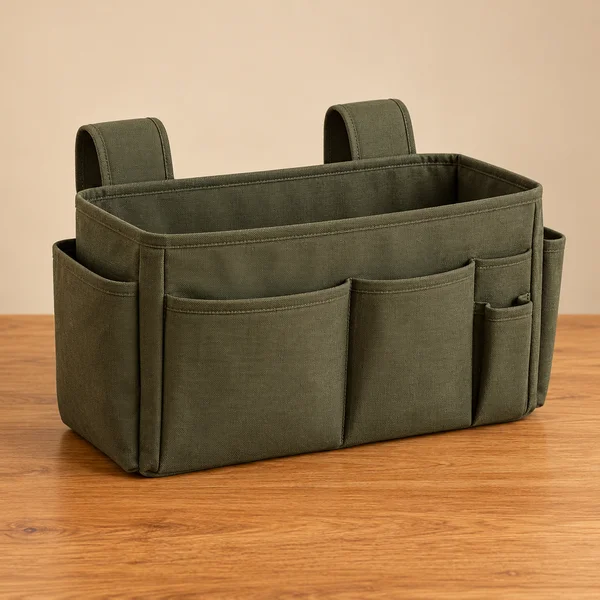
Bedside storage basket
What to check
Measure the gap between the mattress and the wall or frame. A bedside caddy needs a firm mattress edge to tuck under.
The gallery
8 bedroom looks
Open a look to see its pieces.
Keep exploring
Related guides
 Work & gaming
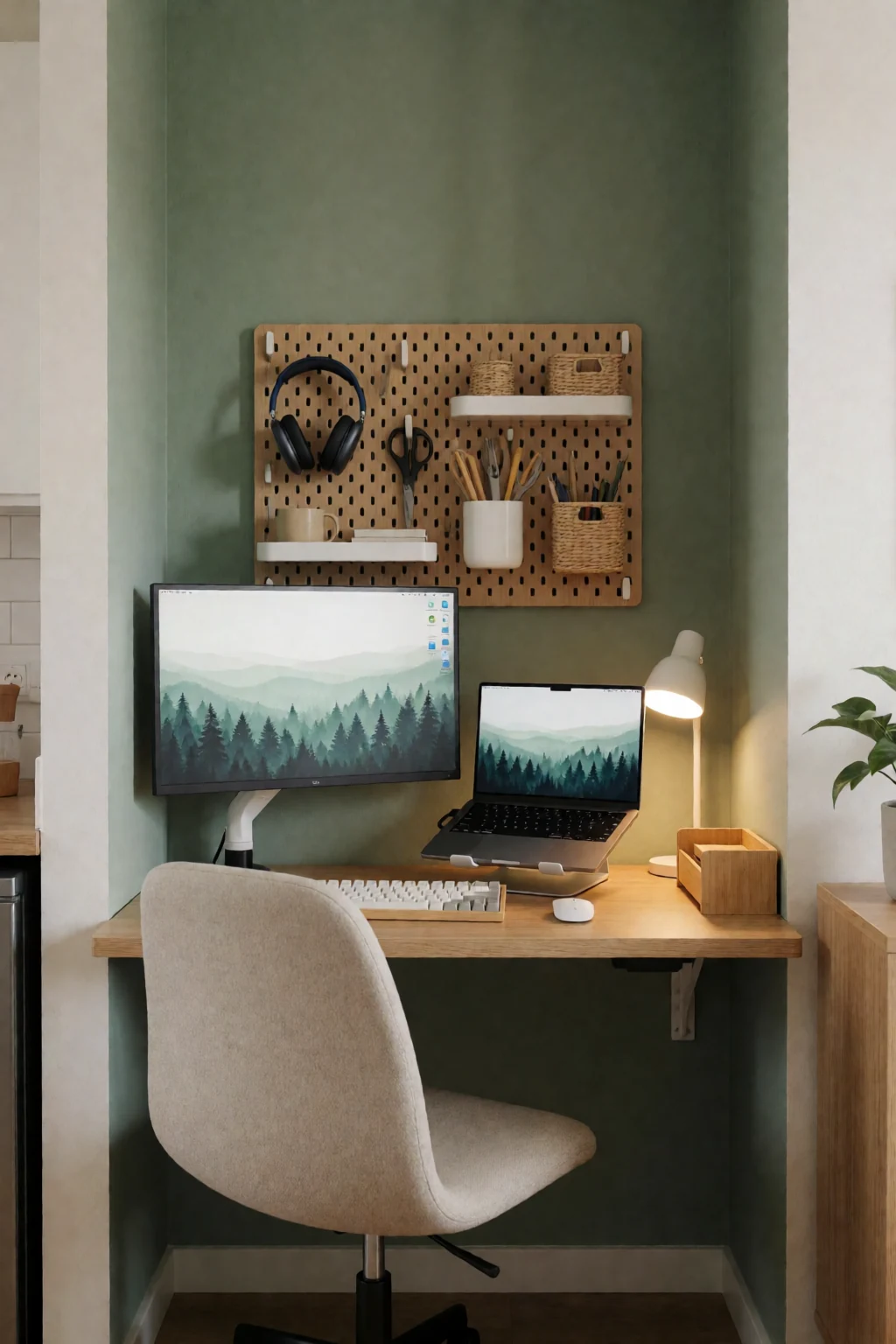
A desk setup is about screen light and cables, while a small bedroom is about what you can reach from the bed.
 Bathroom
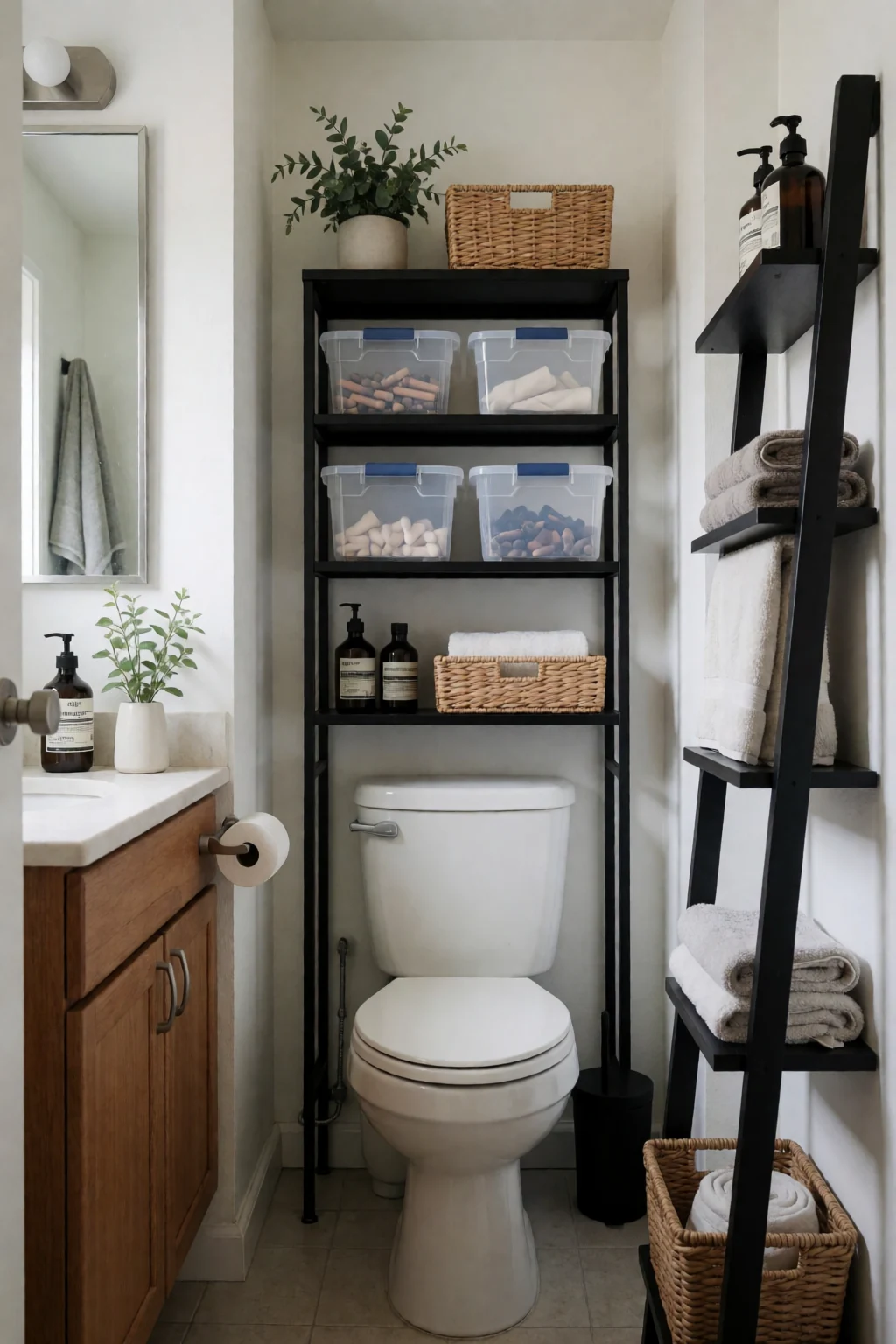
 counters group daily things in trays and caddies on a flat surface, while a bedroom stores upward and under the bed to keep the floor clear.
 Living room
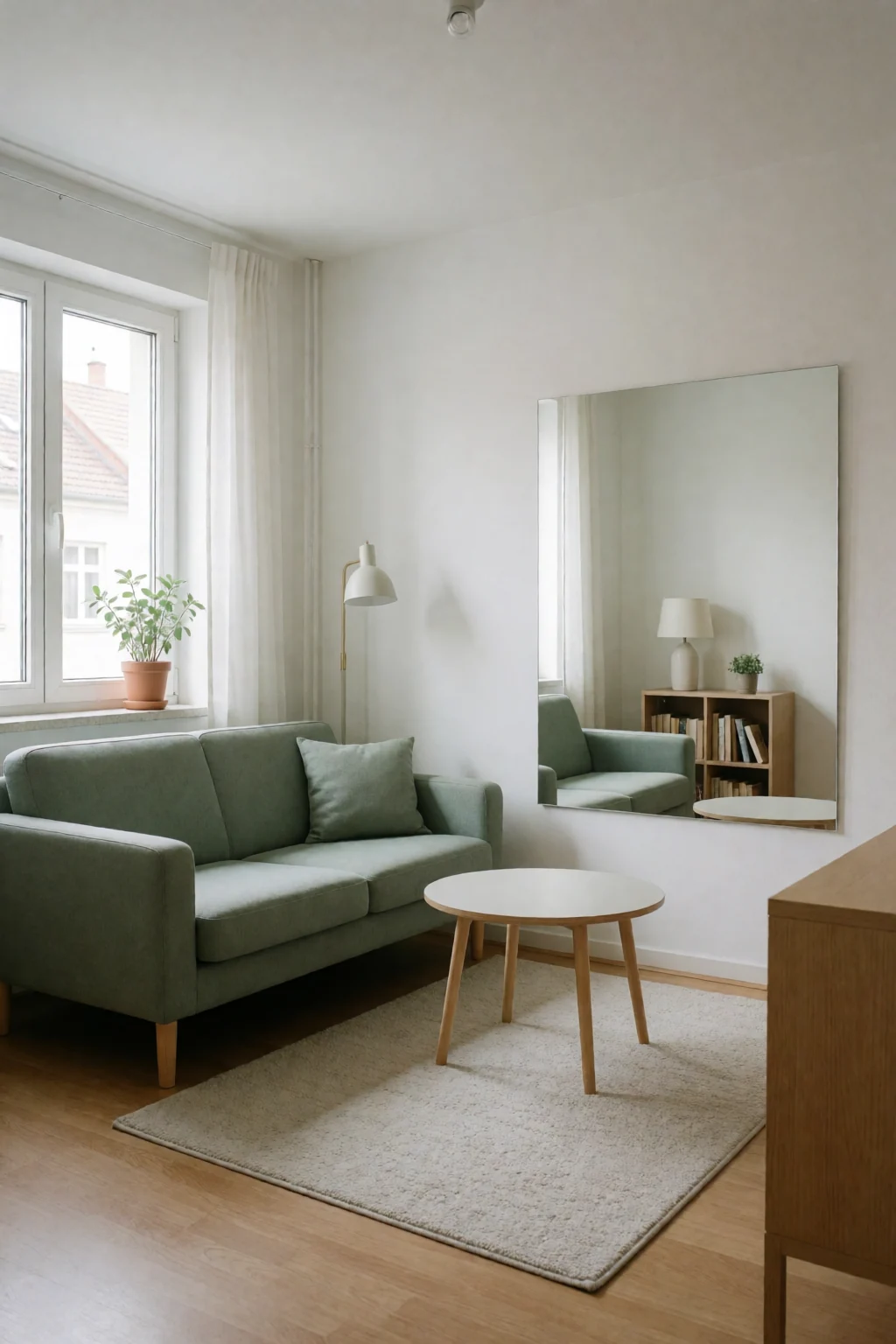
A living room is arranged around seats for several people; a small bedroom is arranged around one person lying down.
Questions
What can I use instead of a nightstand?
A floating shelf at mattress height, a fabric pocket on the bed frame, or a small stool or plant stand you already have. A wall-mounted drawer works if you want somewhere to hide things.
How do I light a small bedroom without a ceiling light?
A plug-in wall reading light over the bed, plus a small lamp or LED strip on a shelf or dresser. Plug-in lights need no wiring. A floor lamp in a corner can stand in for a ceiling light.
Where should the rug go?
Under the lower half or third of the bed, so it sticks out on both sides where your feet land. In a very narrow room, a runner along one side does the job.
Where do I keep spare blankets?
In a low woven basket that slides under the bed, or on a shelf above the headboard. An open basket is easier to reach than a lidded under-bed box.