Room ideas / Bathroom
How to organise under the bathroom sink around the pipes
Under-sink storage works when you plan around the U-shaped trap, keep the shut-off valves reachable, use clear bins that slide out, and put daily things at the front.
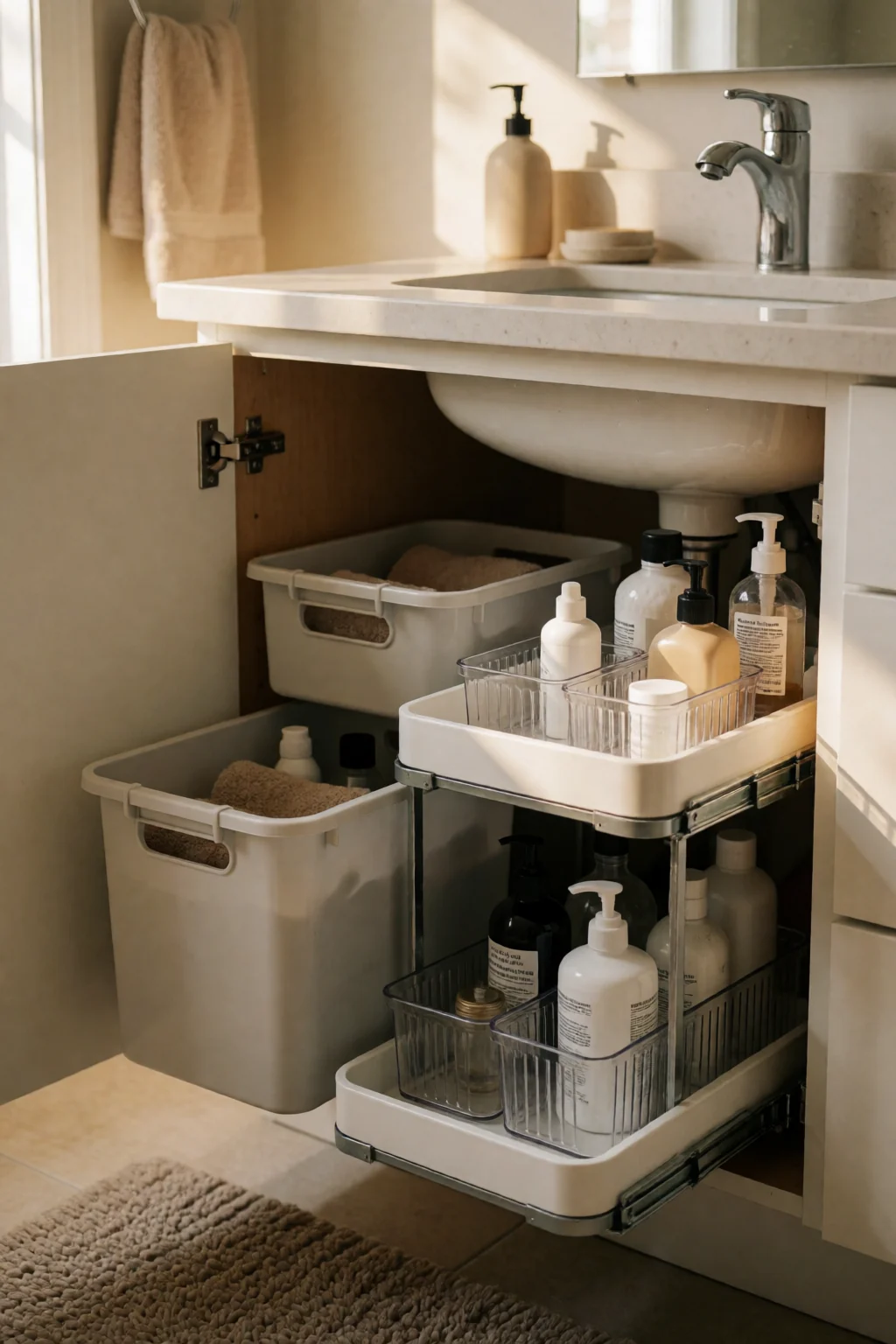
Three rules under the sink
- Plan around the trap and supply pipes, and keep a clear path to the shut-off valves in case of a leak.
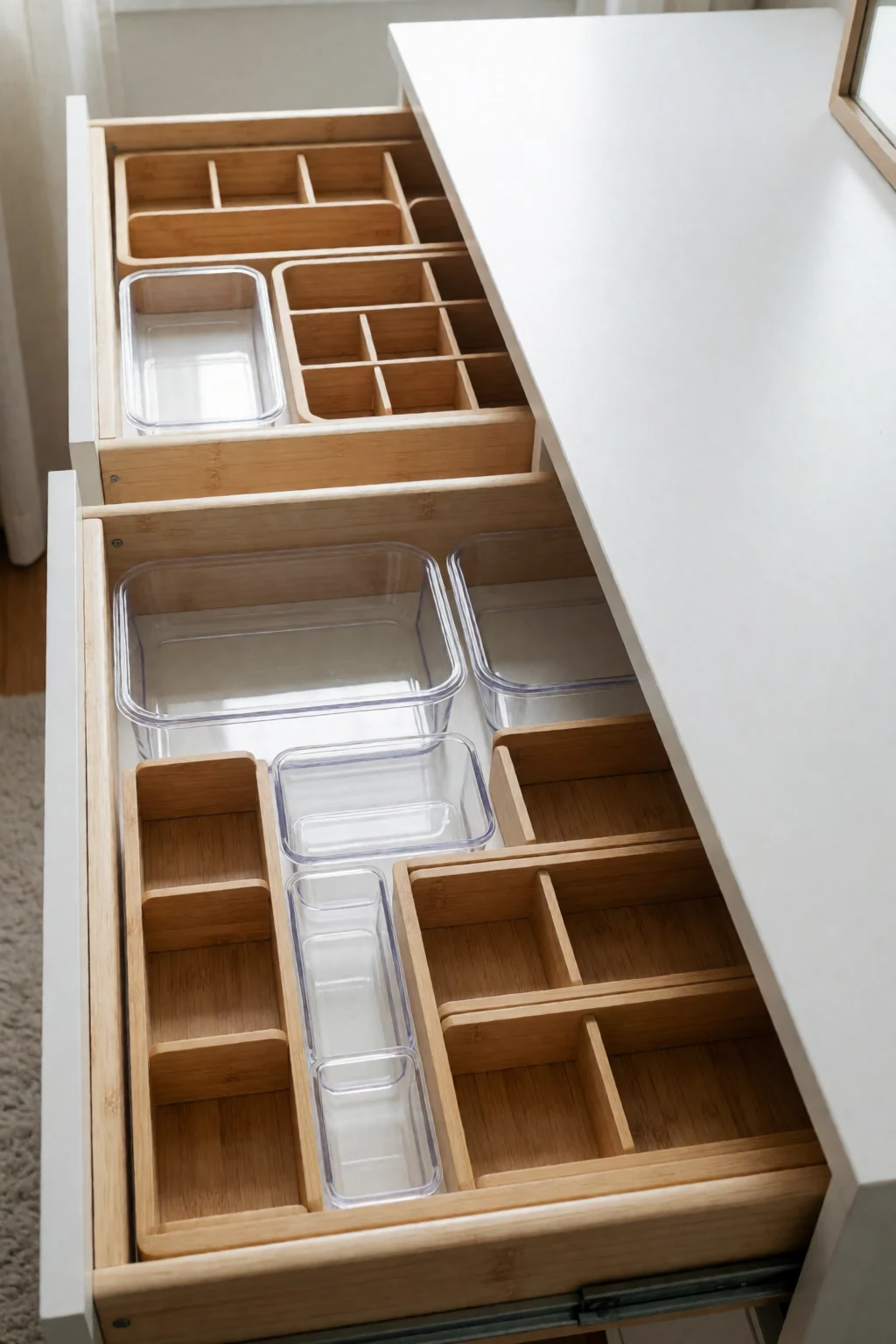
- Use two-tier pull-out drawers or narrow stacking bins to use the height without burying daily items.
- Group similar things in clear bins, such as hair tools, dental care and cleaning products, so you pull out one bin instead of rummaging.
Working around the plumbing
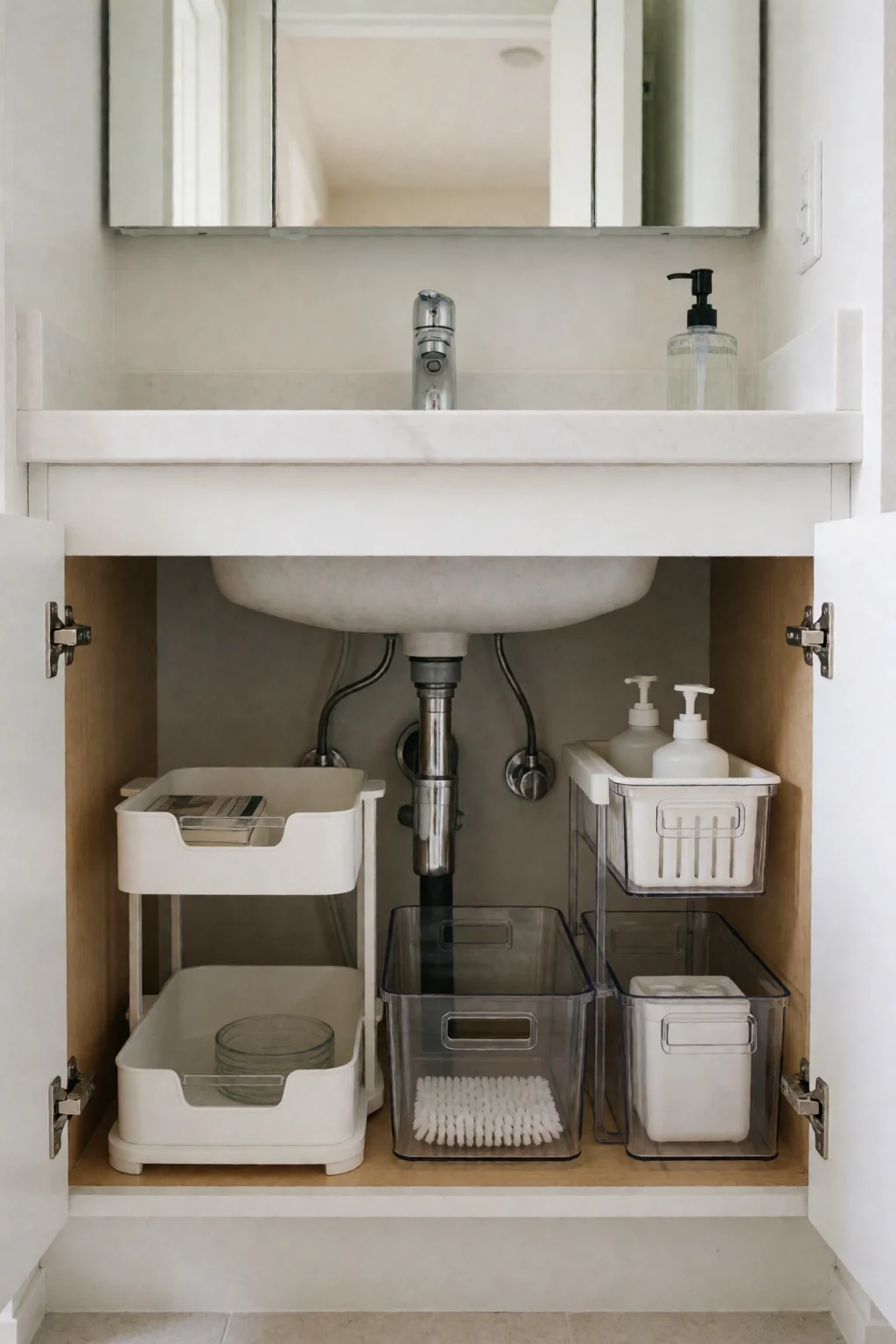
The plumbing is the main constraint. Arrange bins and shelves so the trap (the U-bend under the basin) stays reachable for cleaning, the supply pipes are clear of sharp edges, and daily things are within reach without kneeling on the tiles. The doors should still close fully.
An organised cabinet uses clear bins so you see the cotton buds or spare soap straight away, stacking drawers to use the height under the basin, and labels so things go back where they came from. A waterproof mat on the floor catches drips and condensation from the pipes before they swell the board. Heavy cleaning bottles go at the bottom, lighter toiletries higher up.
Every container has to fit round the drain pipe and the valves. That is the difference from a linen cupboard or a pantry.
Five under-sink layouts
- Sliding drawers and a mat
- A two-tier sliding drawer unit on one side: toothbrushes and small daily things on top, heavier lotions below. A divided bin beside it for hair accessories, and a silicone mat underneath to protect the floor from drips.
- Tension rod for sprays
- A tension rod near the front of the cabinet with spray bottles hung by their triggers, and two clear pull-out bins below for sponges, flannels and bar soap. The bottles come off the floor.
- U-shaped shelf
- A U-shaped shelf unit that fits round the drain pipe adds storage on both sides and leaves the middle open. A small turntable in a back corner for tubes, and a wire basket at the front for daily face wash.
- Door basket and narrow bins
- A shallow wire basket on the inside of the door for toothpaste and brushes, and tall narrow bins on the floor for spare toilet roll and cleaning brushes. The things you use most are right at the door.
- Carry caddy and drawers
- All the bathroom cleaners in one caddy with a handle, so you lift the whole kit out to clean the bath. A narrow three-drawer unit on the other side for flannels and first aid.
Valves, leaks, weight and habits
- Valves and pipes
- Find the shut-off valves and the trap before buying anything. You need to reach the valves quickly if a pipe leaks, so never block them with fixed or heavy shelving. Measure from the closed door to the back wall, allowing for any pipes that stick out.
- Damp and leaks
- Under-sink cabinets trap humidity and suffer slow leaks from joints. Line the floor with a waterproof mat or a tray with raised edges. Use plastic or coated wire bins, not untreated wood or cardboard, which warps and grows mould.
- Weight
- Keep heavy bottles and big detergent jugs on the floor or the bottom tier, not up high where you have to lift them down while crouching. Check pull-out bins run smoothly without catching on the frame or hinges.
- How often you use things
- Sort before putting anything back. Toothpaste, daily cleanser and moisturiser go at the front or in the door basket. Guest soaps, bulk refills and occasional treatments go to the back or top. Throw out empties and anything out of date.
Empty, check, measure, load
Empty the cabinet and wipe the walls and floor with a damp cloth and mild cleaner. Look for damp around the pipe joints. Lay a silicone mat across the floor. Sort what came out into daily care, cleaning, hair tools and spare toiletries, and throw out empty or expired things before buying any storage.
Measure the width, height and depth around the trap, then place the main units. With a sliding drawer unit, put it on one side of the drain so the valve on the other side stays reachable. Add a door basket or narrow bins for razors and cotton pads. Load daily things at the front and spares at the back, then check the doors close cleanly.
Shop the pieces
16 bathroom pieces
Links open similar items, not the pictured ones.
-
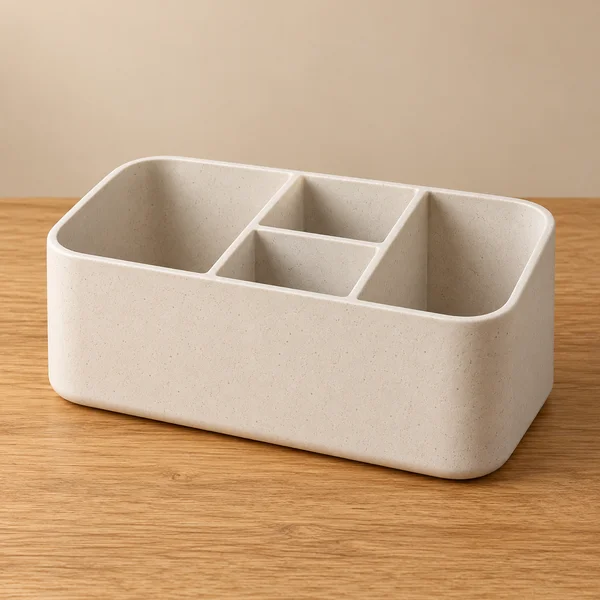
Bathroom countertop divided caddy
What to check
Clear plastic shows what is inside but also water marks. Check the compartment sizes against the bottles you use.
-
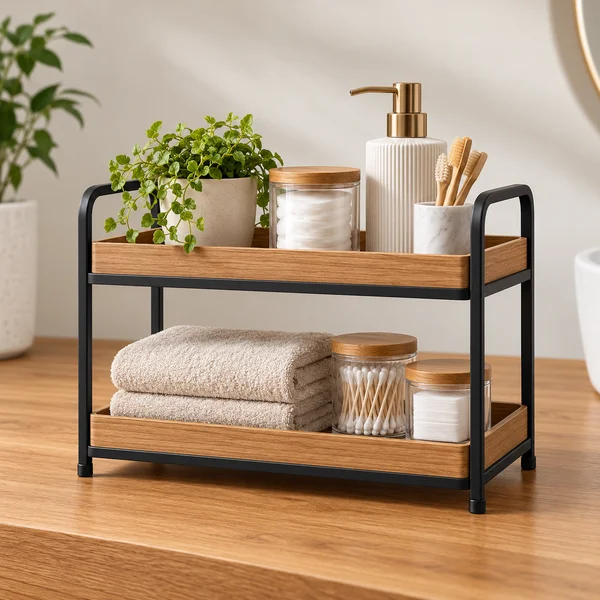
Two tier bathroom countertop shelf
What to check
Measure the counter depth and the height under any mirror or cabinet before choosing a tiered shelf.
-
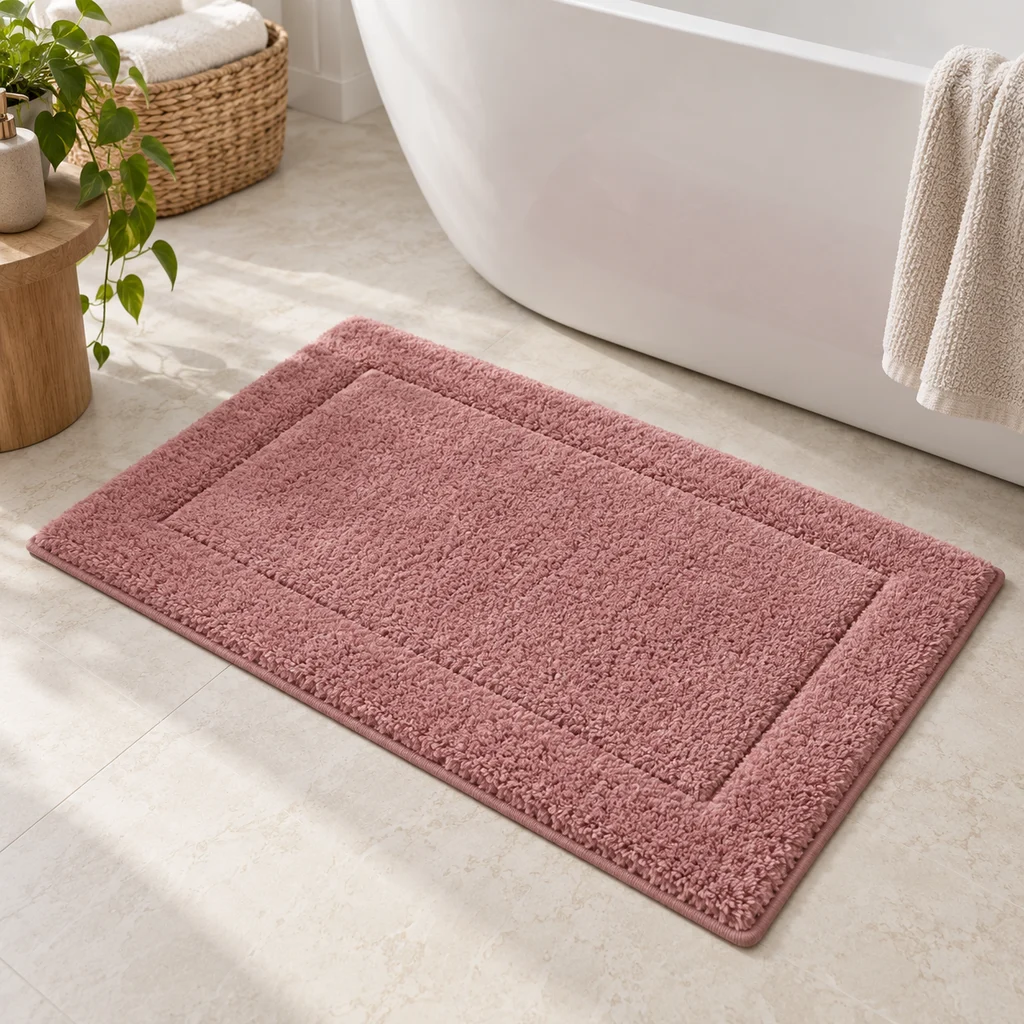
Bath mat
What to check
Check the backing is non-slip on your floor, and that the mat can be machine washed and dried.
-
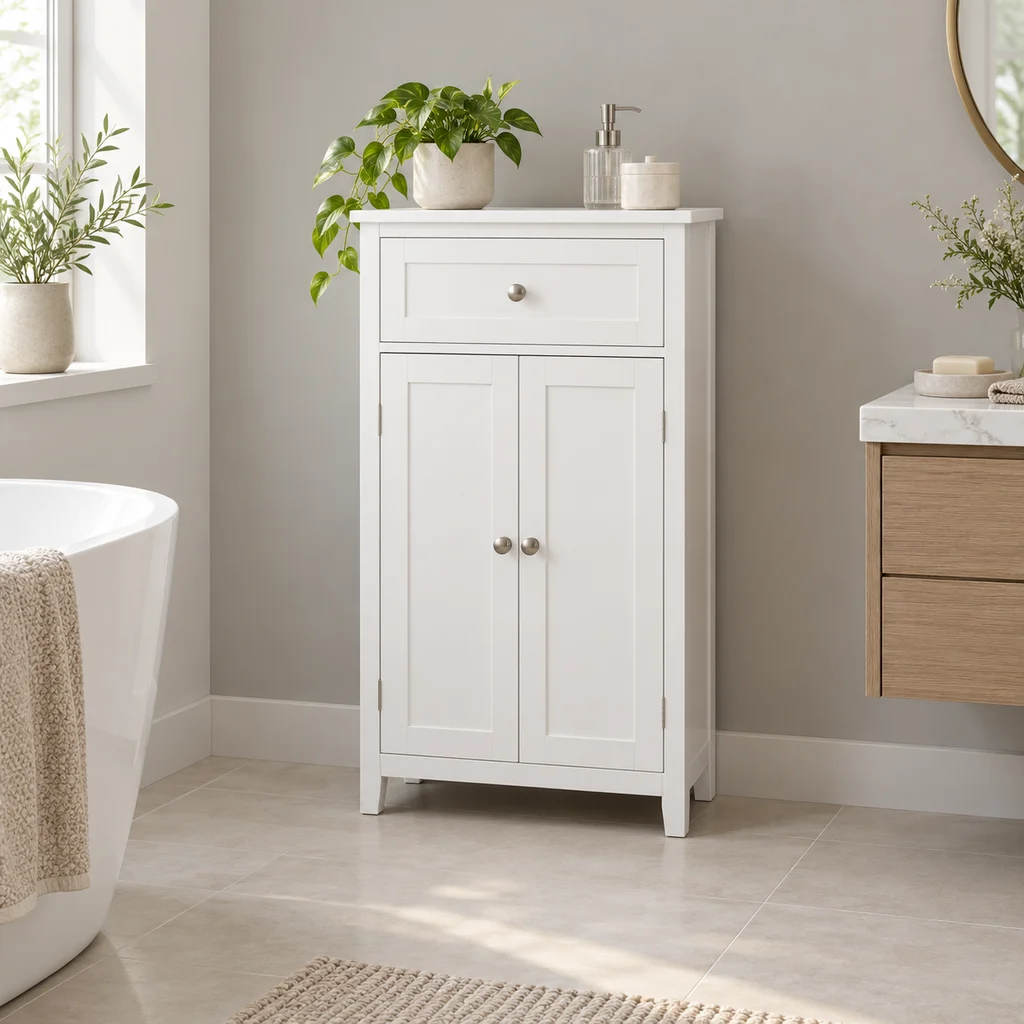
Bathroom cabinet
What to check
Measure the floor space and the door swing of the cabinet itself. Bathrooms are damp, so check the finish is moisture resistant.
-
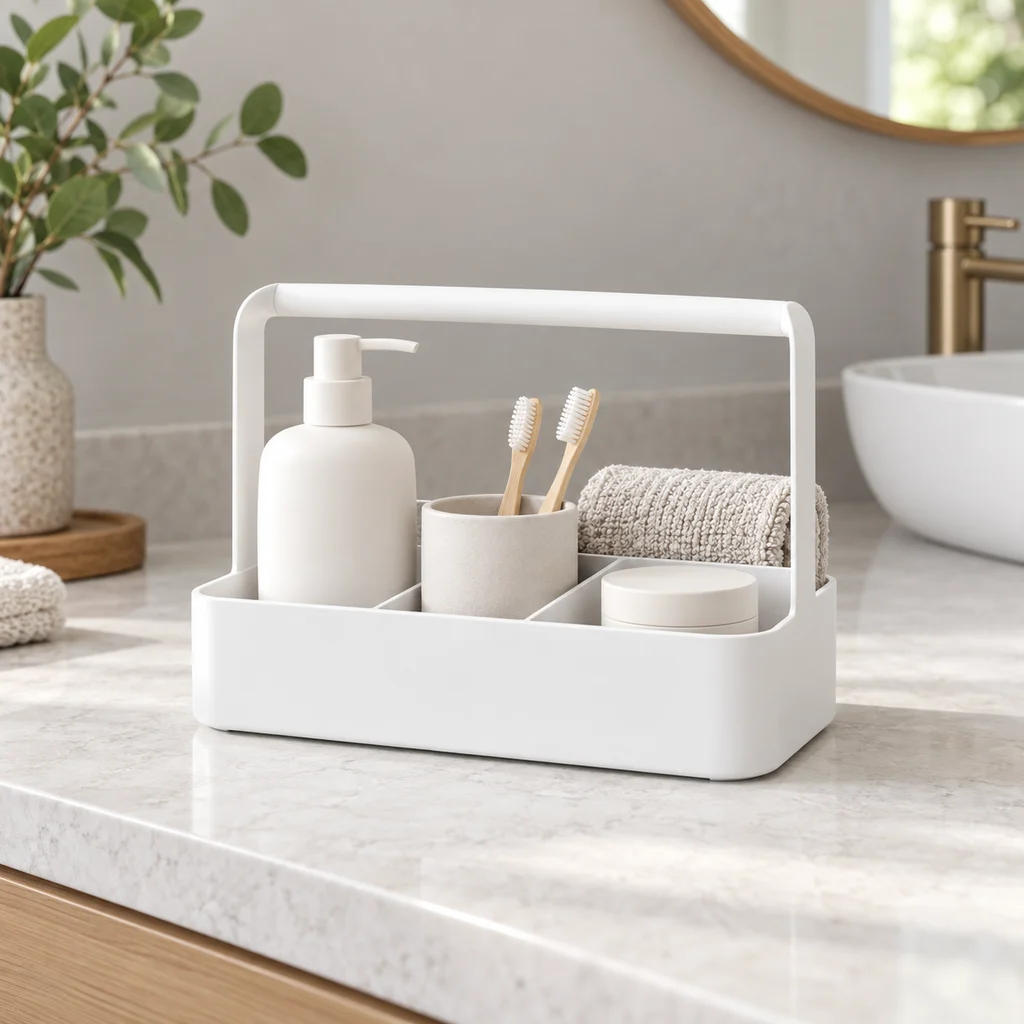
Bathroom caddy
What to check
A carry caddy works best when it holds one routine. Check the handle is comfortable and the base drains.
-
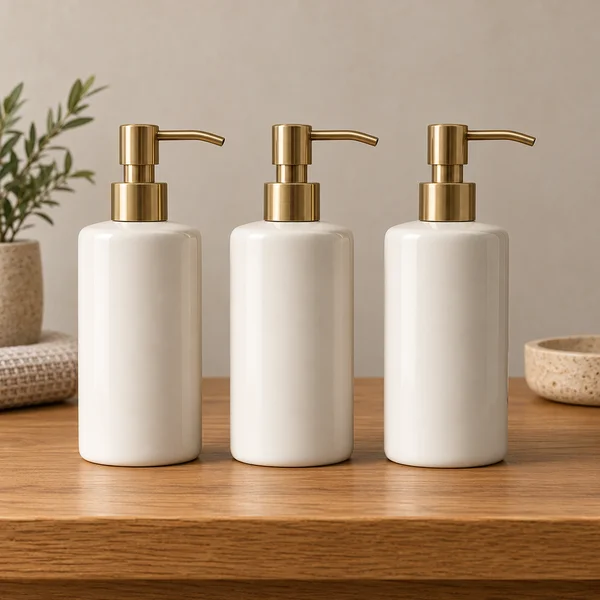
Bathroom refillable pump bottles
What to check
Check the pump suits thick shampoo and conditioner, and label the bottles so they are easy to tell apart.
-
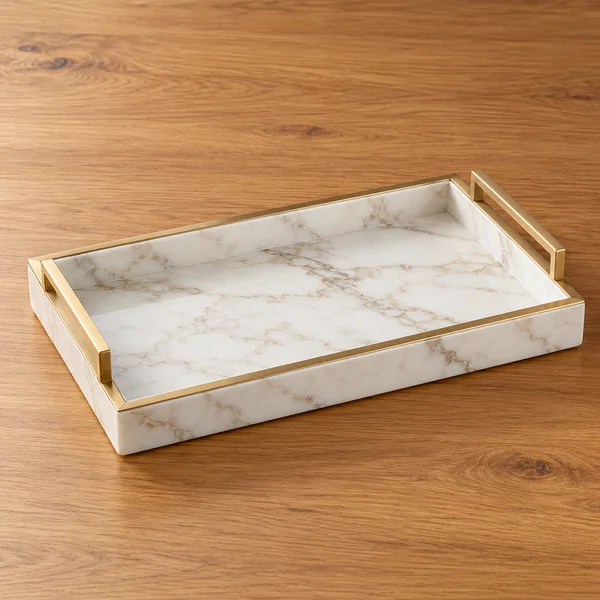
Bathroom vanity tray
What to check
Marble is heavy and cool to the touch. Wipe it dry often, as some soaps and oils can mark natural stone.
-
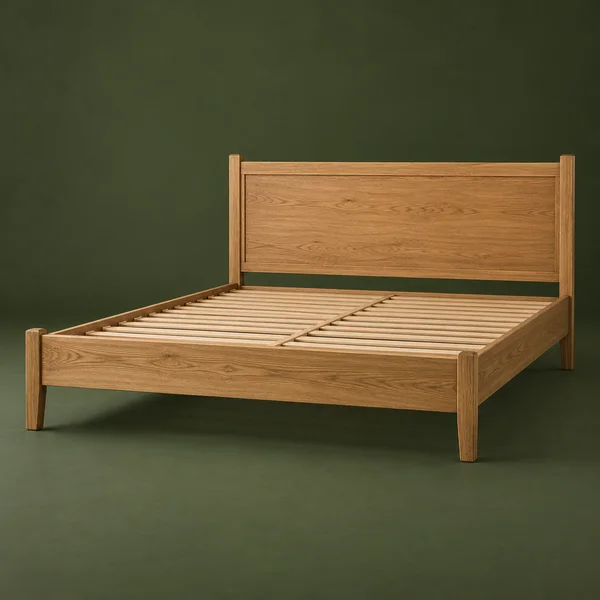
Oak wood bed frame
What to check
Check the slat spacing for your mattress type and the height under the frame for storage.
Show all 16 pieces
-
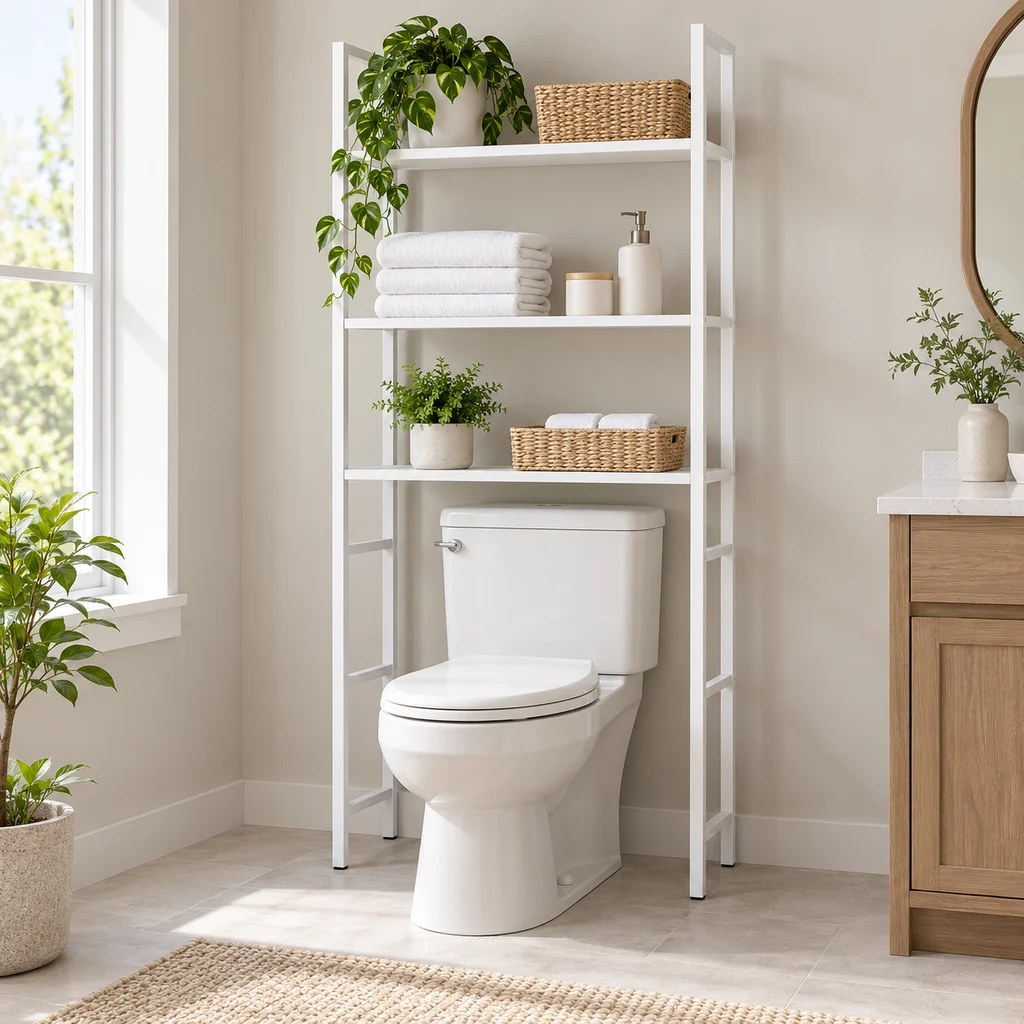
Over-toilet shelf
What to check
Measure the width of your toilet and the height to the cistern top. The frame must clear both.
-
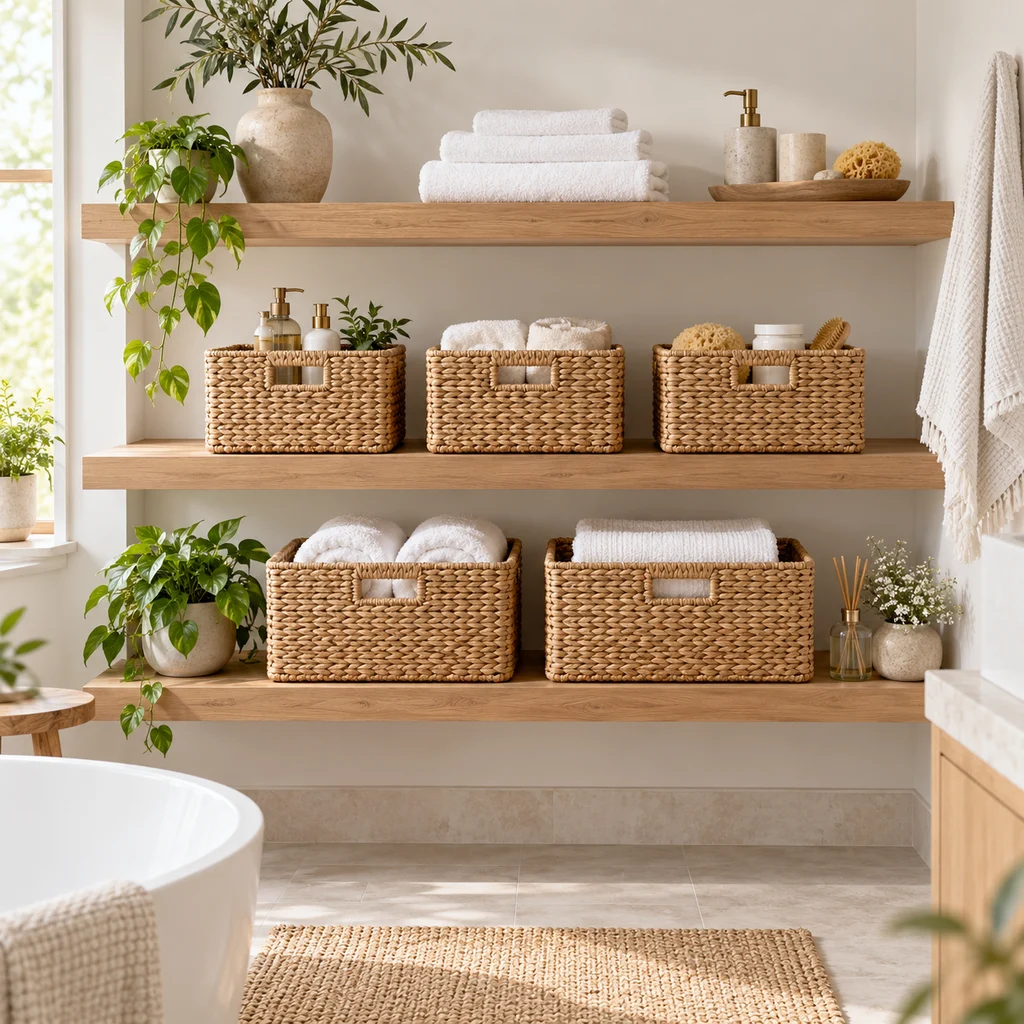
Storage baskets
What to check
Measure the shelf depth and height before buying baskets. Check whether the weave has a liner if you store fabric or small items.
-
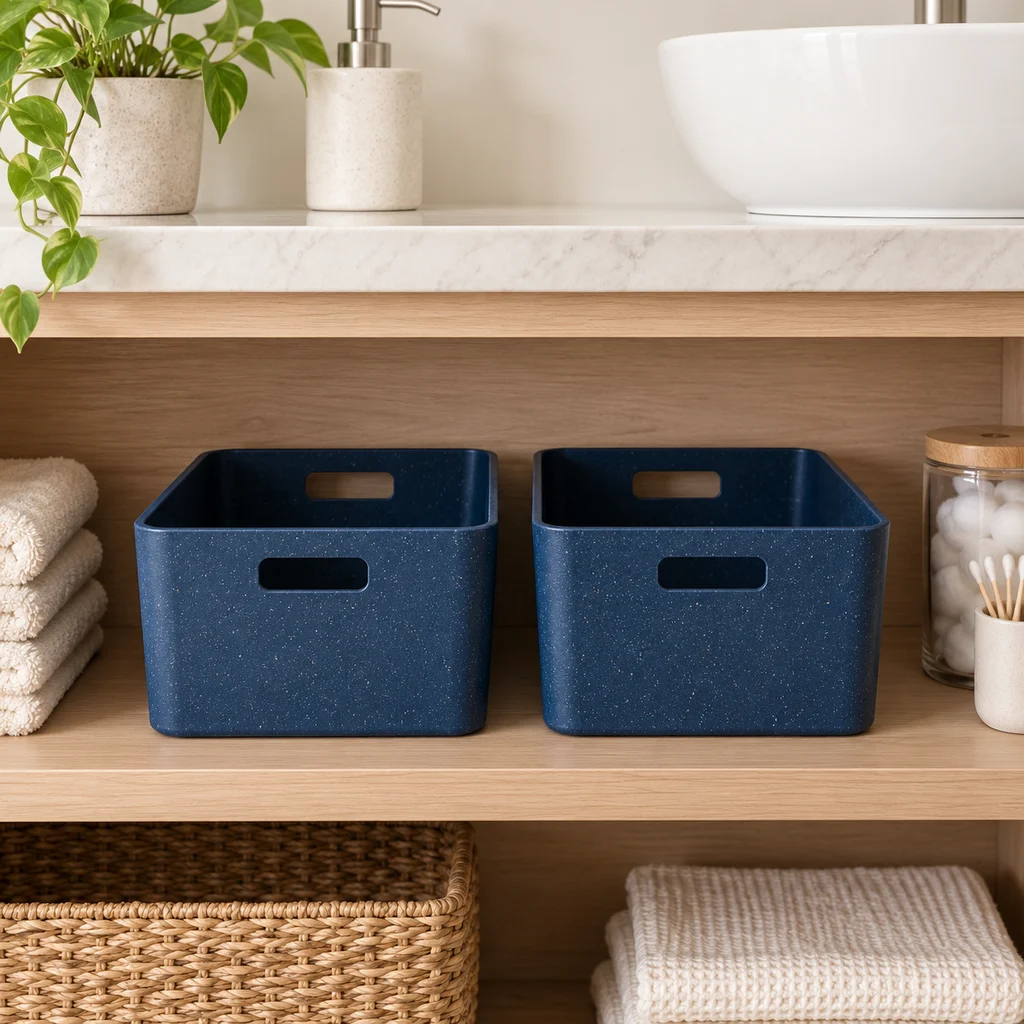
Storage bins
What to check
Measure the shelf or cabinet the bins will go in, including the height, before choosing a size.
-
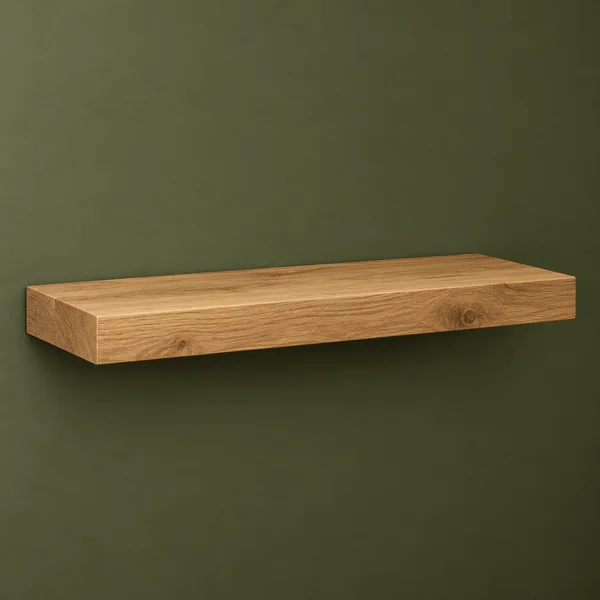
Wood floating wall shelf
What to check
Check the shelf depth and weight rating, and fix into studs or solid wall plugs.
-
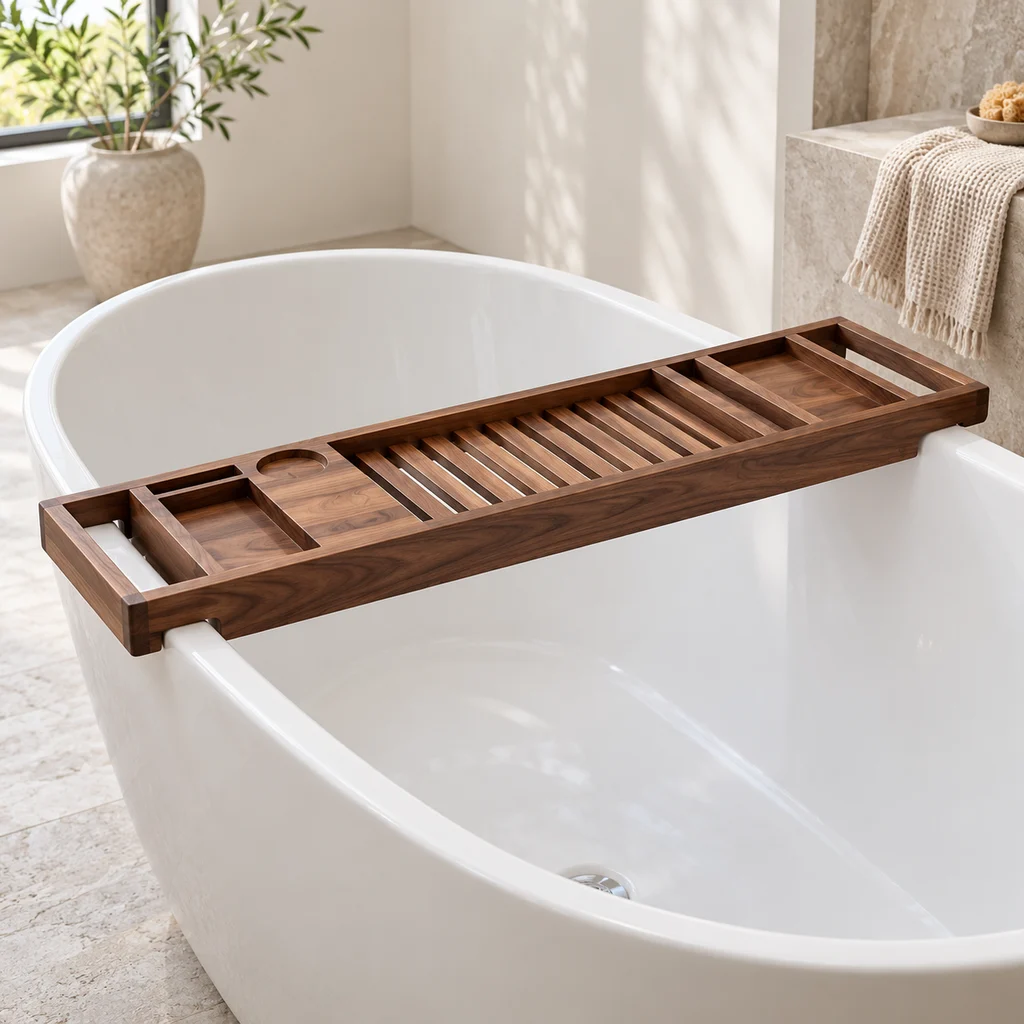
Bathtub tray
What to check
Measure the width of your bath at the rim. The tray must rest on both sides with some overlap.
-
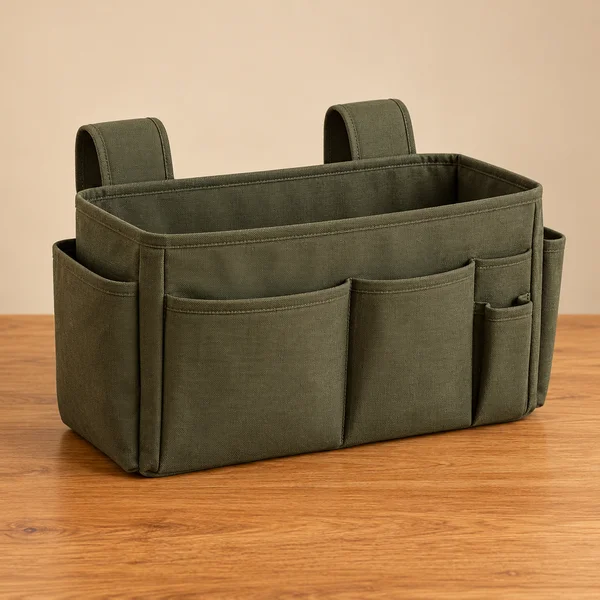
Bedside storage basket
What to check
Measure the gap between the mattress and the wall or frame. A bedside caddy needs a firm mattress edge to tuck under.
-
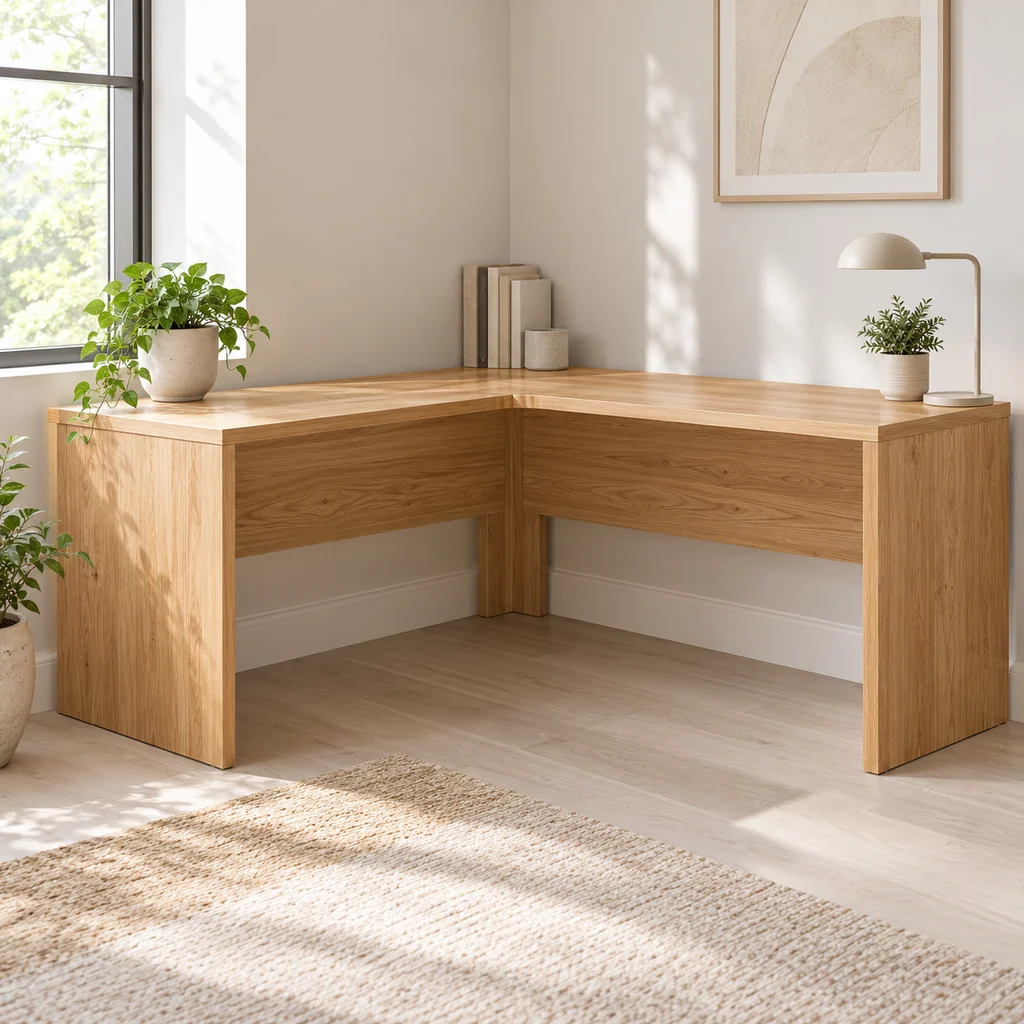
Corner desk
What to check
Measure both walls and the diagonal path into the room. Large L desks often arrive in heavy flat-pack boxes.
-
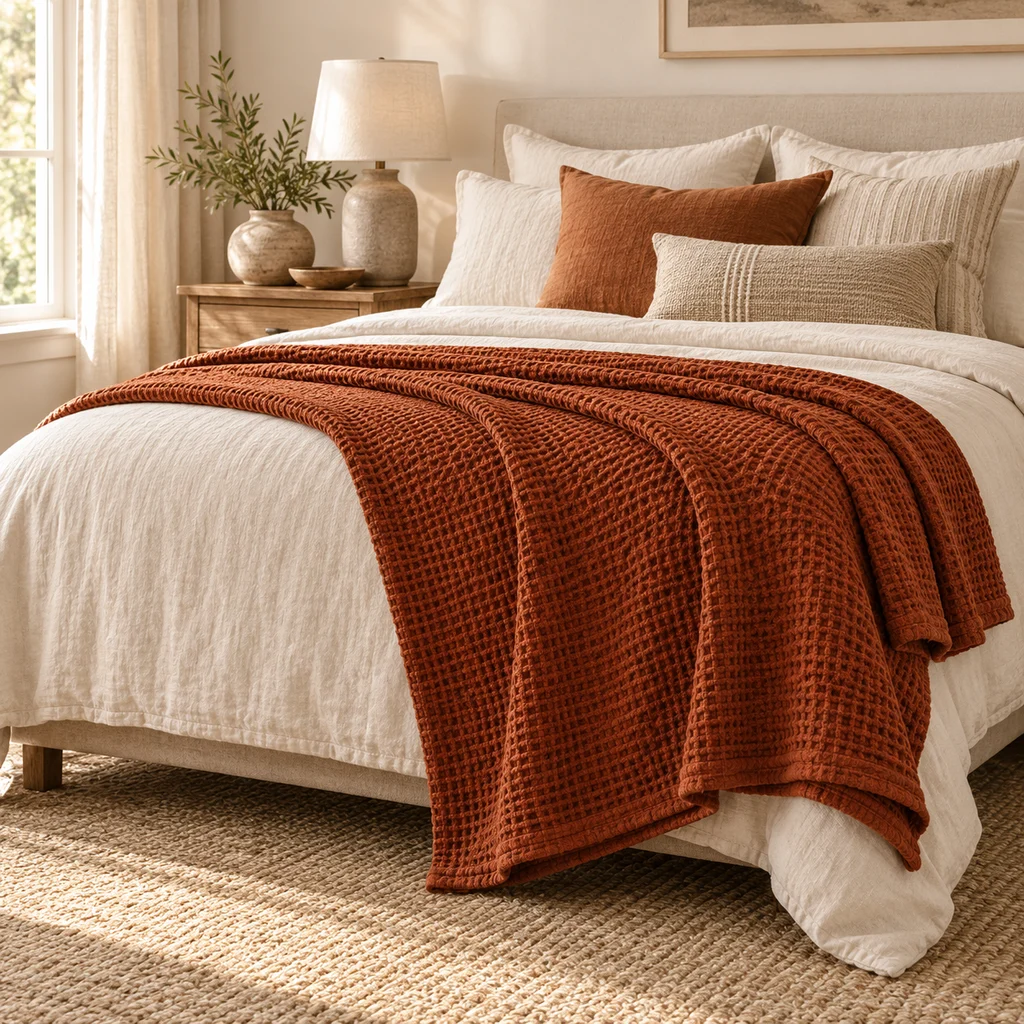
Cotton throw
What to check
Check the throw size against the bed or sofa it will sit on. A small throw reads as an accent; a larger one can cover your lap and feet.
The gallery
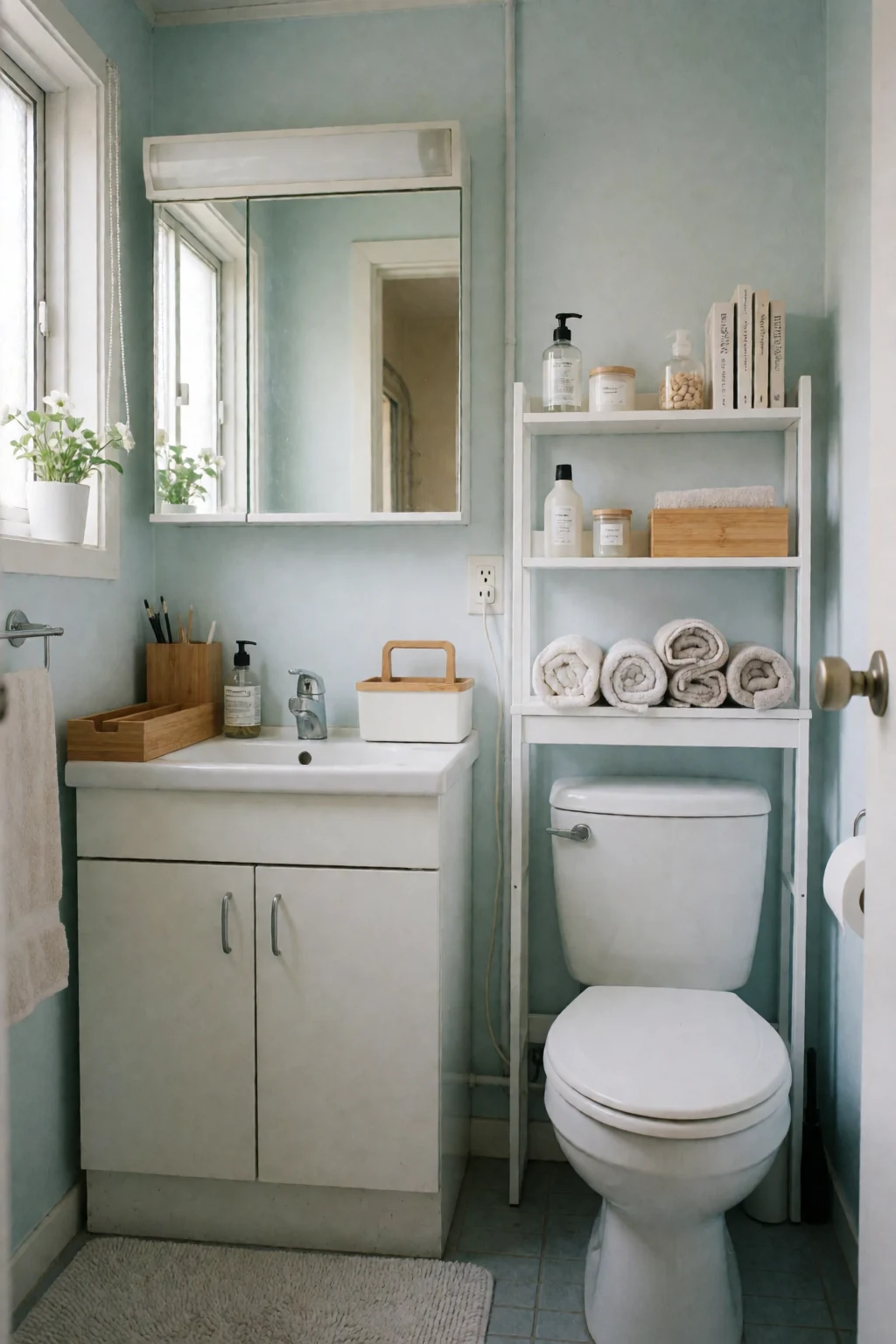
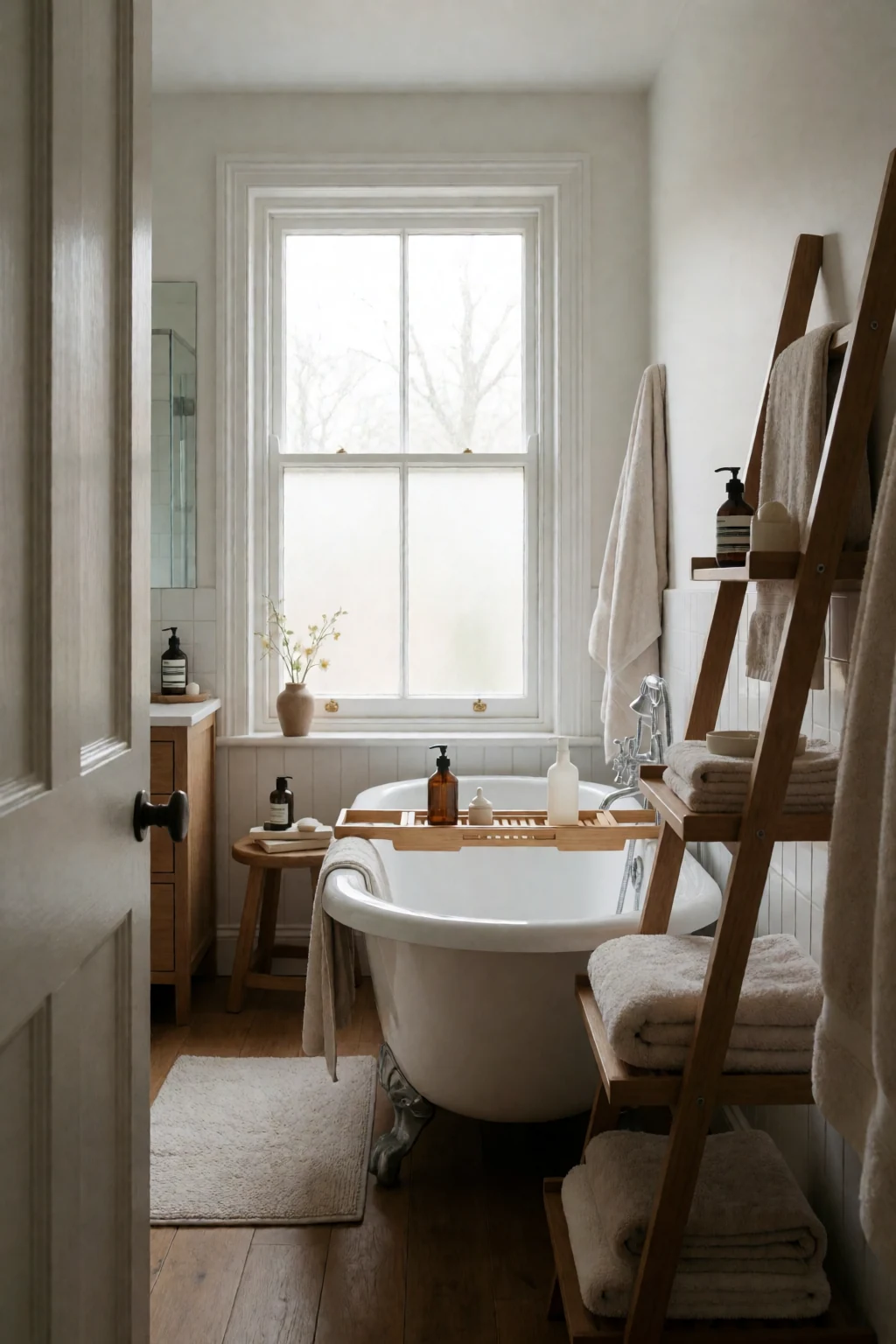
8 bathroom looks
Open a look to see its pieces.
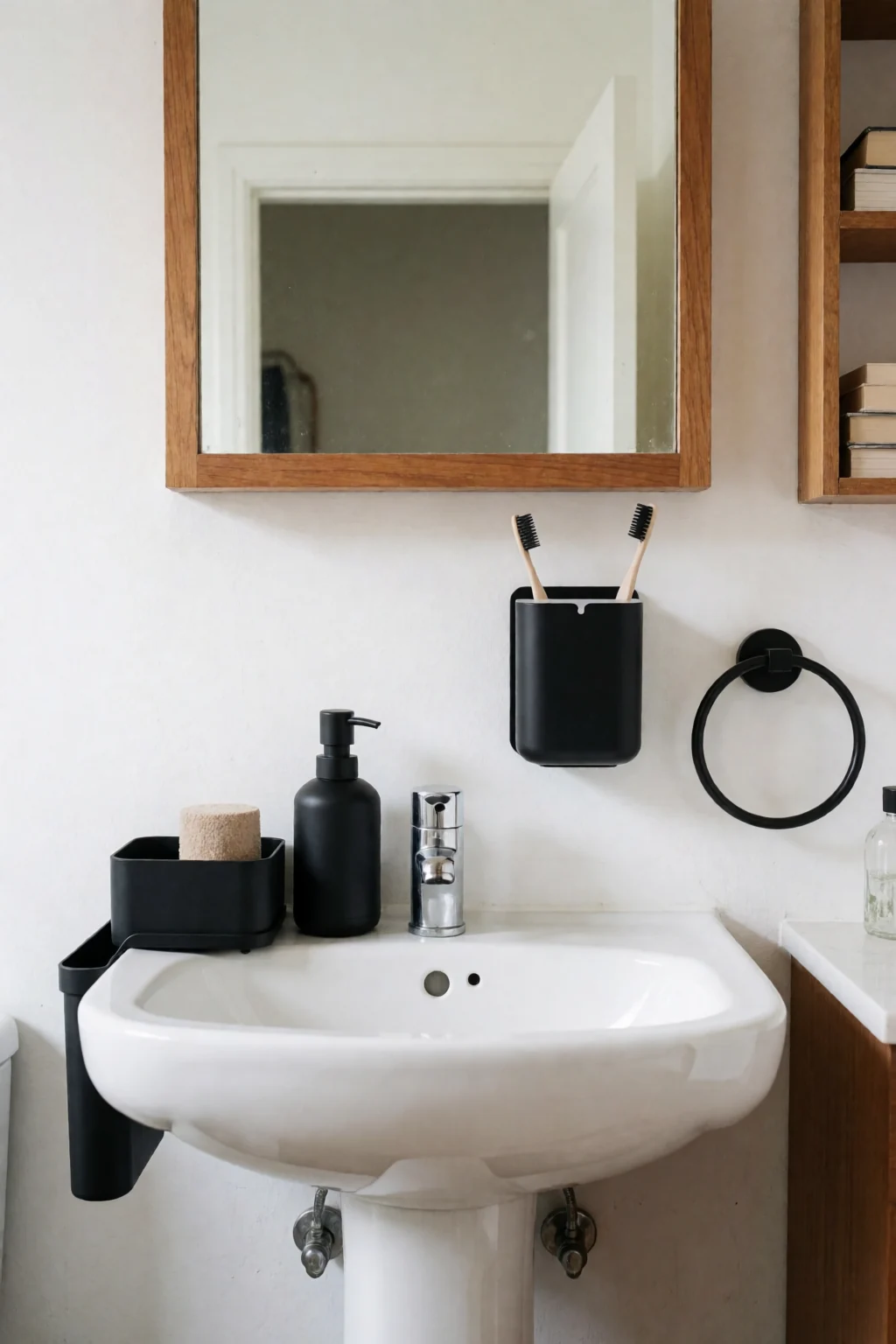
Keep exploring
Related guides
 Bedroom
 storage is soft and near the bed, while under-sink storage is plastic, damp-proof and planned round pipes.
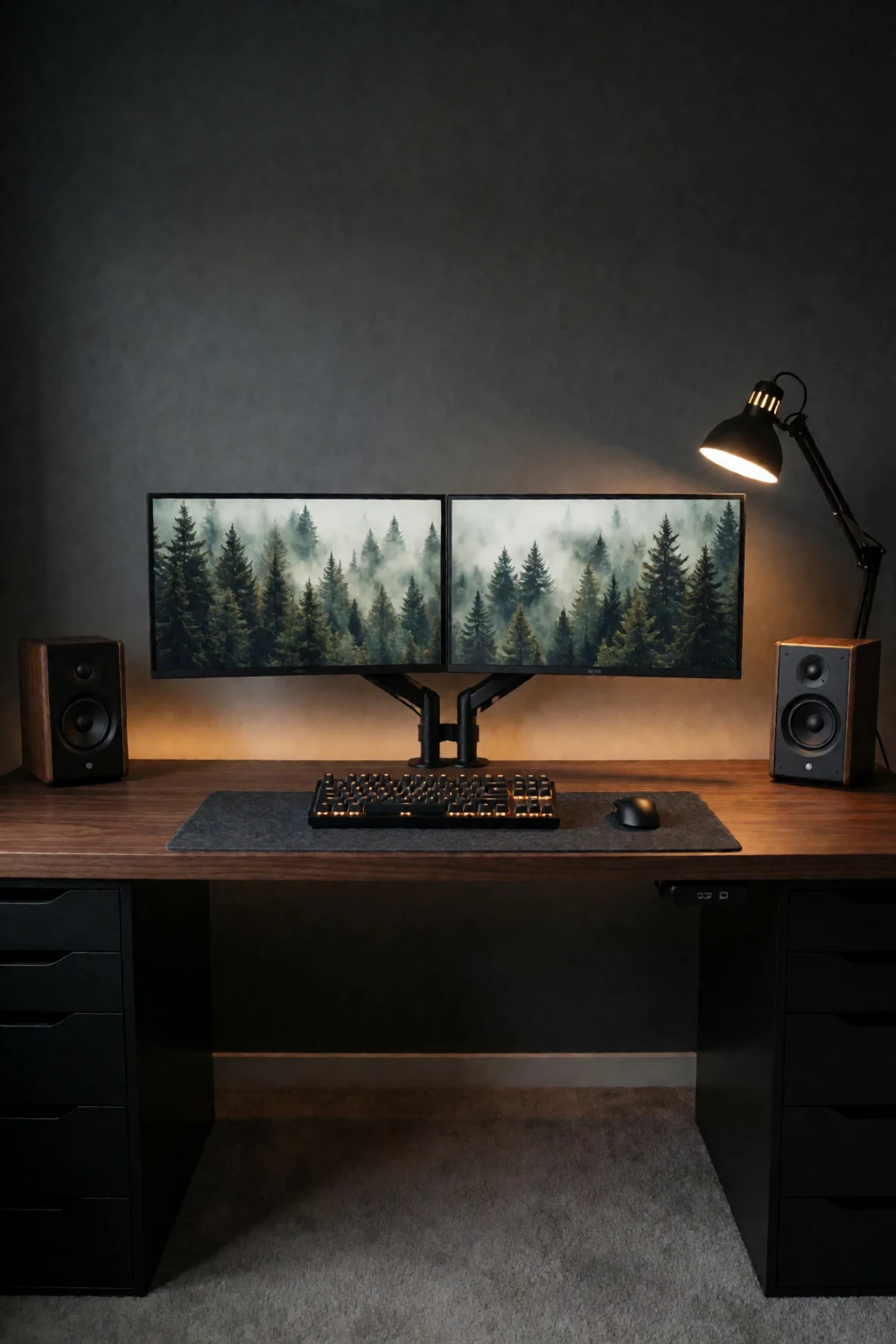 Work & gaming
A desk is organised around cables and posture; under the sink, it is pipes and cleaning products.
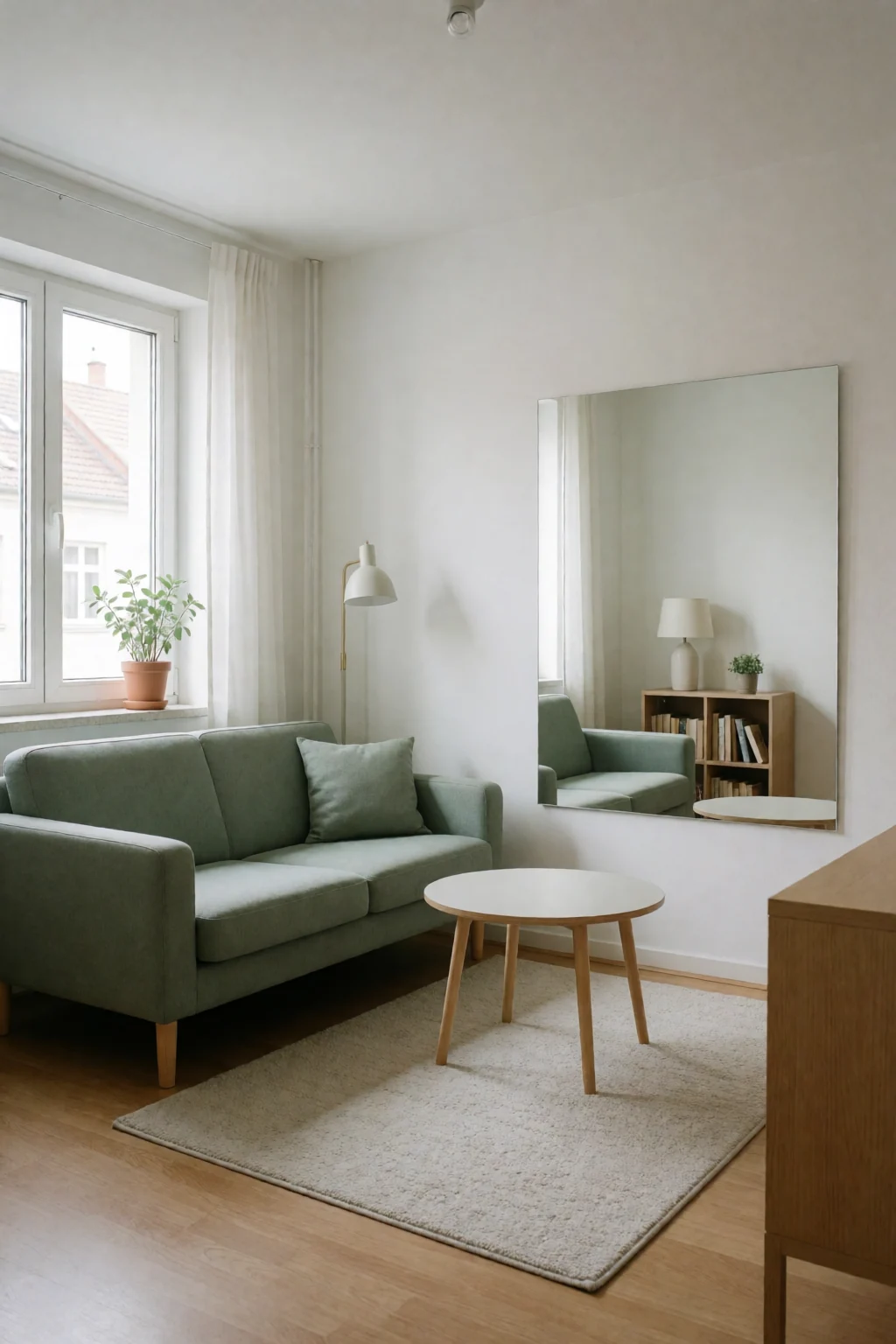 Living room
 storage is shared and on show, while under the sink is a closed, damp utility space.
Questions
How do I organise around the drain pipe?
Use a U-shaped shelf that fits round it, or two narrow sliding drawer units on either side. The middle stays clear and the space on each side gets used.
What material is best under the sink?
Clear plastic, acrylic or coated wire. They cope with damp and wipe clean if something leaks. Avoid untreated wood, cardboard and fabric.
How do I stop the cabinet smelling damp?
Wipe it out, check the pipe joints for slow leaks, and put a moisture absorber or an open box of bicarbonate of soda inside. Open wire baskets let air move round.
Where do cleaning products go under a small sink?
Spray bottles on a tension rod at the front or in a caddy with a handle, heavy jugs on the floor, and sponges in a door basket.