Room ideas / Bedroom
How to choose a restful bedroom colour scheme
A bedroom colour scheme that works has a main neutral for the walls, a second tone for the bedding and rug, and a small accent, plus wood or metal to hold it together.
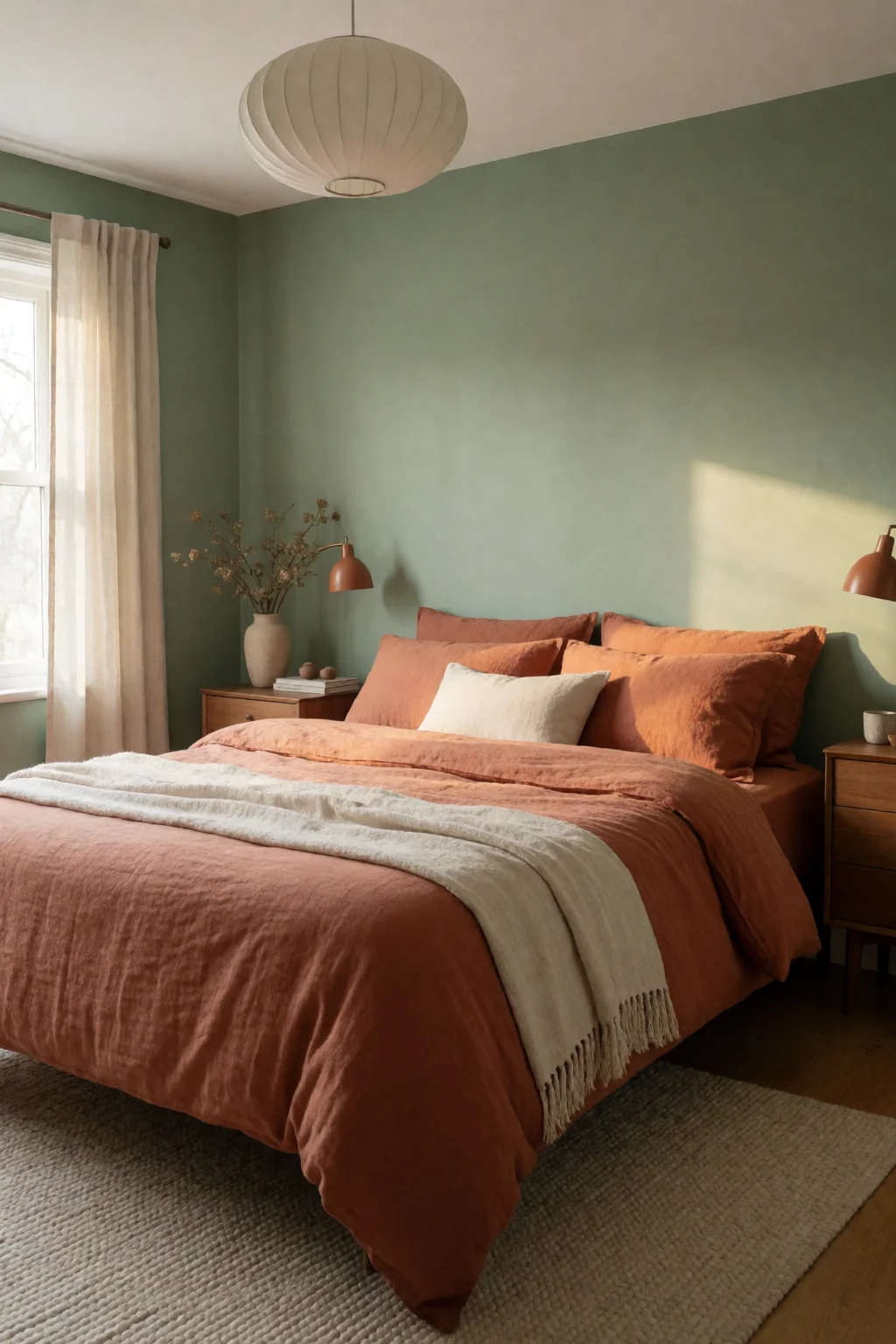
Three layers of a bedroom palette
- Pick one main neutral for the walls and large furniture.
- Bring in a second tone through bedding, curtains and the rug, in colours that share the paint's warm or cool undertone.
- Hold it together with wood or black metal in the bed legs, frames or handles.
What a colour scheme gives you
A colour scheme links the paint, bedding, curtains and rug, so you can buy sheets or a cushion without guessing whether it will clash.
Restful bedrooms keep contrast low and undertones consistent. A soft wall colour with slightly darker or richer fabrics, wood or metal furniture breaking up the colour, a natural fibre rug and warm light.
The main colour covers most of what you see, a second colour goes on the big fabrics like the duvet and rug, and a small accent appears in a few accessories. Bright feature walls and busy duvets work against that.
Five palettes to borrow
- Warm ivory, olive, walnut
- Warm ivory walls, muted olive linen bedding and walnut bedside tables. It feels grounded and suits houseplants.
- Soft grey, navy, oak
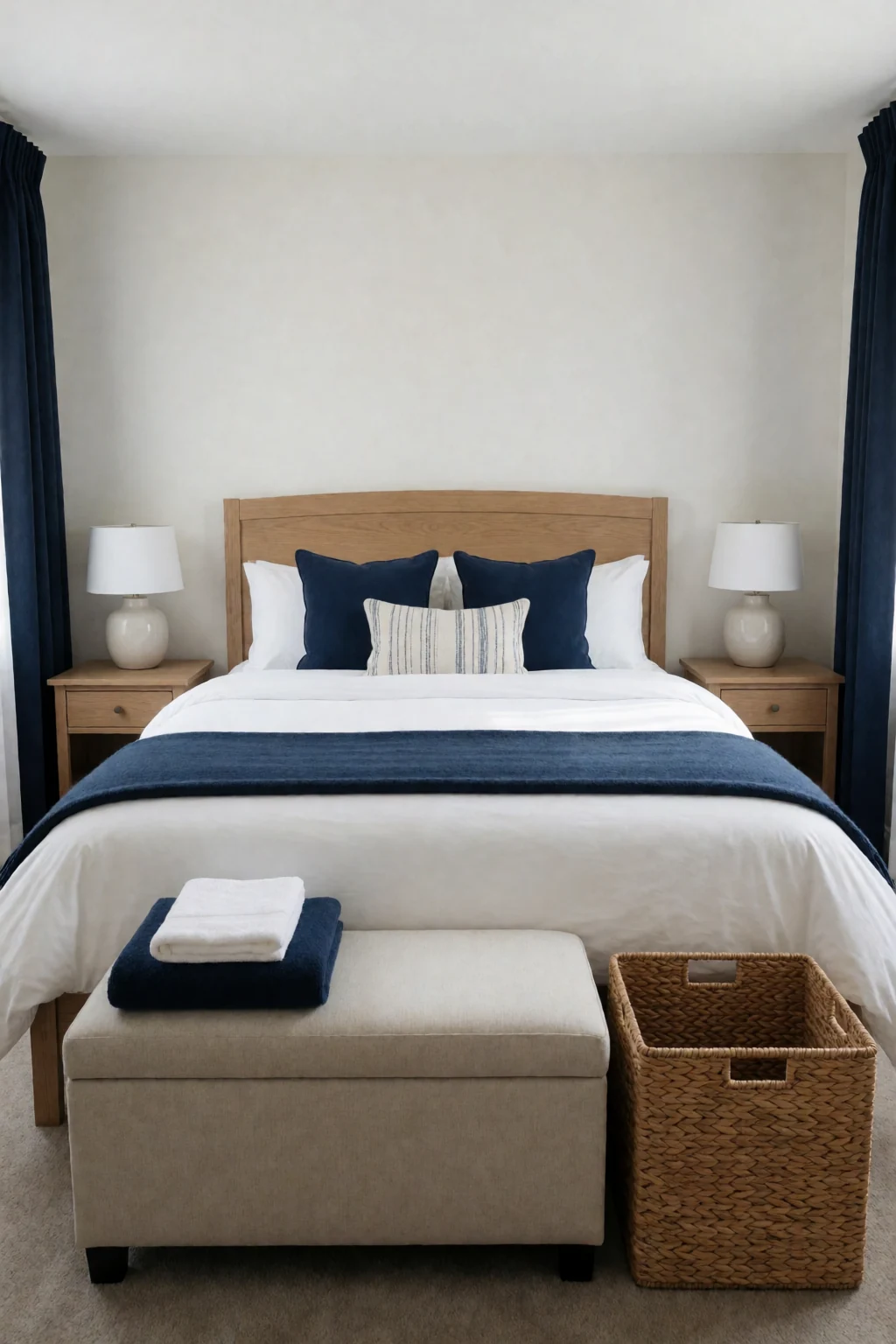
- Light warm grey walls, a navy quilt or throw for contrast, and pale natural oak furniture. The navy adds depth without darkening the whole room.
- Oatmeal, terracotta, black metal
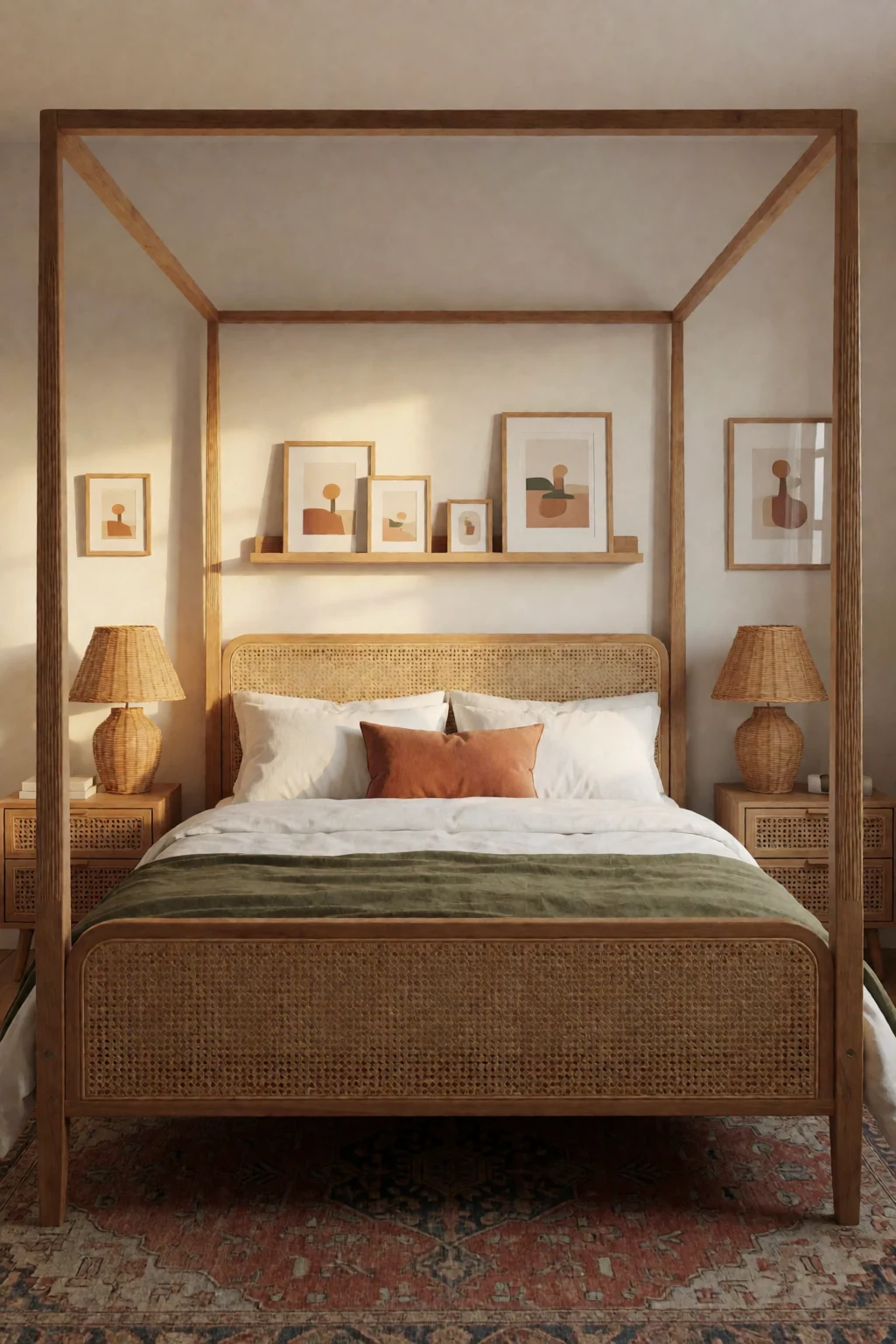
- Oatmeal walls, terracotta pillowcases and a woven throw at the foot of the bed, and a black metal bed frame or lamp. The terracotta warms the neutral background.
- Sage, cream, pine
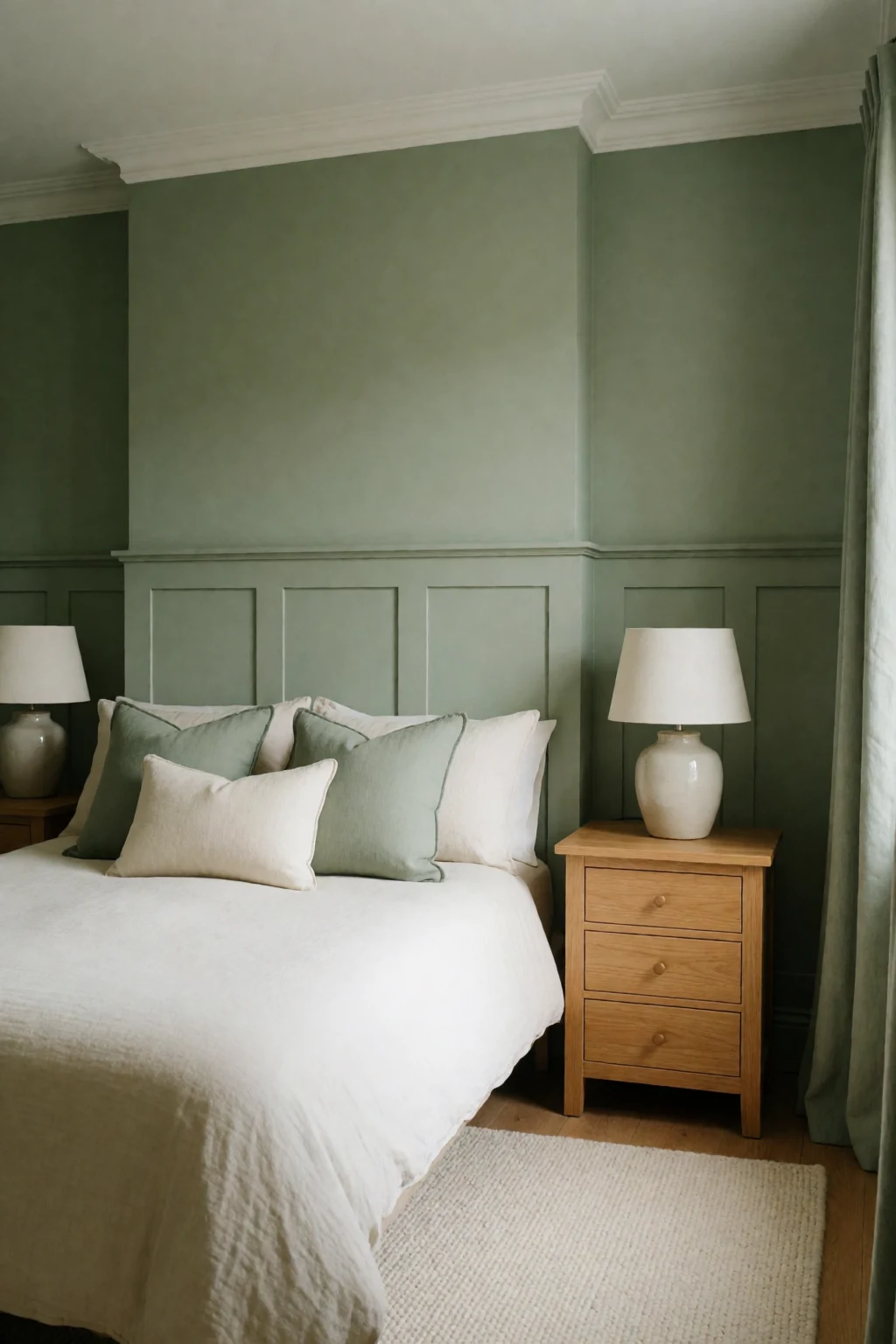
- Muted sage walls, crisp cream cotton bedding and raw pine furniture. A quiet, outdoorsy palette with no bright colours.
- Charcoal headboard wall, white, brass
- The wall behind the bed in matte charcoal, everything else in soft white, and brushed brass reading lamps or handles. The dark wall frames the bed.
Light, floors, bulbs and texture
- Which way the room faces
- North-facing rooms get cool, bluish light that can make neutrals look stark, so creamy ivory or soft taupe balances it. South-facing rooms get strong warm light that bleaches very pale colours, so slightly deeper, muted shades hold up better.
- The floor
- The floor is the biggest fixed colour in the room. Reddish cherry floors fight some cool greys, while yellowish pine suits soft greens and warm whites. Put your paint and bedding samples on the floor before you commit.
- Bulbs
- Lamps change colours at night. Warm white bulbs (2700K) bring out yellow and red in paint, while cooler bulbs make greys and blues look cold. Check samples under your own bedside bulbs.
- One colour, many textures
- An all-white or all-beige room needs texture or it looks flat. Mix smooth cotton sheets with a waffle duvet cover, a chunky knit throw and a flatweave or jute rug.
Walls first, then large to small
Note what you cannot change: the floor, the window frames, a built-in wardrobe. Photograph the room in daylight and check whether the light is cool or warm. Choose the wall colour first; it is far easier to match bedding to paint than paint to bedding. Paint large sample boards and move them round the room from morning to evening.
Then work from big to small. Choose the rug and duvet cover in your second tone, with the same undertone as the walls. Add the accent through cushions, a print or one ceramic vase. Last, check the furniture finishes tie in without adding too many competing woods and metals.
Shop the pieces
16 bedroom pieces
Links open similar items, not the pictured ones.
-
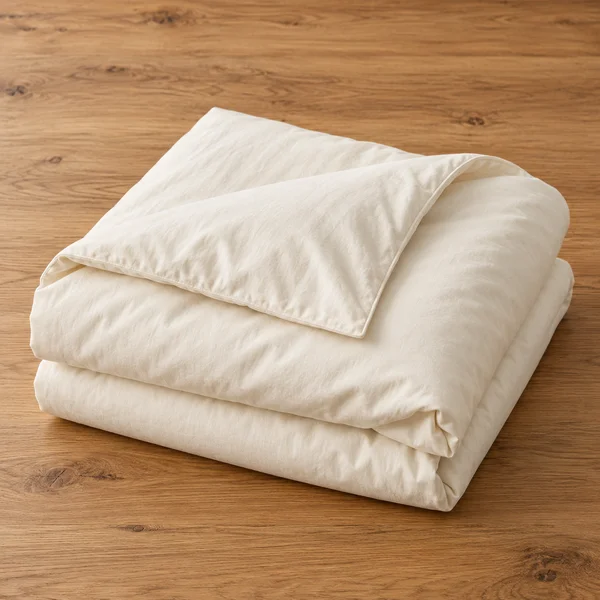
Ivory cotton duvet cover
What to check
Ivory shows marks sooner than darker colours. Check the fabric and care label before you buy.
-
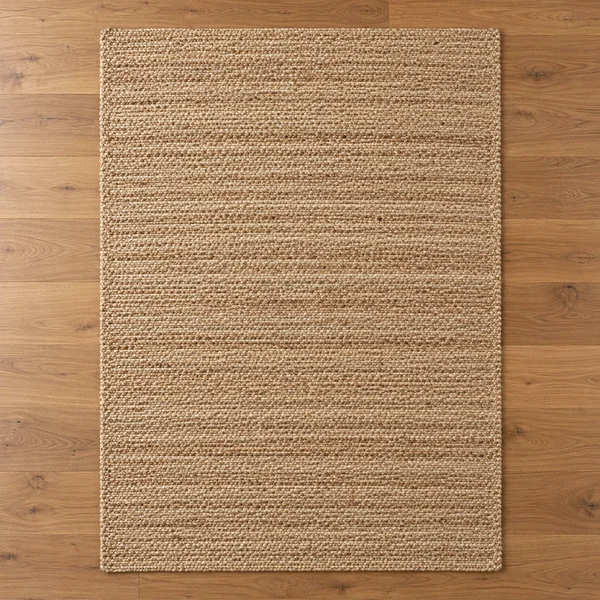
Natural woven bedroom rug
What to check
Jute is hard-wearing but coarse underfoot. Check the size against your bed so the rug extends past the sides.
-
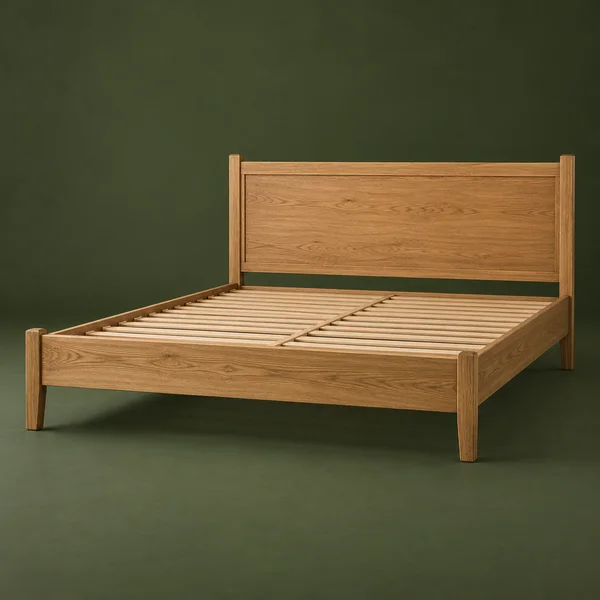
Oak wood bed frame
What to check
Check the slat spacing for your mattress type and the height under the frame for storage.
-
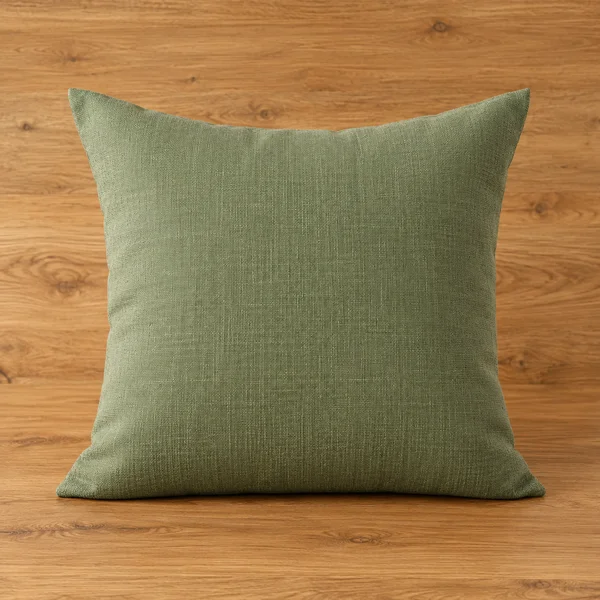
Sage green cushion cover
What to check
Check the cover size against your inserts. A slightly larger insert makes a fuller cushion.
-
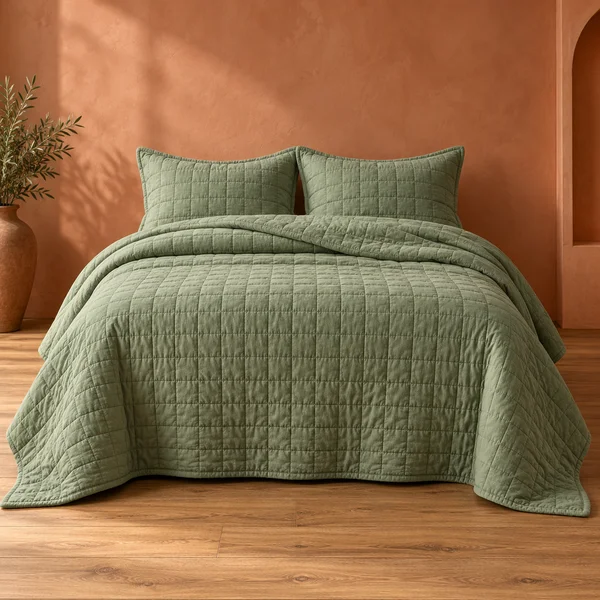
Sage green quilt bedding
What to check
Check whether the set includes pillowcases or shams, and the care label, before you buy.
-

Warm white LED strip light
What to check
Measure the length you want to light and check the warm white colour temperature suits the room.
-
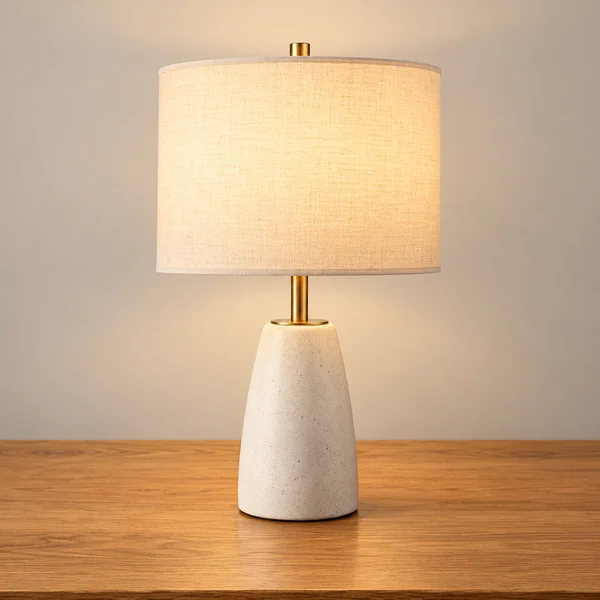
Bedside reading lamp
What to check
Check the lamp's height and dimming range. A touch base is easy to find in the dark.
-
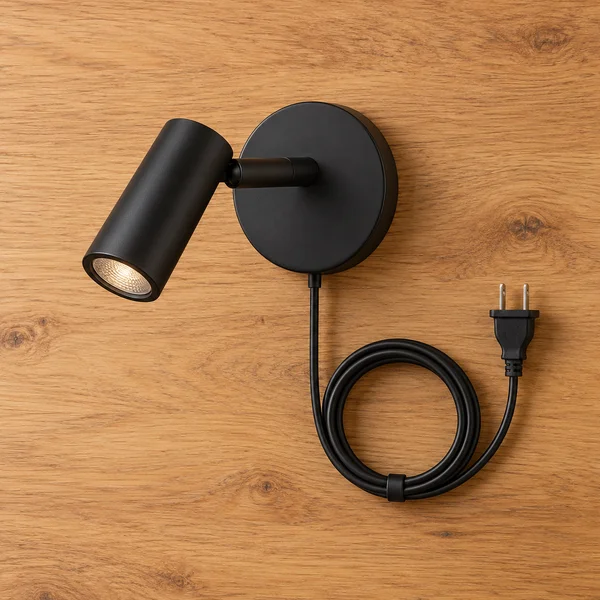
Plug in wall reading light
What to check
Mount the light high enough to clear your head when sitting up, and check the plug reaches an outlet.
Show all 16 pieces
-
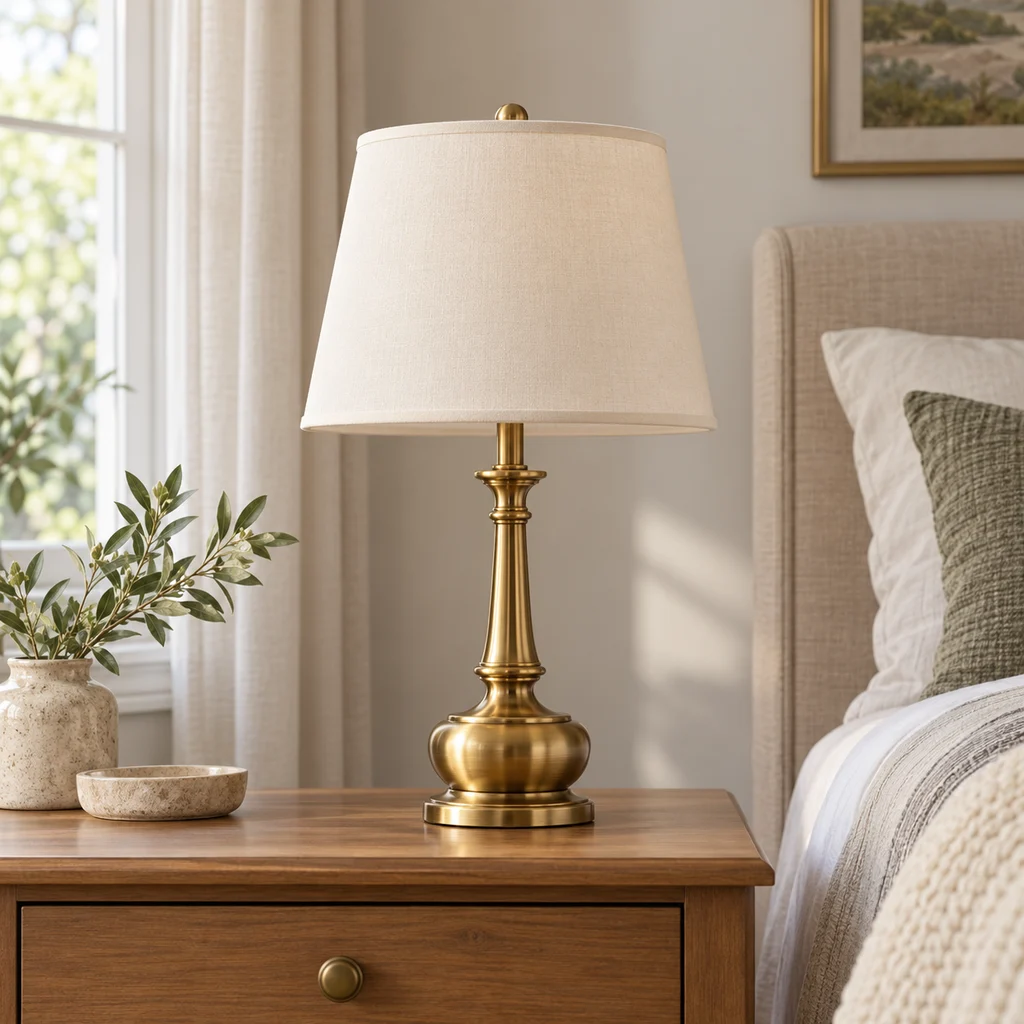
Bedside lamp
What to check
Measure from the nightstand top to your shoulder when sitting up in bed. A lamp whose shade ends near that height lights a book without glare.
-
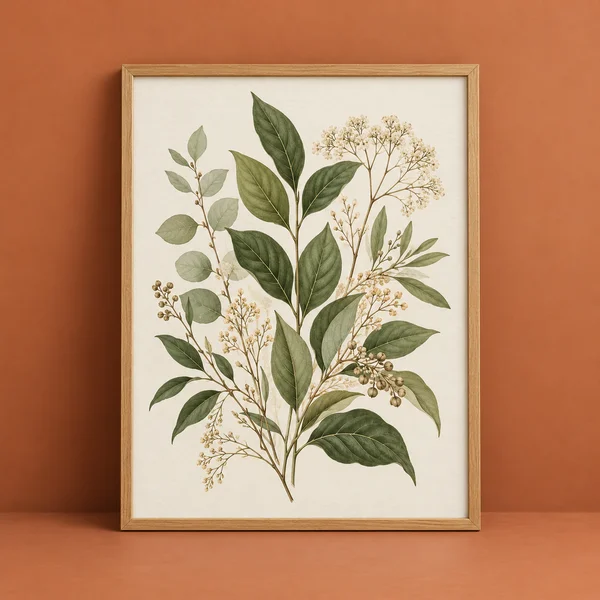
Botanical wall art print
What to check
Measure the wall and plan the spacing between frames before you hang a set. Paper templates on the wall help.
-
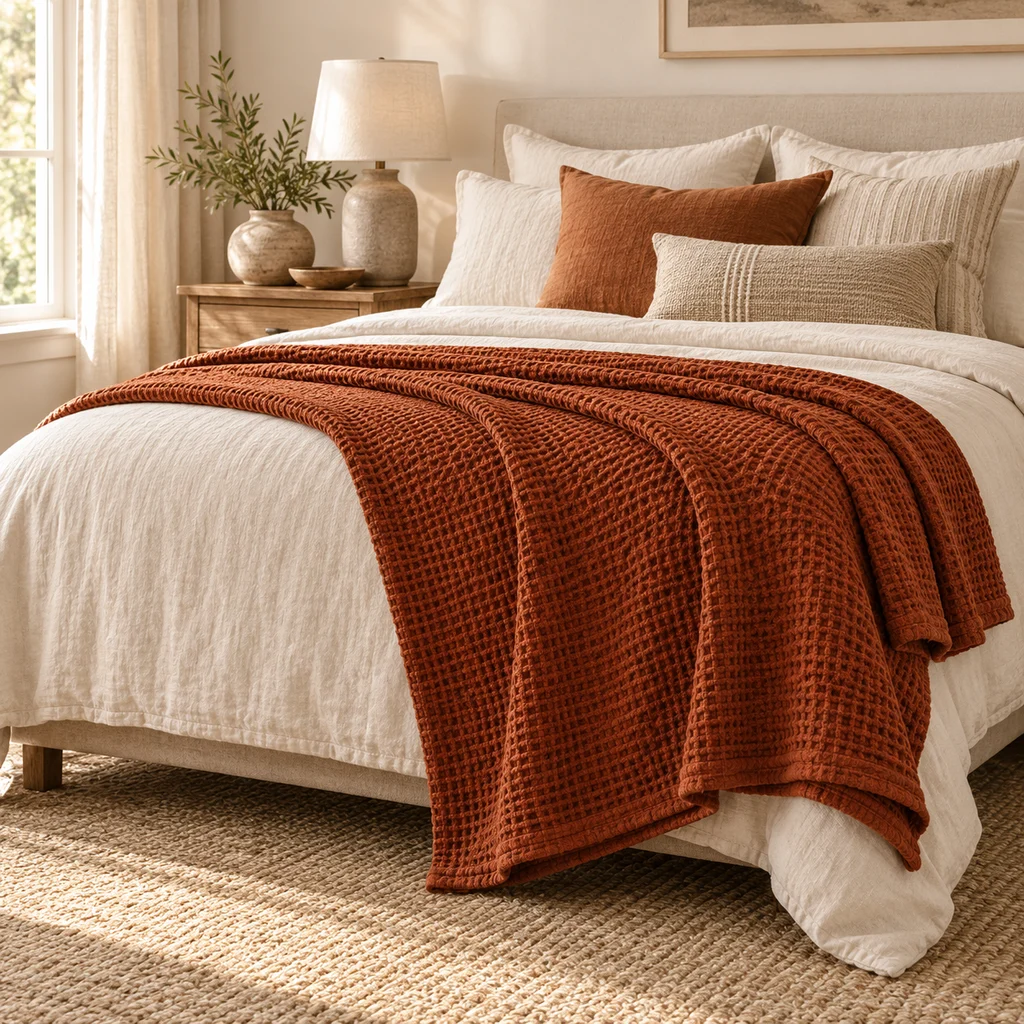
Cotton throw
What to check
Check the throw size against the bed or sofa it will sit on. A small throw reads as an accent; a larger one can cover your lap and feet.
-
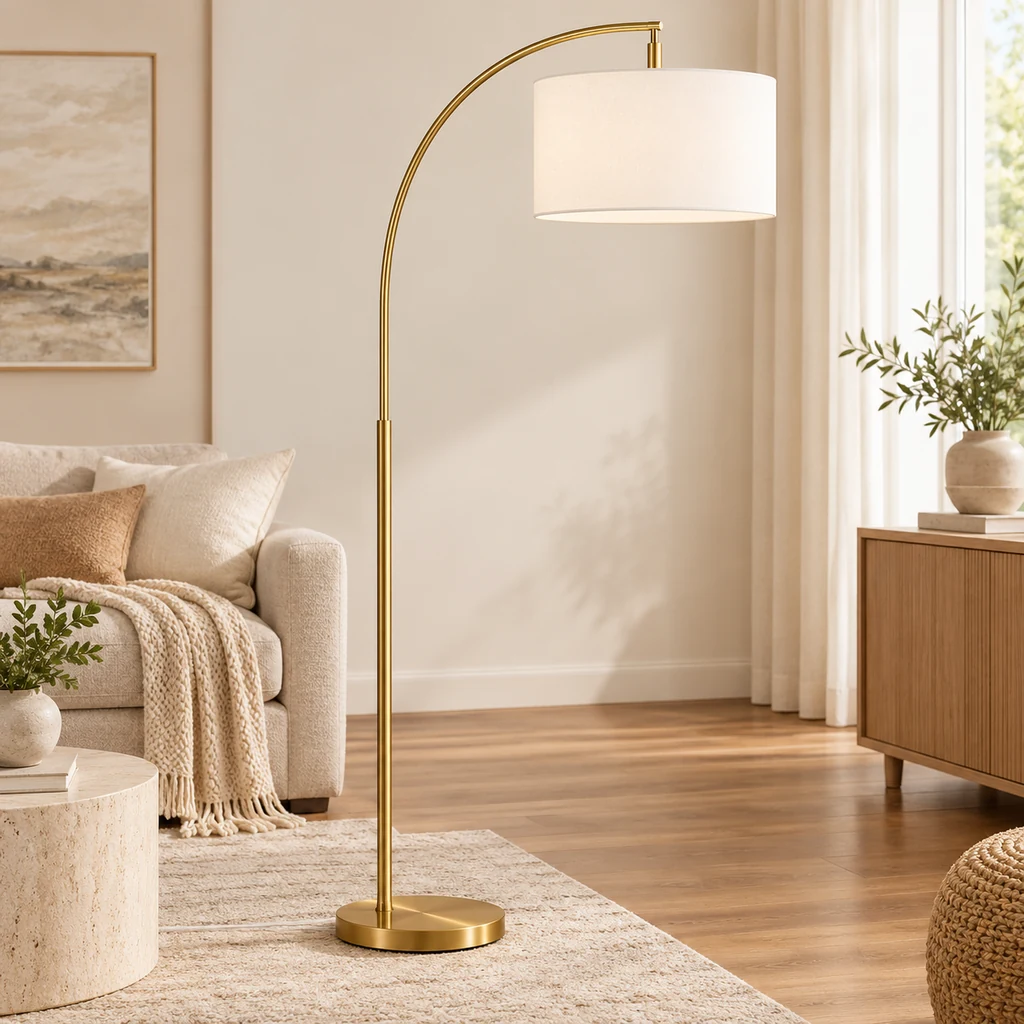
Floor lamp
What to check
Measure the arc reach and the floor space for the base. Arc lamps need weight at the base to stay steady.
-
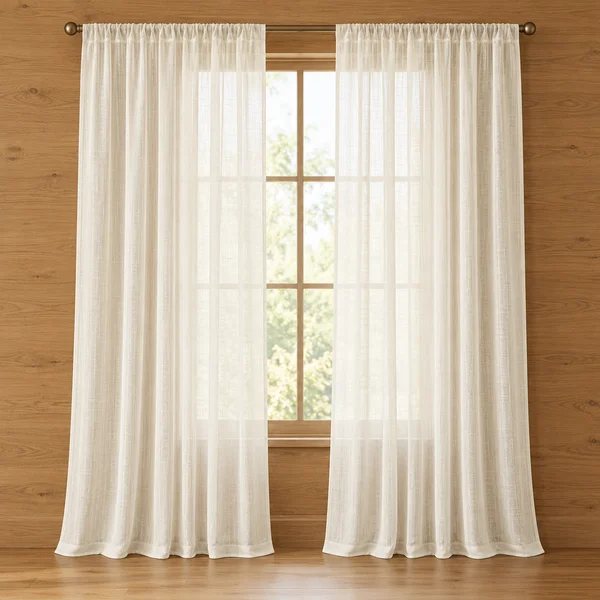
Ivory sheer curtains
What to check
Sheer curtains soften daylight but give little privacy at night. Pair them with a blind or blackout layer if you need it.
-
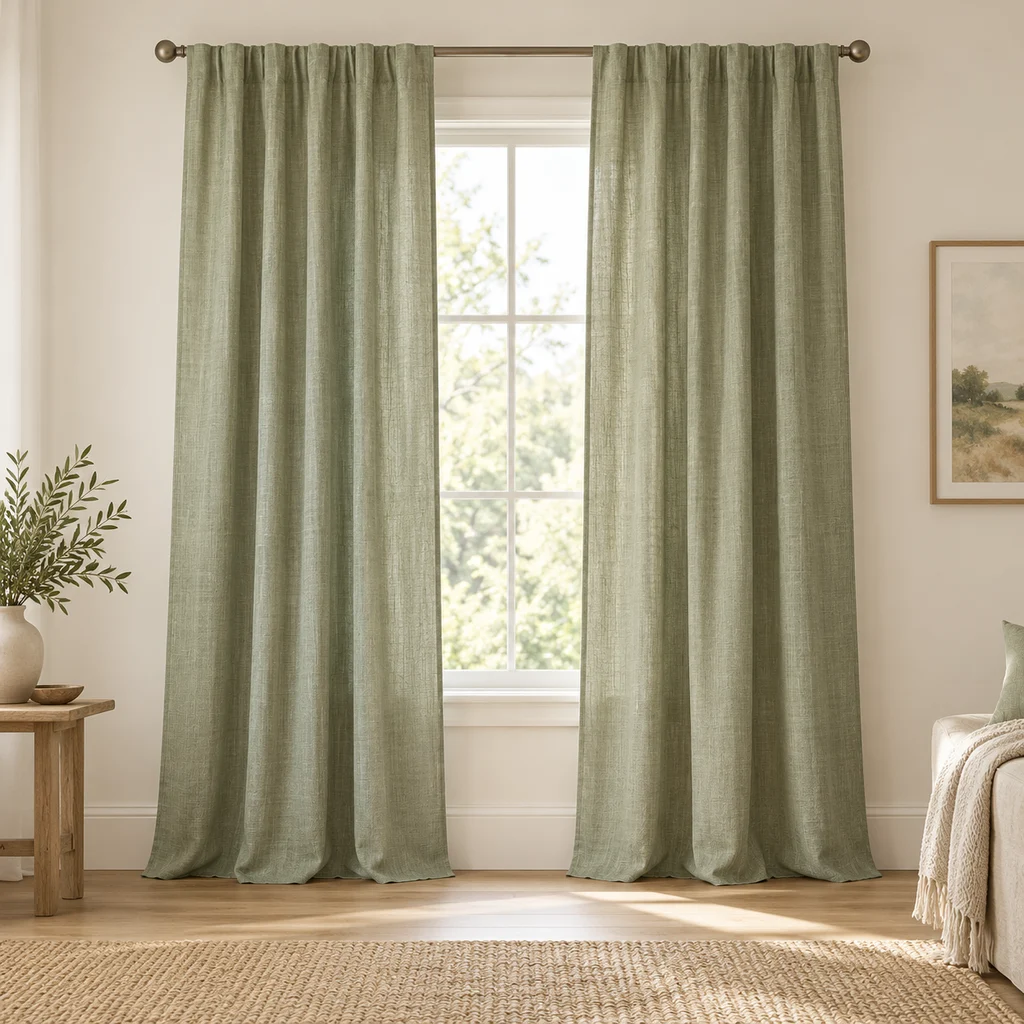
Linen curtains
What to check
Measure the window width and the drop from the rail to the floor. Curtains look fuller when the pair together is about twice the window width.
-

Oak picture frame
What to check
Check the frame size and the mat opening against your photo or print before you order.
-
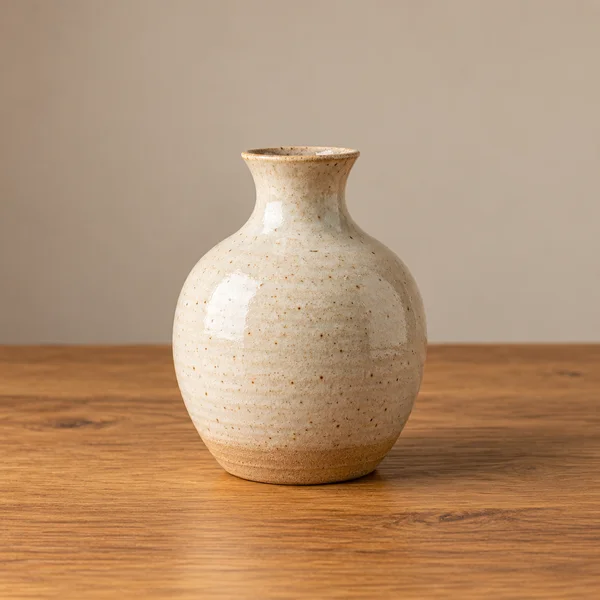
Small ceramic vase
What to check
Small vases suit a few stems or a single branch. Check whether the vase is watertight if you use fresh flowers.
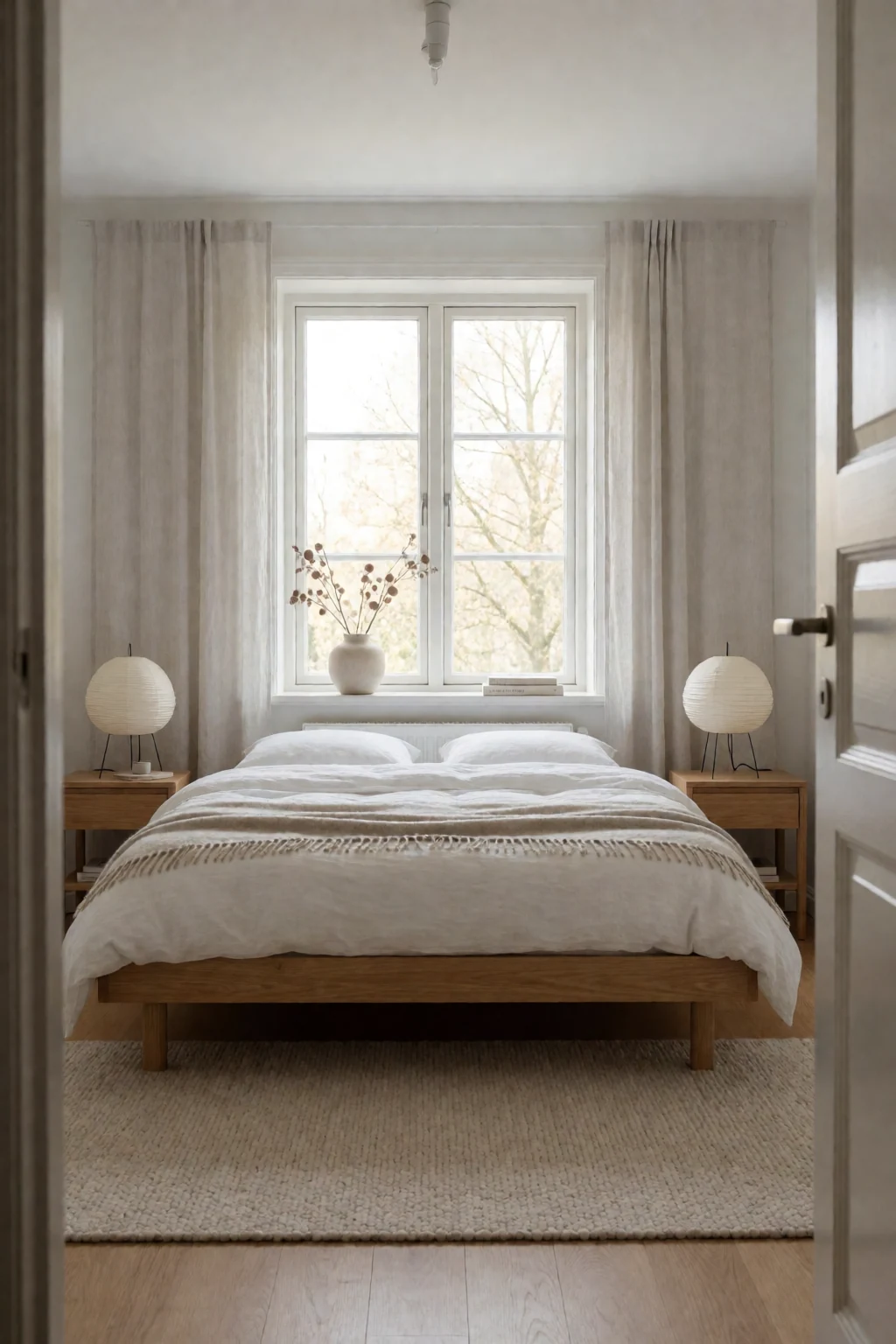
The gallery
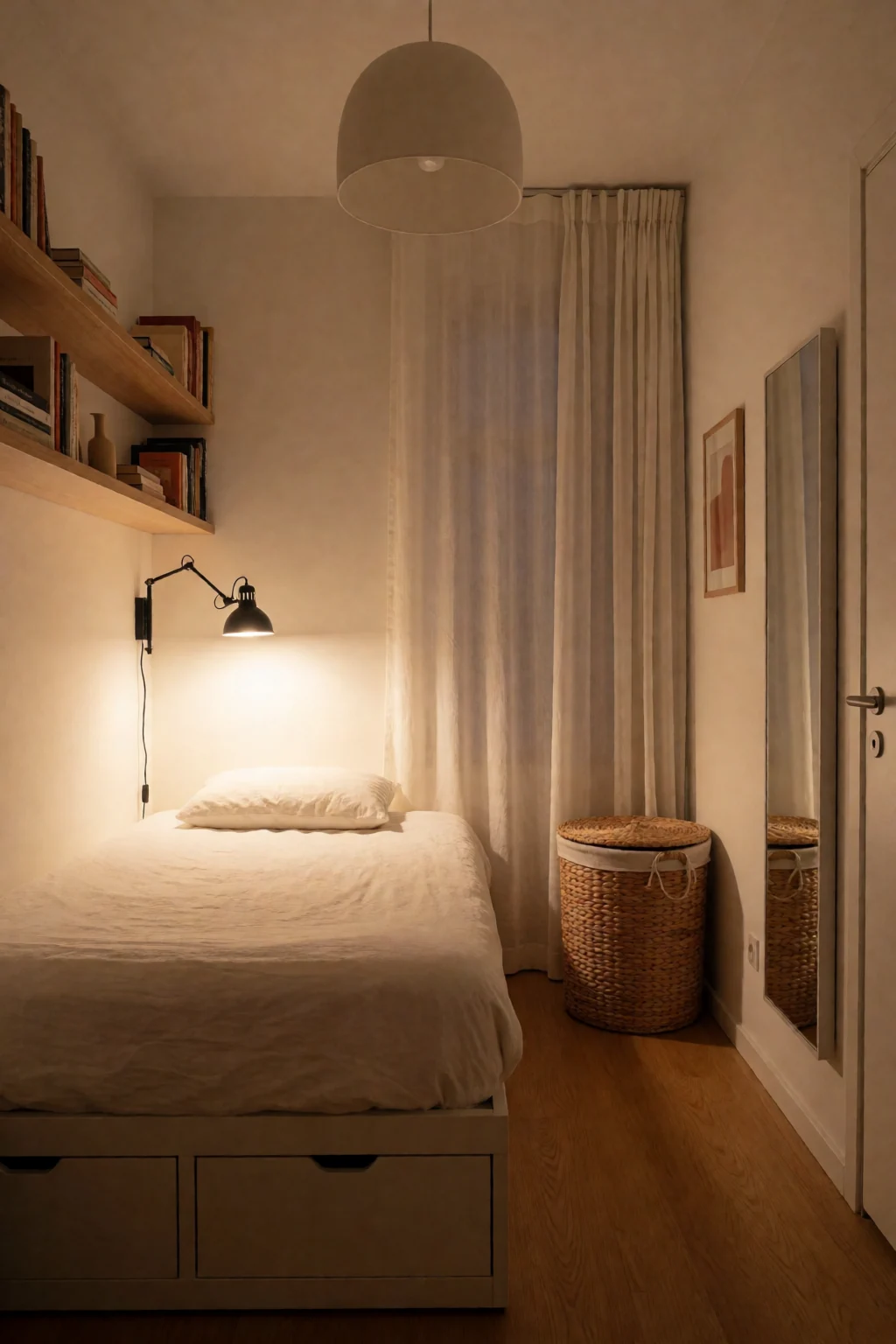
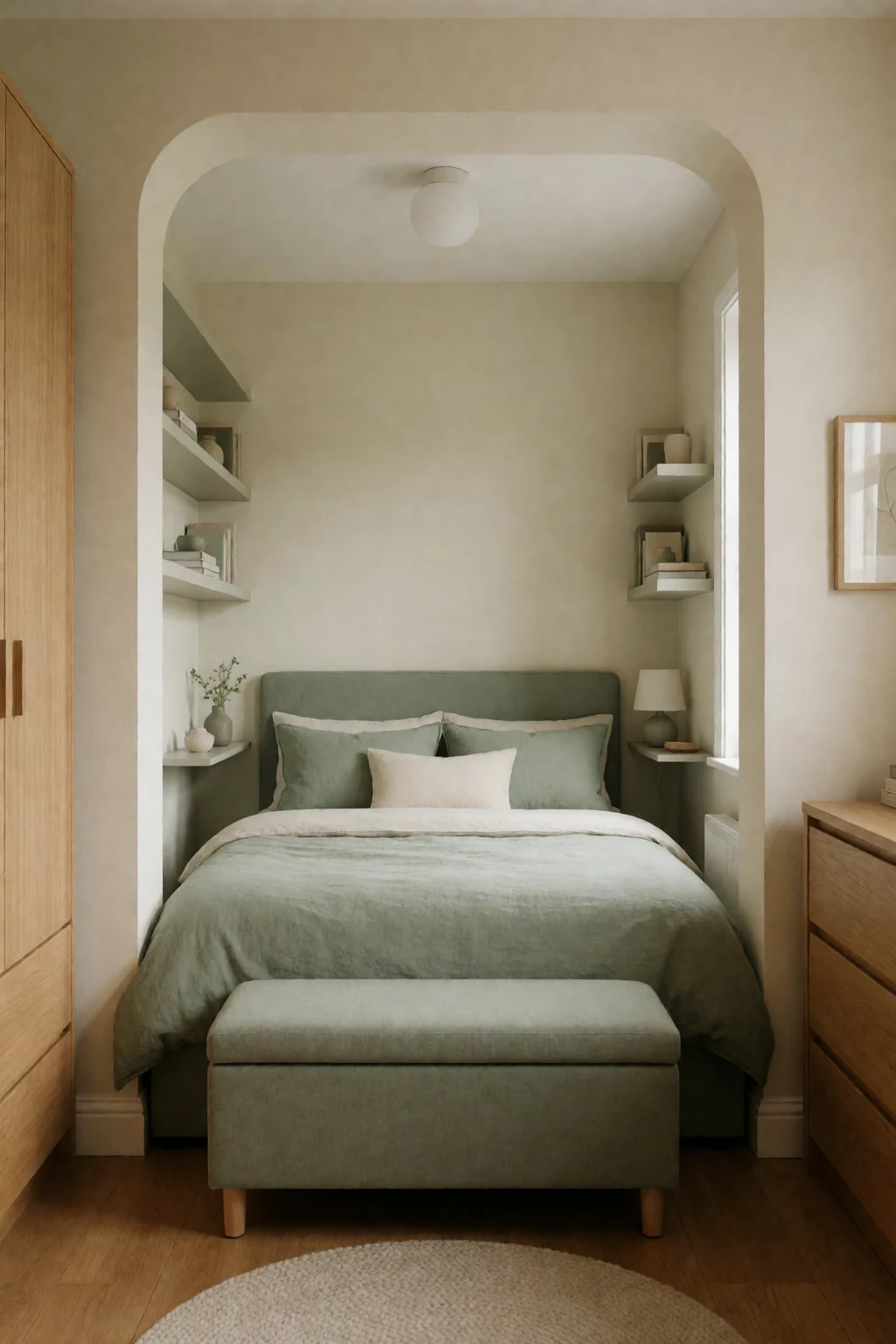
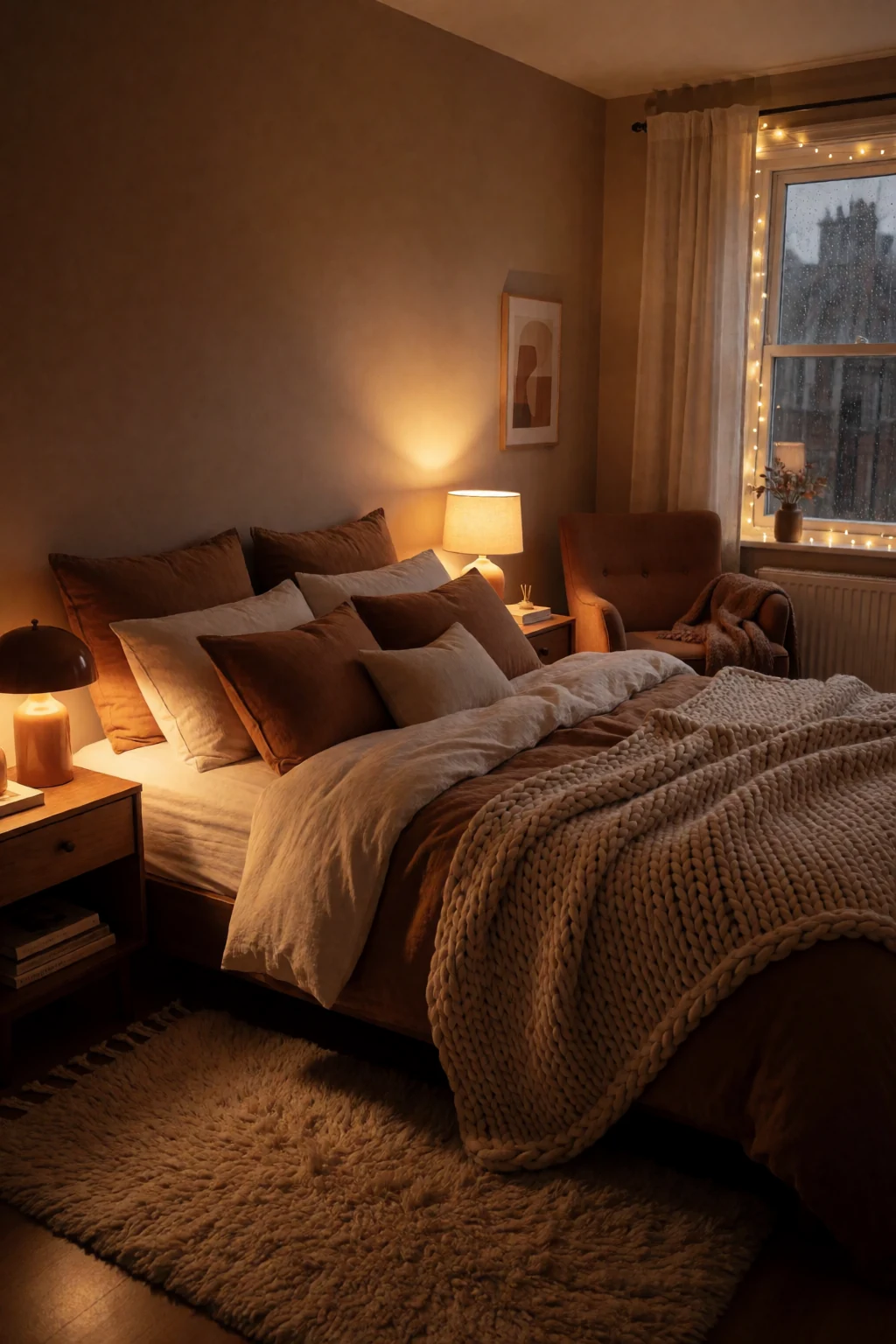
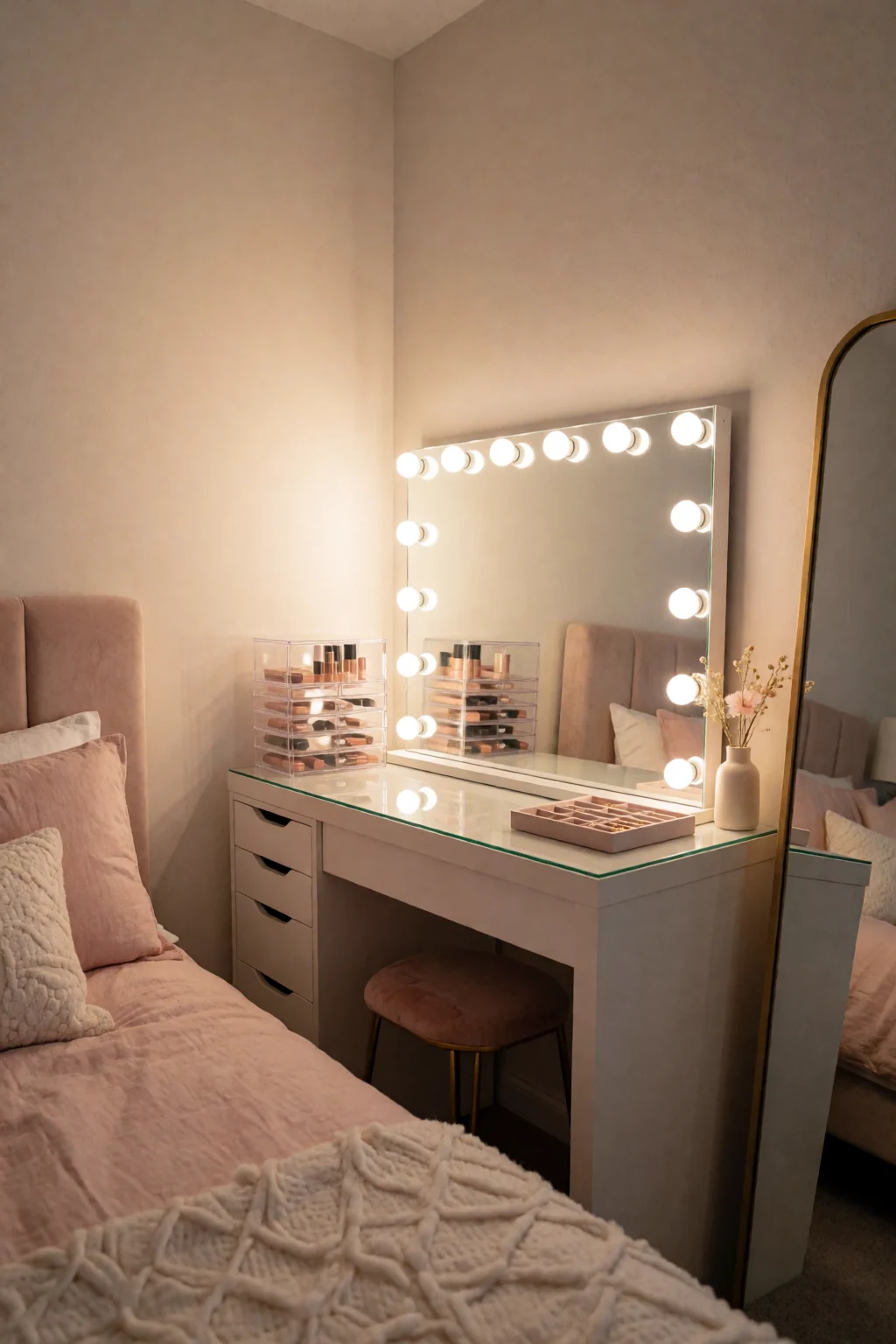
8 bedroom looks
Open a look to see its pieces.
Keep exploring
Related guides
 Work & gaming
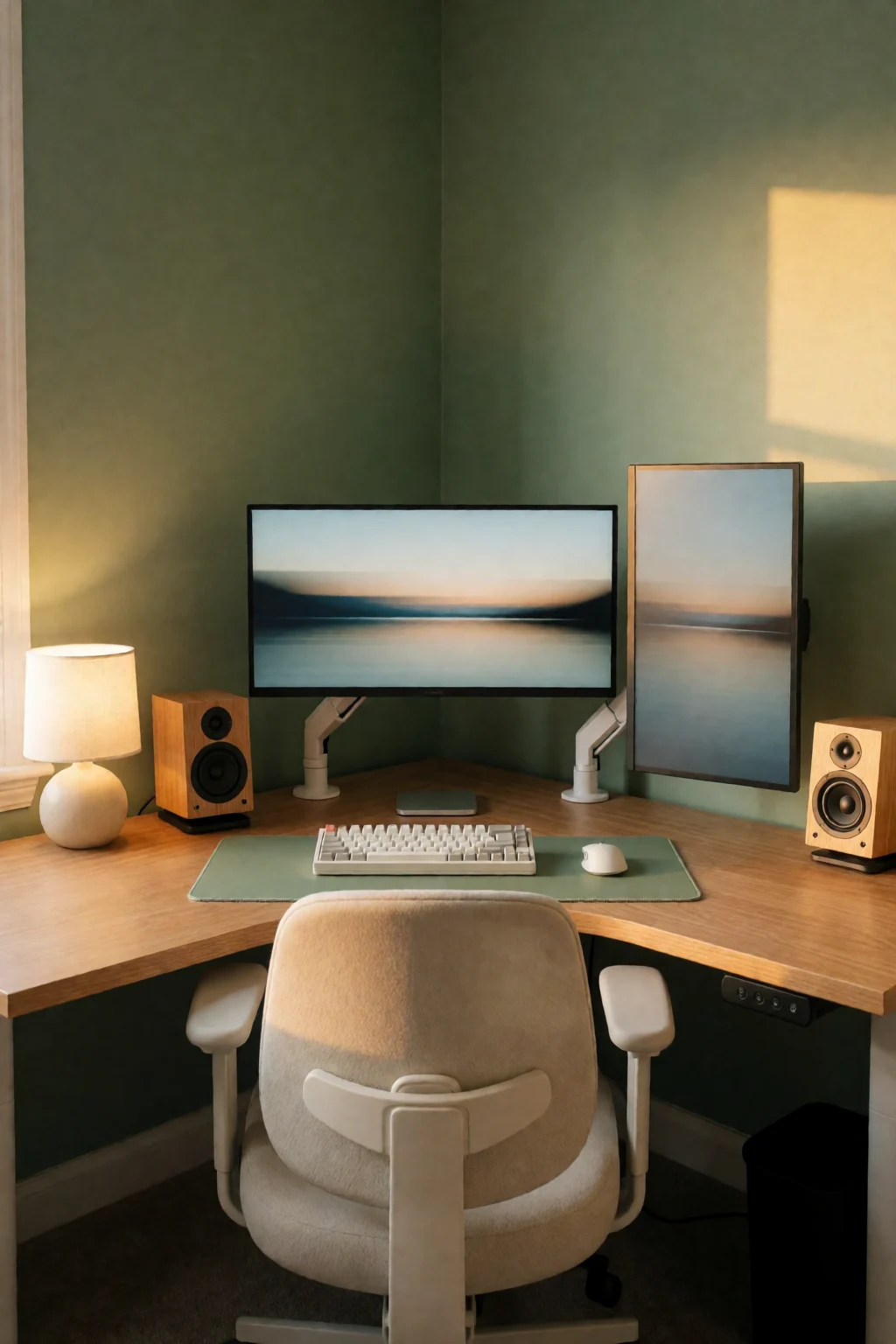
A desk area can use stronger contrast and brighter light for focus, while a bedroom palette stays low-contrast for rest.
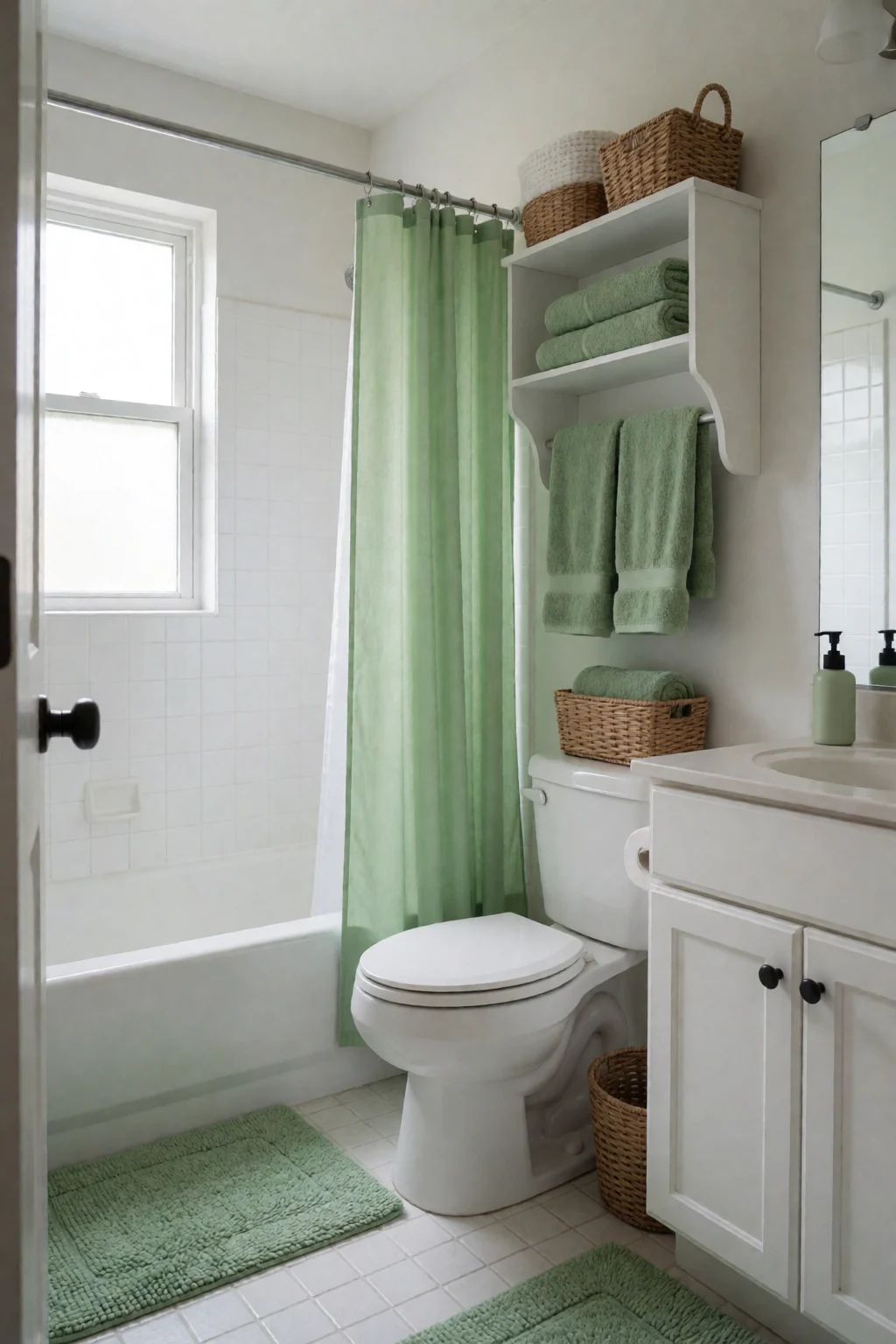 Bathroom
s use tile and shiny, reflective surfaces; bedrooms use matte paint and soft fabrics.
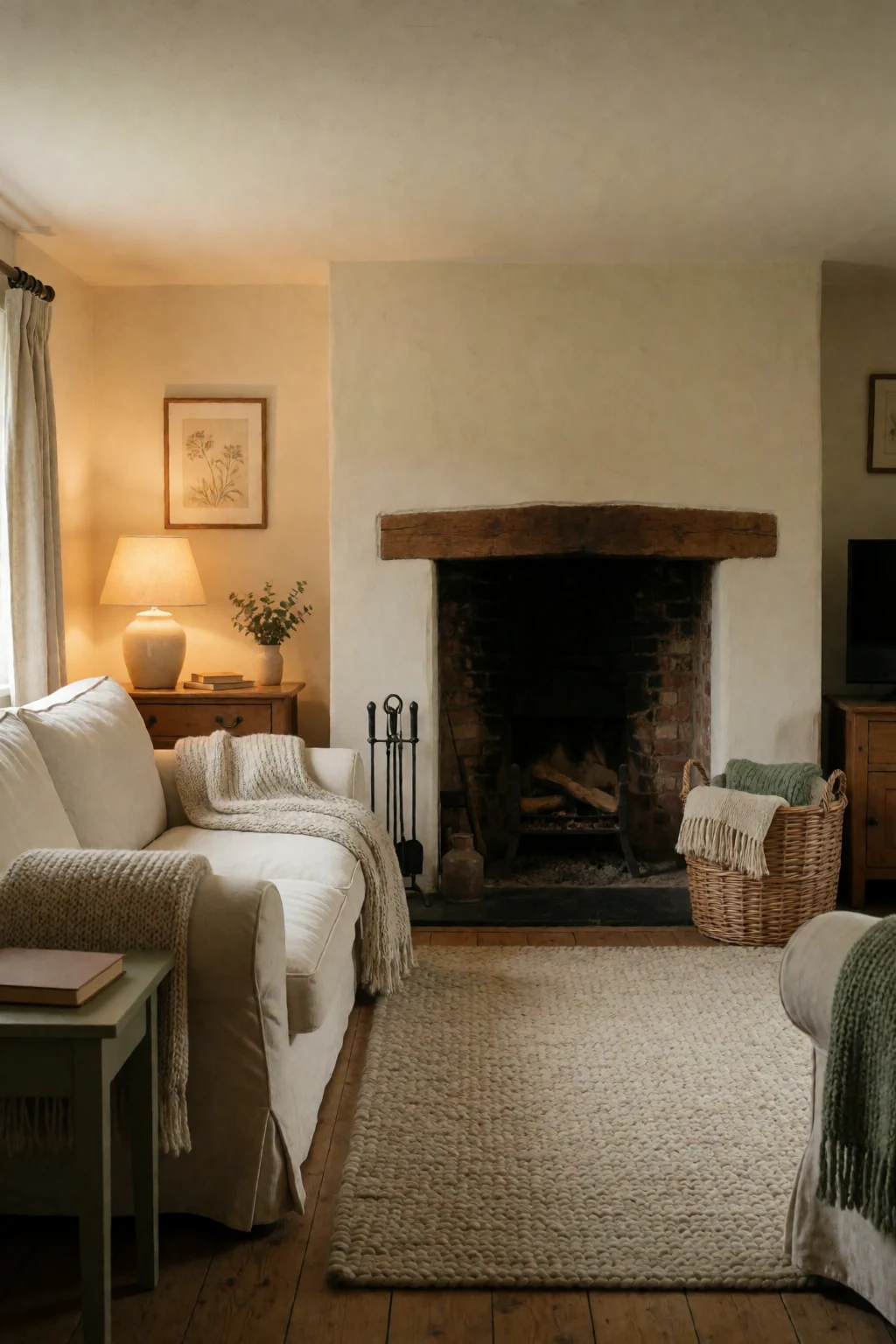 Living room
s can take more contrast because they are used for more things, while bedrooms aim for one calm look.
Questions
How many colours should a bedroom scheme have?
Three: a main neutral for the walls and big surfaces, a second tone for bedding and rugs, and an accent for small things.
What paint finish suits bedroom walls?
Matte or eggshell. Matte looks soft and hides small marks; eggshell has a slight sheen and stands up to a light wipe.
How do I match bedding to my wall colour?
Check whether the paint leans warm (yellow, pink, red) or cool (blue, green, grey) and choose bedding with the same lean, or go with plain white or oatmeal for clean contrast.
Can a small bedroom be dark?
Yes. Charcoal, deep olive or navy can make a small bedroom feel cozy, especially with a light ceiling, warm lamps and pale wood.