Room ideas / Bedroom
Bedroom storage ideas for small rooms
A small bedroom gets a lot more storage when you use the wall above head height, the space under the bed and the full height of the wardrobe, without adding another bulky dresser.
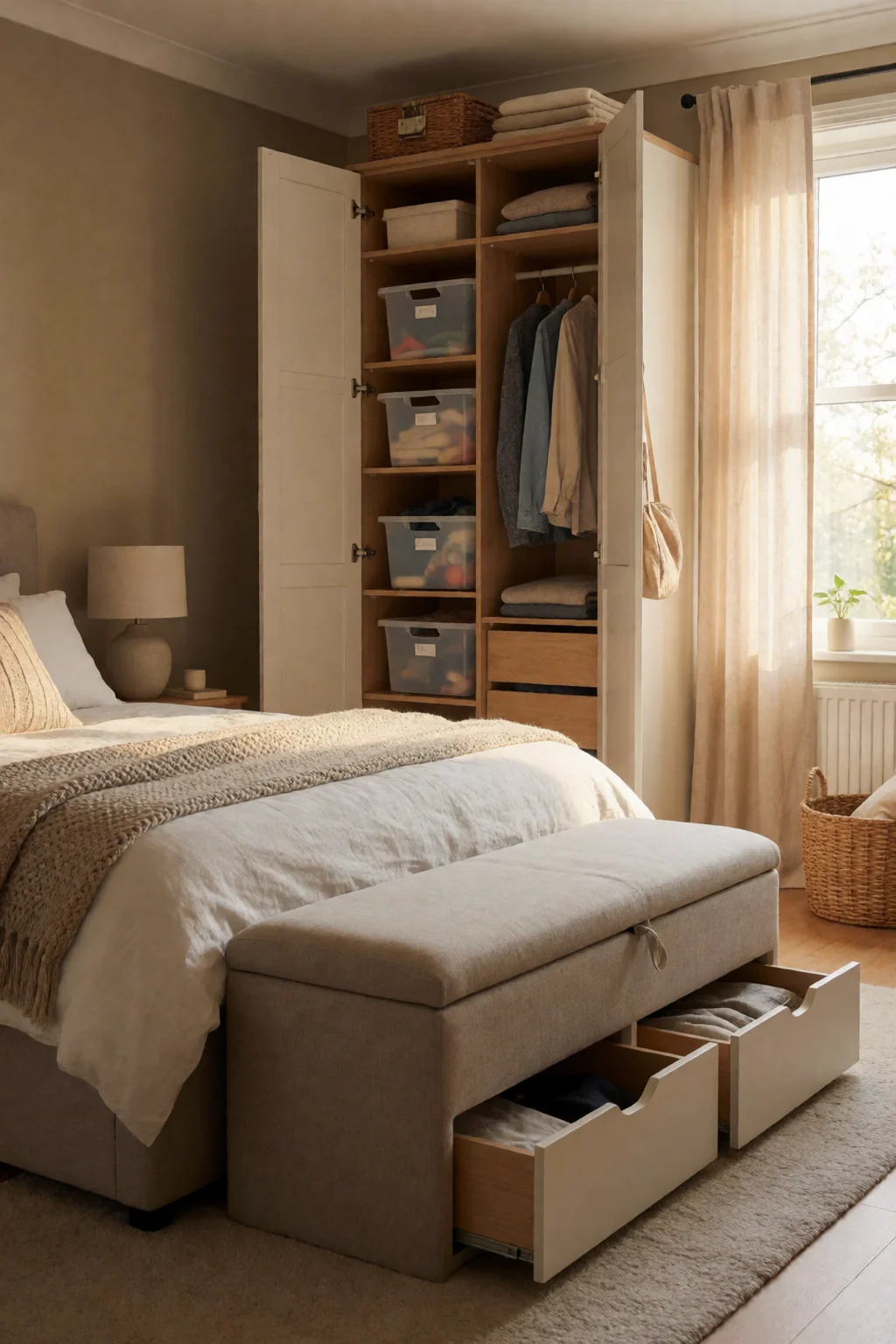
Three places most bedrooms waste
- Put shelves high, near the ceiling or above the door frame, for seasonal things and spare bedding.
- Use rolling bins or low baskets under the bed that slide straight out, not heavy boxes you have to lift the mattress to reach.
- Split the wardrobe rail into two levels to fit twice as many shirts, trousers and skirts.
Storage that does not crowd the room
Most small bedrooms have unused space above the headboard, under the mattress and at the top of the wardrobe. Floating shelves, low under-bed bins and wardrobe organisers store more in less floor space than another chest of drawers, and nothing ends up living on a chair.
An organised small bedroom has clear surfaces, clothes hung by length, and matching bins tucked out of sight. Sticking to one or two materials, such as wood, canvas or matte metal, keeps it calm. Each spot is chosen so you can grab a jumper or a spare blanket without moving three other things.
Everything here is scaled for tight spaces, narrow door swings and not much floor. Wall-mounted and built-in storage keeps the floor visible, which makes the room look bigger.
Five storage combinations
- Rolling crates, shelf dividers, door rack
- Low wood-slat crates on wheels under the bed for winter blankets, canvas dividers on wardrobe shelves to keep jumpers in neat stacks, and a tiered rack on the back of the door for accessories.
- Wall shelves, bench, double rail
- Three floating shelves above the desk or dresser for books and baskets, a storage bench at the foot of the bed for spare pillows, and a double rail in the wardrobe. A lot more storage on the same floor.
- Bed pocket, tall bookcase, wardrobe bins
- A fabric caddy on the side of the bed frame for glasses and a notebook, a tall shallow bookcase in a tight corner for folded clothes, and matching fabric bins on the top wardrobe shelf.
- Wall rail, under-bed bags, door pegs
- A sturdy steel rail fixed to a bare wall for this week's clothes, zipped canvas bags under the bed for out-of-season ones, and a row of wooden pegs behind the door for robes and bags.
- Storage bed, floating drawer, wardrobe shelves
- A bed frame with drawers built in, so you need no separate dresser, a single floating drawer beside the mattress for small things, and adjustable wire shelving in the wardrobe.
Doors, walls, habits and looks
- Doors and drawers
- Before adding shelves, bookcases or under-bed bins, measure how far the bedroom door, wardrobe doors and windows swing. Storage that blocks even three inches of a door is annoying every day. Check you can still walk round the bed with every drawer pulled out.
- What the wall can hold
- Shelves of books or folded jeans need fixing into the studs. On lath-and-plaster or hollow plasterboard, use heavy-duty toggle bolts or find the studs with a detector. Never guess the load on a shelf above a bed.
- How often you use things
- Sort before you decide where things go. Everyday clothes, shoes and current reading belong between waist and eye level. Seasonal coats, decorations and spare pillows go up high or deep under the bed.
- Open storage that looks tidy
- Open shelves look messy fast if the containers do not match. Pick one family, such as natural canvas bins, seagrass baskets or matte black wire boxes, and keep the colours neutral.
Sort, measure, then install
Sort what is in the room into three piles: daily, occasional and seasonal. Measure the bare walls, the inside height of the wardrobe and the gap under the bed. Those numbers tell you whether you need rolling bins, wall shelves or wardrobe inserts. Clear everything off chairs and the floor so you start with a blank room.
Install from the biggest storage down. Wardrobe rails and shelf dividers first. Then the under-bed bins for blankets and out-of-season shoes. Last, the high wall shelves or a narrow bookcase in a spare corner. Set shelf heights to fit your actual boxes so no height is wasted.
Shop the pieces
16 bedroom pieces
Links open similar items, not the pictured ones.
-
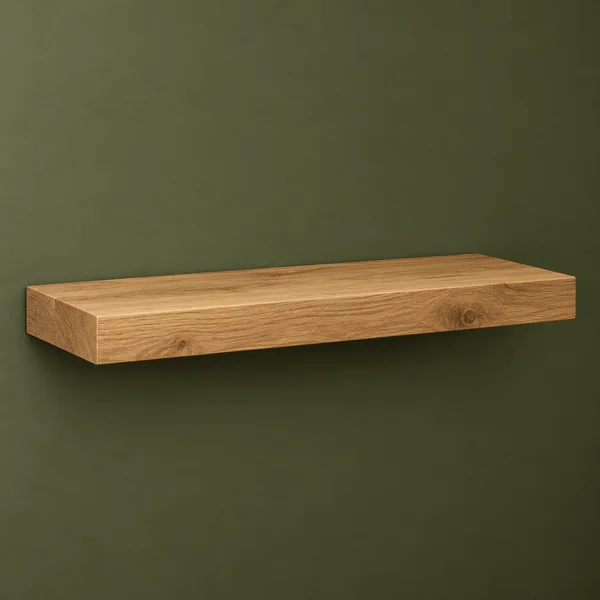
Wood floating wall shelf
What to check
Check the shelf depth and weight rating, and fix into studs or solid wall plugs.
-
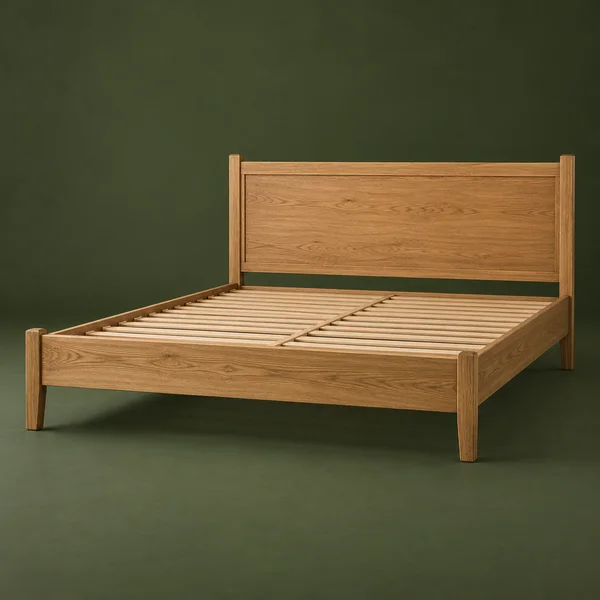
Oak wood bed frame
What to check
Check the slat spacing for your mattress type and the height under the frame for storage.
-
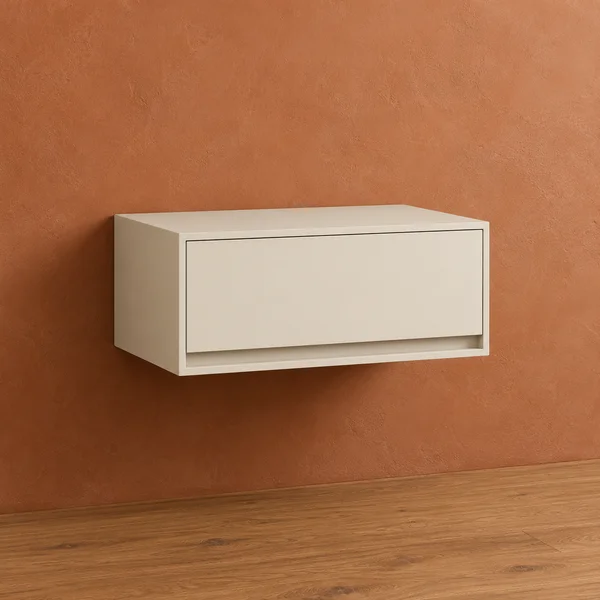
Wall mounted bedside drawer
What to check
Wall-mounted drawers need solid fixings and leave the floor clear. Mount them at a height you can reach from bed.
-
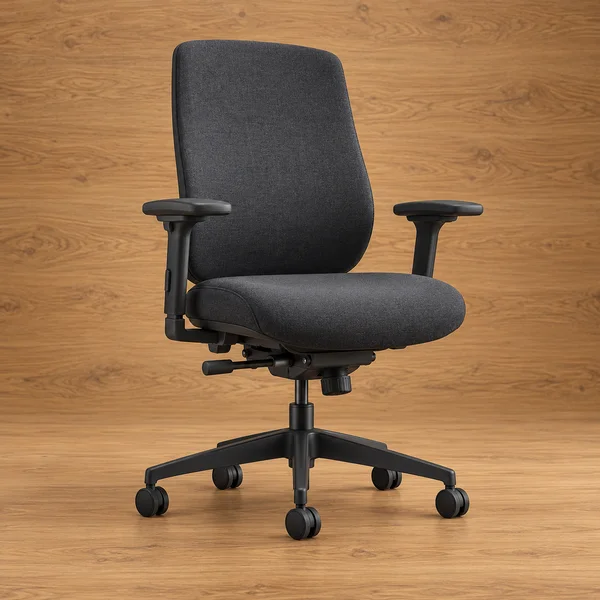
Adjustable desk chair
What to check
Check the seat height range against your desk: most desks are about 29 to 30 inches tall, and your elbows should rest level with the keyboard.
-
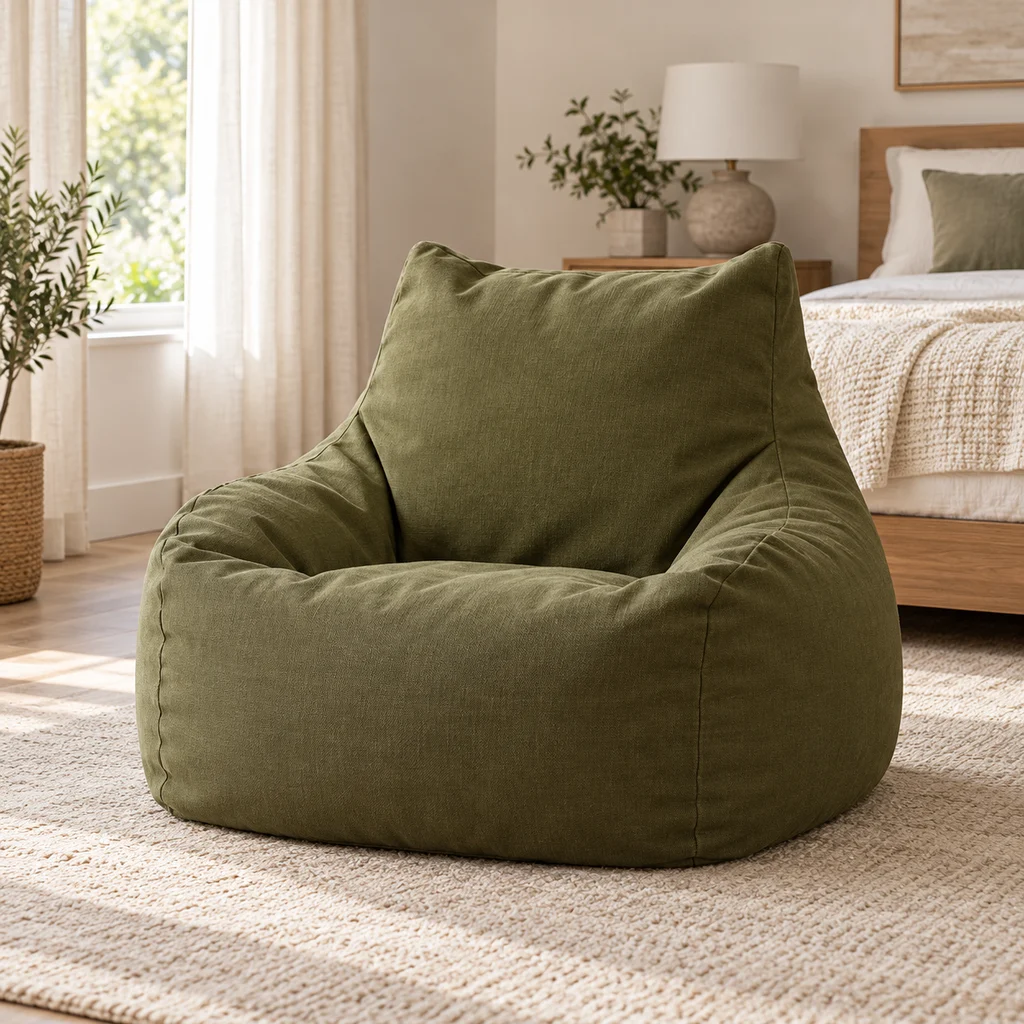
Bean bag chair
What to check
Bean bags settle over time and may need topping up. Check whether the cover comes off for washing.
-
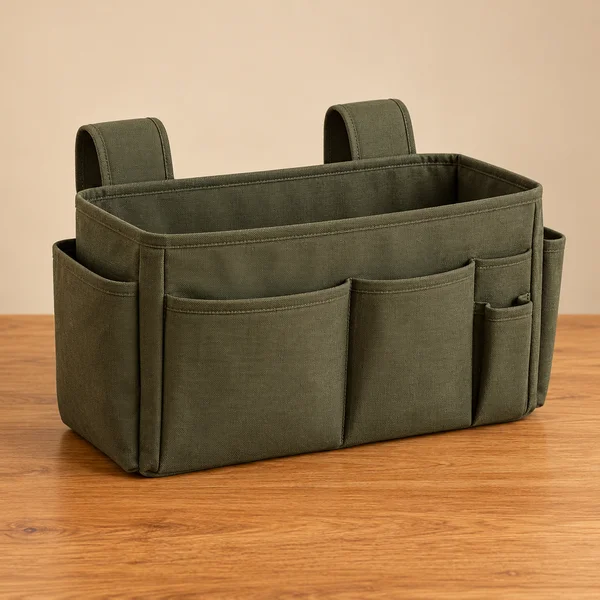
Bedside storage basket
What to check
Measure the gap between the mattress and the wall or frame. A bedside caddy needs a firm mattress edge to tuck under.
-
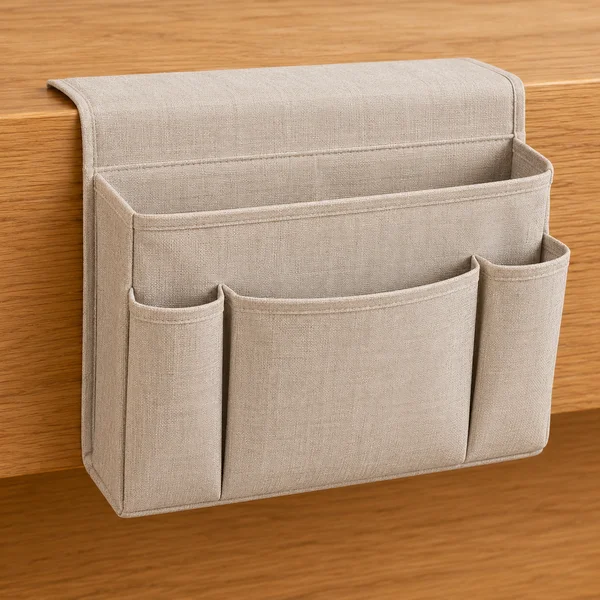
Bedside storage pocket
What to check
Check the pocket depth suits what you will put in it, from a phone to a paperback.
-
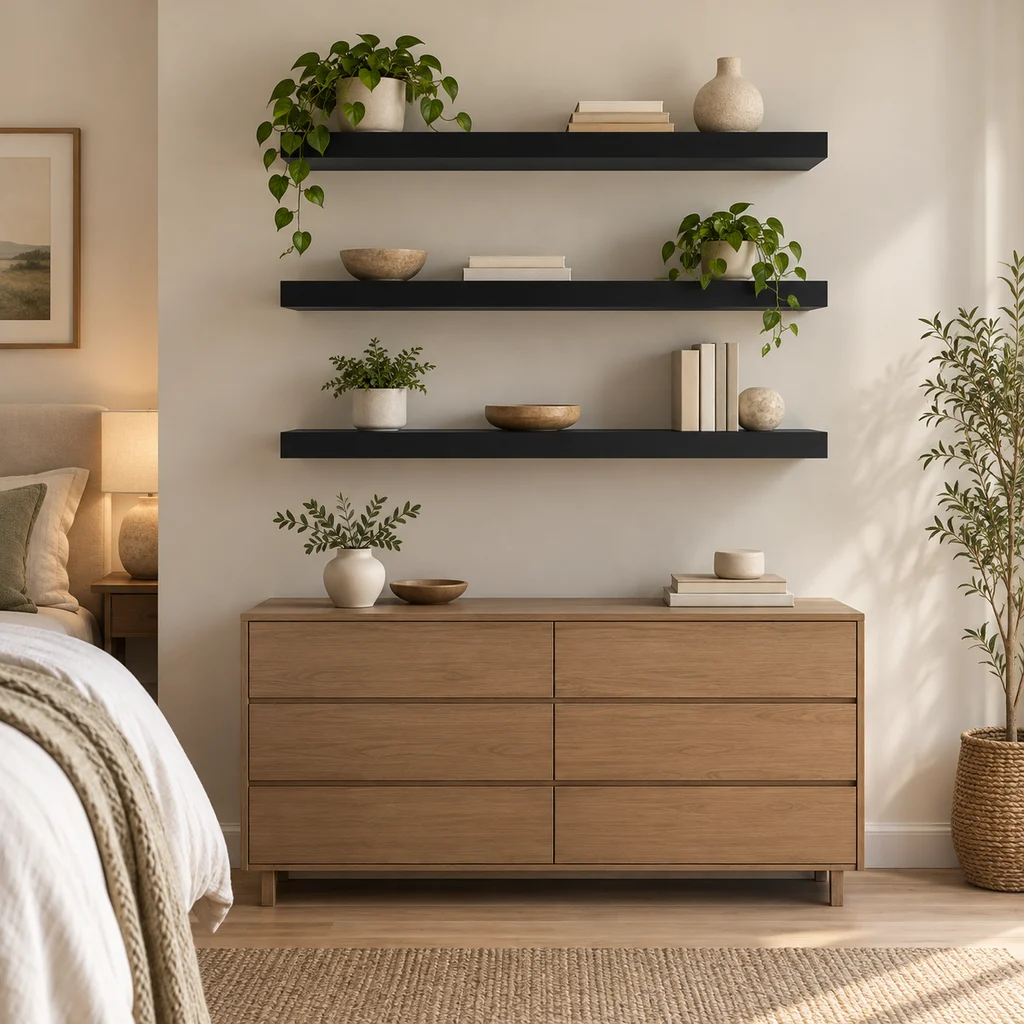
Floating shelves
What to check
Floating shelves hold less than bracket shelves. Check the weight rating and fix into studs or solid wall plugs if you plan to stack books.
Show all 16 pieces
-
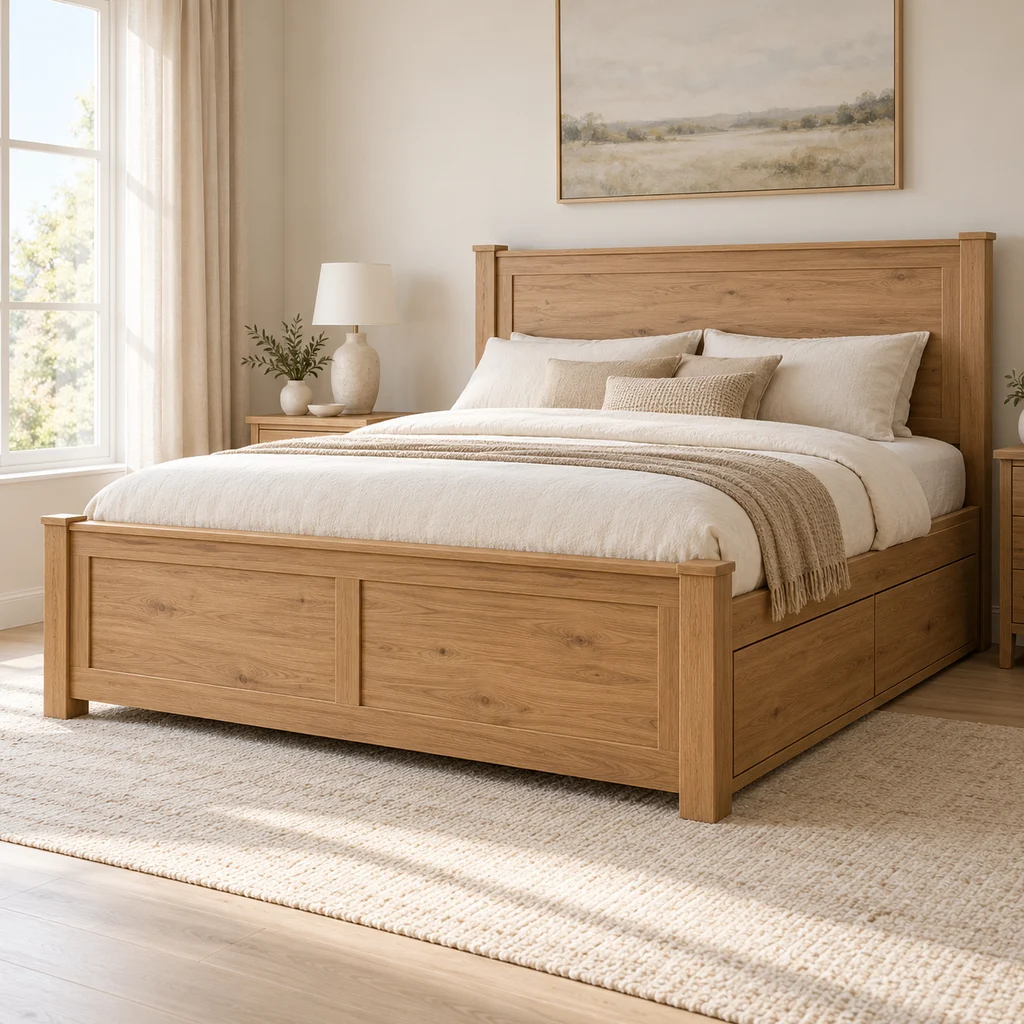
Storage bed
What to check
Drawers need clear floor space to open: check the gap between the bed and walls or nightstands on the drawer side.
-
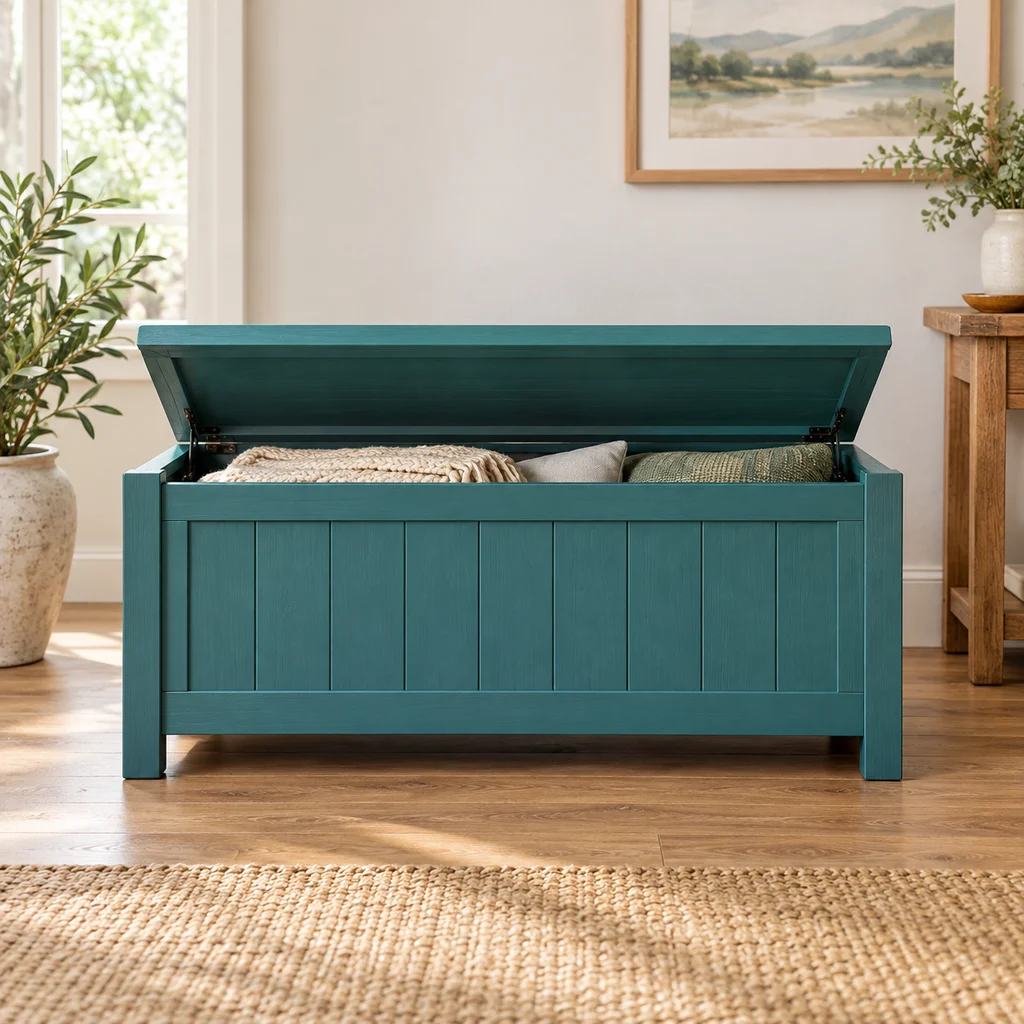
Storage bench
What to check
Measure the space at the foot of the bed and leave room to walk past. Check the lid has a soft-close hinge if small hands are around.
-
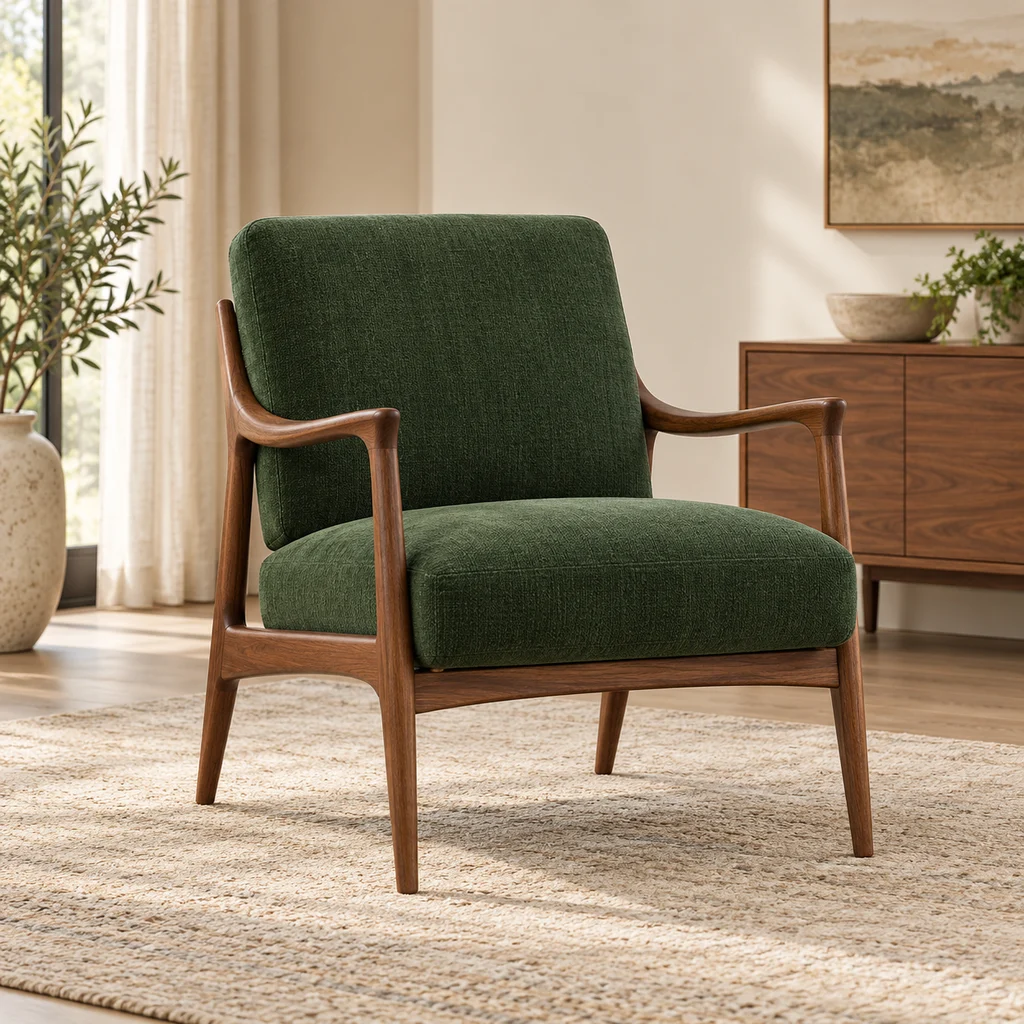
Accent chair
What to check
Measure the floor space and the doorway. Barrel chairs are deep, and a pair needs more room than it looks.
-
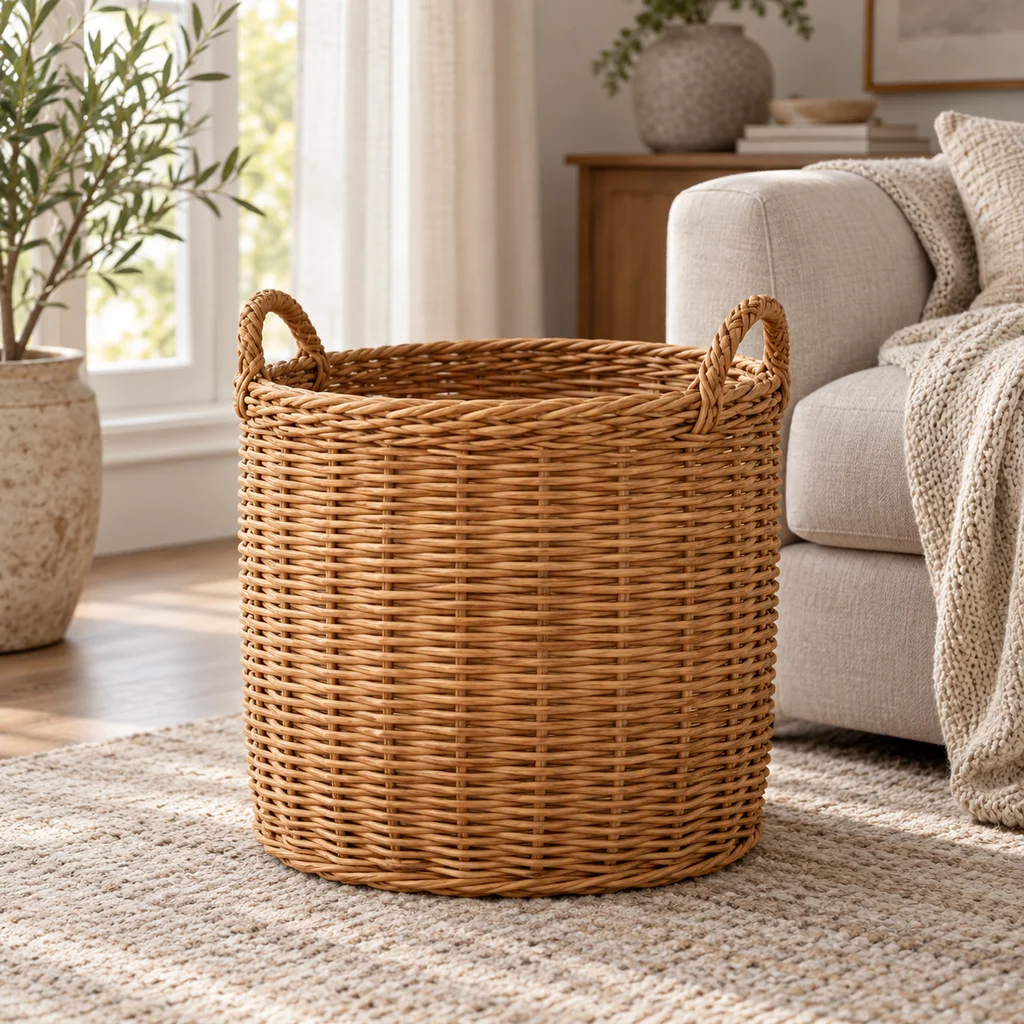
Blanket basket
What to check
Check the basket opening is wide enough for a folded throw, and that the weave will not snag fine knits.
-
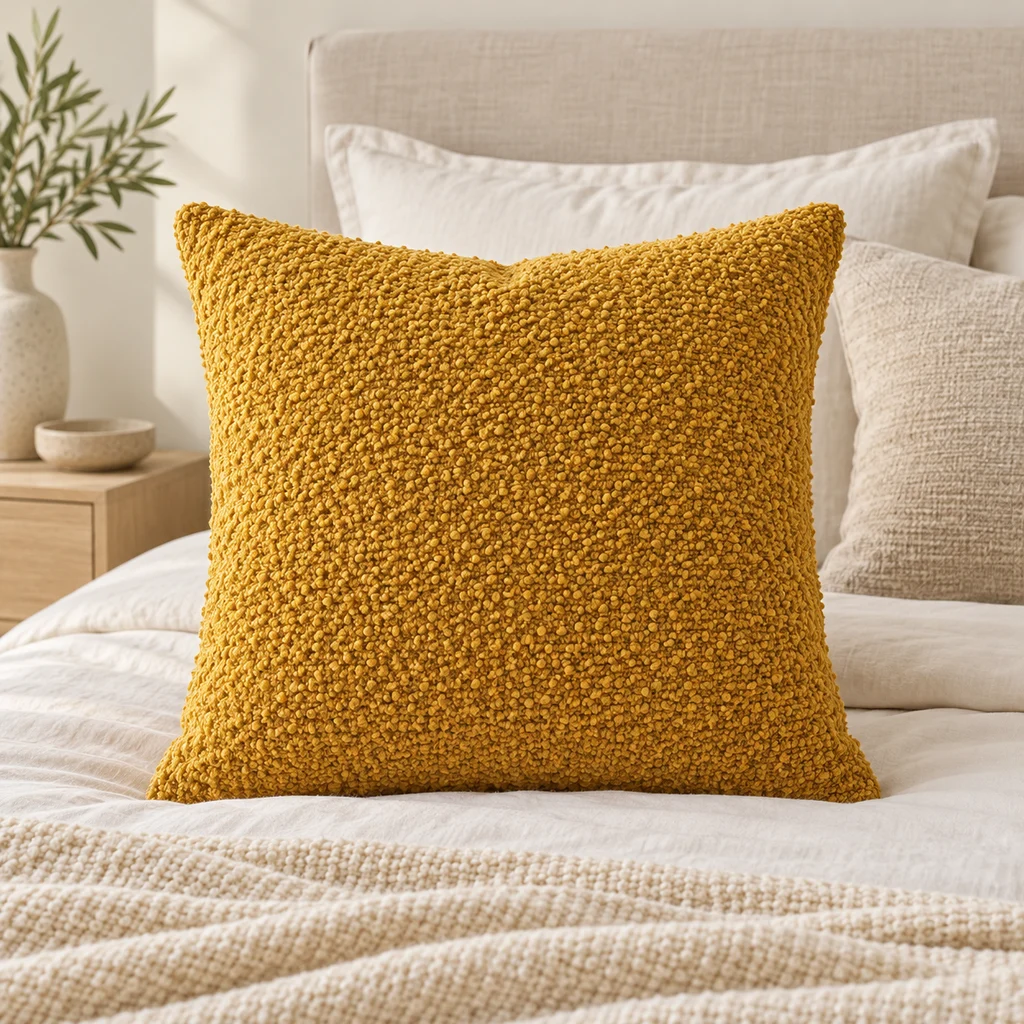
Bouclé pillow
What to check
The linked covers are faux fur, not bouclé. Check the cover size and whether inserts are included before you buy.
-
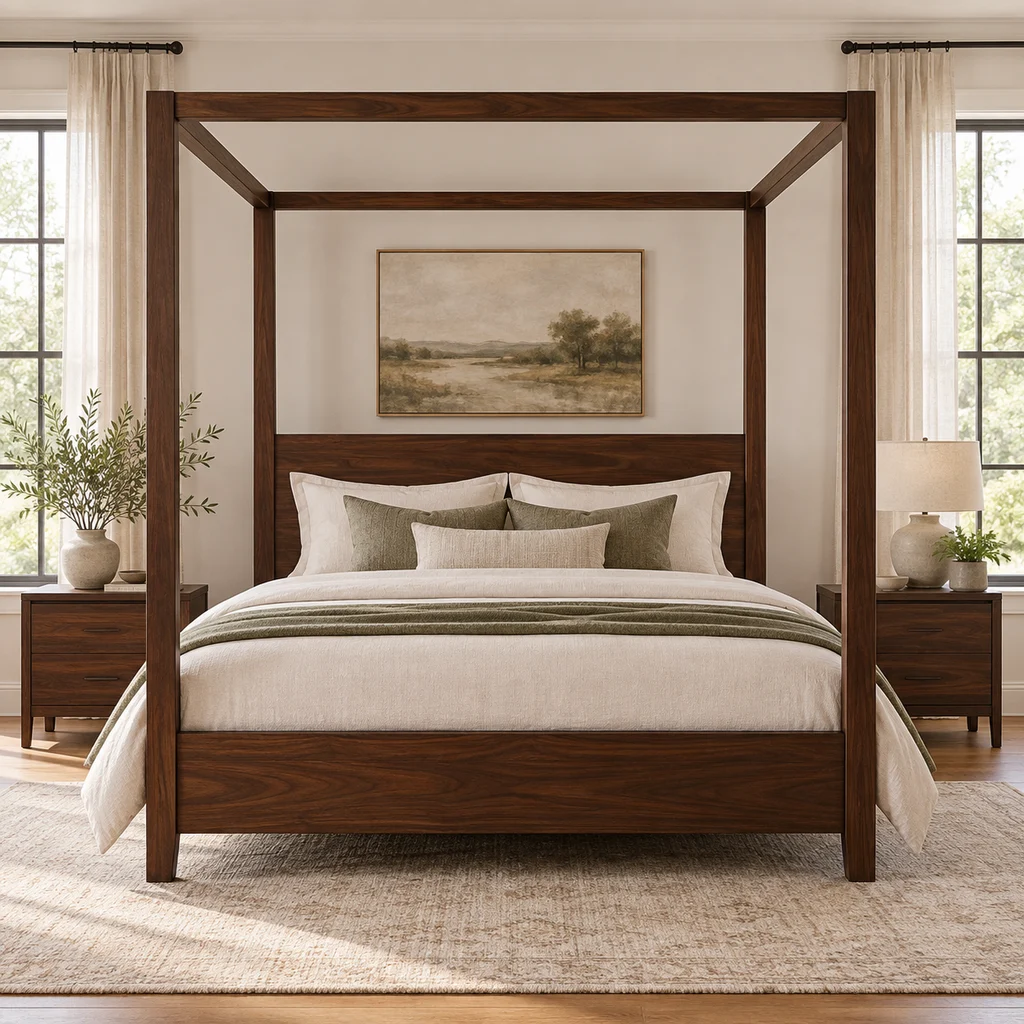
Canopy bed
What to check
Measure your ceiling height before buying a canopy frame. In a low or sloped room the posts can make the space feel smaller.
-
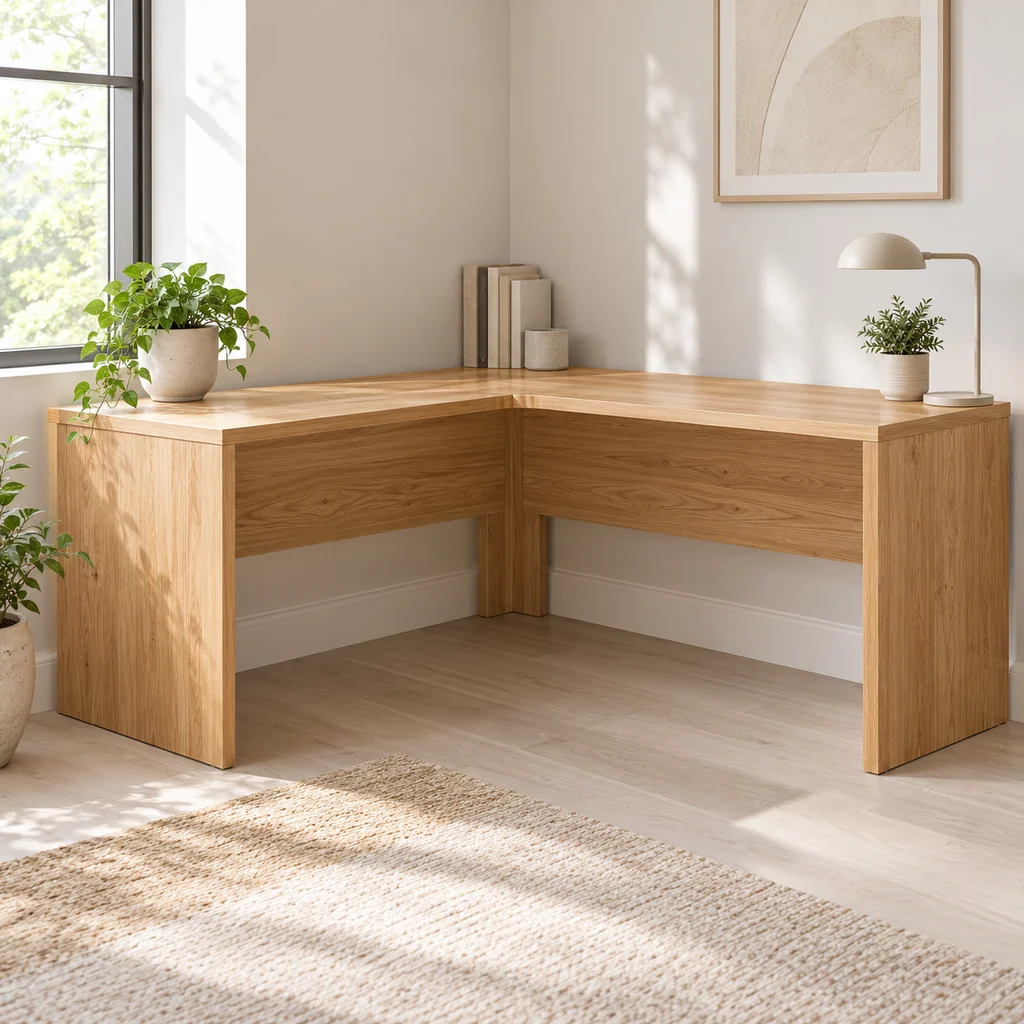
Corner desk
What to check
Measure both walls and the diagonal path into the room. Large L desks often arrive in heavy flat-pack boxes.
-
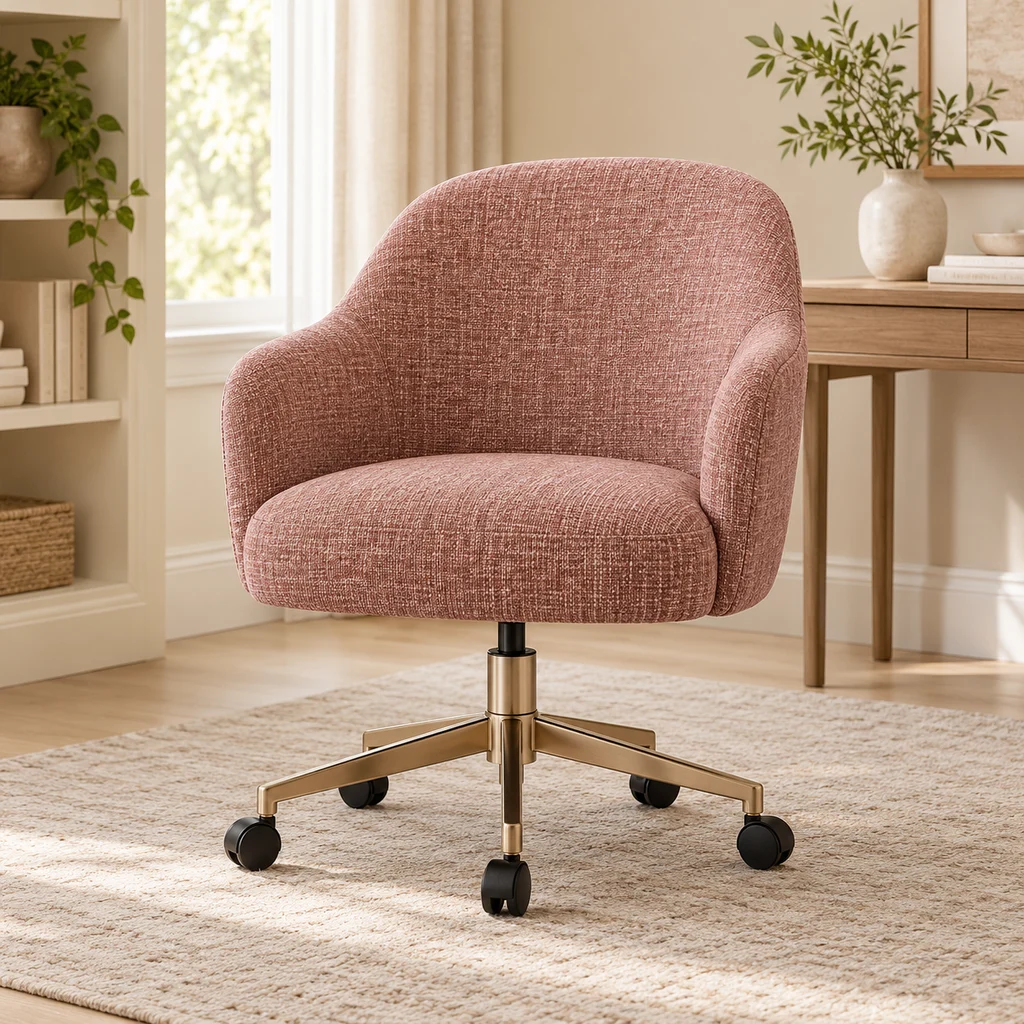
Desk chair
What to check
Vanity-style desk chairs are light but often have less back support. Fine for short sessions; check the seat height range for long ones.
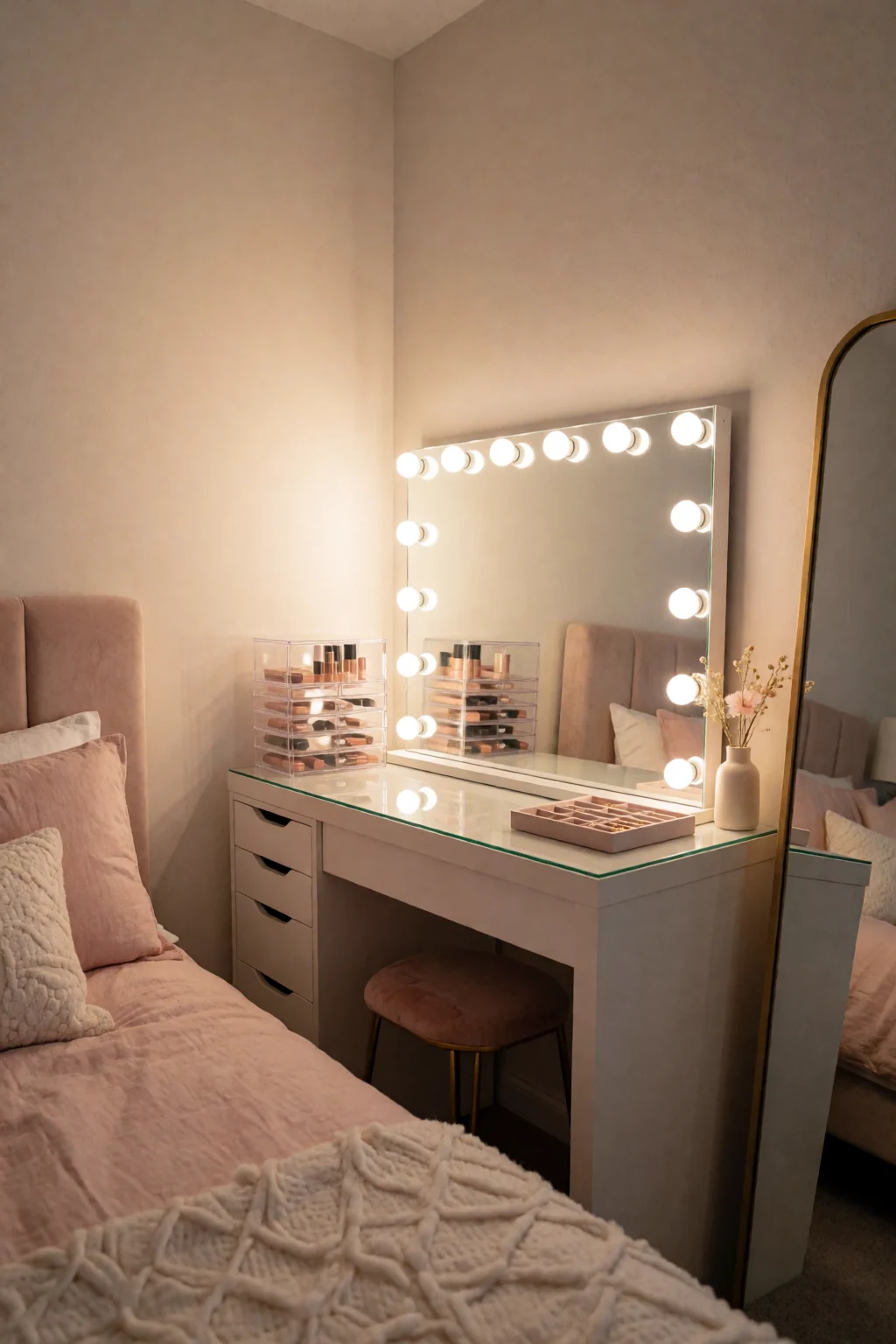
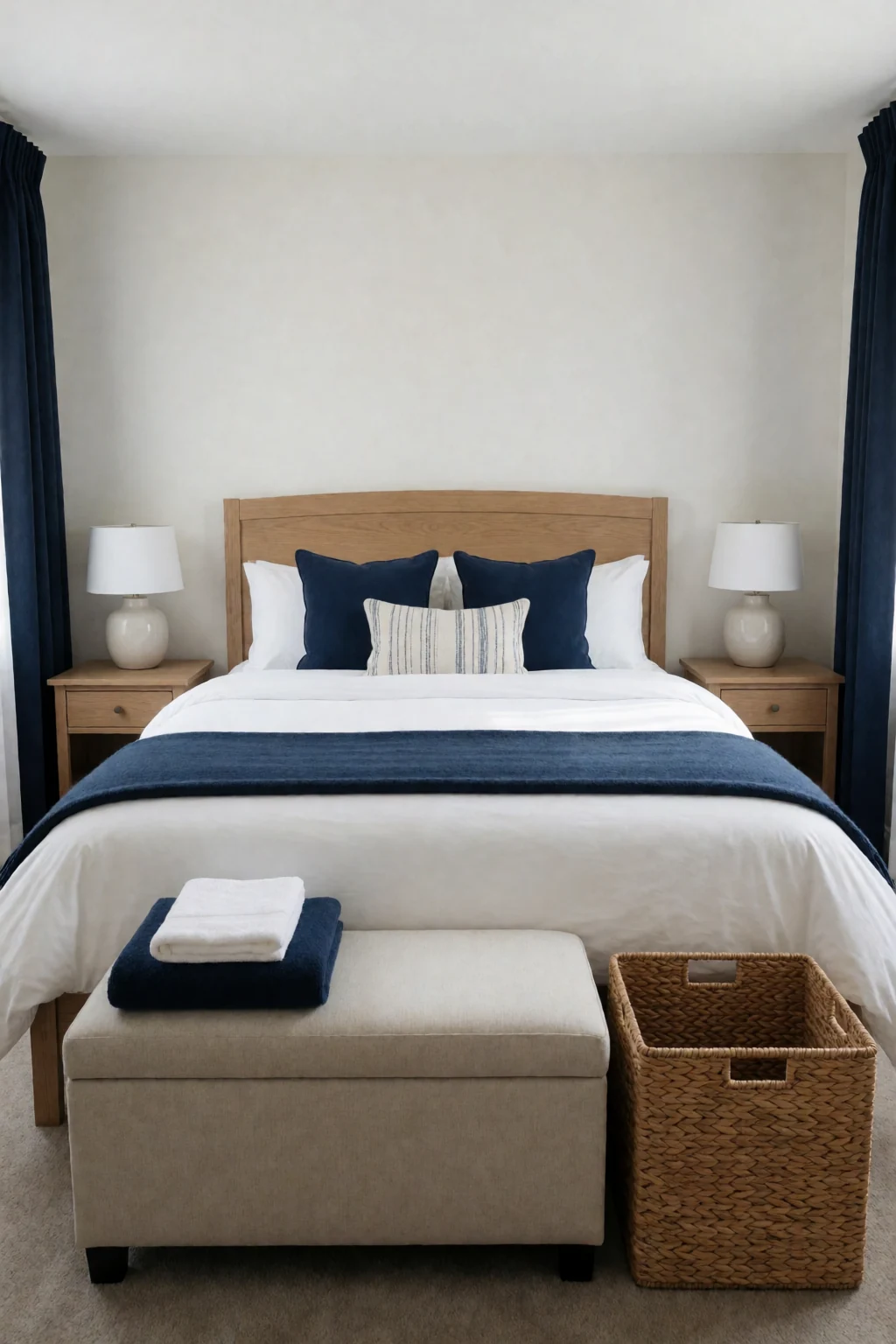
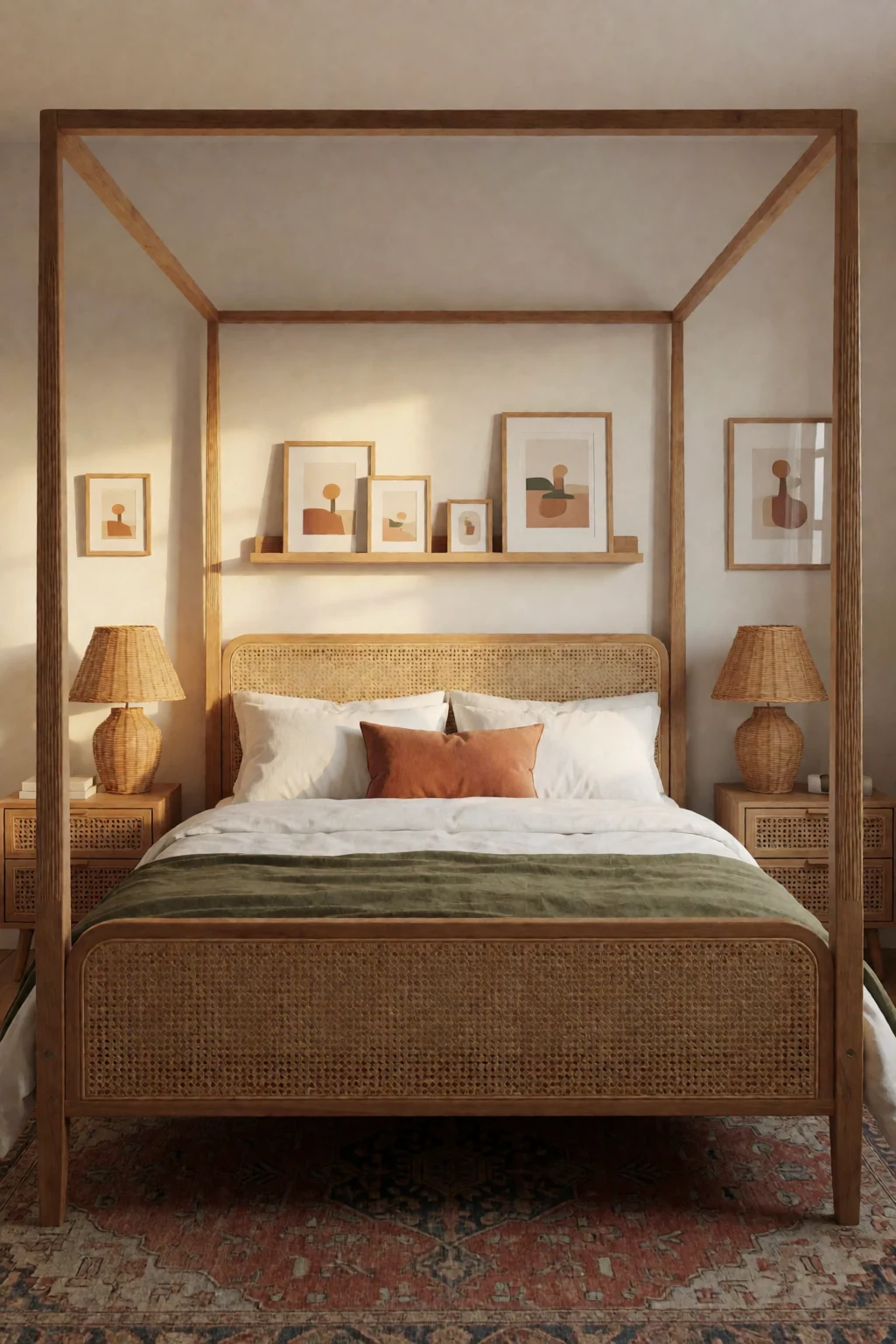
The gallery
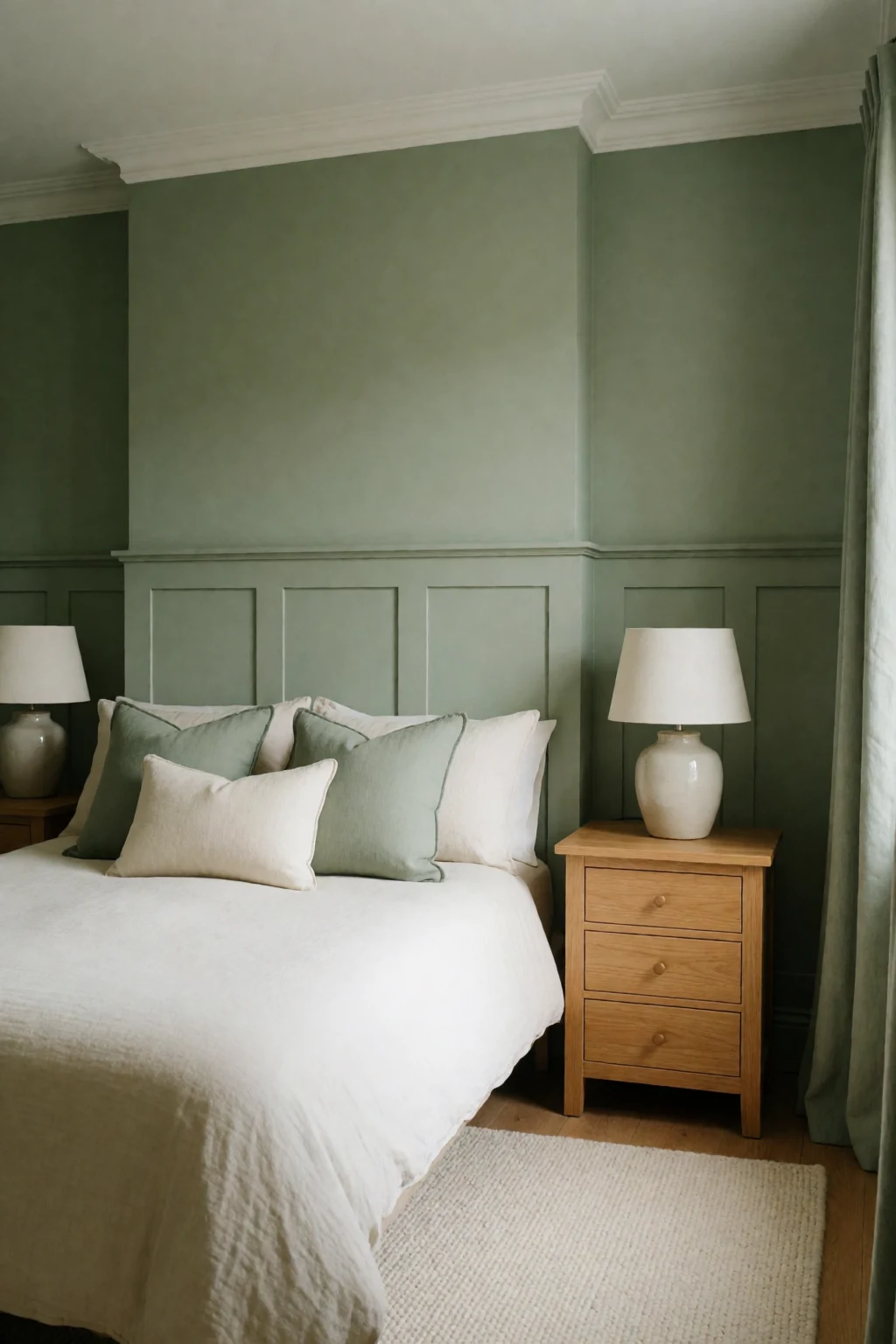
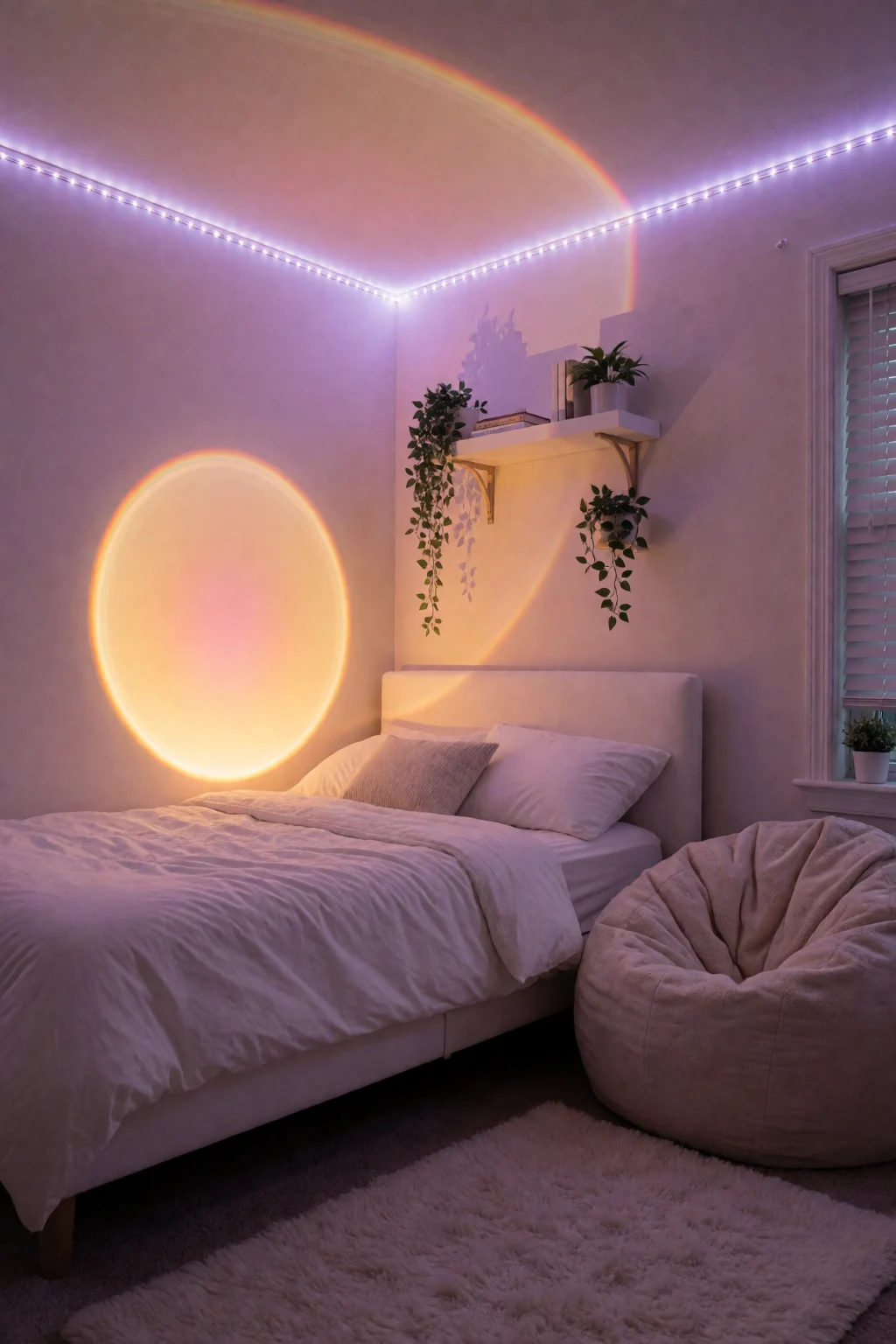
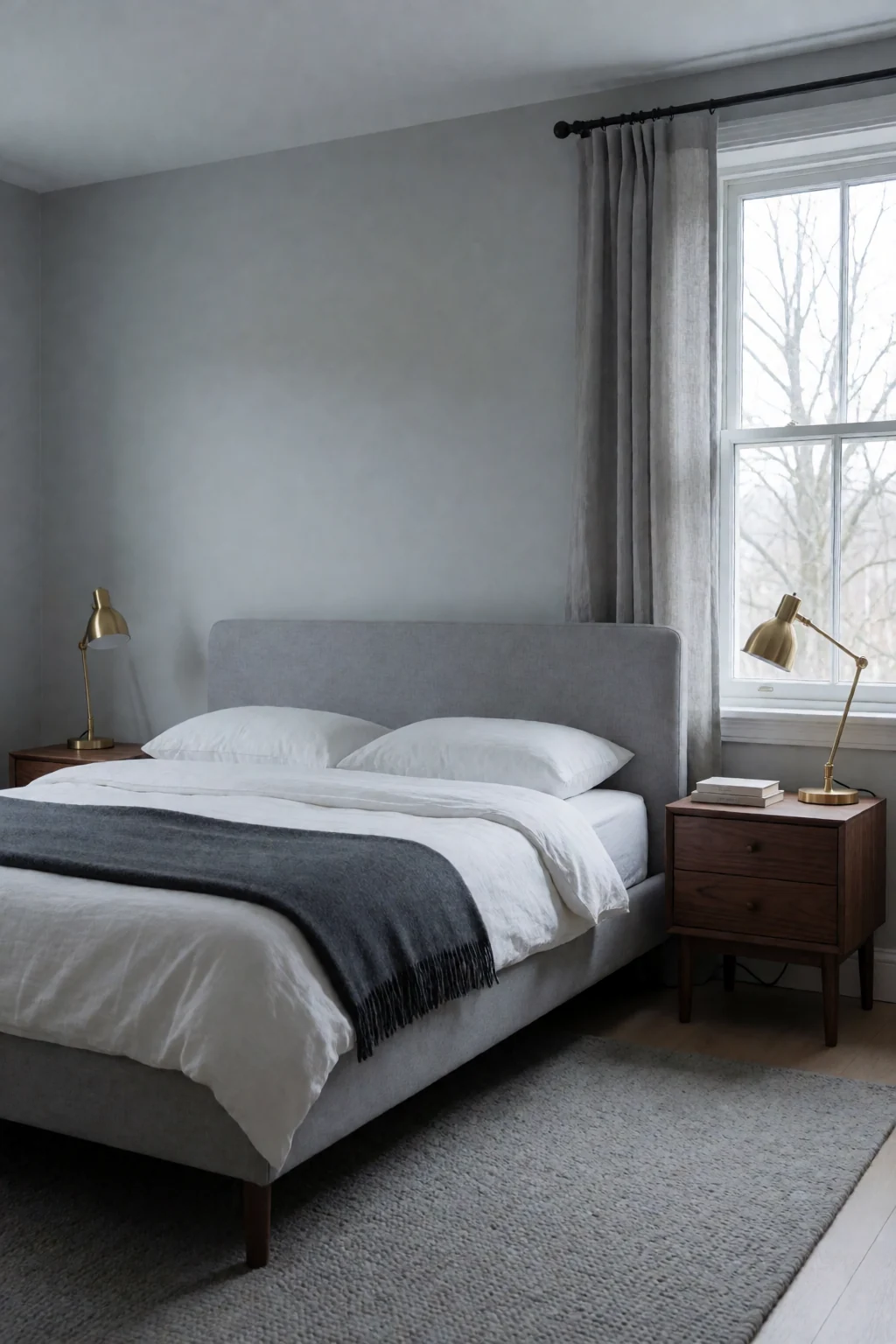
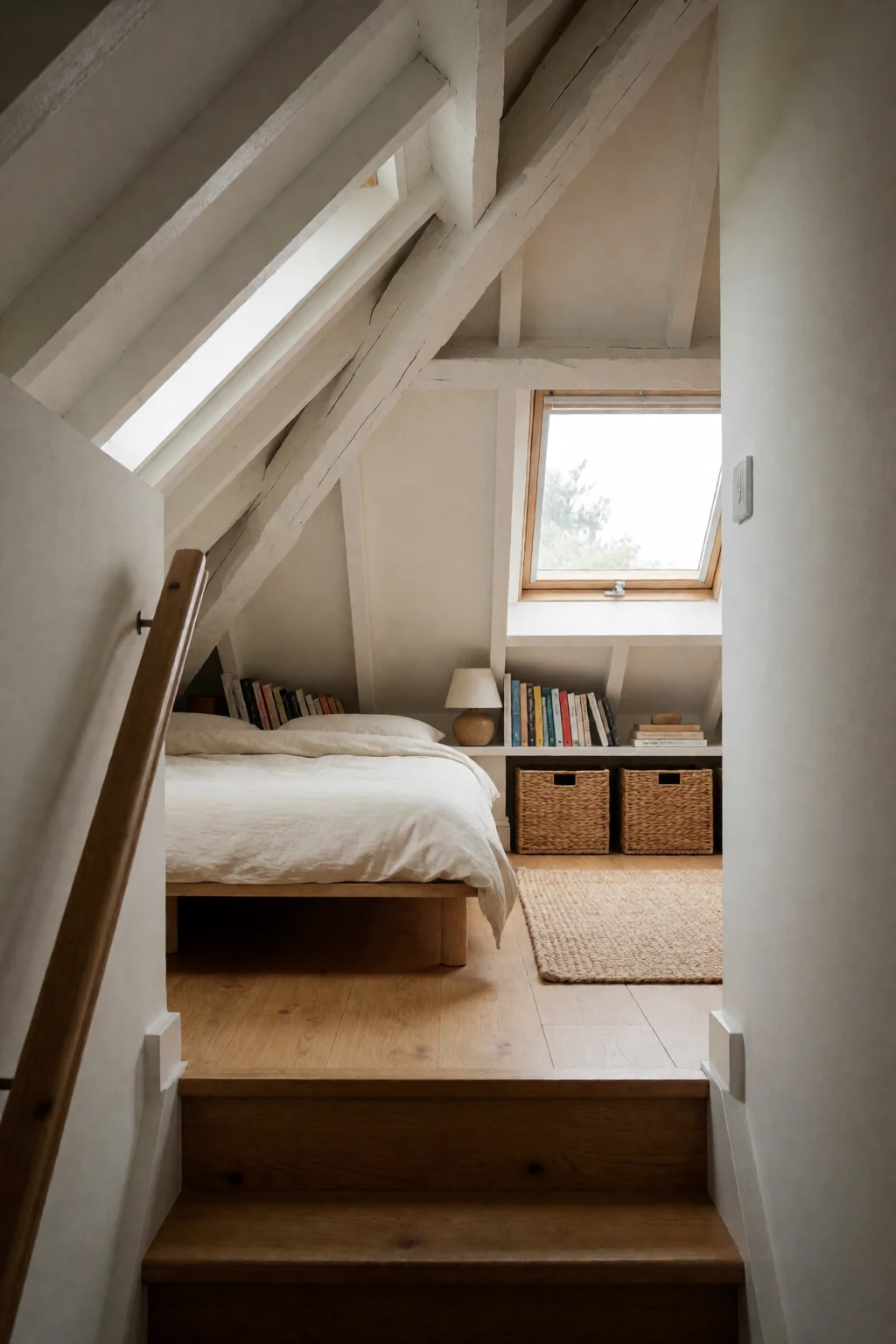
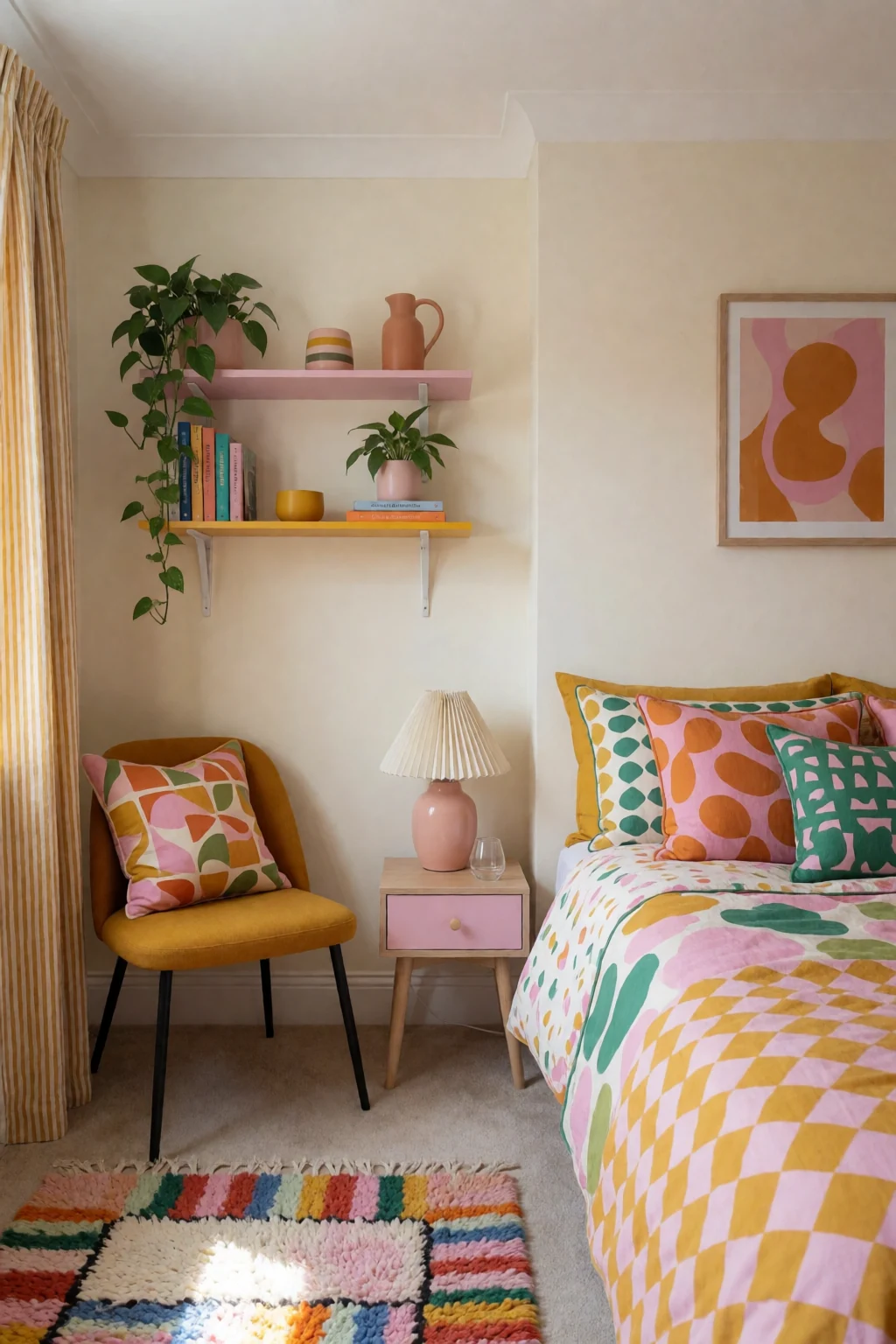
8 bedroom looks
Open a look to see its pieces.
Keep exploring
Related guides
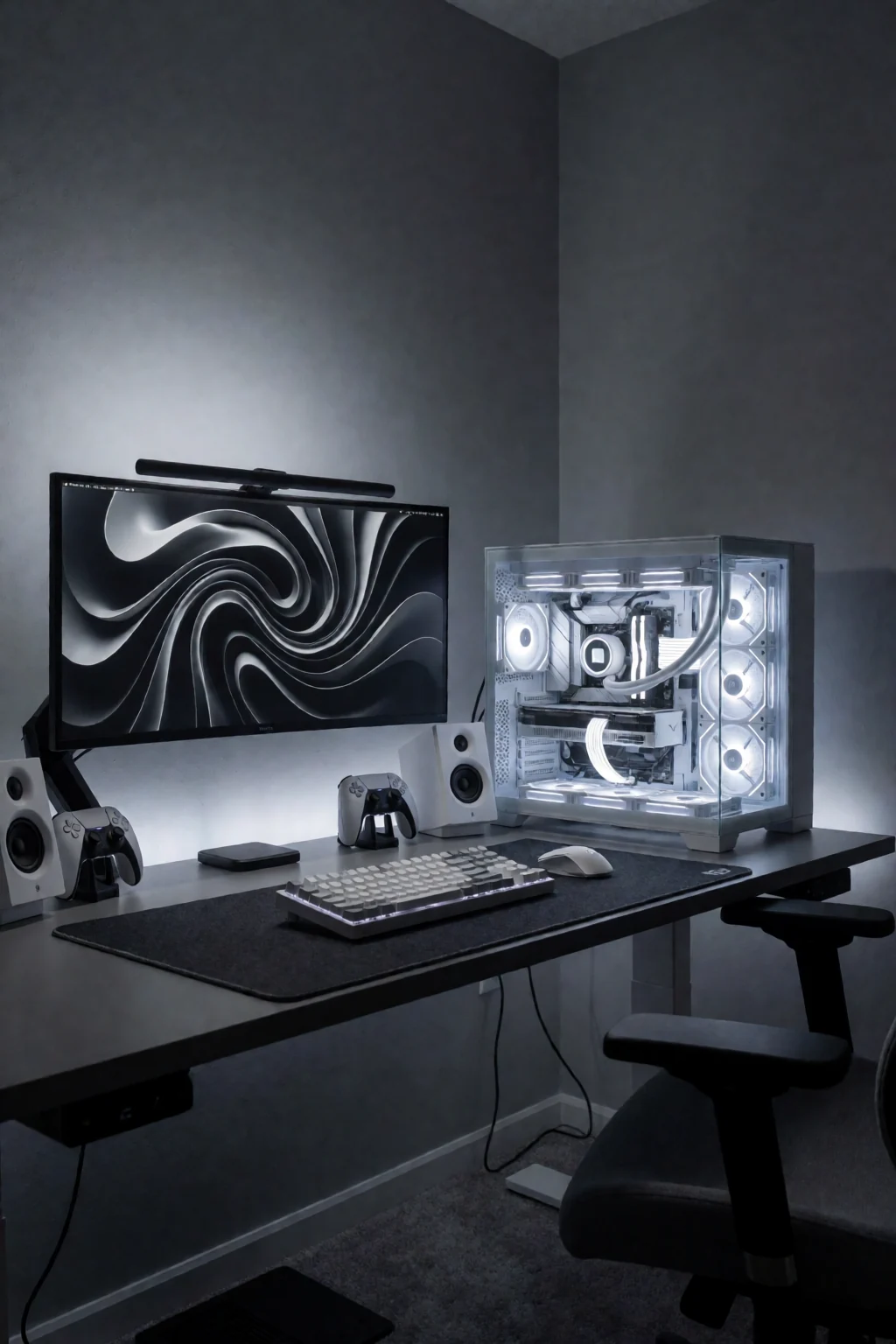 Work & gaming
Desk storage is about cables, screens and the desktop; bedroom storage is about clothes, hidden bins and wall space.
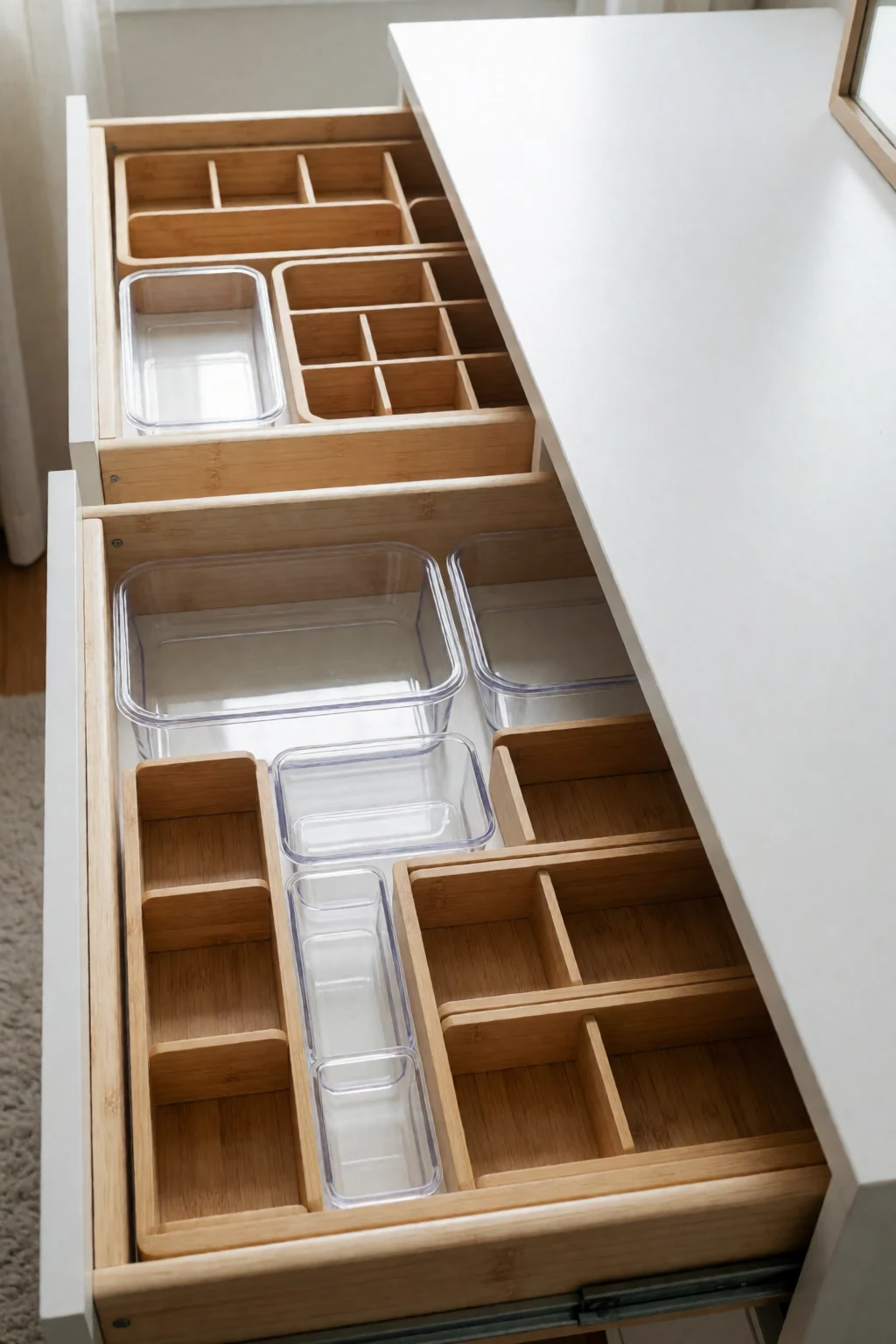 Bathroom
 storage holds small toiletries in damp-proof caddies, while a bedroom has bulky clothes and bedding to deal with.
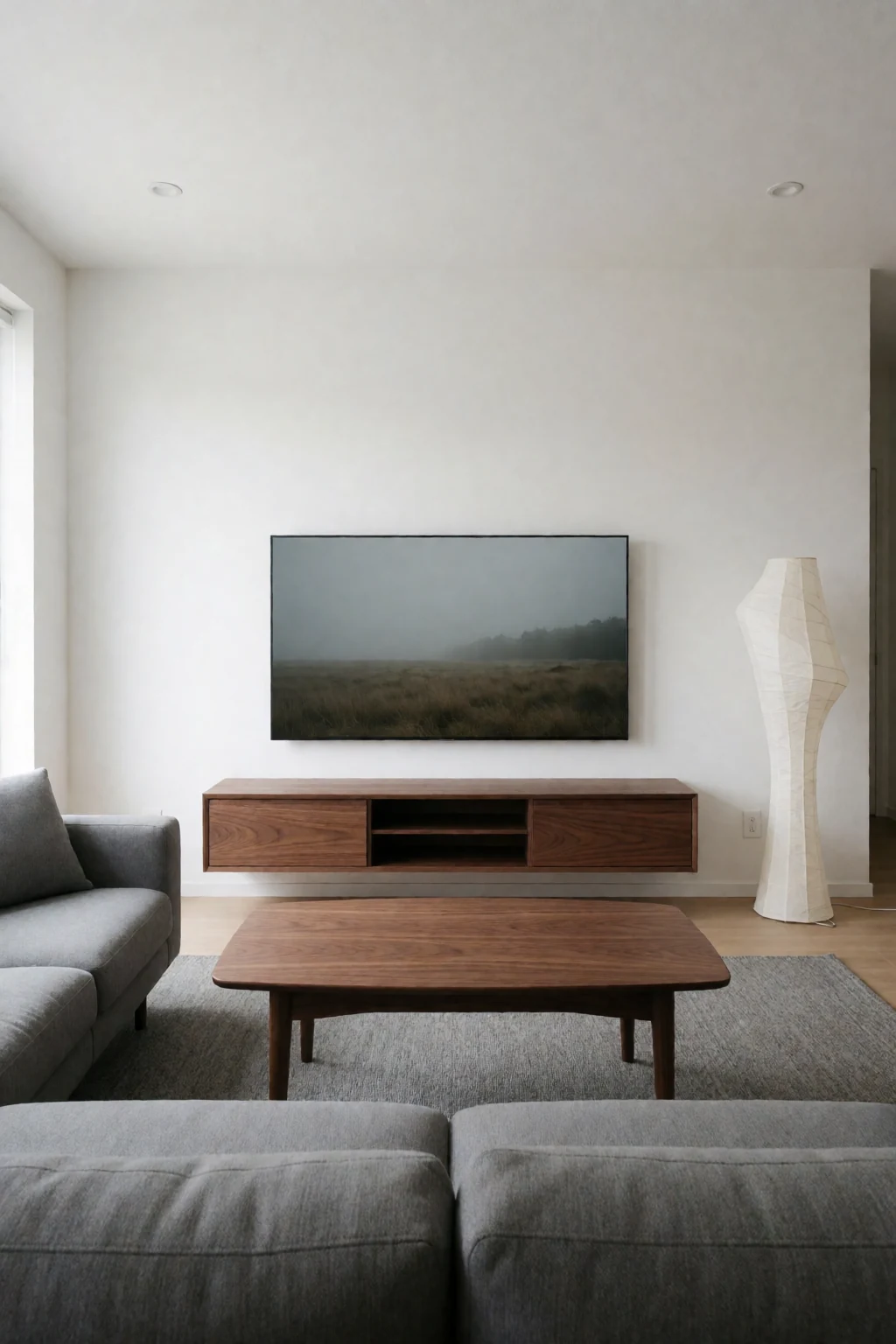 Living room
 storage is shared and on show; bedroom storage is private and needs more room for clothes.
Questions
How do I get more storage without a dresser?
Floating shelves near the ceiling for seasonal things, rolling drawers under the bed for folded clothes, and a slim storage bench at the foot of the bed.
Where do bulky winter blankets go in a small room?
Fold them into low canvas bags or bins that slide under the bed, or vacuum-pack them and put them on the top wardrobe shelf.
How do I organise a wardrobe with little hanging space?
Fit a second rail so short things hang on two levels and long things at one end. Add stackable shelf dividers and a shoe rack on the door.
Are shelves above the bed safe?
Yes, if they are screwed into the studs with heavy-duty fixings and rated for the load. Still, keep heavy ceramics and big hardbacks off the shelf right over your head.