Room ideas / Bedroom
Bedside table alternatives for tight spaces
When a normal nightstand is too wide or blocks a door, a shelf, cart, stool or caddy can still keep your water, glasses and phone within reach of the pillow.
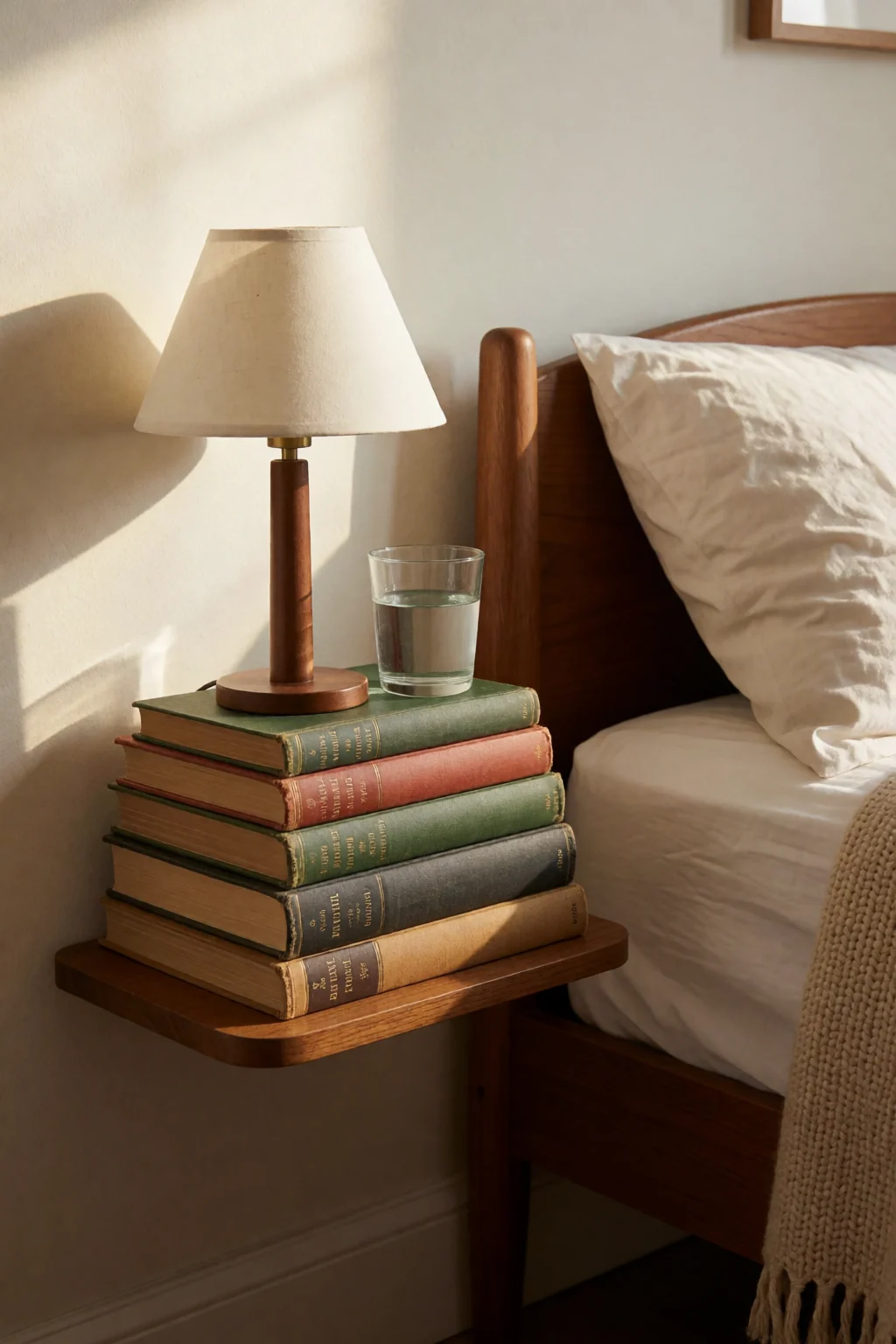
Three rules for a small bedside spot
- Choose something that fixes to the wall or slides into a narrow gap, so doors and walking paths stay clear.
- Set the surface at about the height of the top of the mattress, so you can reach your phone, glasses or water without twisting.
- Keep the surface small so only the things you use every night end up on it.
When a nightstand will not fit
A bedside table alternative is anything that does a nightstand's job in a room where one will not fit: too little gap beside the bed, a door that swings into the spot, a radiator or a vent. Wall shelves, slim carts and caddies keep your night things close while leaving the floor clear.
What matters is a steady surface of the right size. Whatever you use has to hold a glass of water, a book and a light without wobbling, and the area round it stays easy to walk past and clean under.
It is a deliberate answer to a specific problem, such as a 12-inch gap between bed and wall or a door that hits a standard table. A pile of books on the floor is not one.
Five alternatives to a nightstand
- Floating shelf and wall light
- A small wooden shelf on the wall at mattress height for a phone and book, with a plug-in wall light above it, so the light takes no surface at all.
- Slim rolling cart
- A narrow three-tier metal cart beside the bed: night things on top, books or spare bedding below, and a clip-on lamp on the top rim.
- Step stool
- A sturdy wooden step stool with a small lamp on top and a book or a little basket on the lower step.
- Bedside caddy and floor lamp
- A canvas caddy tucked under the mattress with pockets for glasses, remote and phone, and a slim floor lamp behind the bed for reading.
- Fold-down wall surface
- A small fold-down shelf you open at night and fold flat in the day, with a rechargeable touch lamp on it so there is no cord.
Walls, clearance, cords and weight
- What the wall is made of
- For a floating shelf or bracket, find out whether the wall is plasterboard, plaster or masonry, and use fixings rated for the load. Allow for the push of your hand when you lean on it getting out of bed, not just the weight of a book.
- Doors, drawers and heaters
- Measure from the mattress to the nearest wardrobe door, chest of drawers or radiator. A cart, stool or caddy must not block a vent or stop a door opening fully.
- Cords and sockets
- These setups often move the lamp and charger further from a socket. Plan where the cords run so they do not cross the floor or get trapped under a cart's wheels.
- Weight and wobble
- Stools, carts and shelves each have a weight limit. If you tend to steady yourself on the bedside surface when you get up, choose one that can take that without tipping or pulling out of the wall.
Find the problem, then fit the answer
Stand by the bed and work out why a nightstand does not fit: is the gap under 15 inches, does a door swing into it, is there a radiator? List what you actually need at night, usually a phone, water, glasses and a book, so you know how much surface you need. A narrow gap suits a shelf or a slim cart. If there is no space beside the mattress at all, a caddy under the mattress is the answer.
For a wall shelf, find the studs or use heavy-duty toggle bolts, level the board and fix it at the height of the top of the mattress. For a cart or stool, build it fully and check it stands steady on your floor; add felt pads if it slides or might scratch. Finally, sort the light. Run lamp cords down the wall with adhesive clips, or use a wall light or rechargeable lamp so the new surface stays clear.
Shop the pieces
16 bedroom pieces
Links open similar items, not the pictured ones.
-
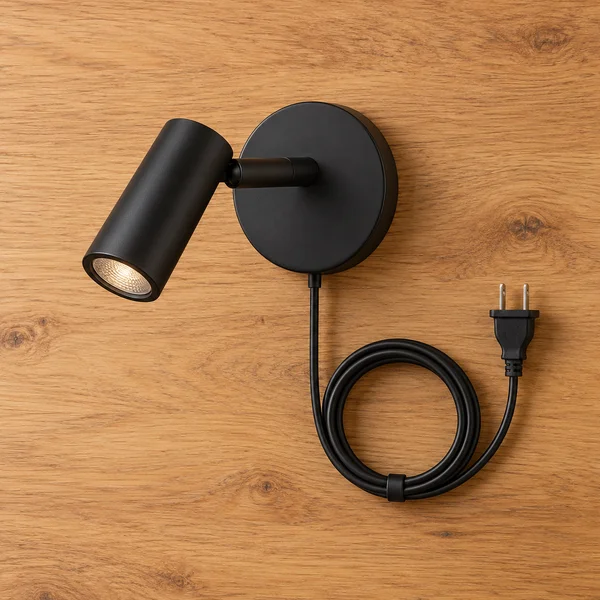
Plug in wall reading light
What to check
Mount the light high enough to clear your head when sitting up, and check the plug reaches an outlet.
-
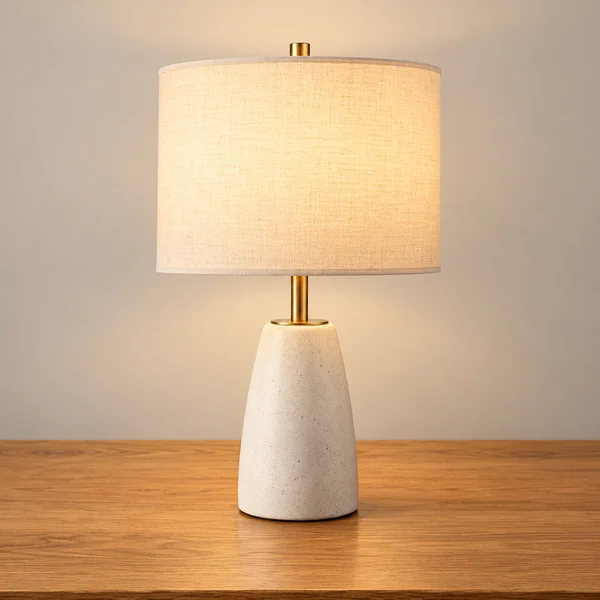
Bedside reading lamp
What to check
Check the lamp's height and dimming range. A touch base is easy to find in the dark.
-
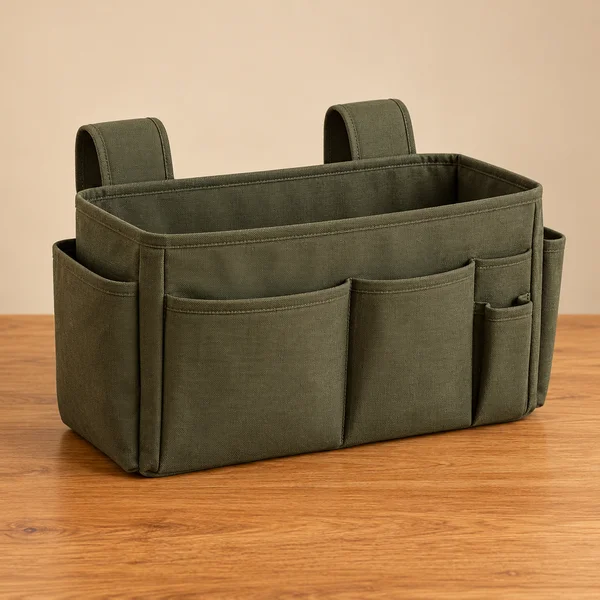
Bedside storage basket
What to check
Measure the gap between the mattress and the wall or frame. A bedside caddy needs a firm mattress edge to tuck under.
-
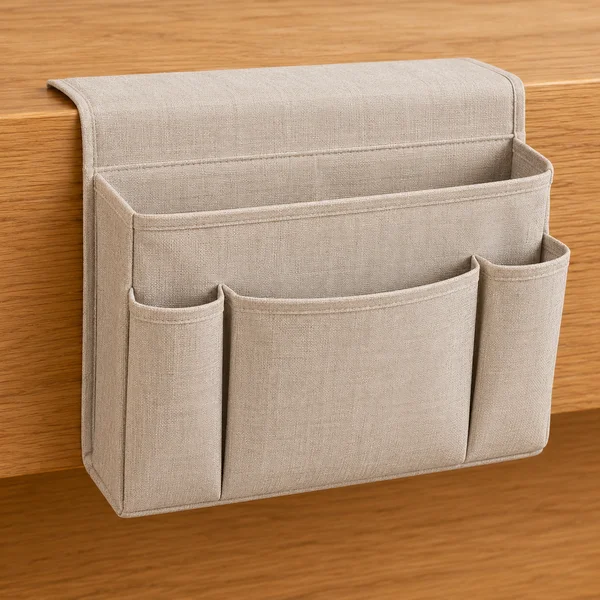
Bedside storage pocket
What to check
Check the pocket depth suits what you will put in it, from a phone to a paperback.
-
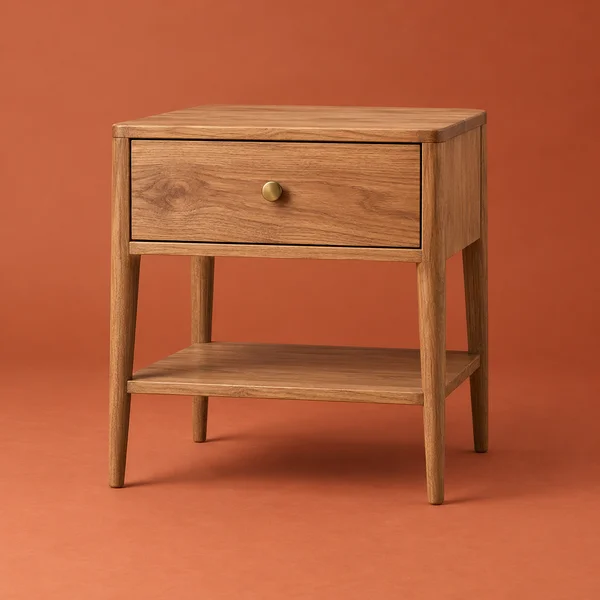
Small bedside table with drawer
What to check
Check the table height against your mattress and that the drawers open without hitting the bed frame.
-
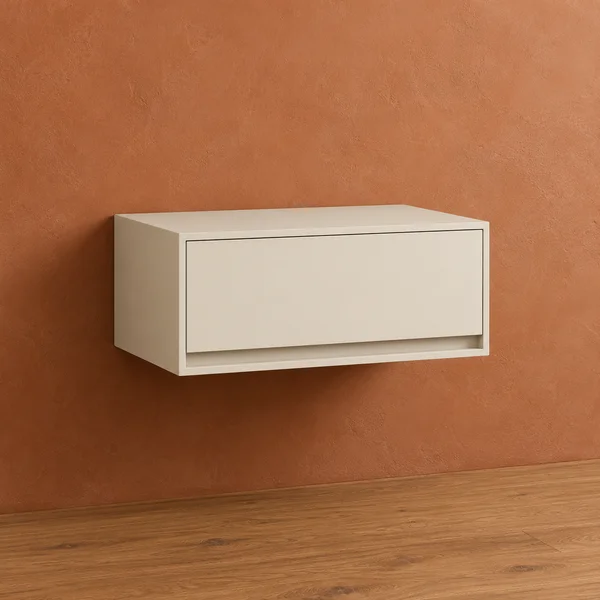
Wall mounted bedside drawer
What to check
Wall-mounted drawers need solid fixings and leave the floor clear. Mount them at a height you can reach from bed.
-
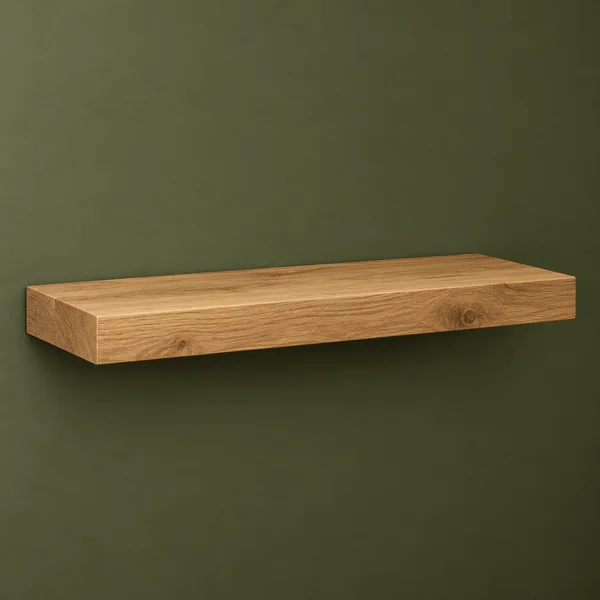
Wood floating wall shelf
What to check
Check the shelf depth and weight rating, and fix into studs or solid wall plugs.
-
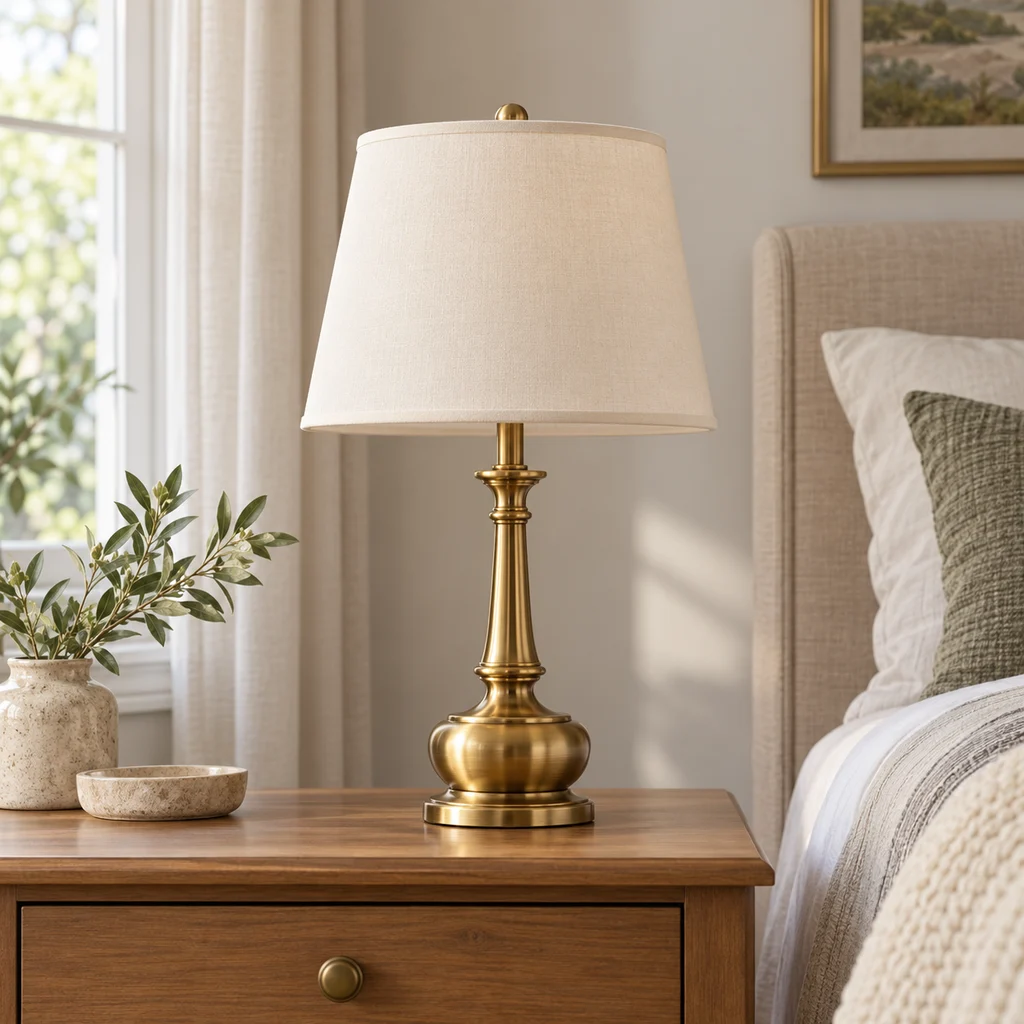
Bedside lamp
What to check
Measure from the nightstand top to your shoulder when sitting up in bed. A lamp whose shade ends near that height lights a book without glare.
Show all 16 pieces
-
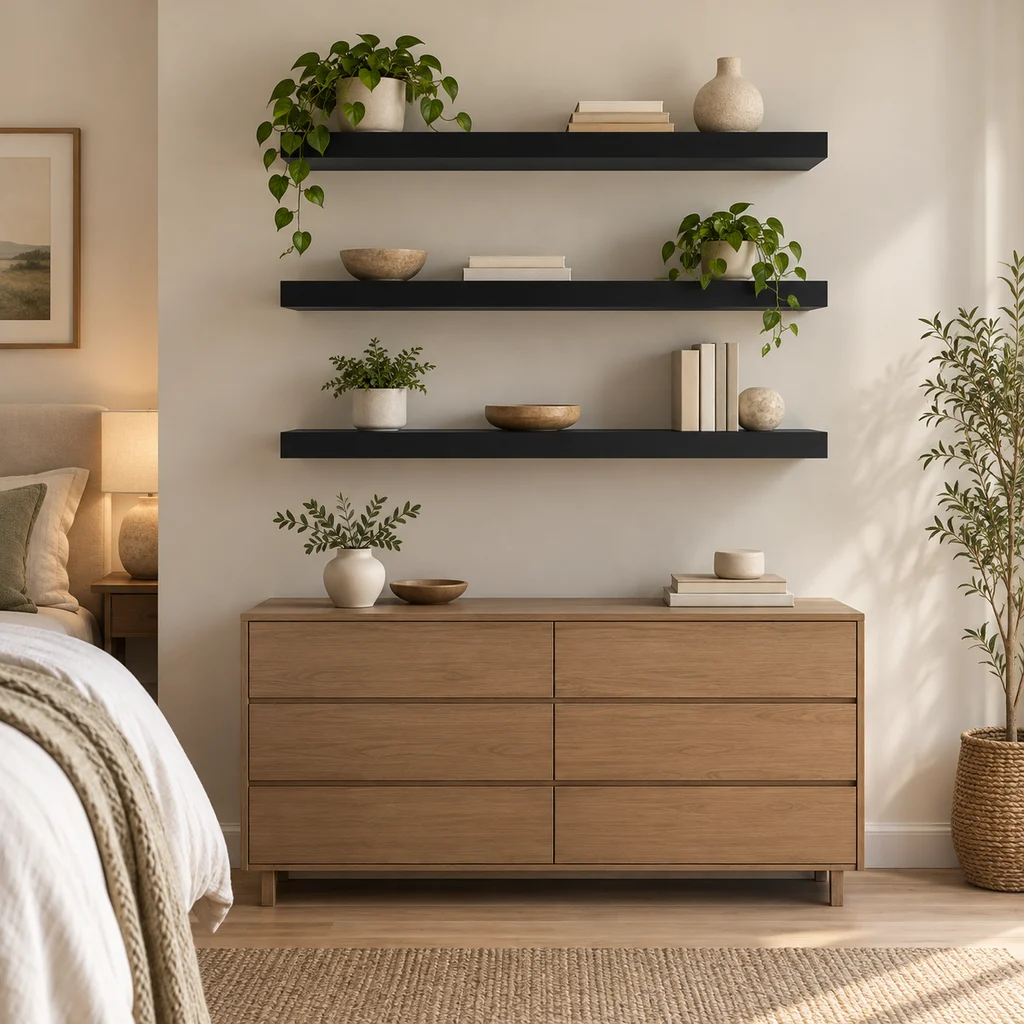
Floating shelves
What to check
Floating shelves hold less than bracket shelves. Check the weight rating and fix into studs or solid wall plugs if you plan to stack books.
-
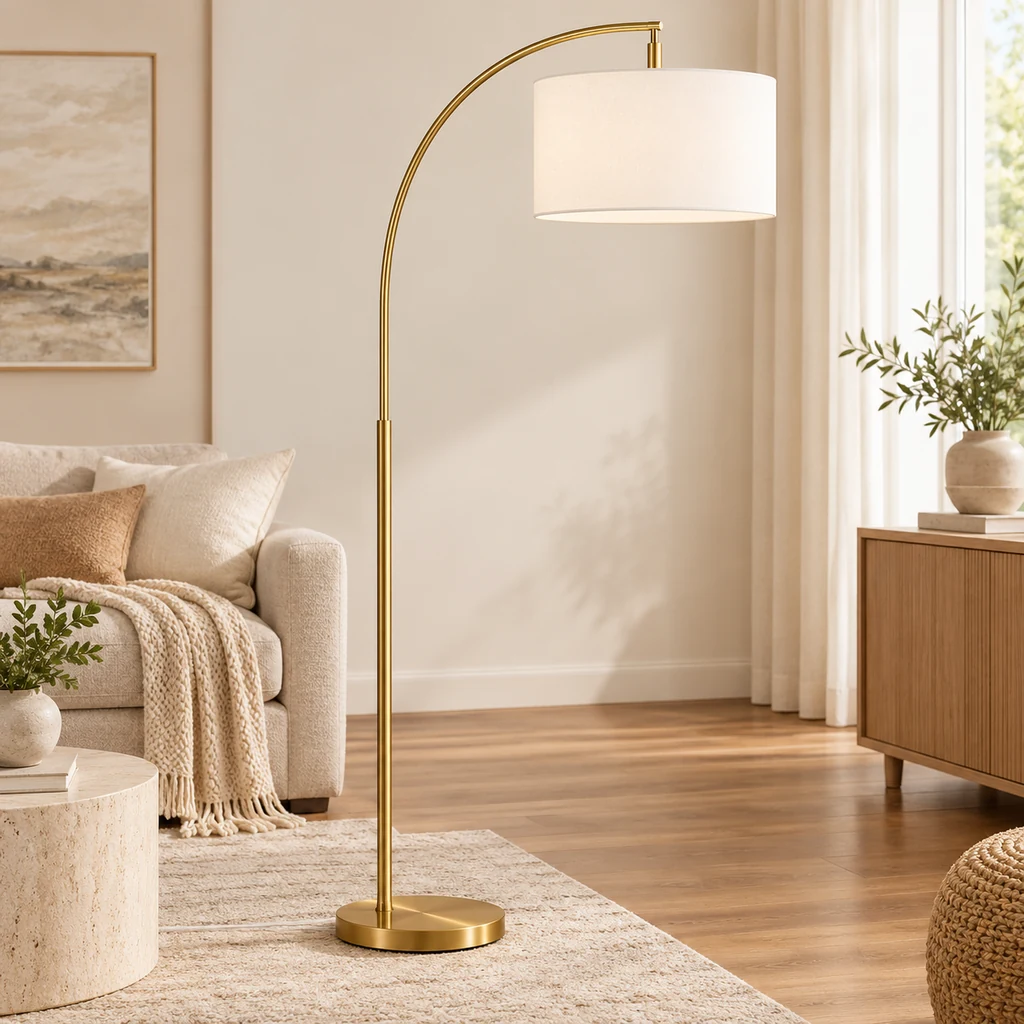
Floor lamp
What to check
Measure the arc reach and the floor space for the base. Arc lamps need weight at the base to stay steady.
-
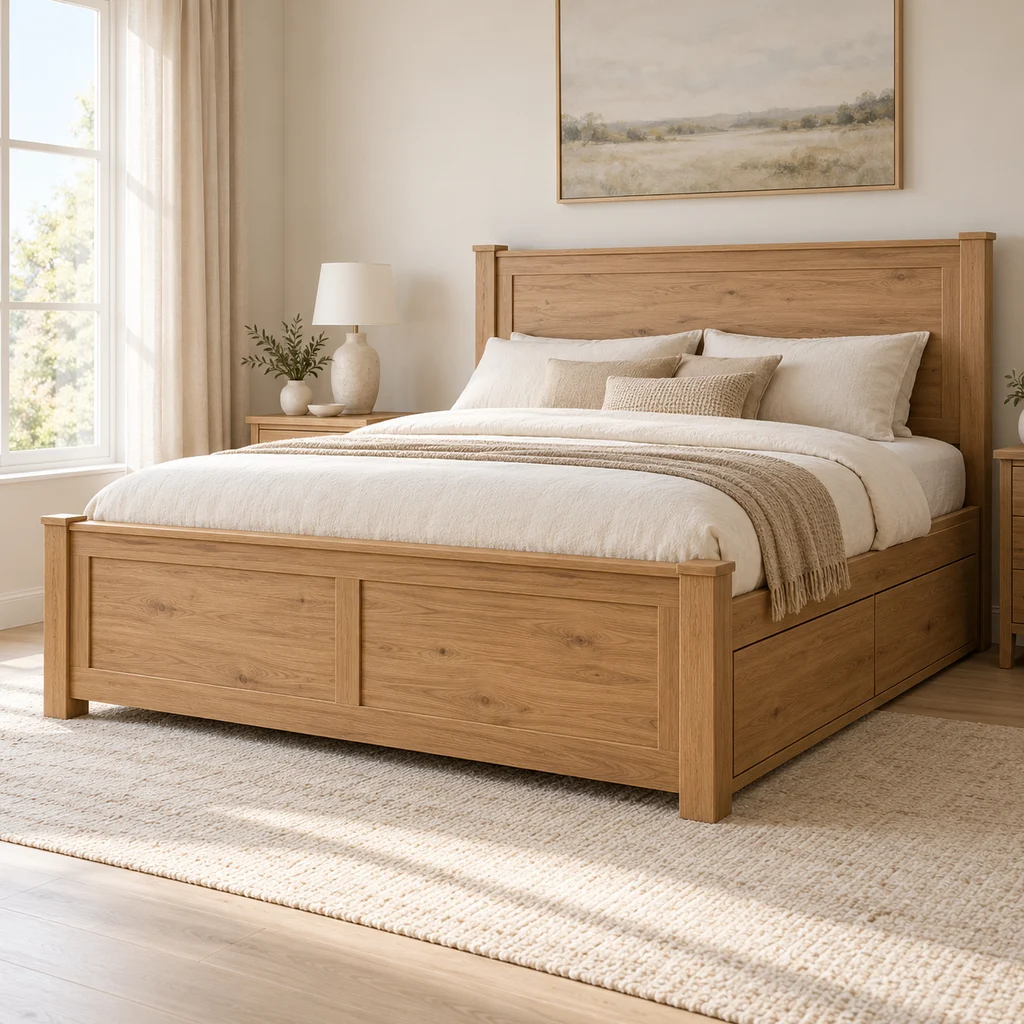
Storage bed
What to check
Drawers need clear floor space to open: check the gap between the bed and walls or nightstands on the drawer side.
-
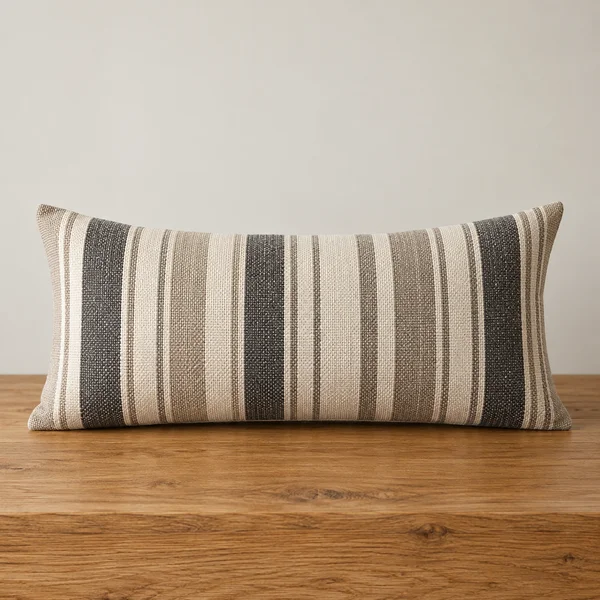
Striped lumbar pillow cover
What to check
A lumbar pillow sits low against the headboard or sofa back. Check the cover size against your insert.
-
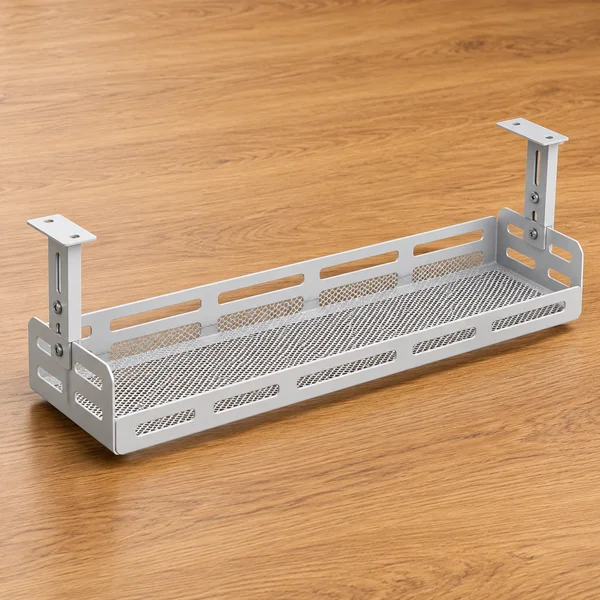
Under-desk cable tray
What to check
Measure the depth under the desk top and check the tray clears your knees and any drawers before fixing it.
-
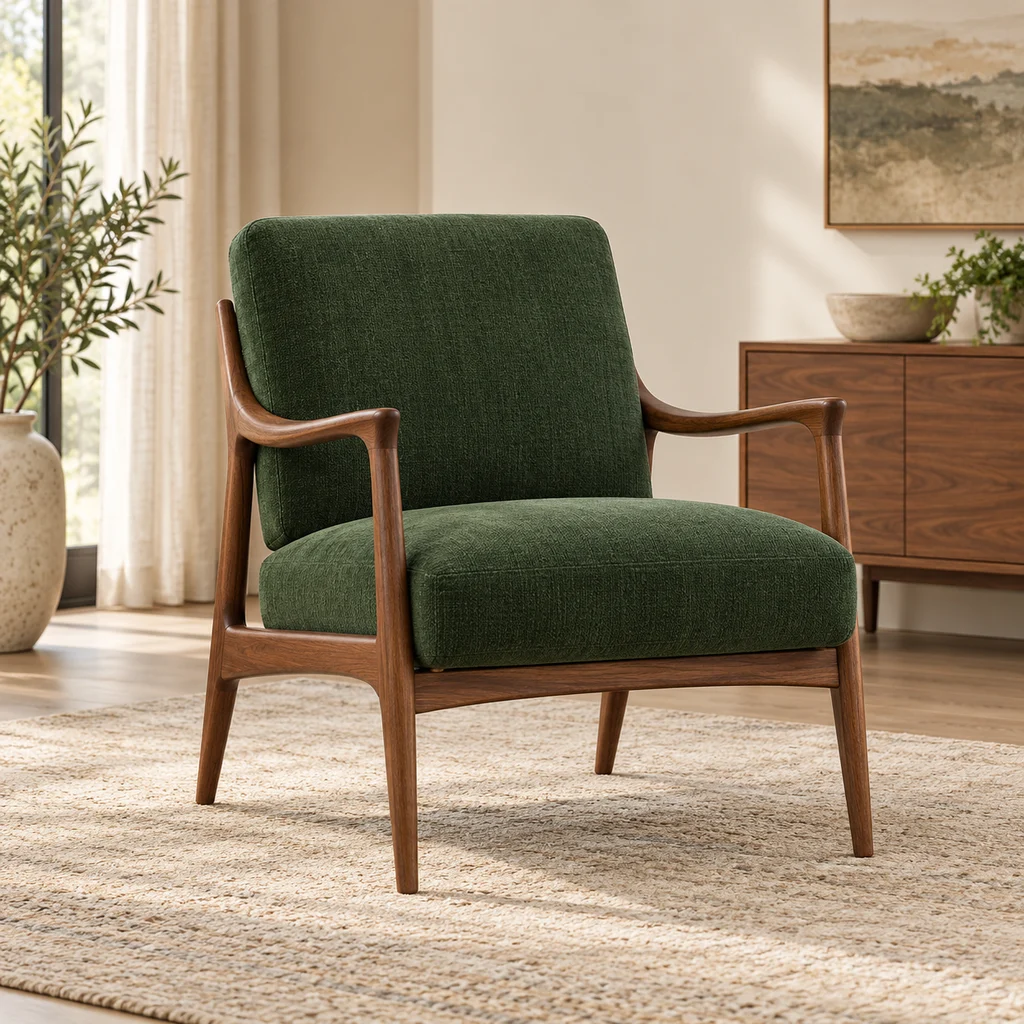
Accent chair
What to check
Measure the floor space and the doorway. Barrel chairs are deep, and a pair needs more room than it looks.
-
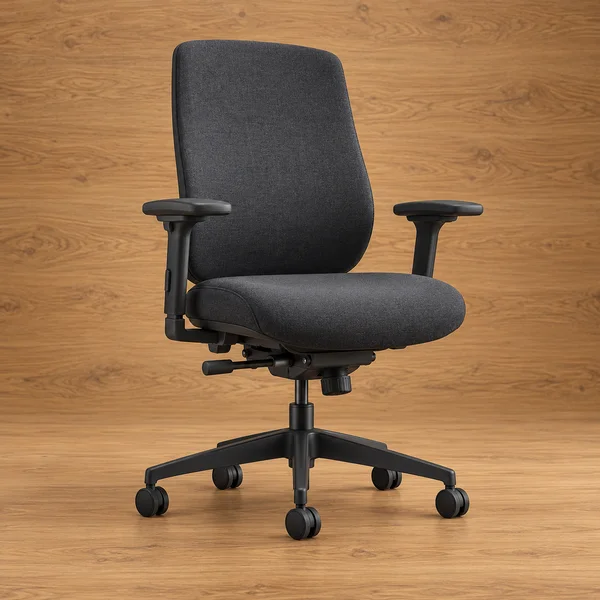
Adjustable desk chair
What to check
Check the seat height range against your desk: most desks are about 29 to 30 inches tall, and your elbows should rest level with the keyboard.
-
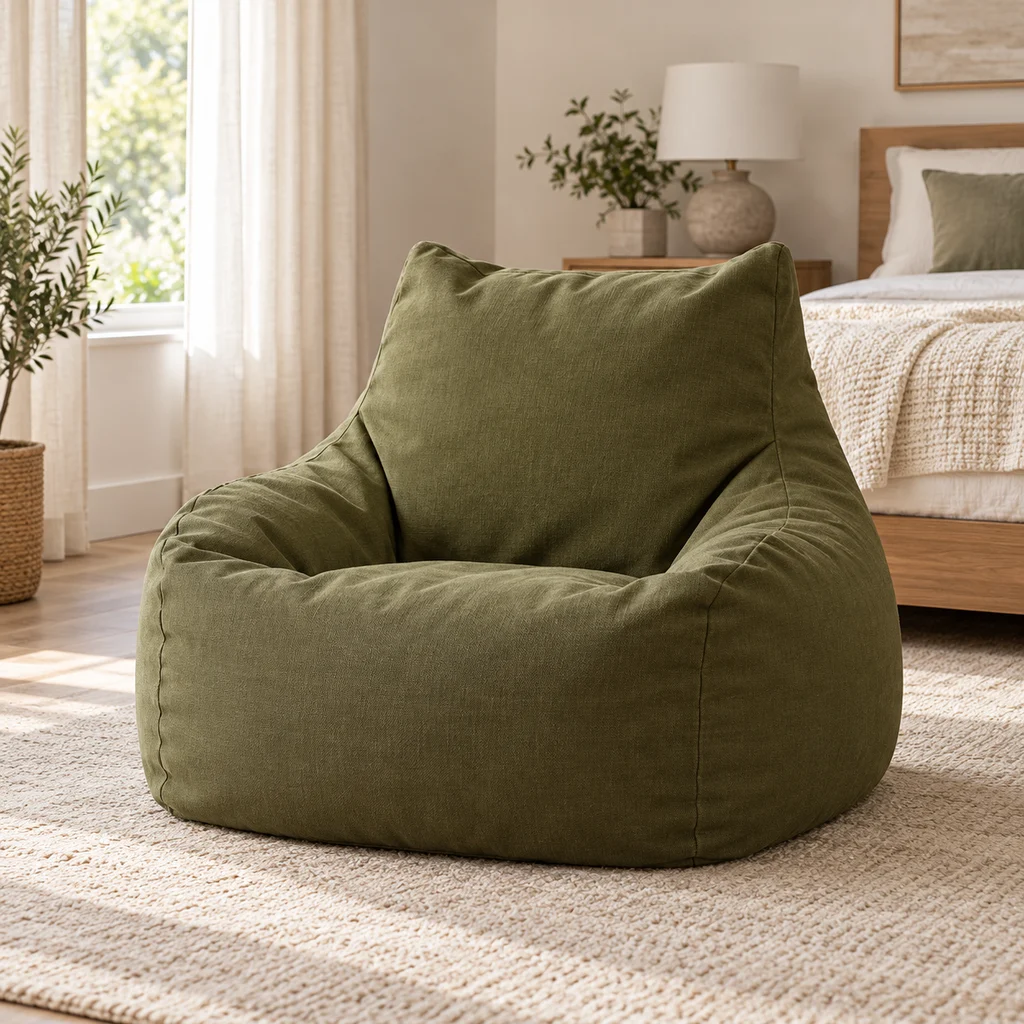
Bean bag chair
What to check
Bean bags settle over time and may need topping up. Check whether the cover comes off for washing.
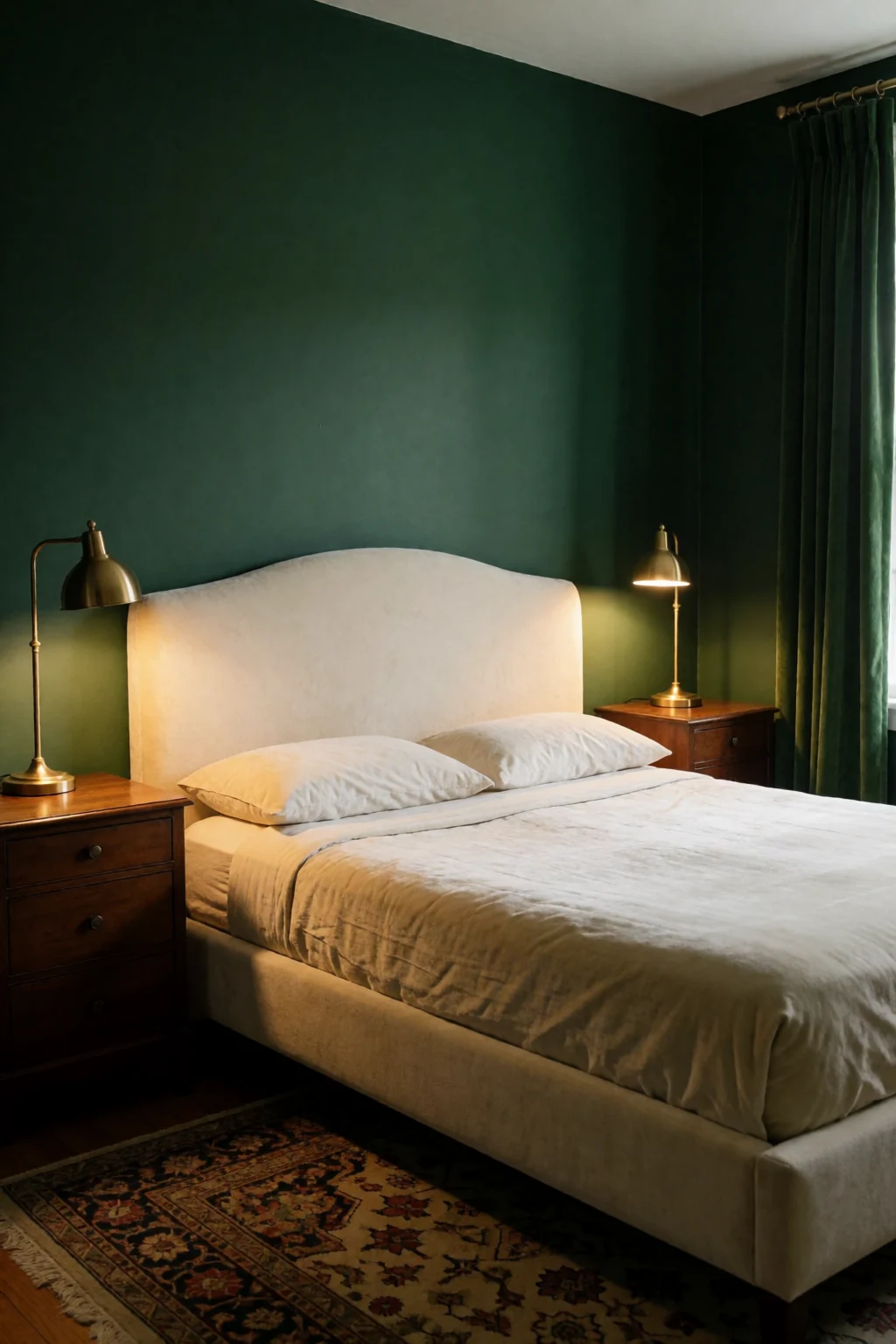
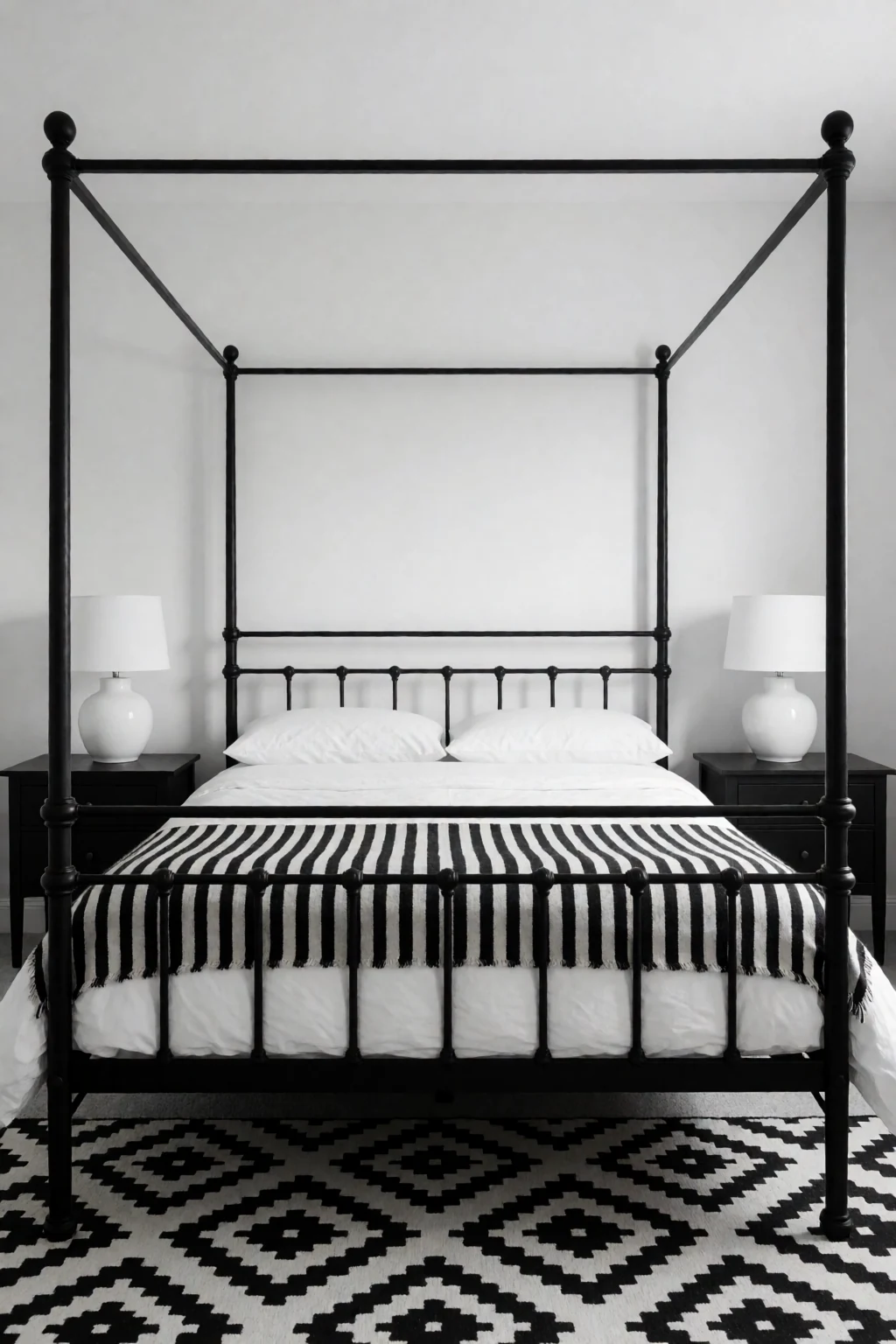
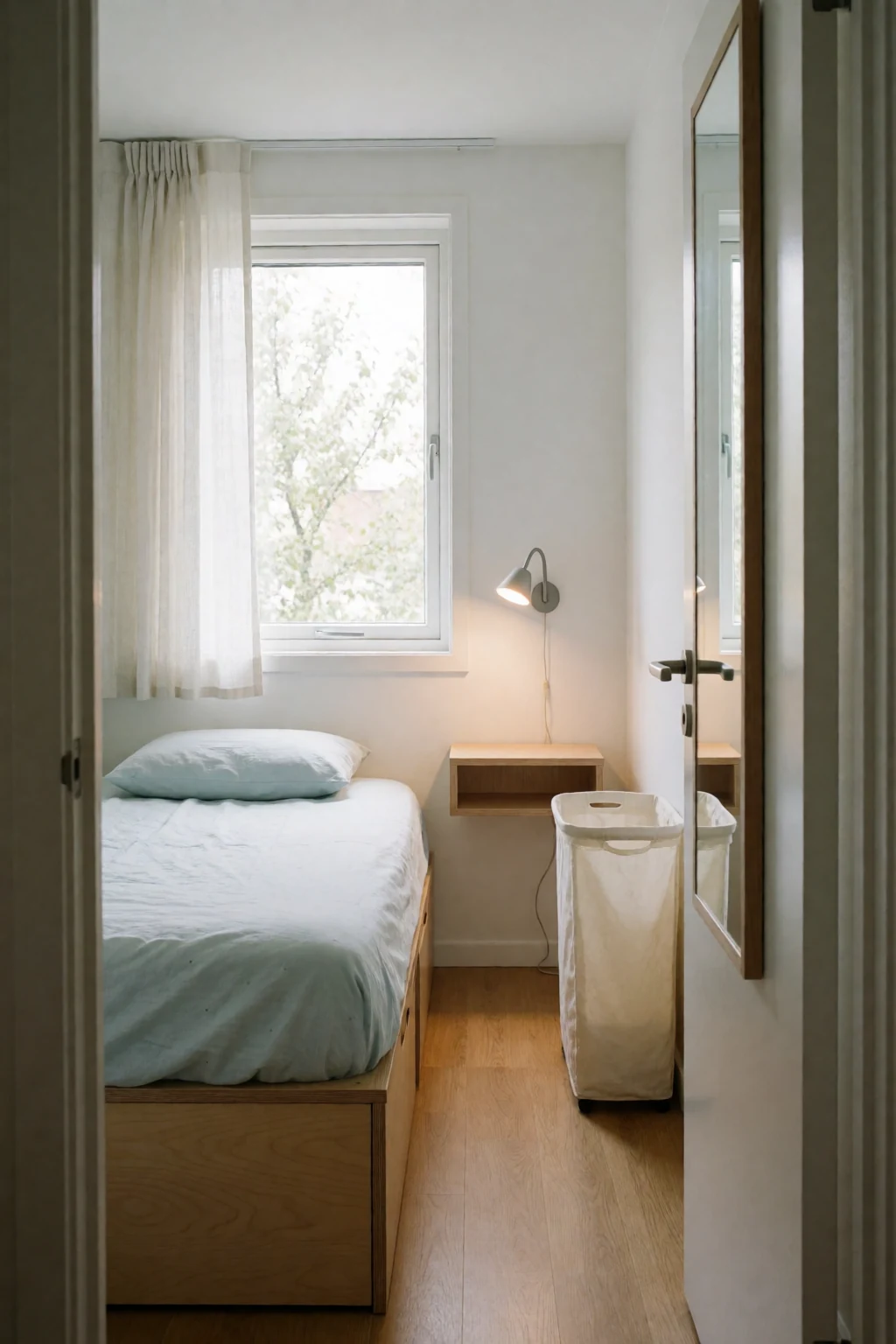
The gallery
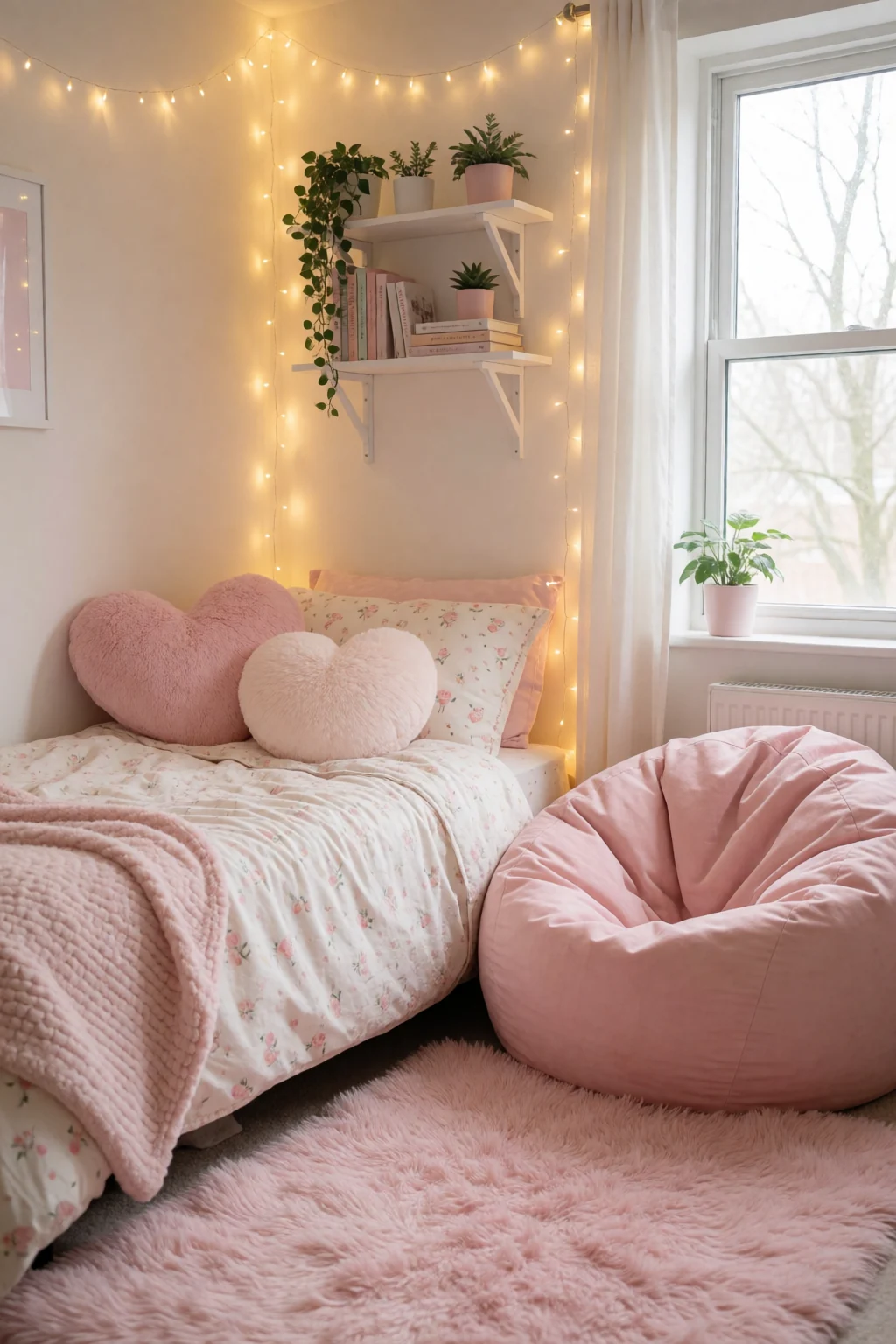
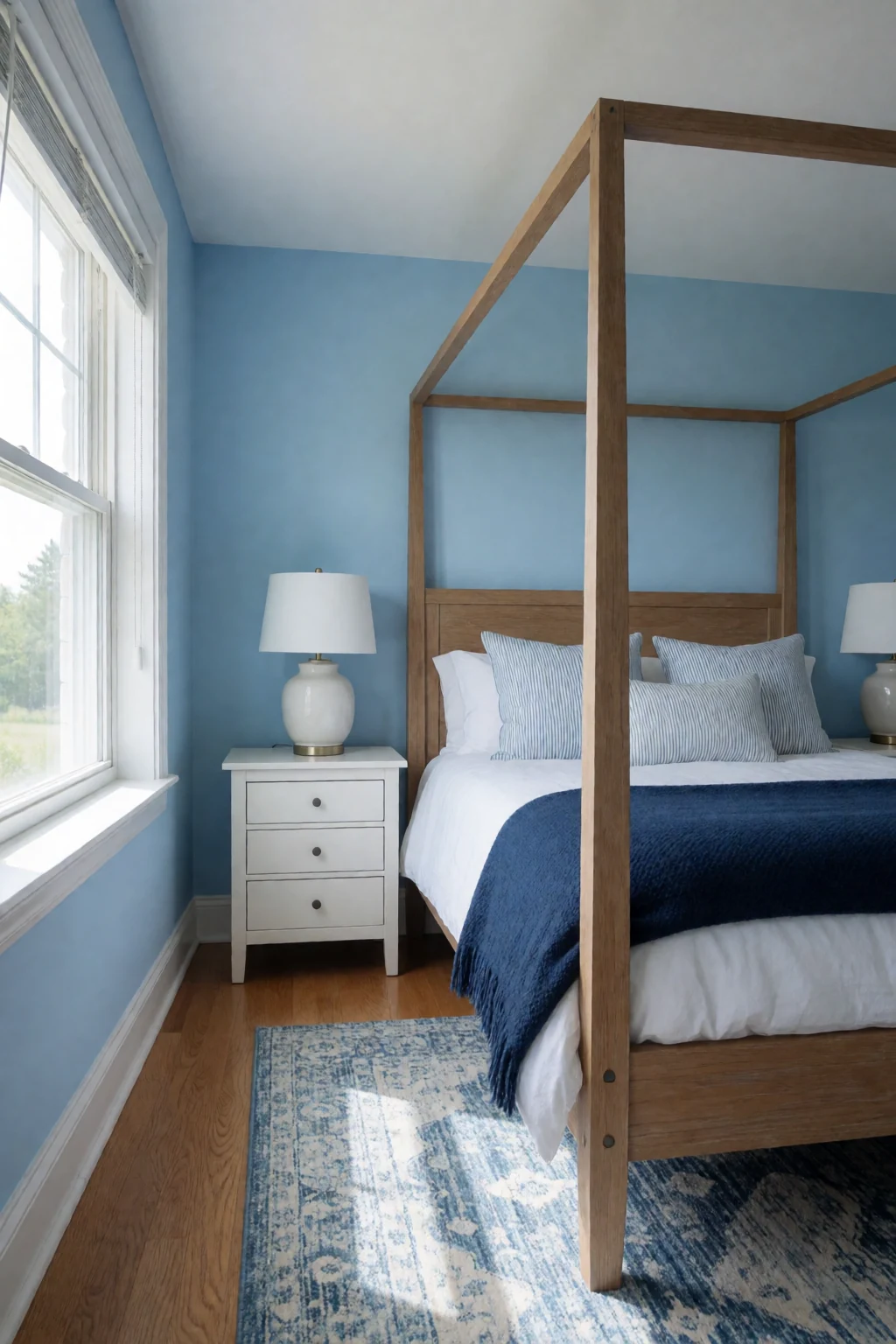
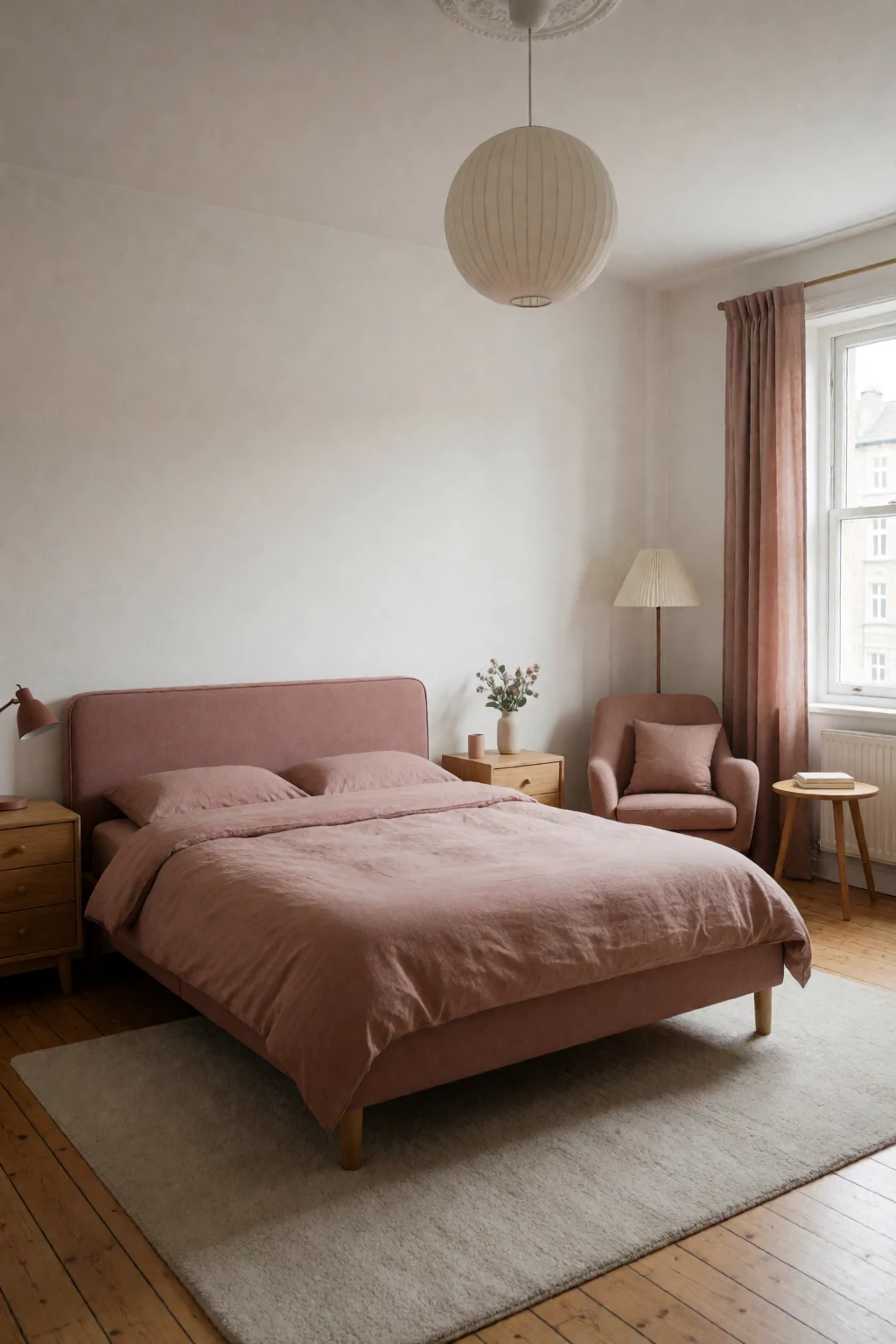
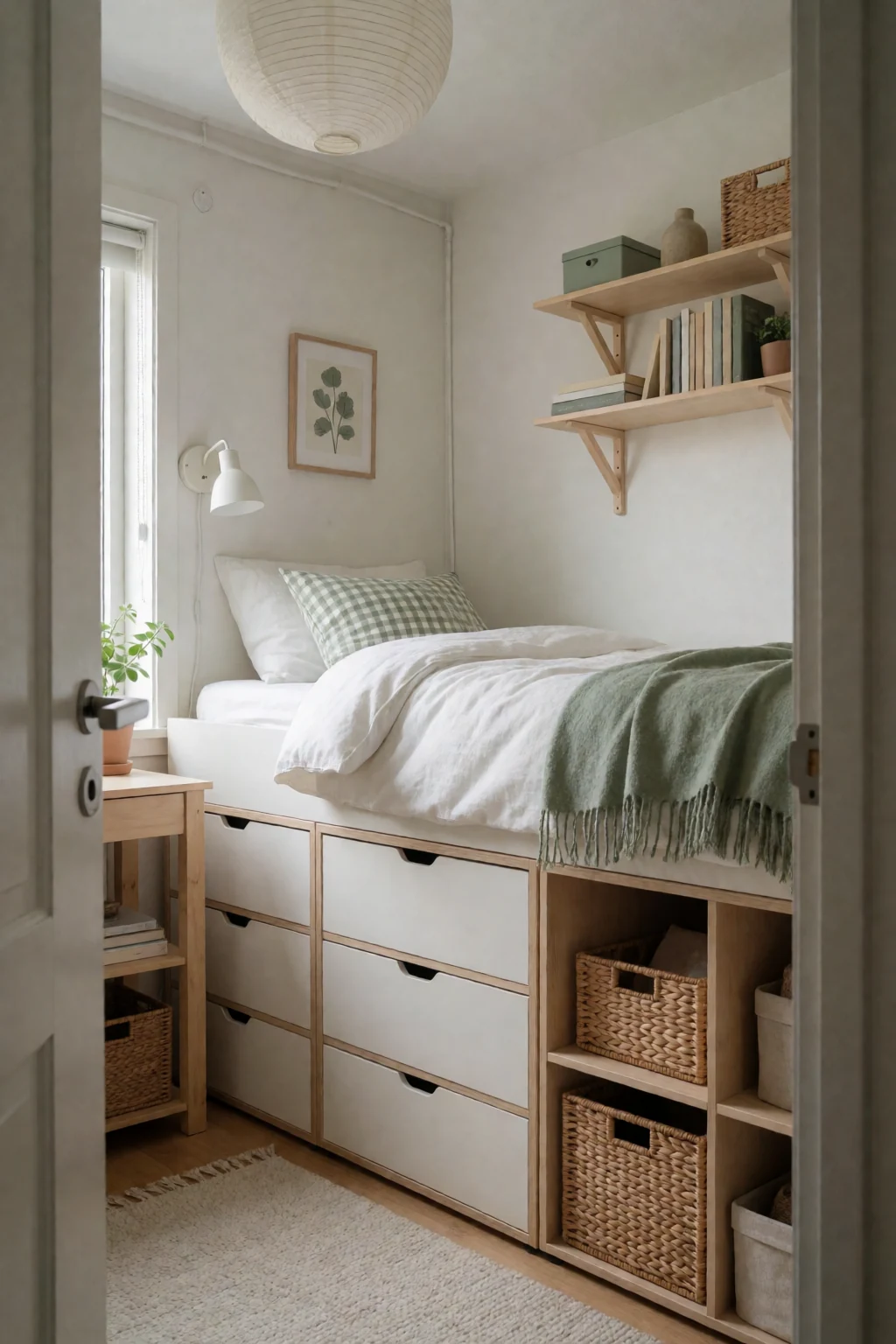
8 bedroom looks
Open a look to see its pieces.
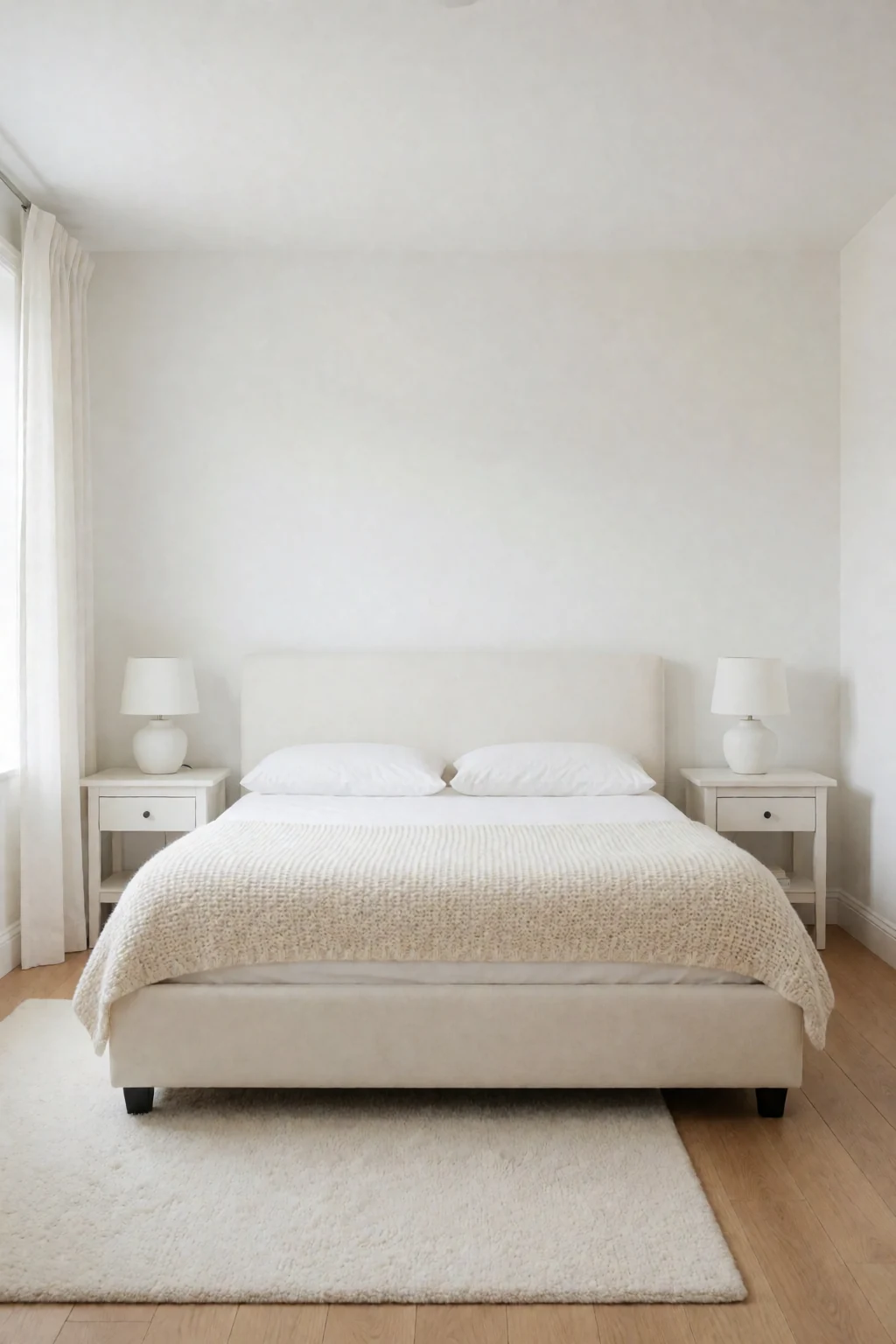
Keep exploring
Related guides
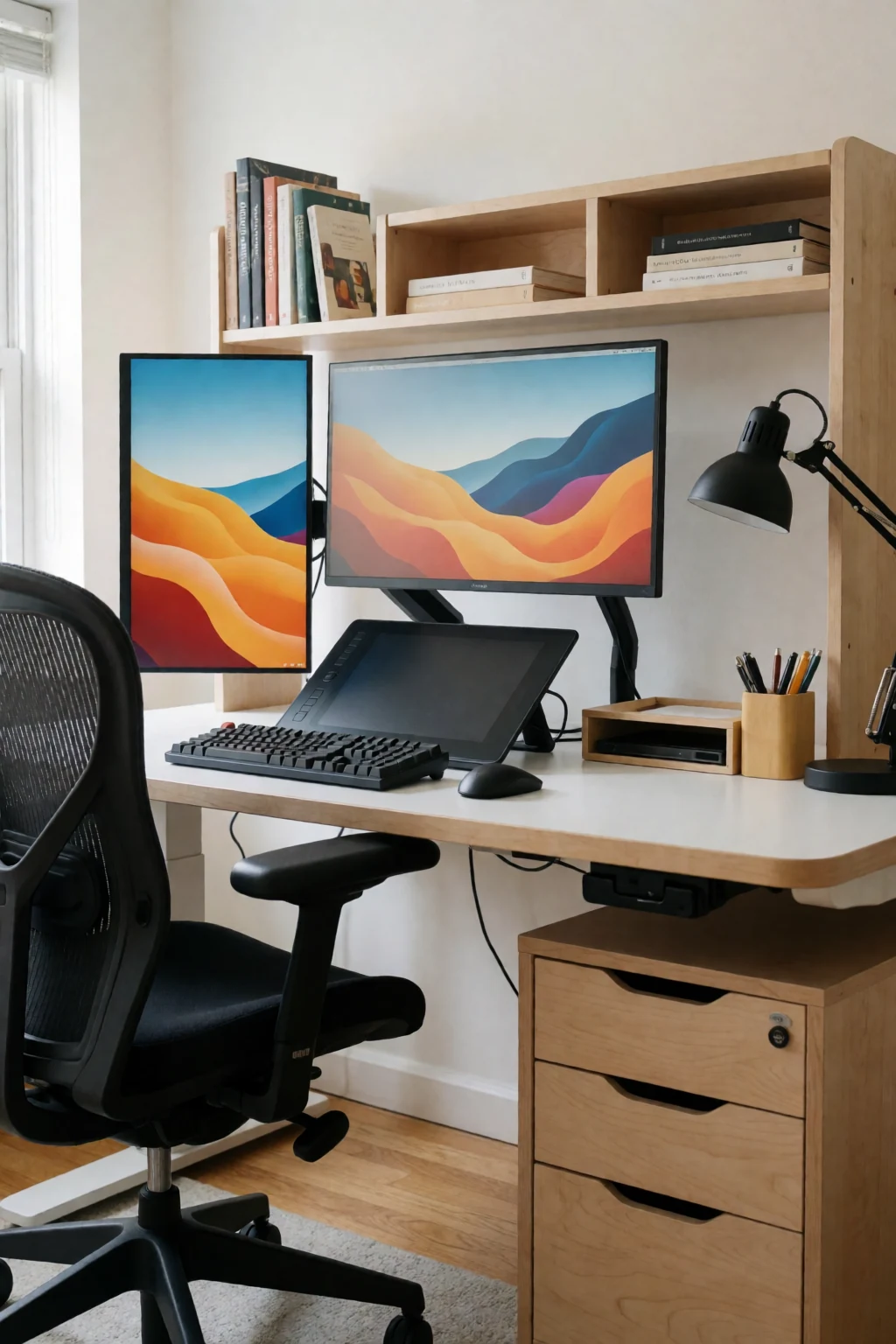 Work & gaming
A desk setup needs a deep surface, cable channels and room for a chair, while a bedside alternative is a small surface in a tight gap.
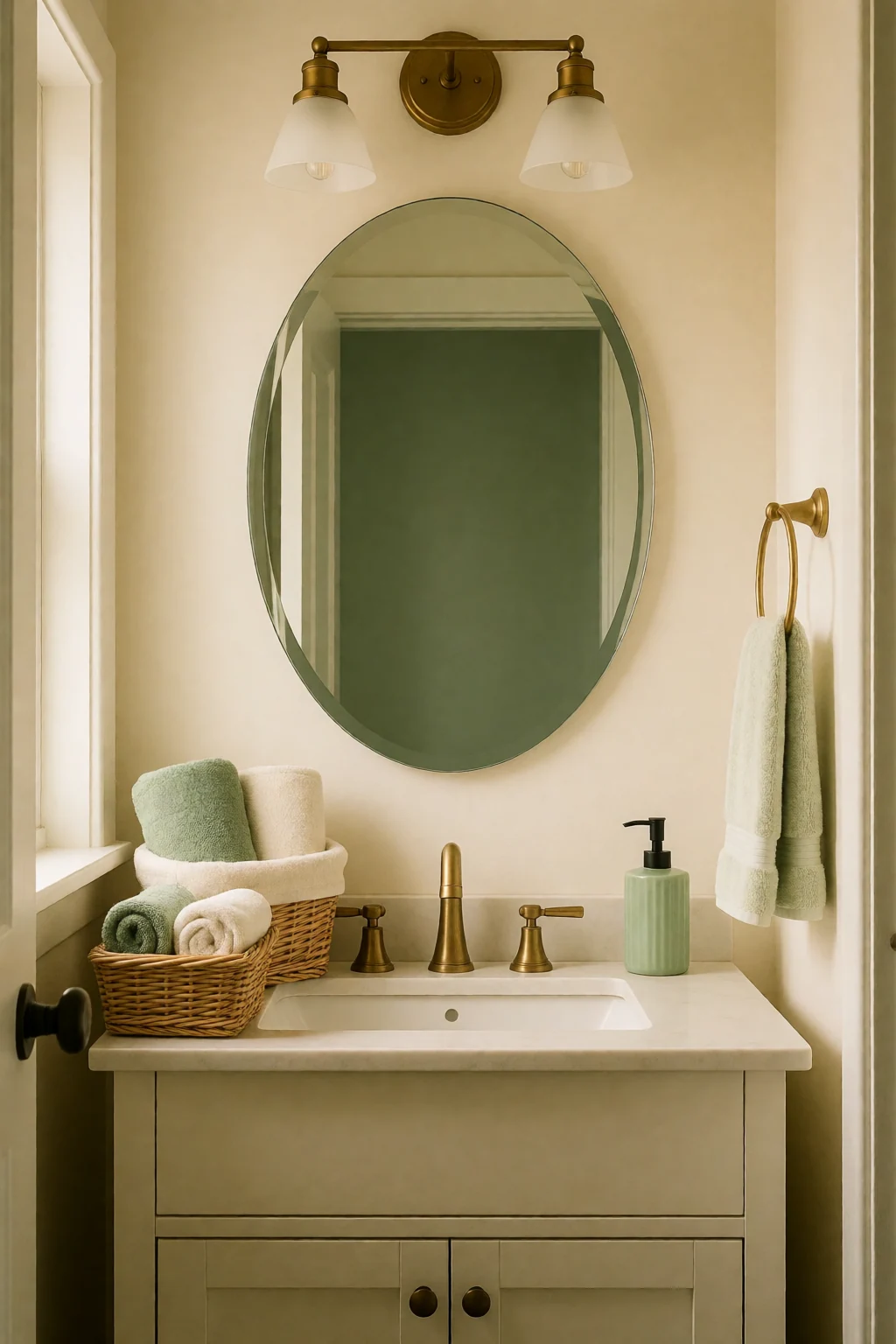 Bathroom
 storage uses damp-proof trays and over-sink shelves for grooming, while a bedside alternative holds night-time things by the bed.
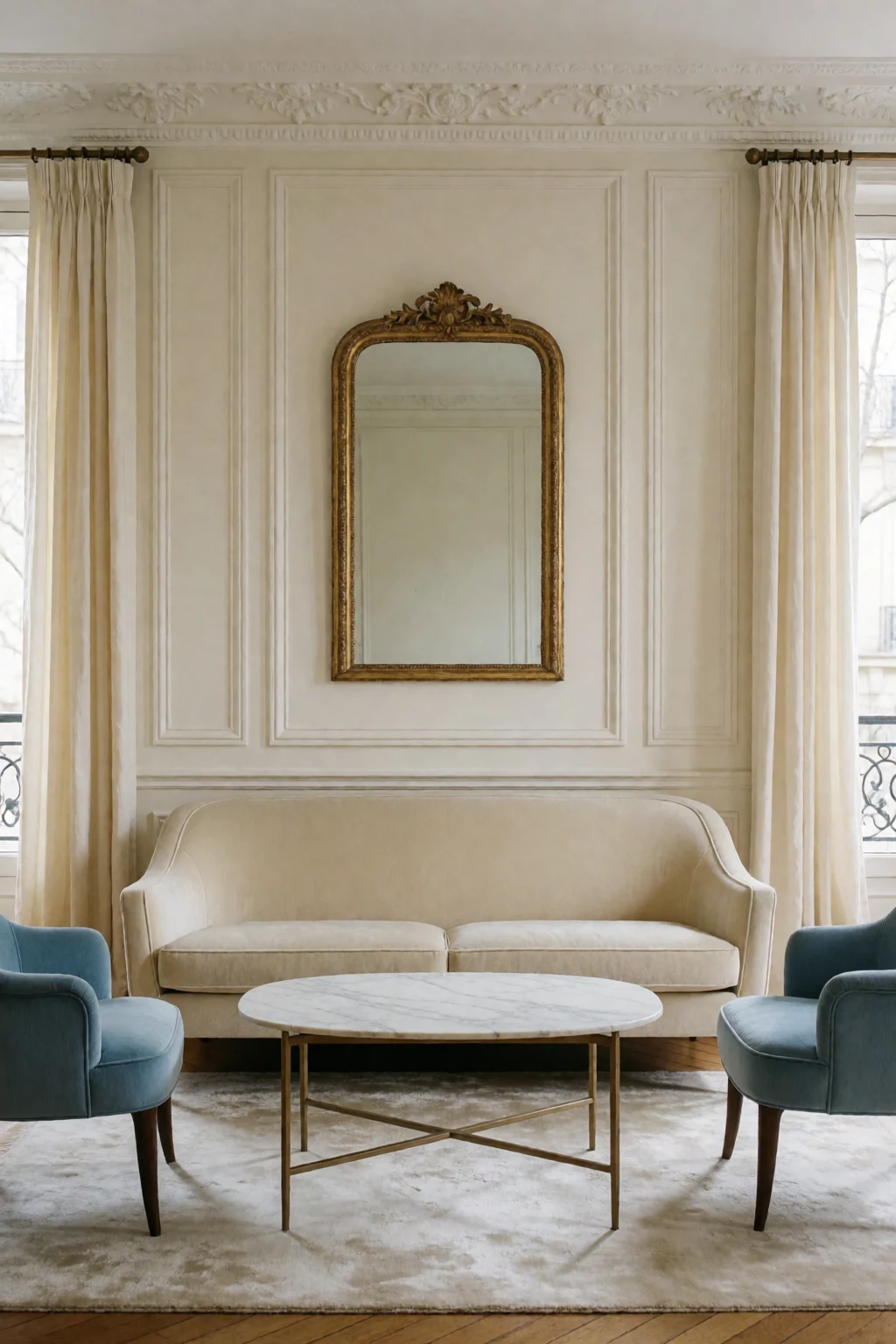 Living room
A living room places side tables around shared seating; a bedside alternative solves one person's clearance problem next to a mattress.
Questions
How do I stop things falling off a small wall shelf?
Pick a shelf with a small raised lip, or put a thin non-slip mat or a small tray on it to hold the phone and glasses.
Can a kitchen trolley work as a bedside table?
Yes. A slim metal or plastic trolley gives several shelves in a narrow footprint: lamp and water on top, books or a charging block below.
How do I run a lamp cord from a floating shelf?
Avoid it with a plug-in wall light or a rechargeable lamp. Otherwise, run the cord straight down the wall in a paintable cord cover or with adhesive clips.
How do I stop a bedside caddy sagging?
Choose one with a long flap that goes well under the mattress, and put heavier things like books in the lower pockets.