Room ideas / Living room
Living room shelf decor that also holds everyday things
Shelves full of only pretty objects turn into a dusting job, and shelves full of only useful things look like a cupboard with the door off. The trick is to give the useful things a container and leave some empty space.
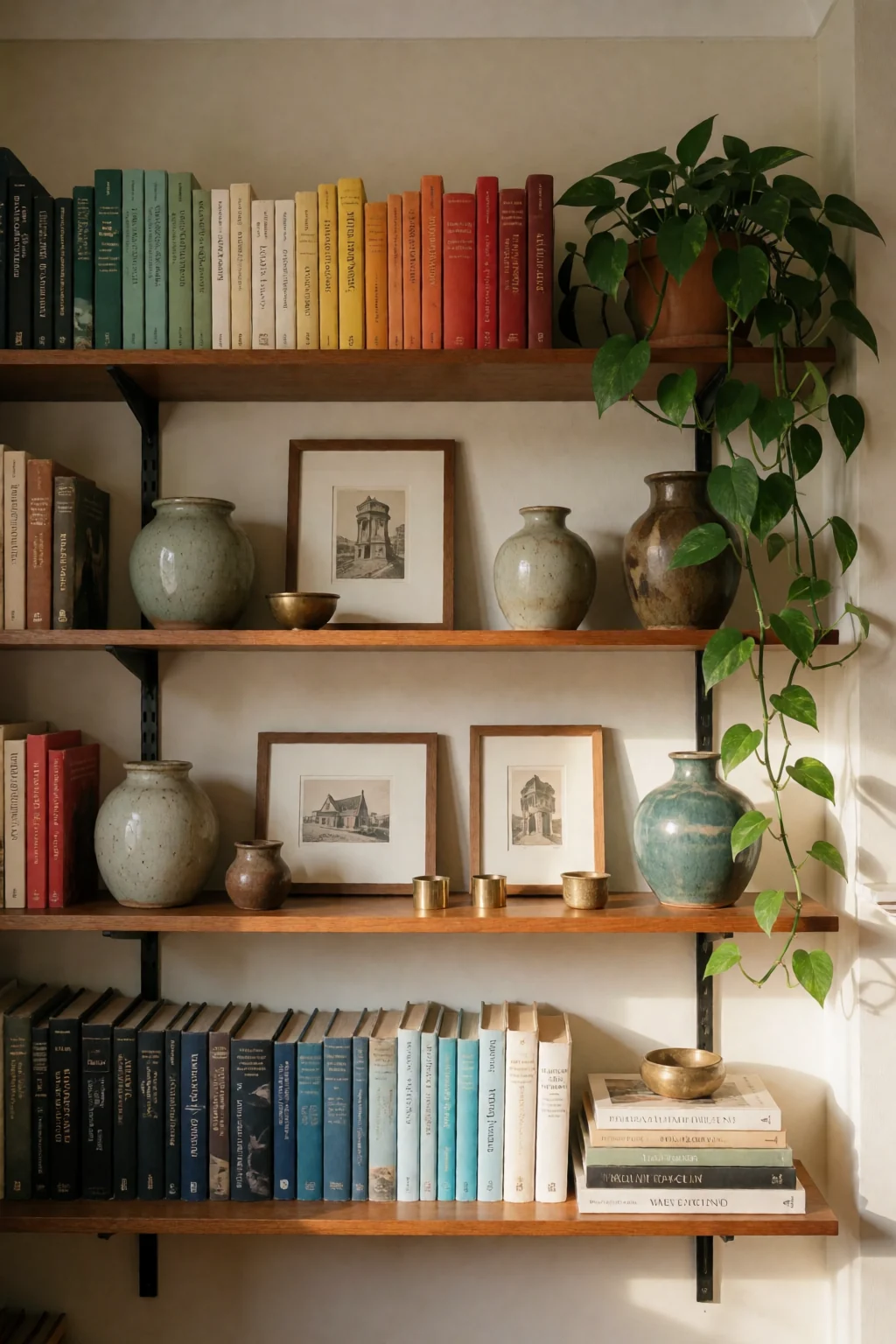
Three habits that fix most shelves
- Group things in threes at different heights, so each cluster has a high point instead of a flat line.
- Put a basket, box or lidded container on at least one shelf in every unit, so everyday things have somewhere to go.
- Mix upright books with a few stacked flat. The change in direction breaks up the rows and gives you a small platform for an object.
What a good shelf is doing
A living room shelf usually holds a mix of books, objects, plants, baskets and things you use every day. If you have to move three things to reach the remote, the shelf is not working, however good it looks in a photo. Start from what you need to reach, then style around it.
The most common problem is filling every inch. When every shelf is packed equally, nothing stands out and the whole unit looks crowded, even if each object is lovely. Leave a few inches empty on one side of a shelf and the objects next to the gap suddenly look chosen.
Most good shelves mix three kinds of things. Tall pieces, like a stack of books or a vase, give it height. Middle pieces, like a bowl, a framed photo or a candle, fill in. A basket or box holds remotes, chargers and other things you reach for. With all three on most shelves, the unit looks layered.
Five arrangements to copy
- Tall, medium, low
- One tall piece such as a vase or pillar candle, one medium piece such as a small plant or ceramic, and one low piece such as a short stack of books or a flat dish. Set them in a loose triangle with the tallest at the back or side. It works on almost any shelf.
- Books with something on top
- Stack three or four books of similar size flat, then set a candle or small plant on top. The stack fills the shelf's depth, raises the object, and keeps the books you are actually reading within reach.
- One basket per shelf
- A basket hides spare batteries, remotes, chargers or folded napkins, the things that make a shelf look messy. Choose one that fits a section of the shelf without pushing into the next group. For small items, a lidded box looks cleaner.
- Leaning frames
- Lean a small framed print or photo against the back of the shelf. It adds depth, needs no nail, and is easy to swap with the seasons. Keep the frame shorter than the gap to the shelf above.
- Plants that fit the shelf
- A plant should not stick out more than halfway past the front edge, or it gets knocked and crowds the shelf below. Trailing plants like pothos suit high shelves where they can hang. Within arm's reach, a compact succulent or small leafy plant is safer.
Check these first
- How deep the shelves are
- Shelves under eight inches deep cannot hold large objects without them hanging over the edge. Use flat items, small frames, slim books and modest candles there. On shelves ten inches deep or more, put small things in front of taller ones.
- Colour across the whole unit
- Stand back and look at the full unit. If every shelf has a different colour going on, it will look scattered however well each shelf is arranged. Repeat two or three colours across the unit, even loosely.
- Light in a dark corner
- Shelves away from a window look murky in the evening. A plug-in puck light or a slim battery LED strip stuck under each shelf lights the one below it.
- Seasonal swaps
- Swapping two or three things, like a glass vase for a ceramic one or a burned-down candle for a fresh one, makes the shelf feel new without restyling it. Keep a small box of spare objects nearby so it takes minutes.
Restyling from empty
Take everything off. Sort it into three piles: things you reach for often, things you like to look at, and things that ended up there by default. Only the first two go back. Put the third pile in storage or give it away before you start.
Put back the biggest things first: books and tall pieces on each section. Then the middle-sized objects, then small items and baskets last. Step back after each shelf and check that no two shelves next to each other look the same. Move the tallest piece left on one and right on the next, and do the same with the basket, so your eye moves across the whole unit.
Shop the pieces
16 living room pieces
Links open similar items, not the pictured ones.
-
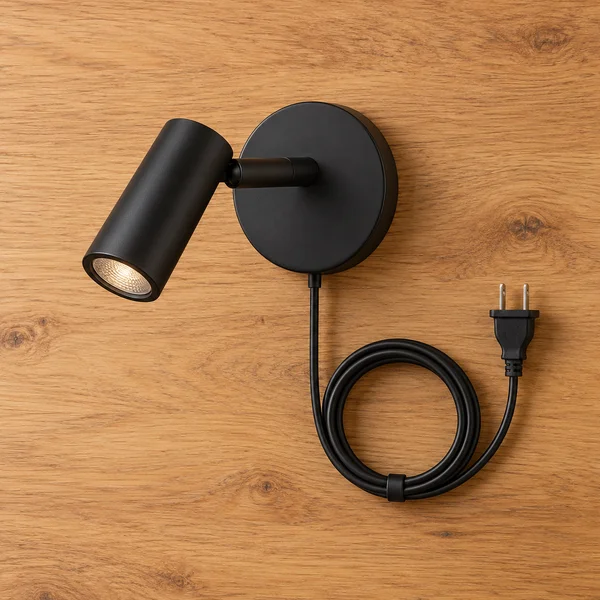
Plug in wall reading light
What to check
Mount the light high enough to clear your head when sitting up, and check the plug reaches an outlet.
-
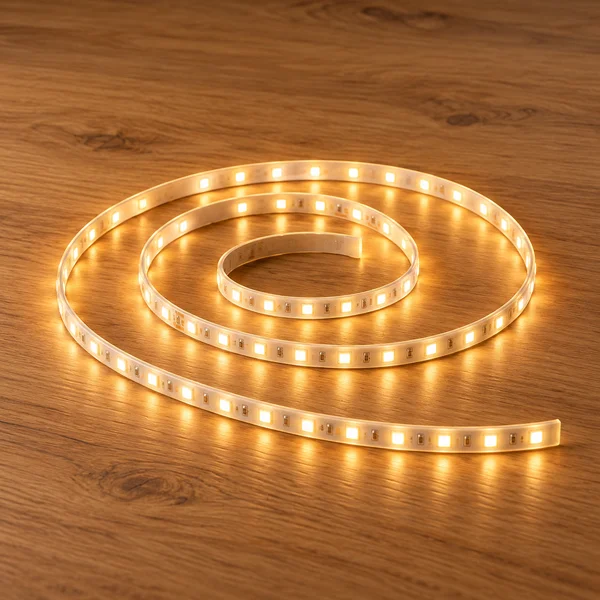
Warm white LED strip light
What to check
Measure the length you want to light and check the warm white colour temperature suits the room.
-
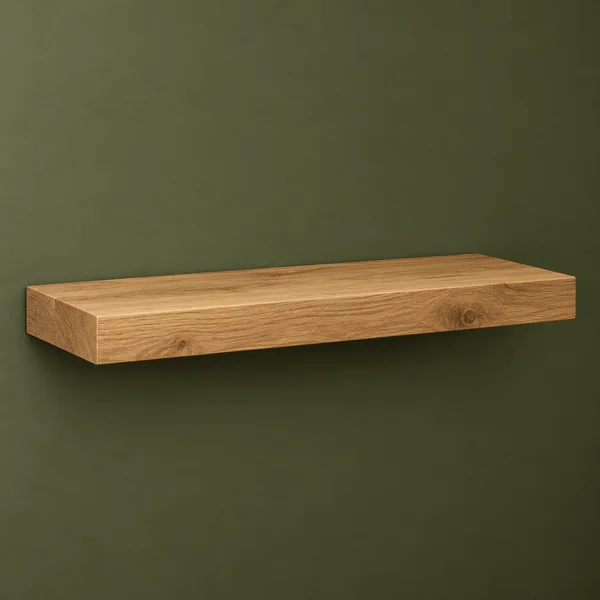
Wood floating wall shelf
What to check
Check the shelf depth and weight rating, and fix into studs or solid wall plugs.
-
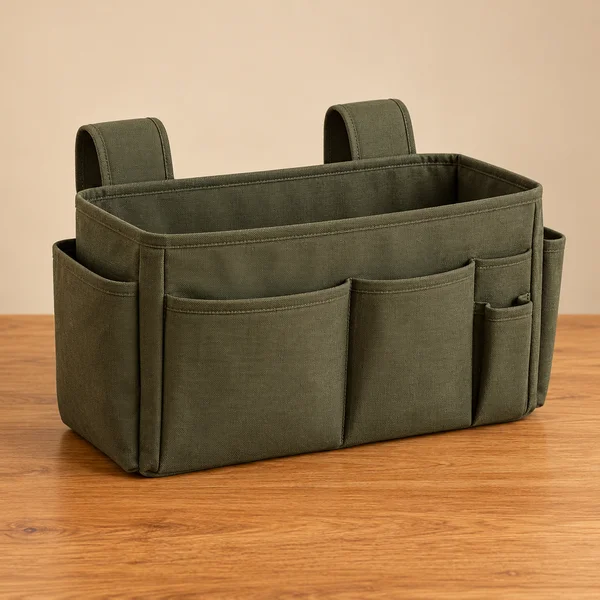
Bedside storage basket
What to check
Measure the gap between the mattress and the wall or frame. A bedside caddy needs a firm mattress edge to tuck under.
-
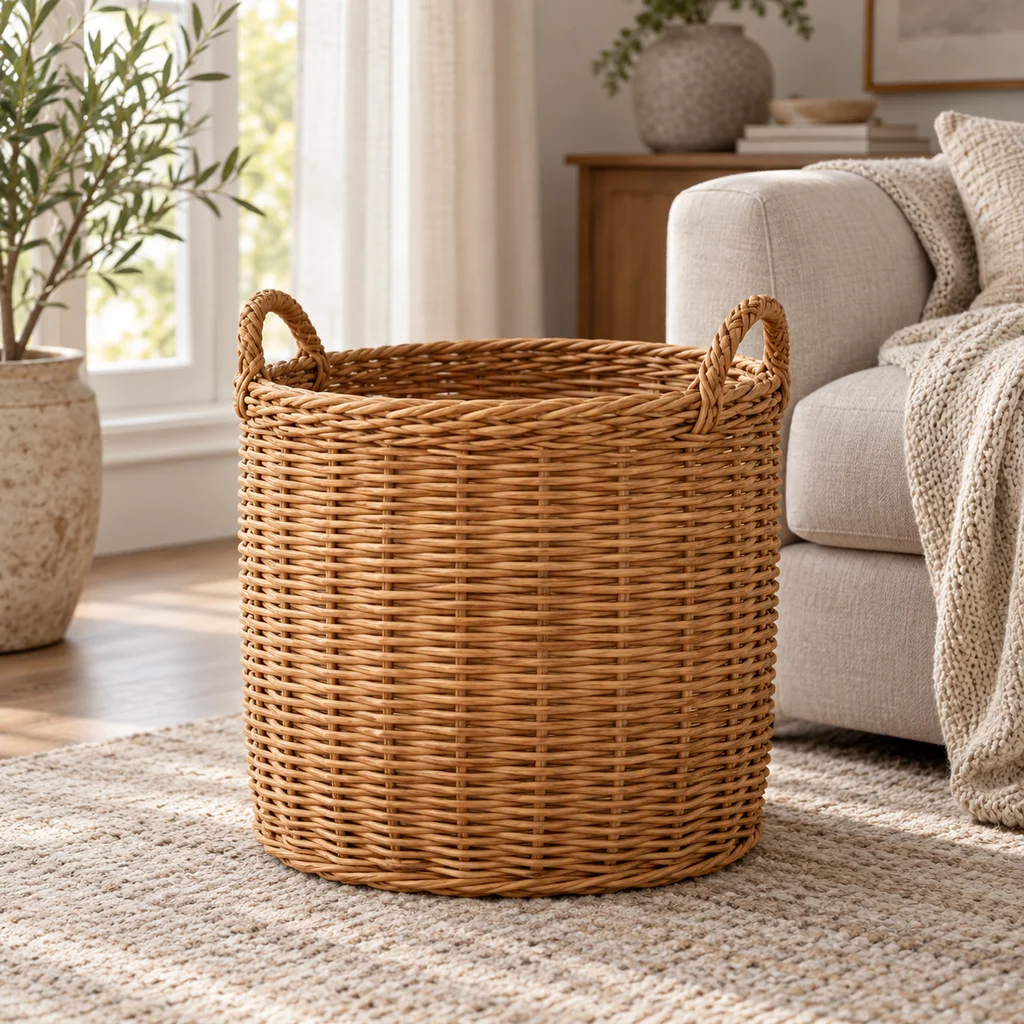
Blanket basket
What to check
Check the basket opening is wide enough for a folded throw, and that the weave will not snag fine knits.
-
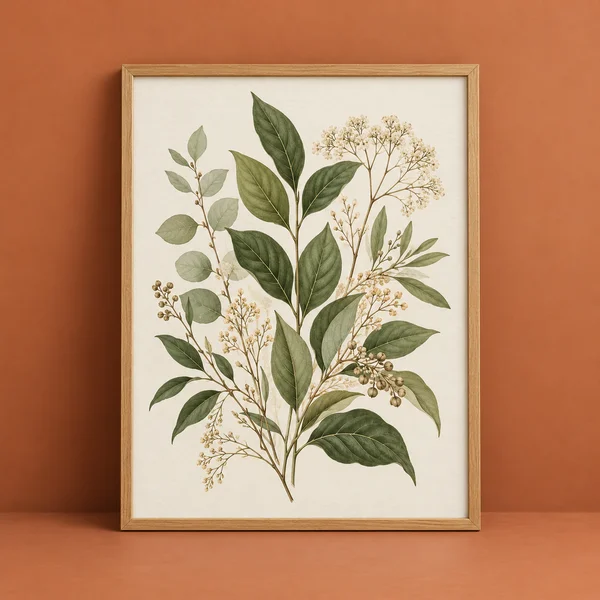
Botanical wall art print
What to check
Measure the wall and plan the spacing between frames before you hang a set. Paper templates on the wall help.
-
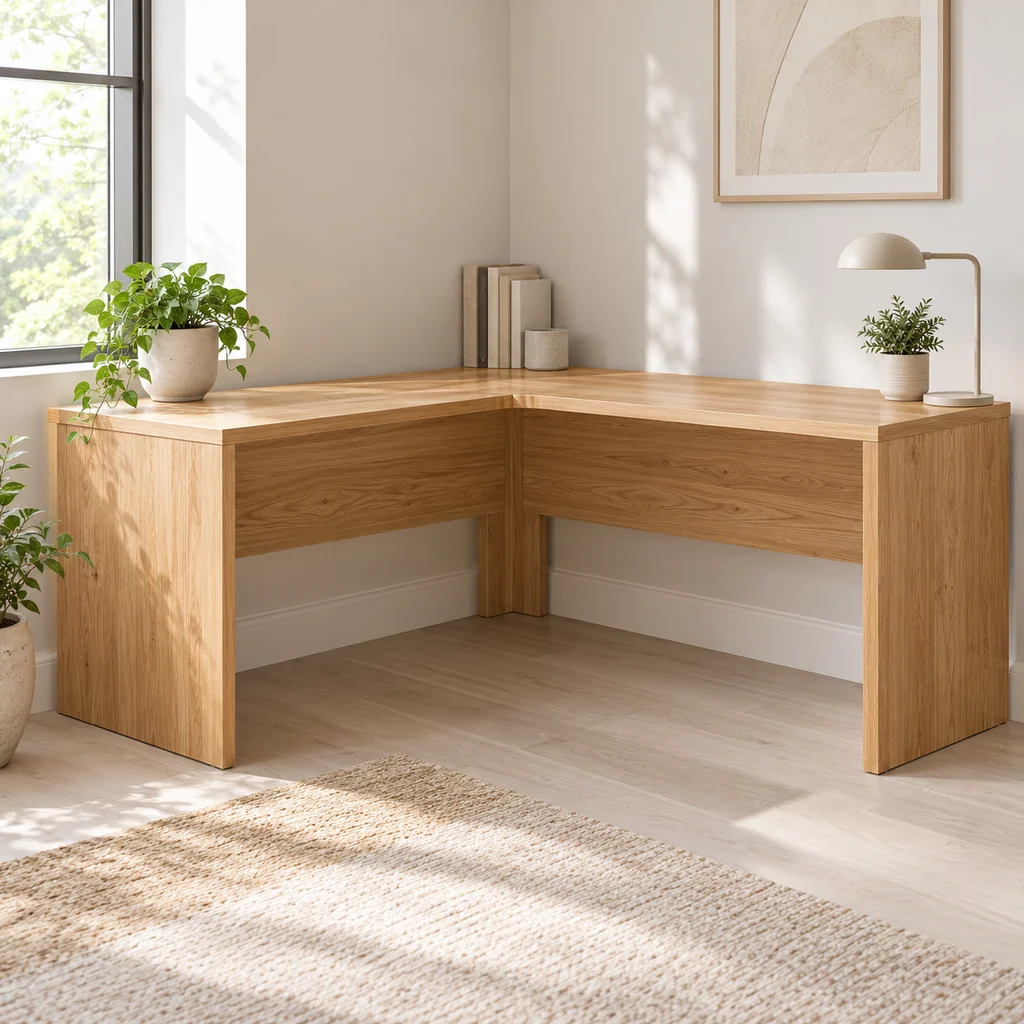
Corner desk
What to check
Measure both walls and the diagonal path into the room. Large L desks often arrive in heavy flat-pack boxes.
-
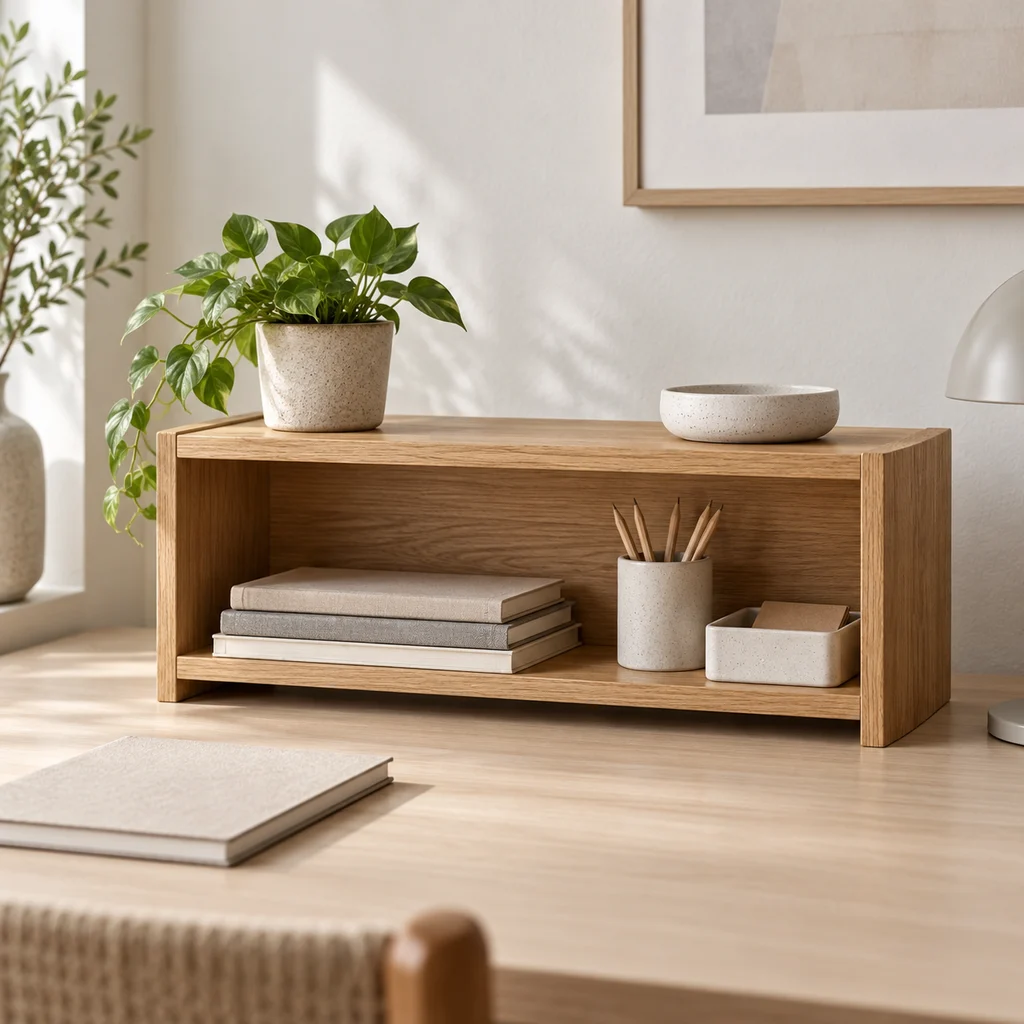
Desk shelf
What to check
Measure under your monitor or beside it. A desk shelf only helps if the things on it are ones you use every day.
Show all 16 pieces
-
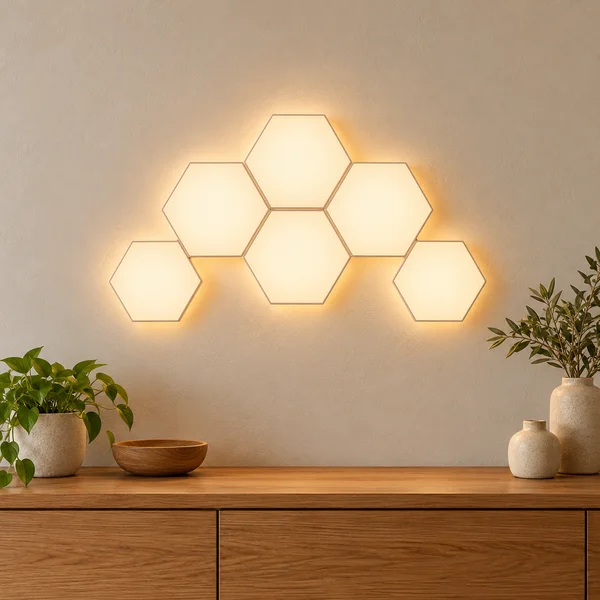
Hexagon wall lights
What to check
Light panels stick on with adhesive pads, which can pull paint off when removed. Plan the shape on paper first and check where the power cable will run.
-
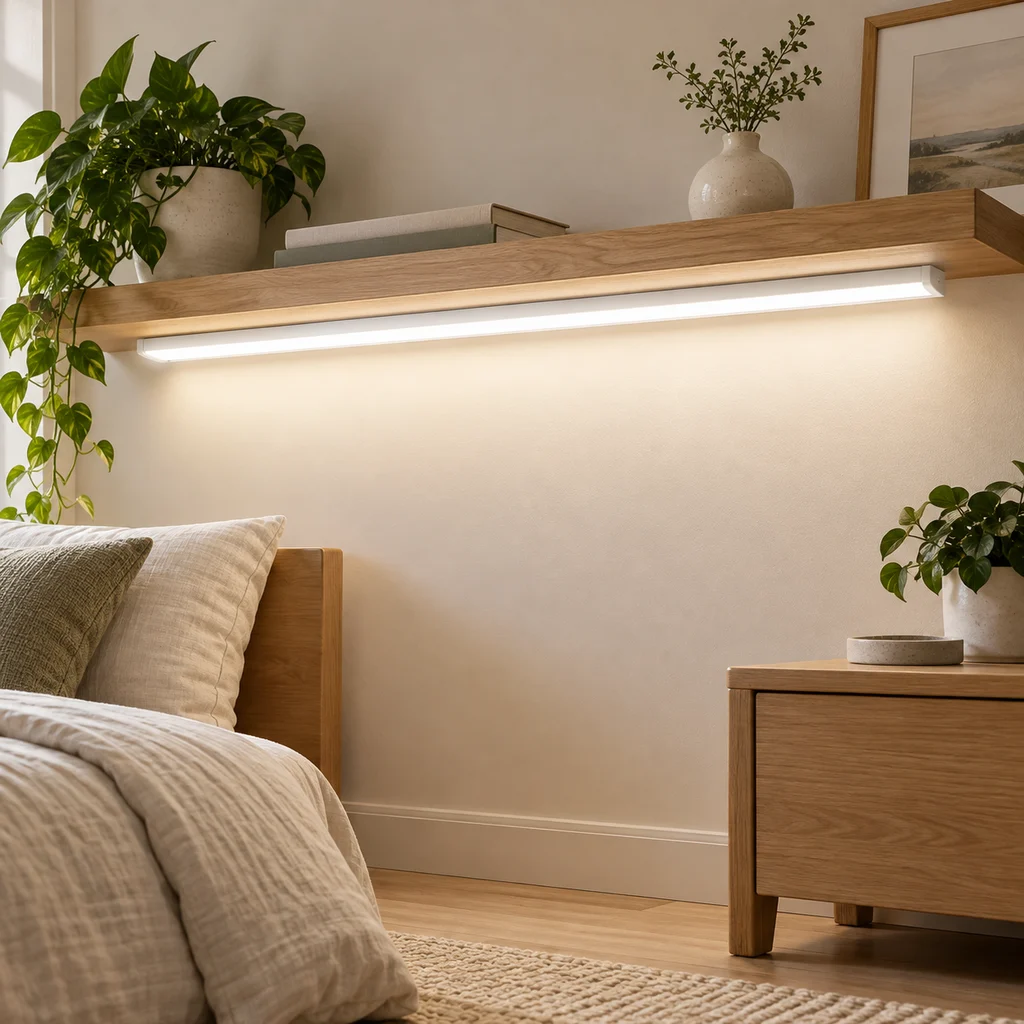
LED strip
What to check
Measure the run you want to light and check where the power plug will reach. Adhesive strips stick best on clean, smooth surfaces.
-
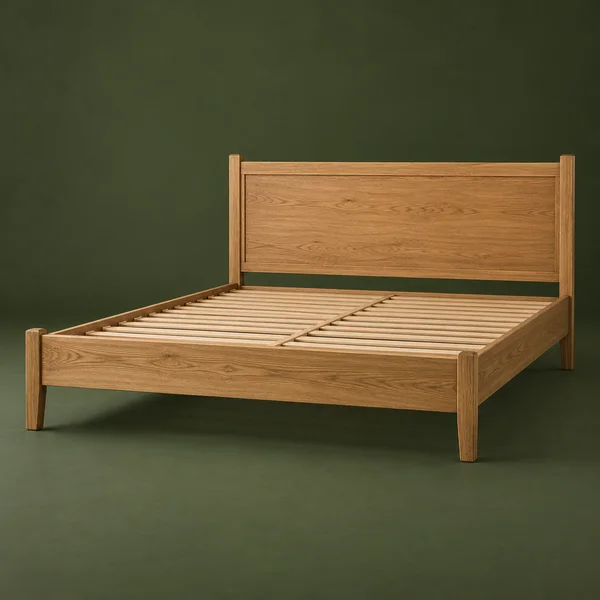
Oak wood bed frame
What to check
Check the slat spacing for your mattress type and the height under the frame for storage.
-
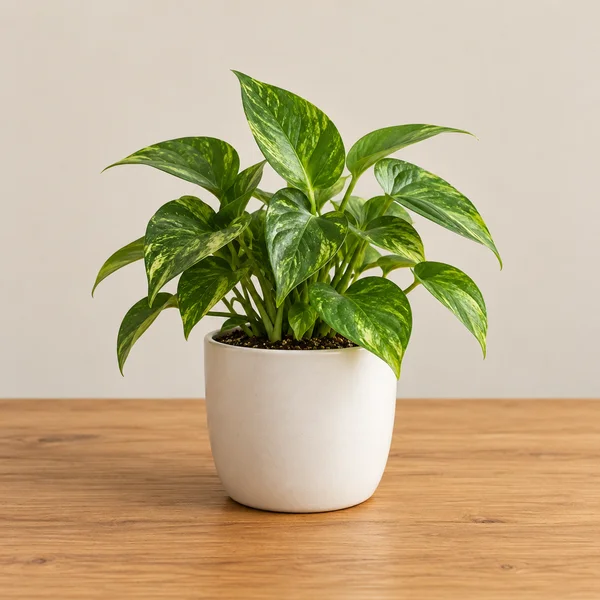
Plant and pot
What to check
A faux plant suits a desk corner with little daylight. Check the full height including the pot so it does not block a shelf or screen.
-
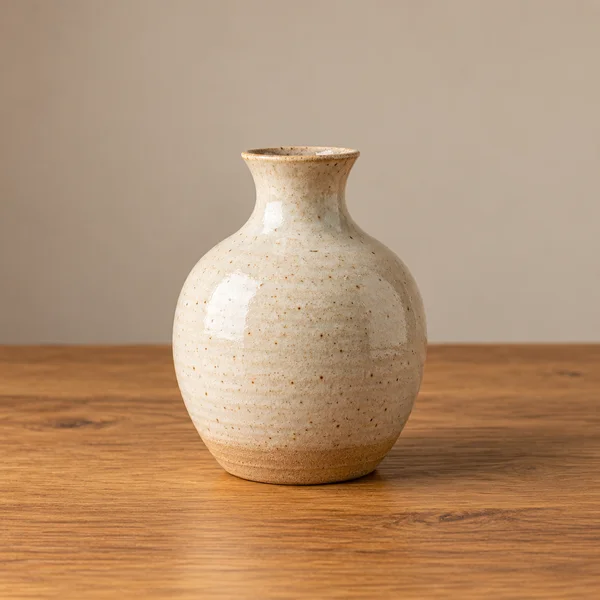
Small ceramic vase
What to check
Small vases suit a few stems or a single branch. Check whether the vase is watertight if you use fresh flowers.
-
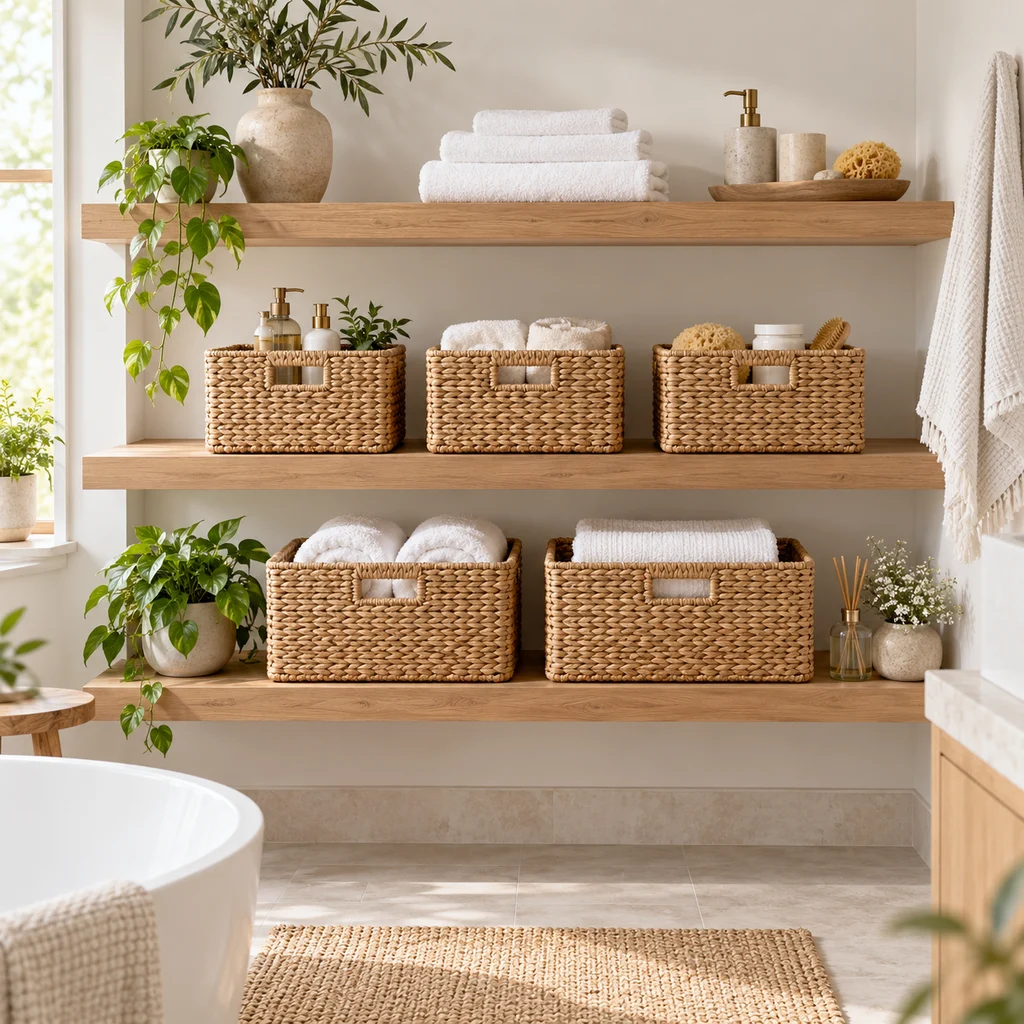
Storage baskets
What to check
Measure the shelf depth and height before buying baskets. Check whether the weave has a liner if you store fabric or small items.
-
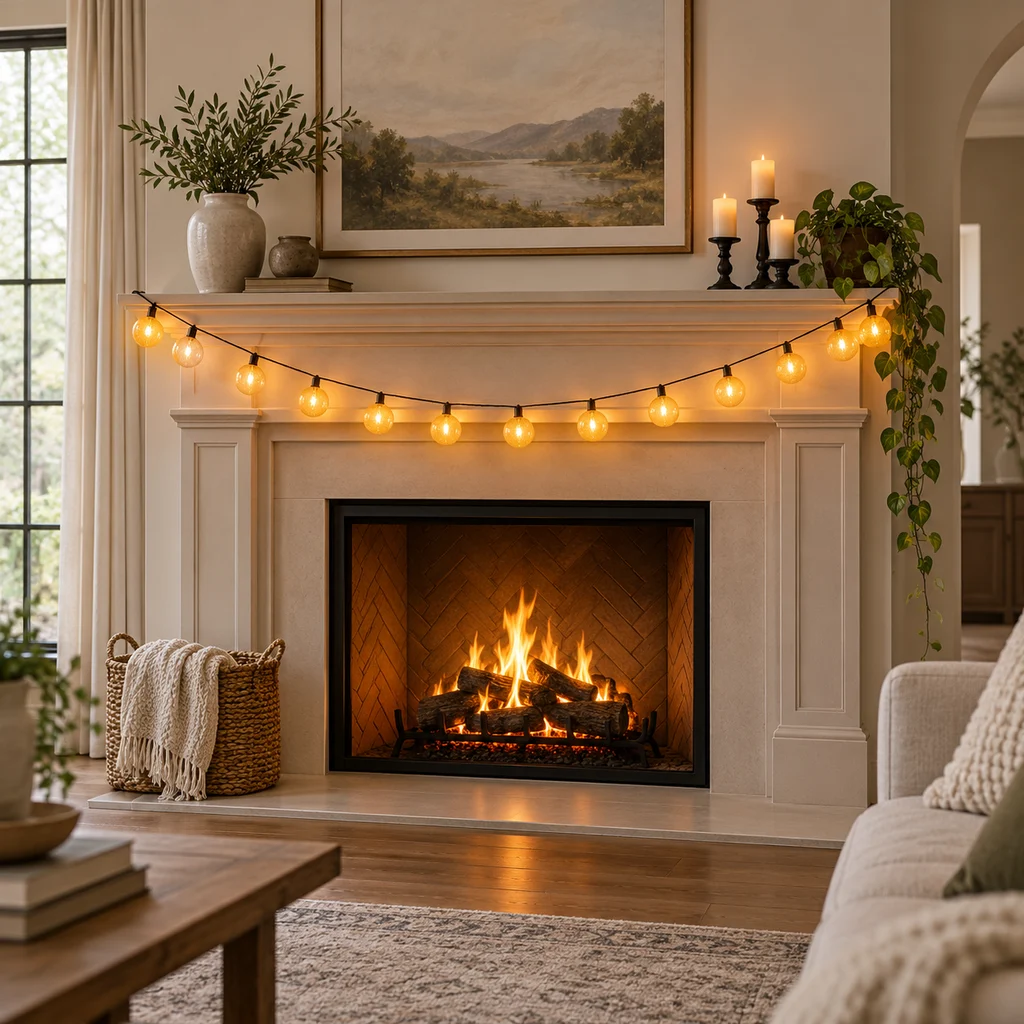
String lights
What to check
Check whether the lights are rated for indoor or outdoor use and how far the plug is from where you will hang them.
-
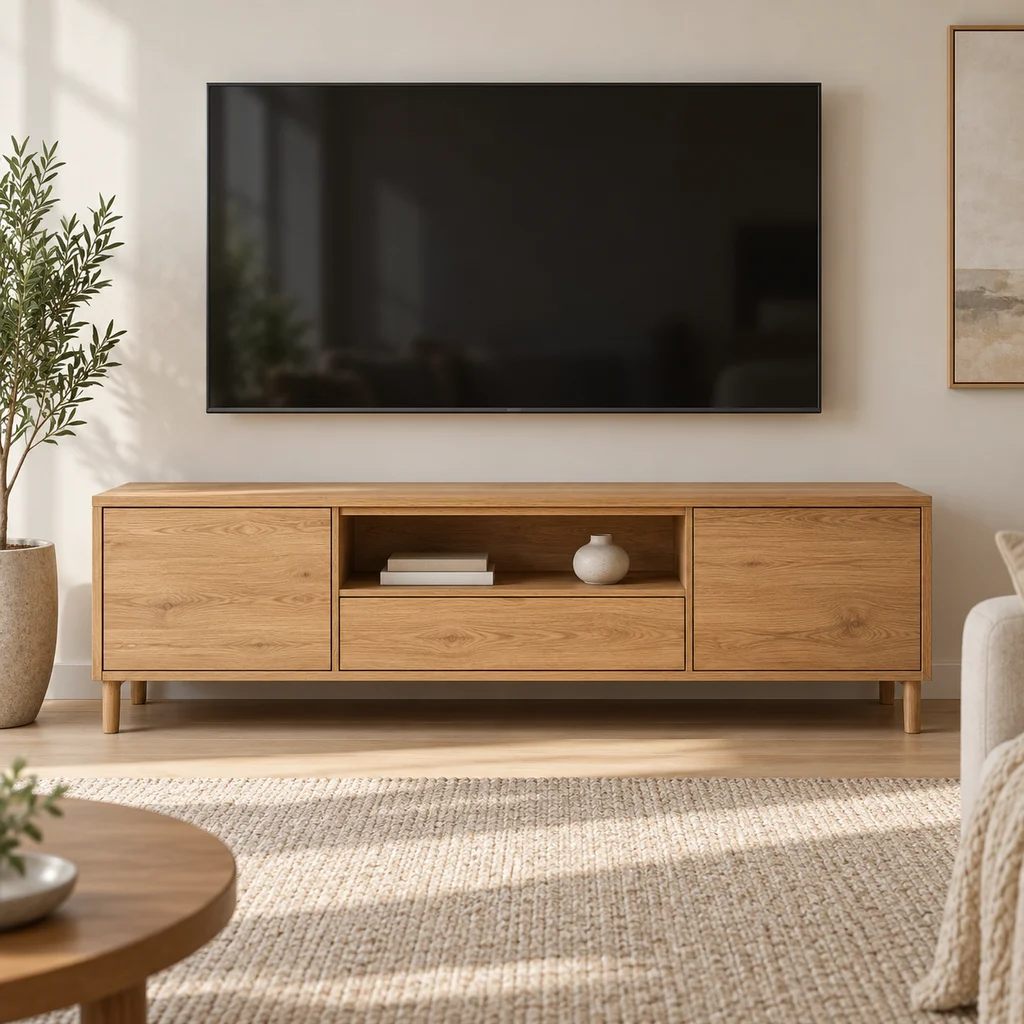
TV stand
What to check
Check the stand width is wider than the TV and that it holds the TV's weight.
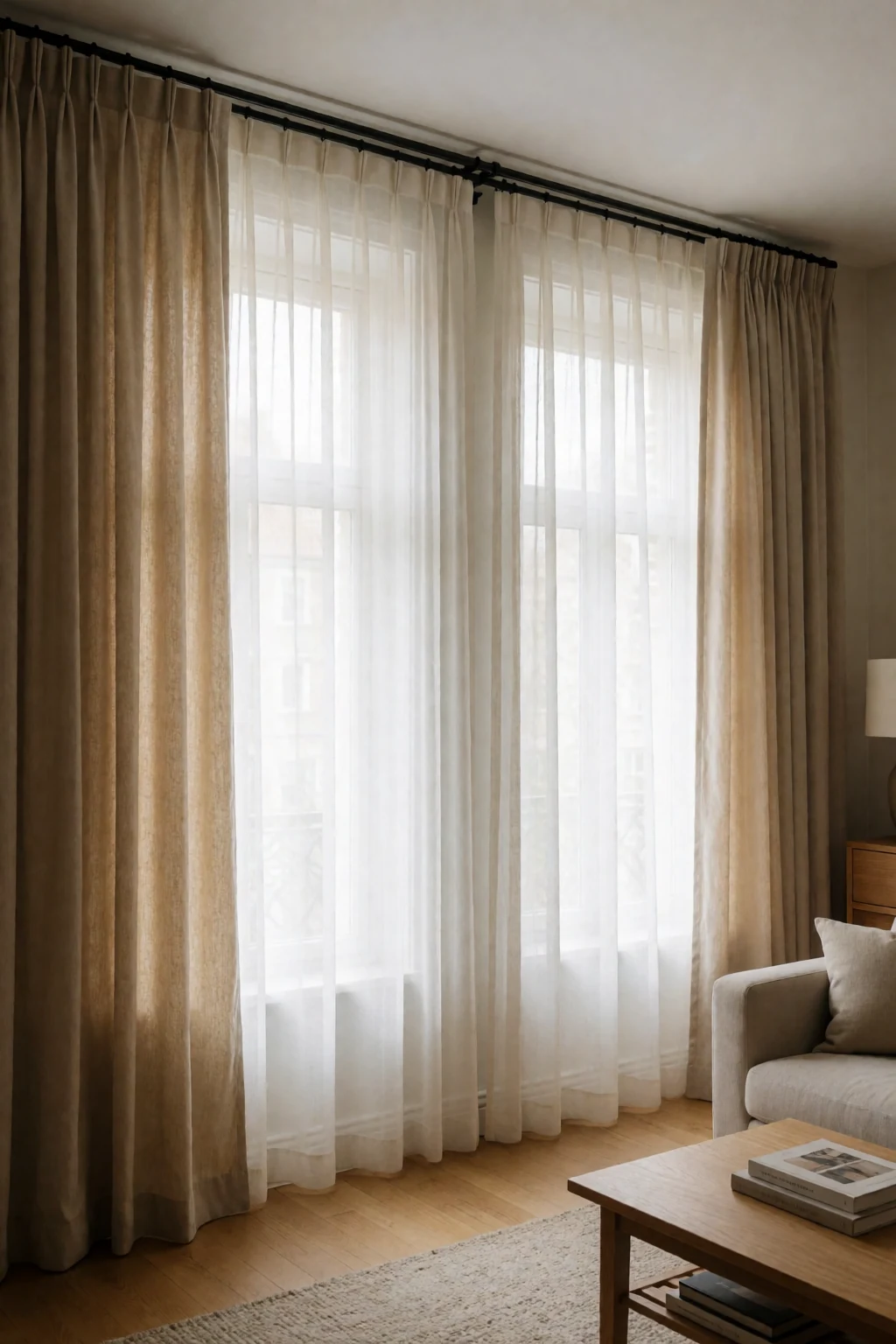
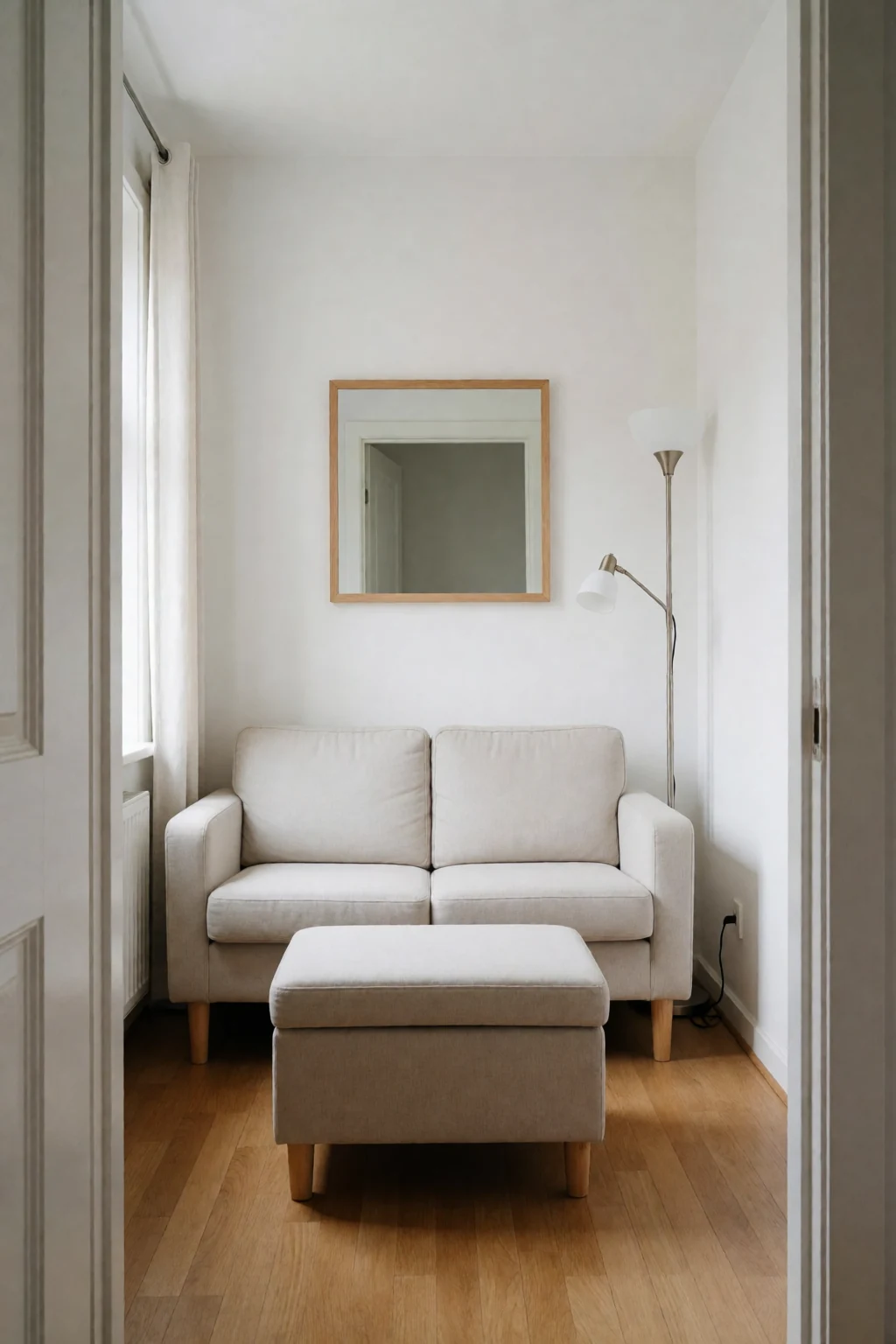
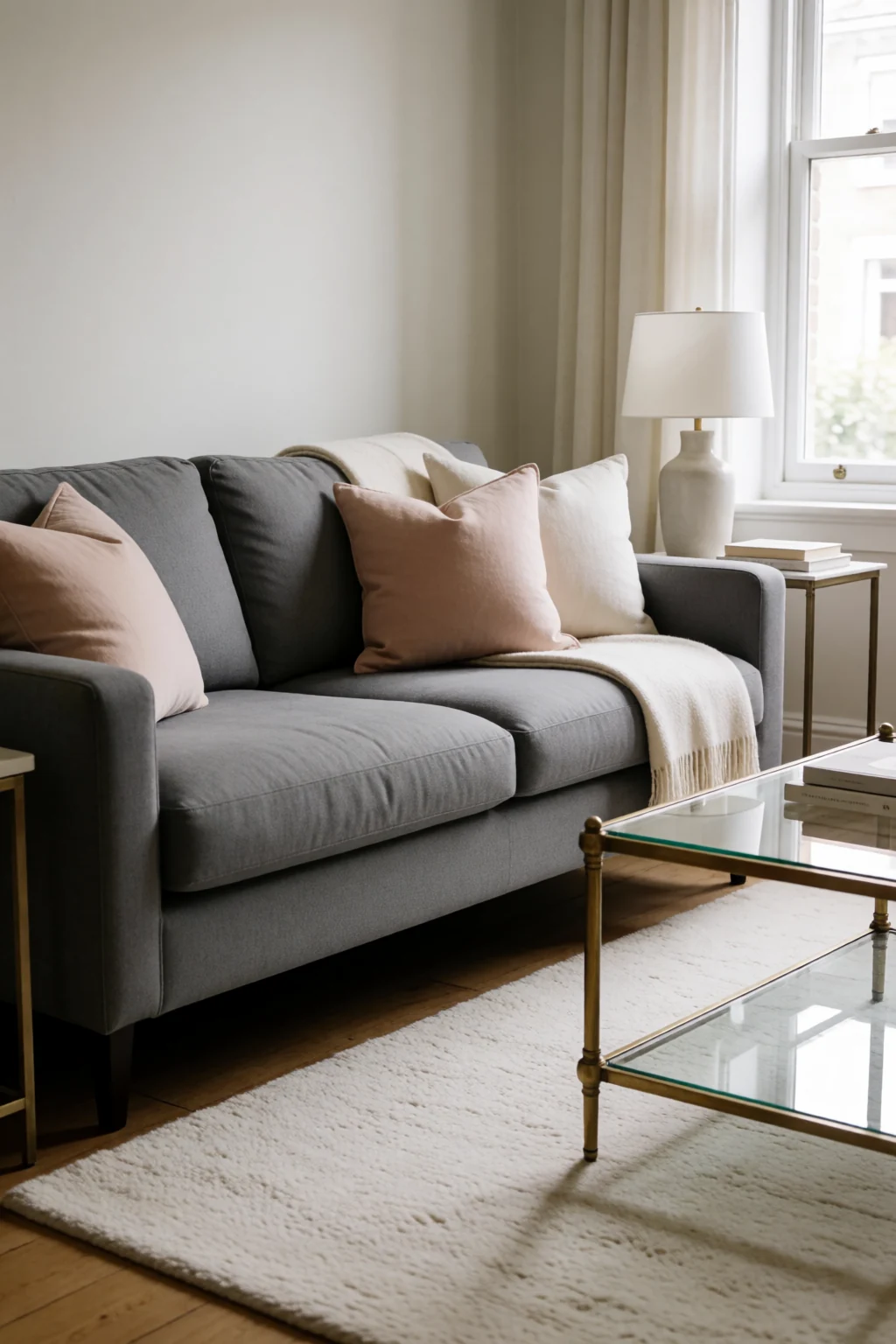
The gallery
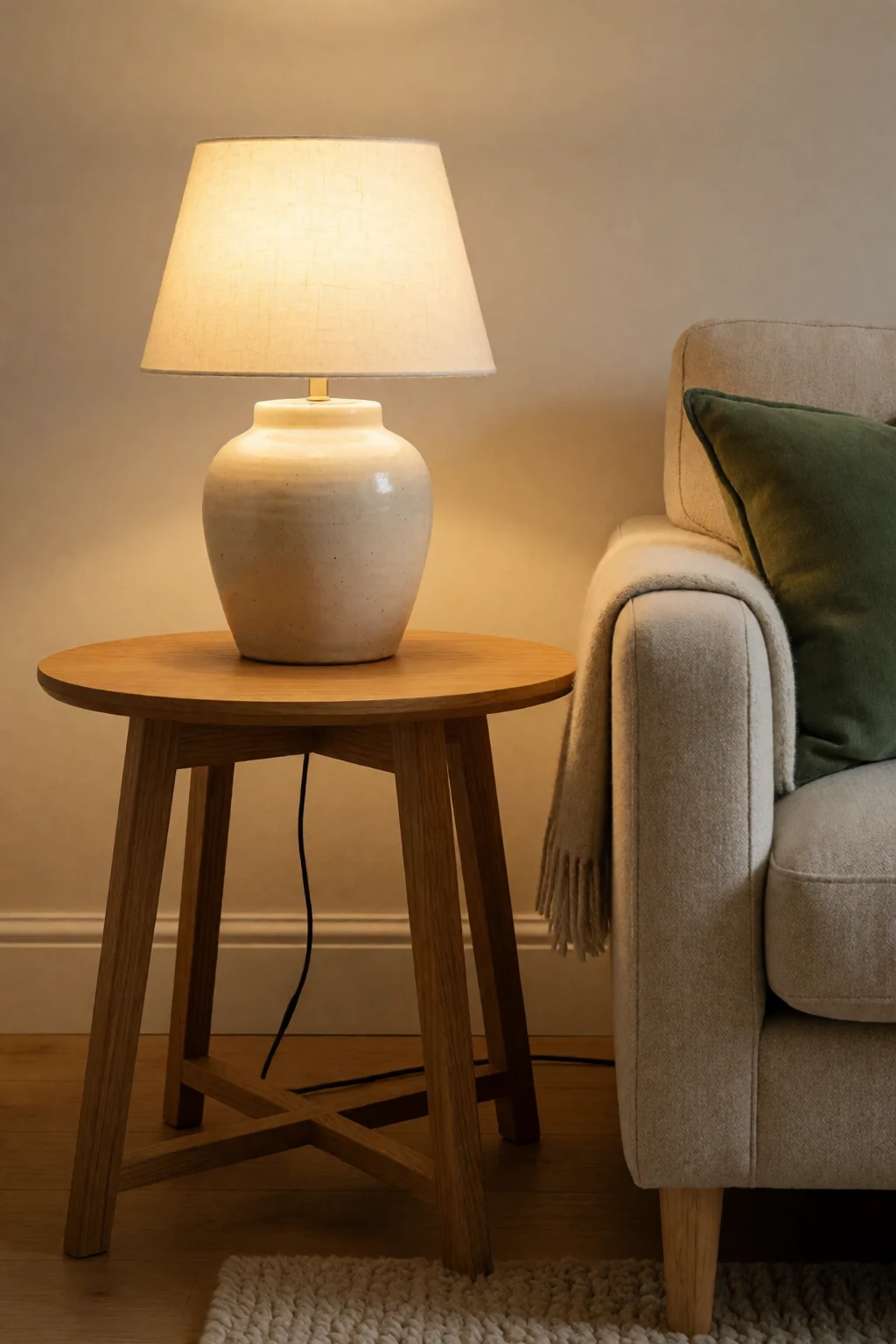
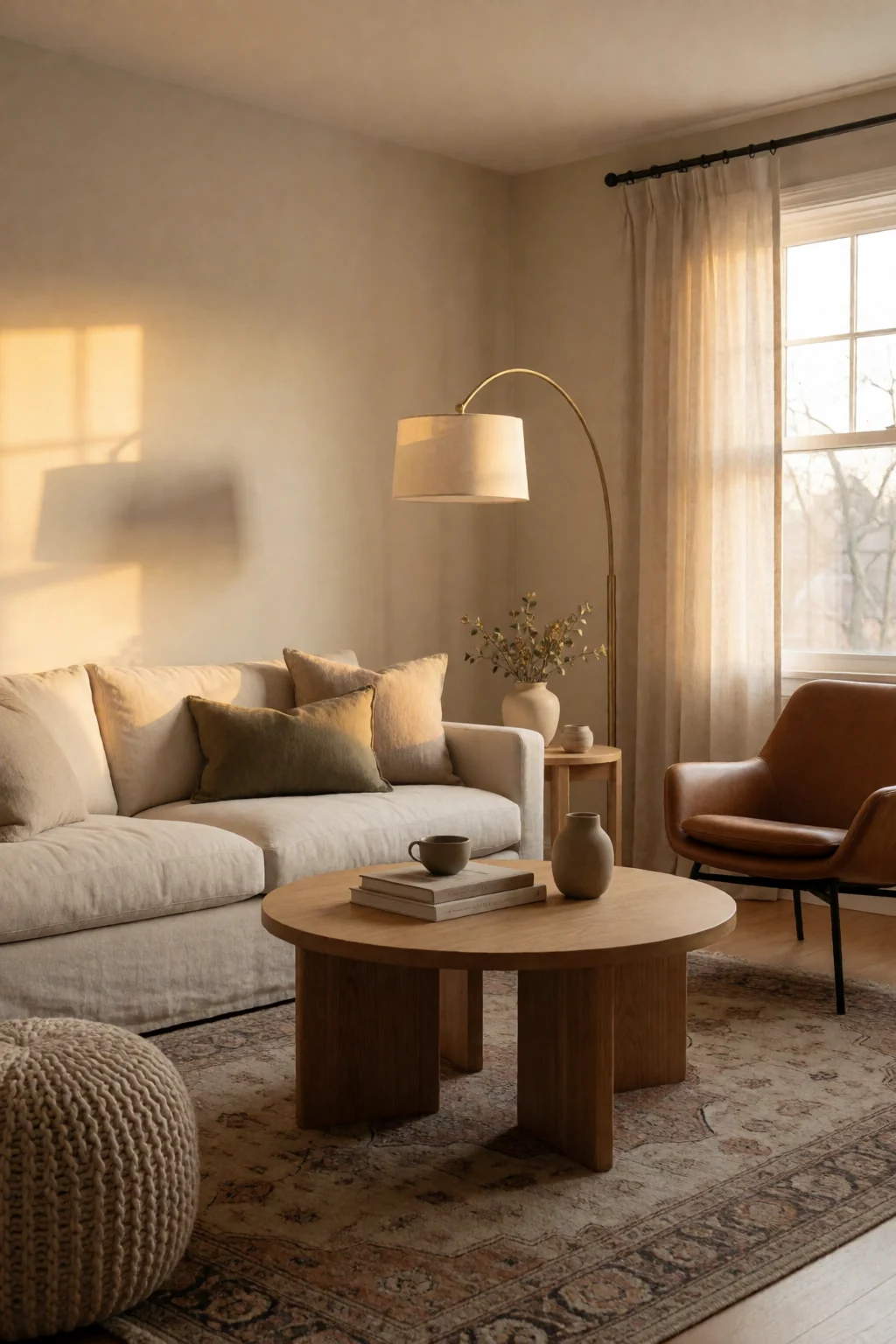
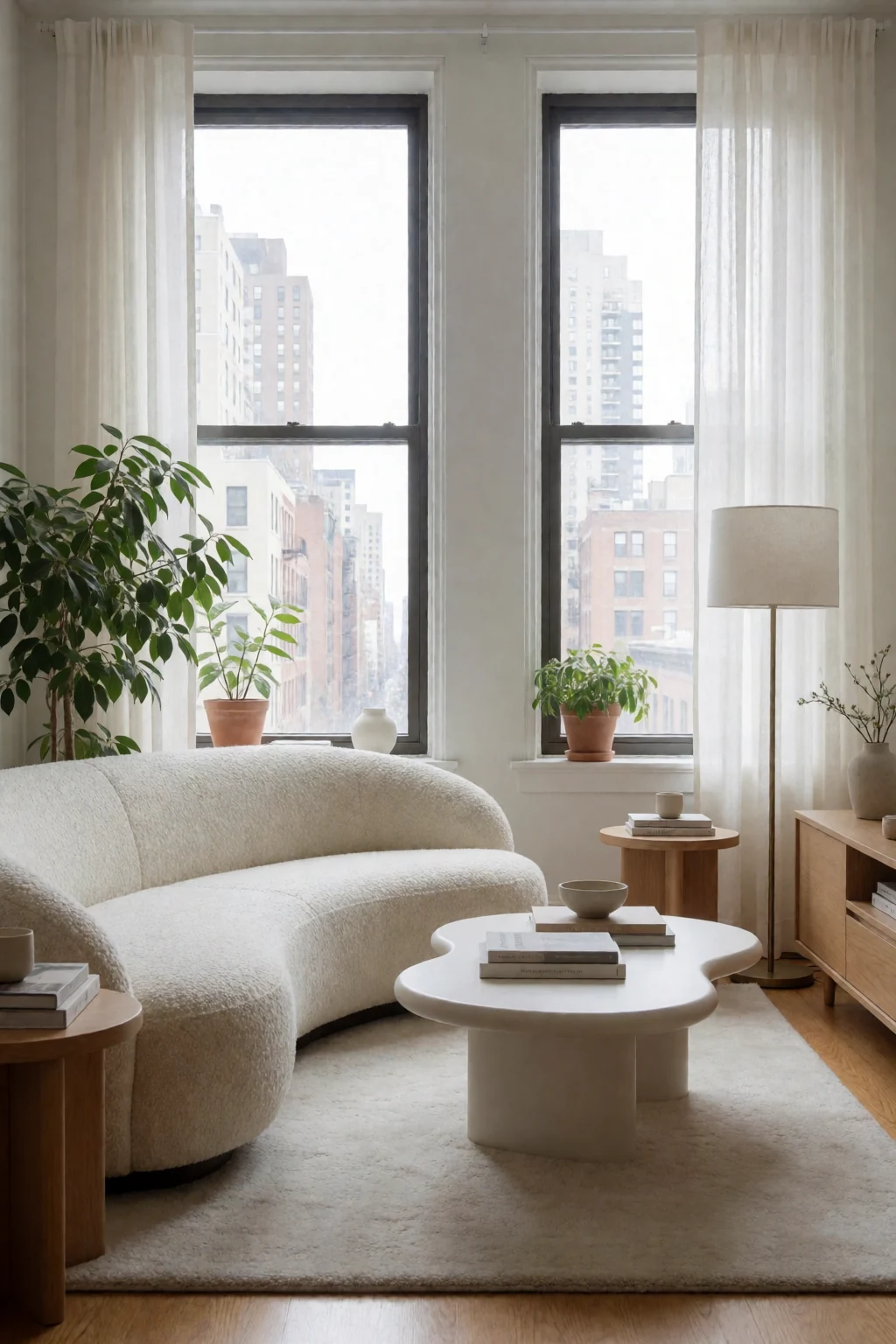
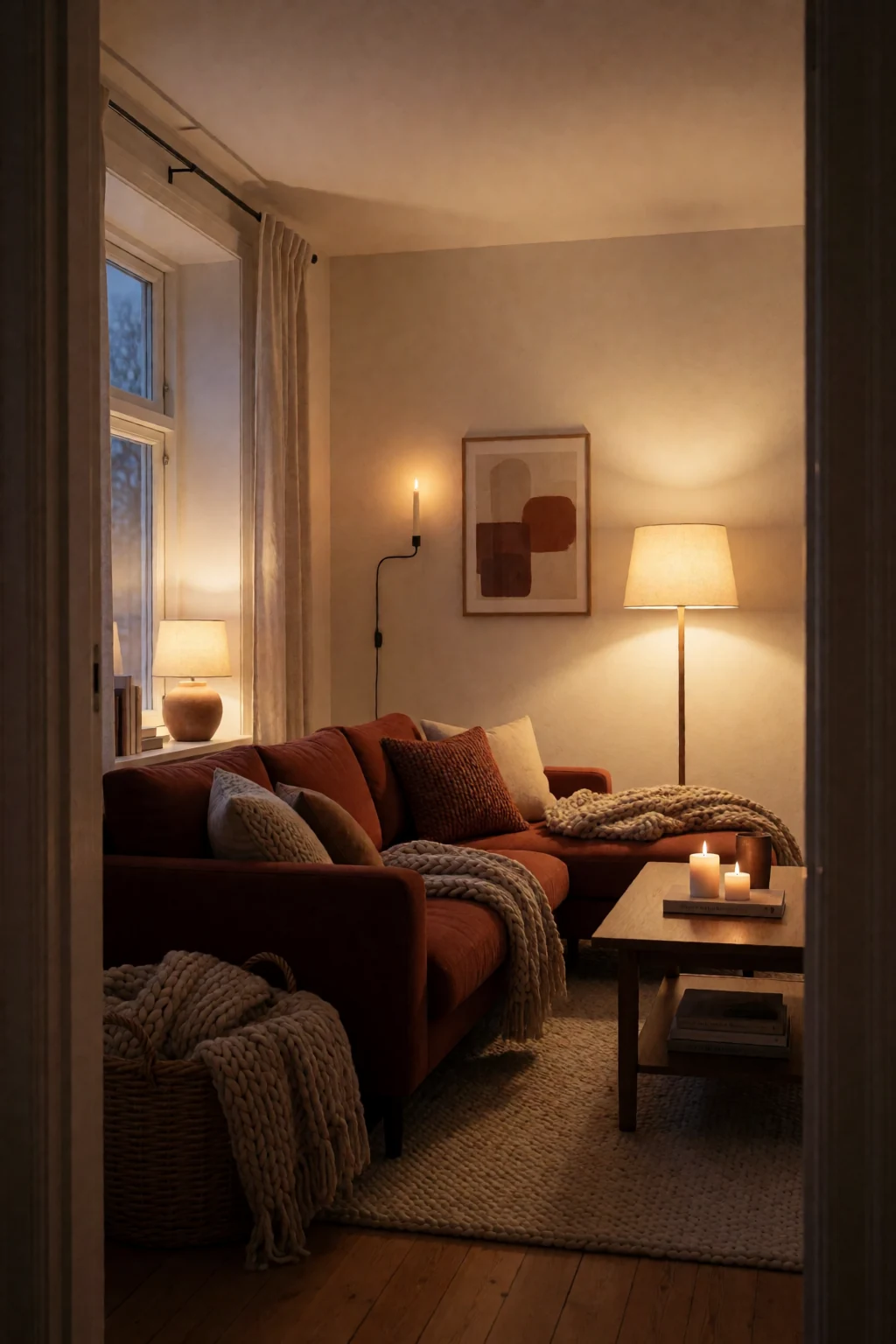
8 living room looks
Open a look to see its pieces.
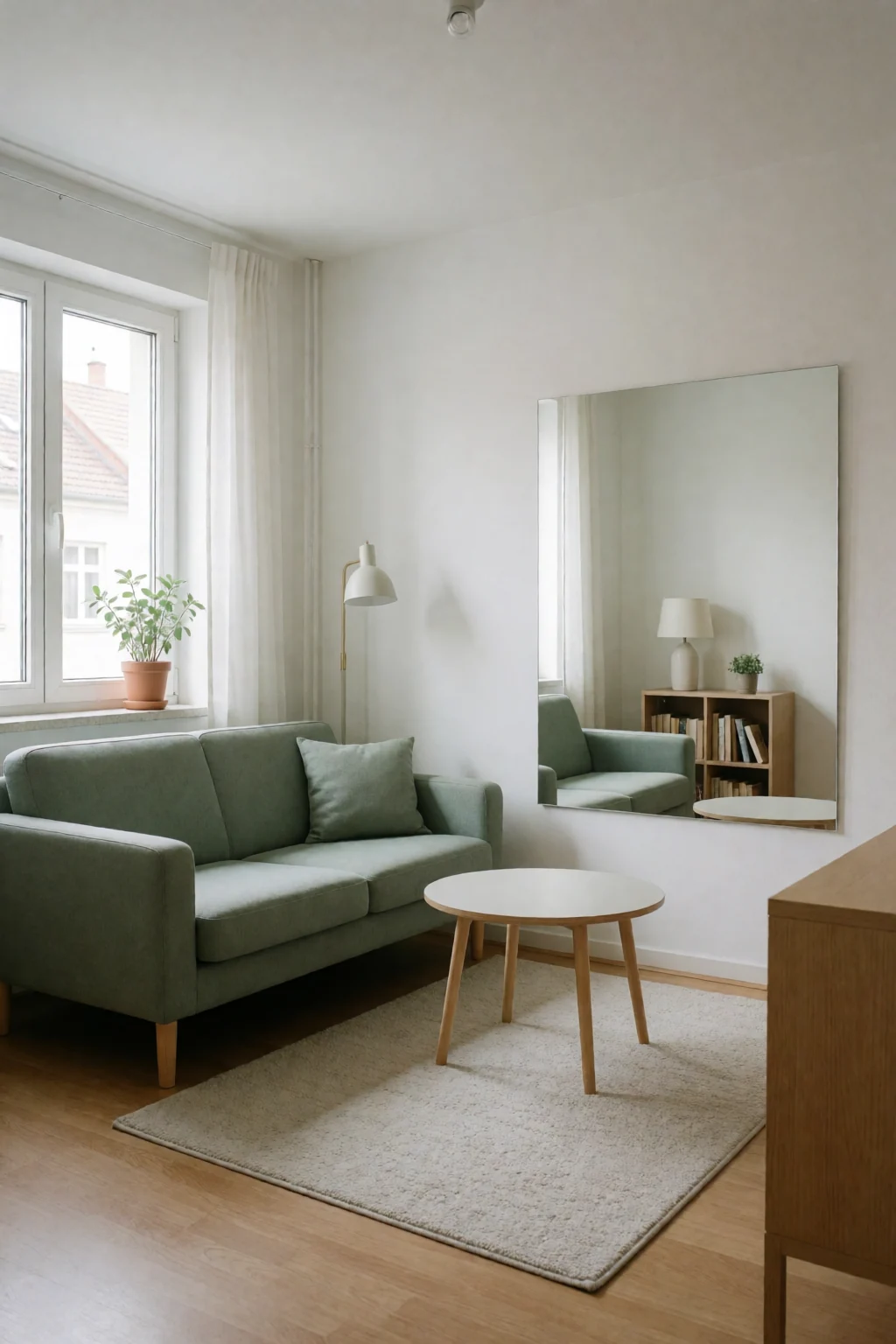
Keep exploring
Related guides
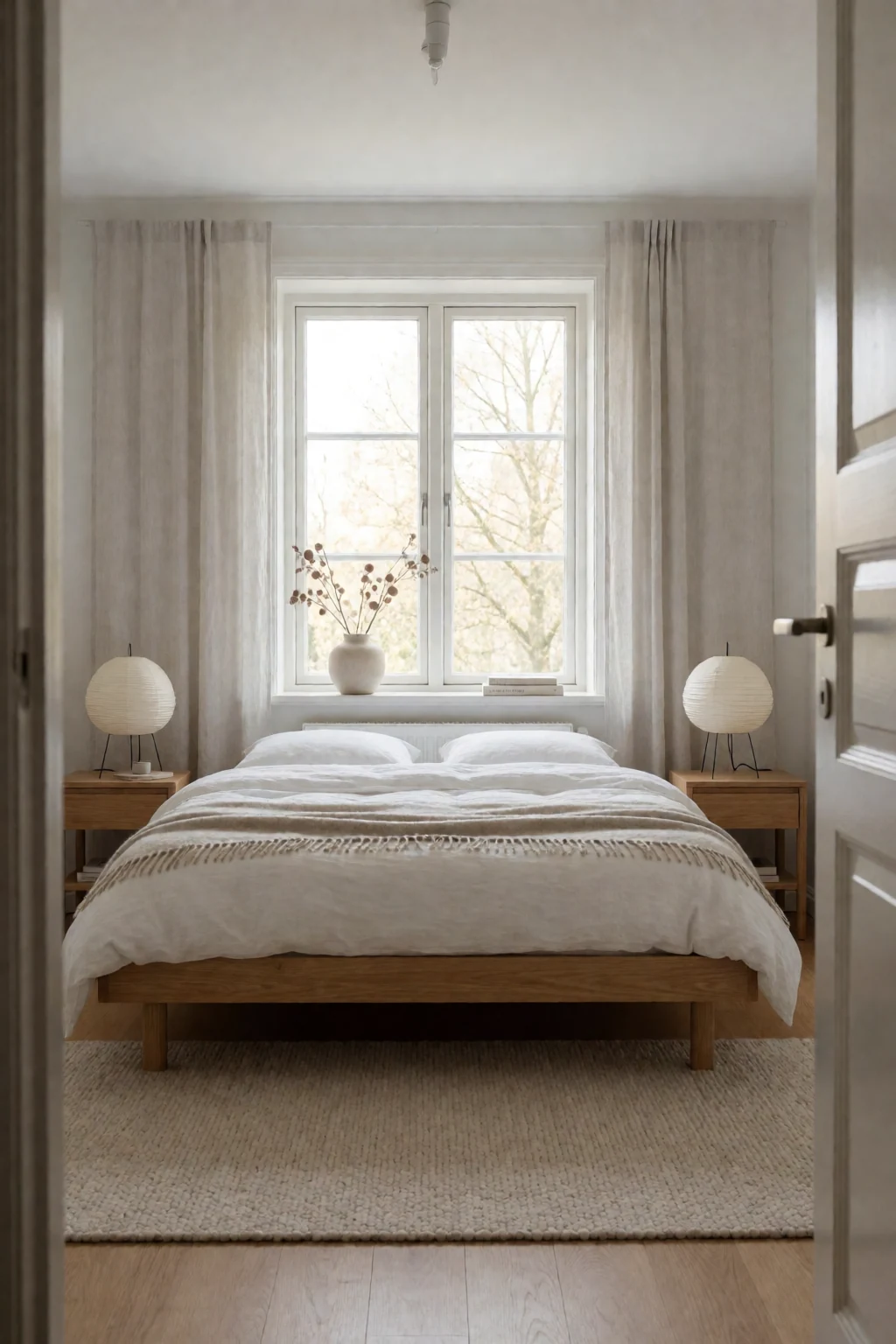 Bedroom
 shelves hold personal things and bedtime reading, and they are seen by fewer people than living room shelves.
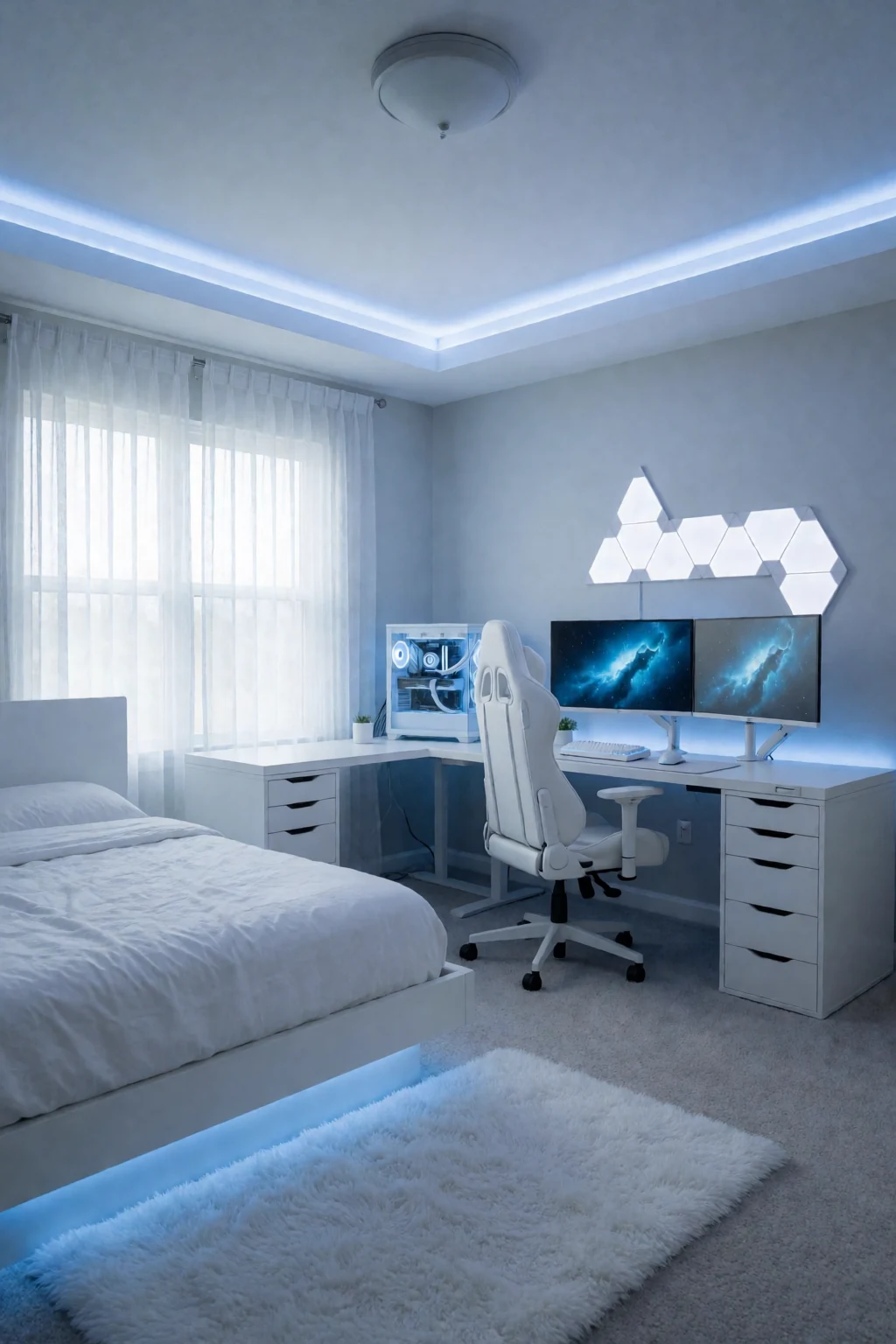 Work & gaming
Desk shelves are about reaching equipment and hiding cables, with less room for decoration.
Questions
My shelves still look cluttered after styling. What now?
Take one thing off each shelf and look again. Most crowded shelves need fewer things, not a new arrangement. The gaps are part of the look.
Should all the books face the same way?
No. A full row of spines looks like a library wall. Mixing upright books with flat stacks, and putting objects on the stacks, looks more lived in.
How do I hide cords and chargers on open shelves?
Keep them in a lidded basket or an opaque box on one shelf. Run any cord that has to show along the back edge with a small clip.
Can the shelves in one unit be different heights?
Yes. If the shelves adjust, set taller gaps for books and big objects and shorter ones for small groups and baskets.