Room ideas / Bathroom
How to organise a medicine cabinet so you can find things fast
A medicine cabinet works when you can find pain relief, plasters or your daily vitamins in seconds, without moving bottles around or squinting at faded dates.
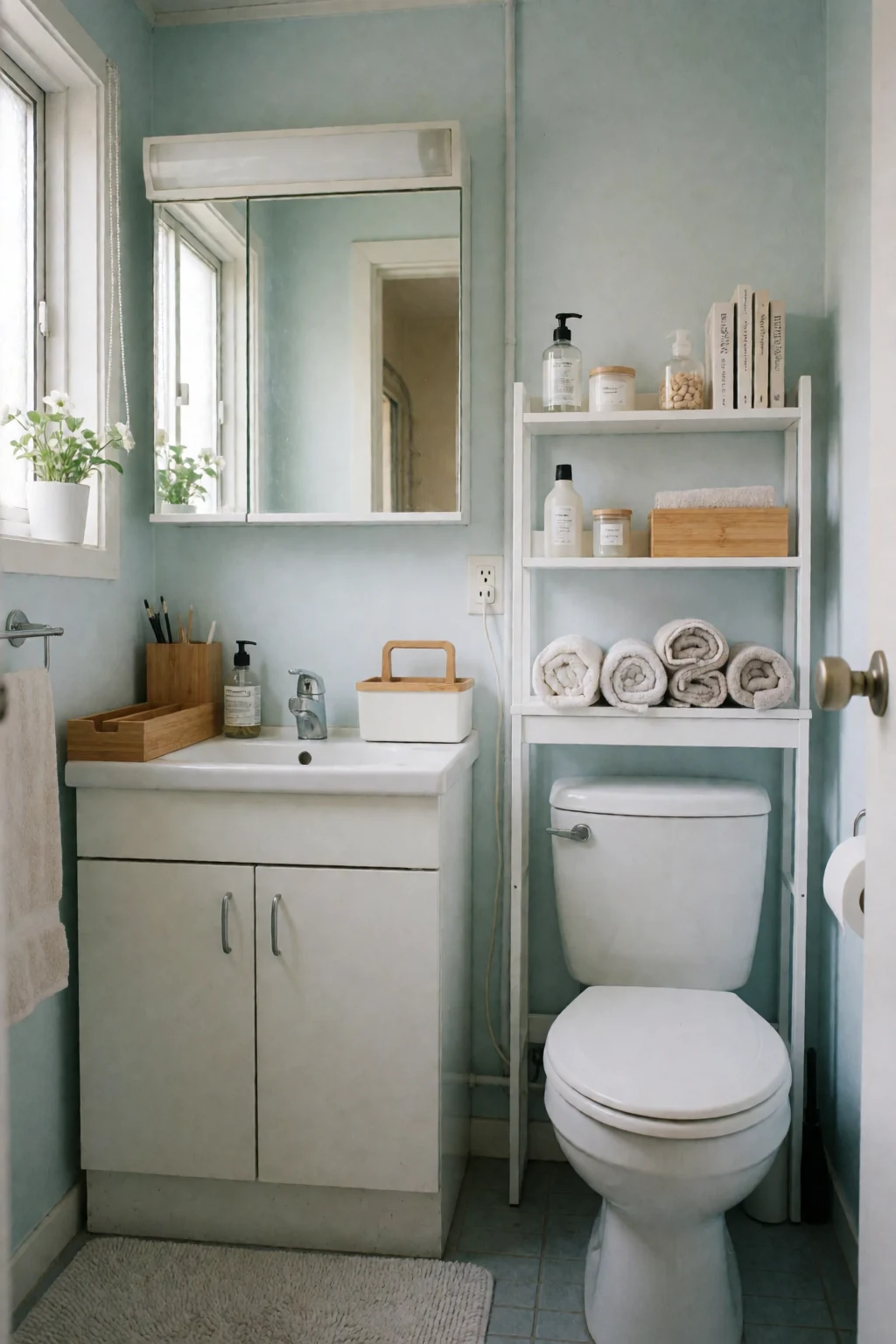
Three rules for a medicine cabinet
- Sort by how often you use things: daily medicines at eye level, first aid on a lower shelf, occasional remedies at the top.
- Use shallow inserts or clear acrylic trays to stop small items sliding and to bring the back row into view.
- Label every bin or shelf edge so anyone in the house can find what they need.
Visible and safe
Organising a medicine cabinet is about being able to see things and reach them safely. Group by category (daily, first aid, occasional) so you are not digging behind tall bottles for a small tube. Give each group its own shelf, and check expiry dates every time you restock.
An orderly cabinet uses shallow clear trays or tiered inserts that bring small things forward, with labels facing out. Keep medicines in their original packaging so the dose and expiry date stay with them; tidy them into labelled bins instead of decanting them. A clean mirror and good light help you read the small print.
The cabinet is for health, first aid and a few personal care basics that need to stay dry, not beauty samples. Unlike under-sink storage, everything stands upright at eye level by the mirror.
Five shelf setups
- Daily shelf with a riser
- Daily vitamins and prescriptions on the middle shelf, on a clear riser so short bottles behind tall ones stay visible. Label the shelf edge so things go back to the same spot.
- First aid tray
- The bottom shelf for plasters, antiseptic wipes and tweezers in a low tray with compartments. Keep loose plasters in a small tin so they do not curl or catch on the door.
- Occasional remedies with a date tag
- Cough syrup, pain relief and allergy tablets in a shallow acrylic bin on the top shelf, with a small waterproof tag on the bin noting when you last checked the dates.
- Creams on a turntable
- Medicated creams, ointments and eye drops on a small turntable, so you spin to find the one you need instead of knocking things over.
- Travel sizes in a pouch
- Travel-size pain relief and mini antiseptic sprays in a small mesh pouch in one corner, ready to grab for a trip. Only keep samples you will use within a month.
Depth, damp, children and dates
- Shelf depth and the door
- Many cabinets are only about four inches deep inside. Measure the depth and check the door closes before buying organisers. Slim acrylic trays, thin magnetic strips and shallow risers fit; bulky baskets stop the door shutting.
- Steam and heat
- Bathroom humidity and temperature swings can affect some medicines and test strips. If a label says to store somewhere cool and dry, a bedroom or hall cupboard may suit it better. Ask your pharmacist if you are unsure. Keep caps tight, and use waterproof label tape so labels do not peel.
- Children
- With children living in or visiting the house, keep prescription painkillers, sleeping pills and anything with a child warning on the highest shelf or in a lockable box. Nothing like that should sit in a low drawer or open shelf.
- A twice-yearly check
- Set a reminder every six months to take everything out and check the dates. Take expired or unused medicines back to a pharmacy for safe disposal instead of keeping them just in case.
Empty, sort, reload
Empty the cabinet onto the counter and make four piles: daily, first aid, occasional and out of date or unused. Set the out-of-date pile aside for the pharmacy. Wipe the shelves with a damp microfiber cloth to clear sticky cough syrup and powder, let them dry, and measure the height between shelves so your inserts fit.
Put in the organisers and reload. Daily vitamins and regular items go on the middle shelf at eye level, on a riser if needed. First aid goes on the lower shelf in trays so plasters, antiseptic and tweezers are quick to grab. Occasional remedies go on top. Label the shelf edges or bin fronts, and plan twenty minutes every six months to go through it again.
Shop the pieces
16 bathroom pieces
Links open similar items, not the pictured ones.
-
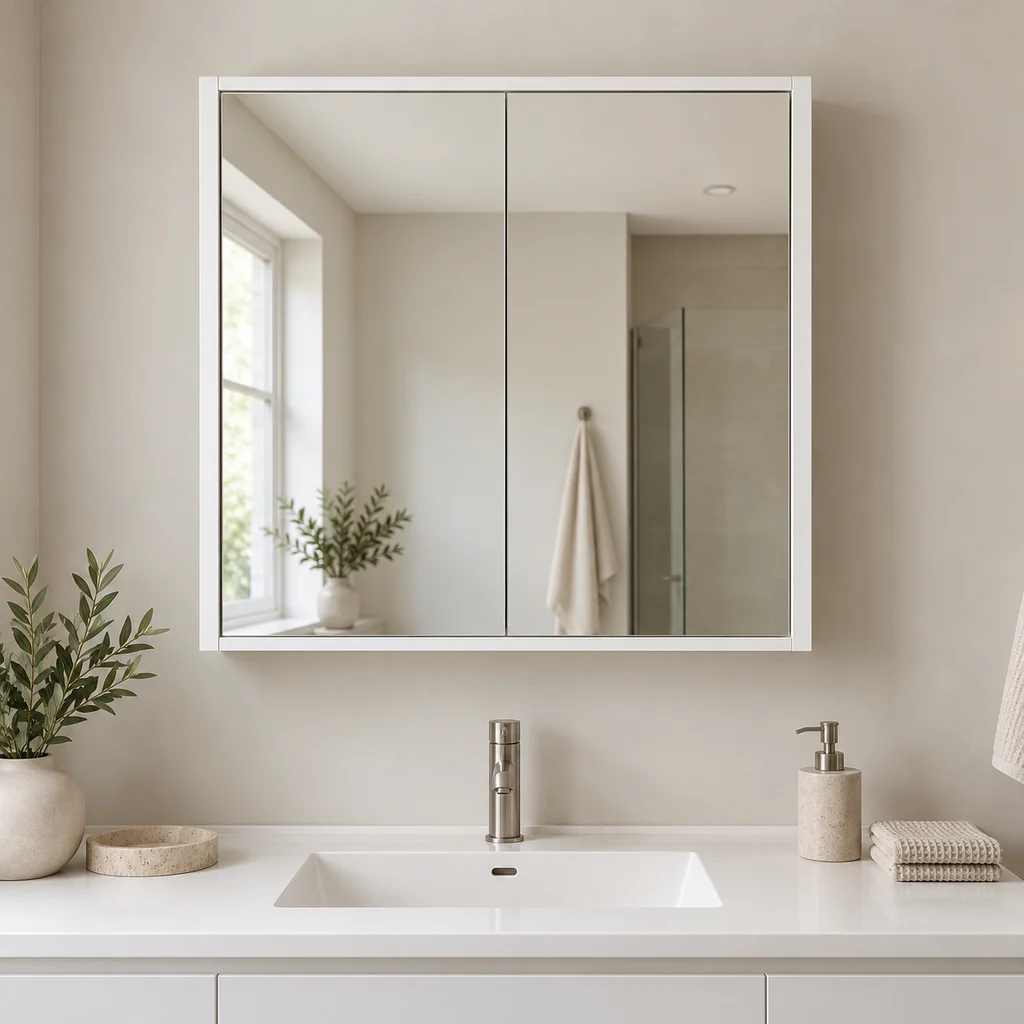
Mirror cabinet
What to check
Check the depth of the cabinet against the space behind the tap, and how it mounts to your wall.
-
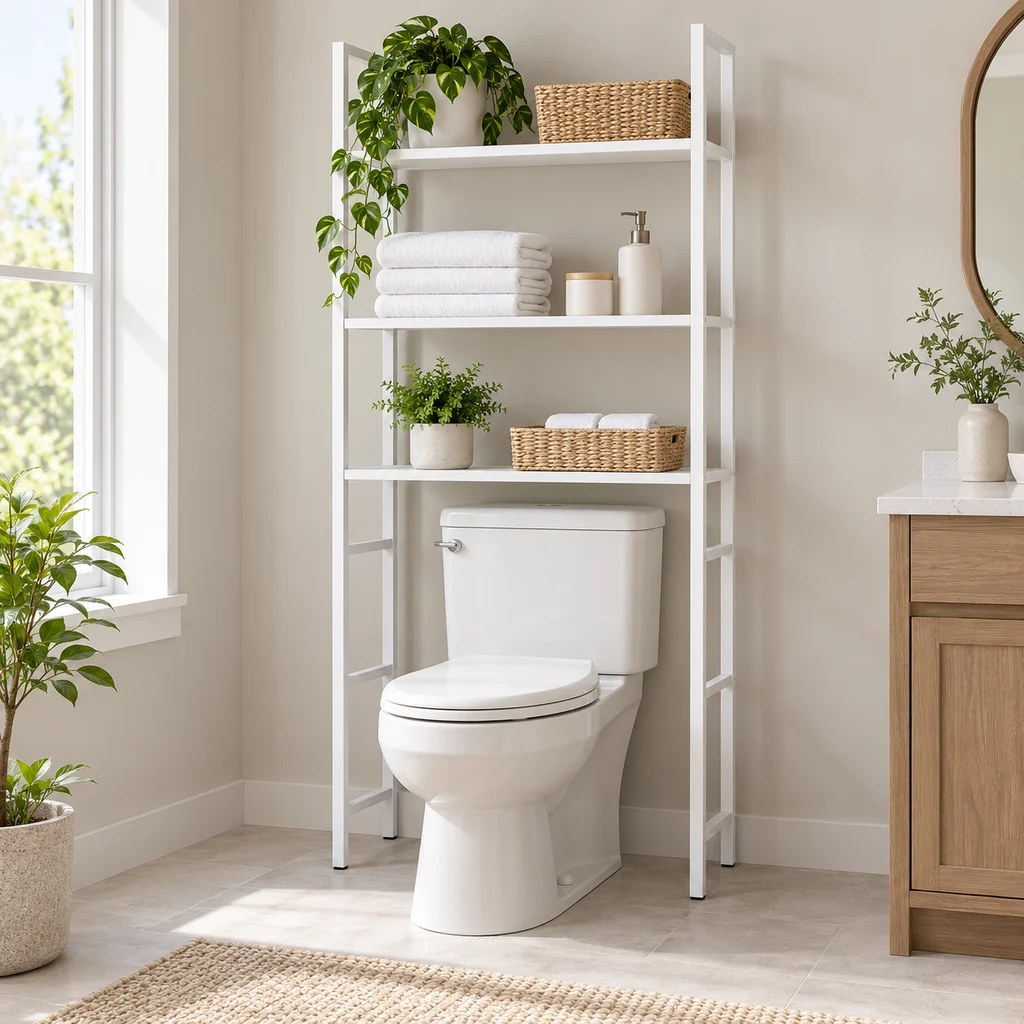
Over-toilet shelf
What to check
Measure the width of your toilet and the height to the cistern top. The frame must clear both.
-
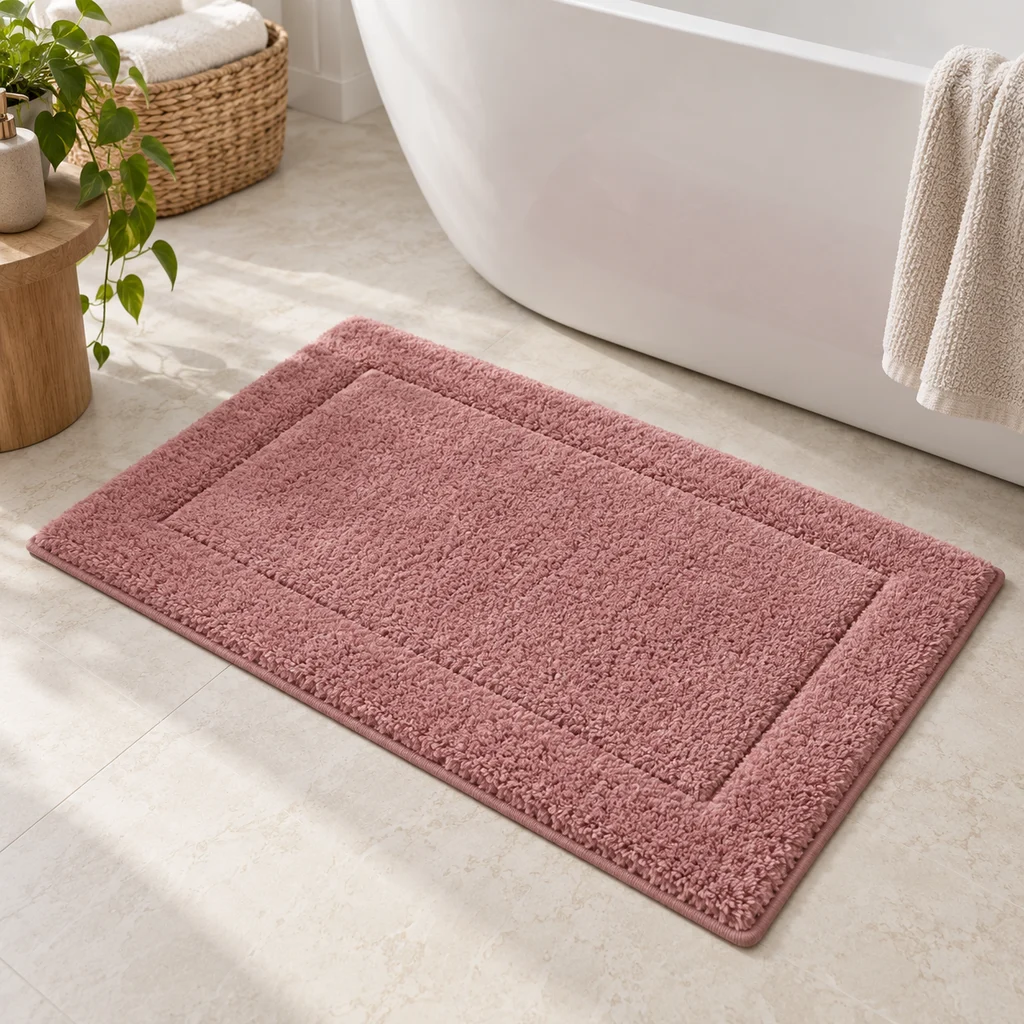
Bath mat
What to check
Check the backing is non-slip on your floor, and that the mat can be machine washed and dried.
-
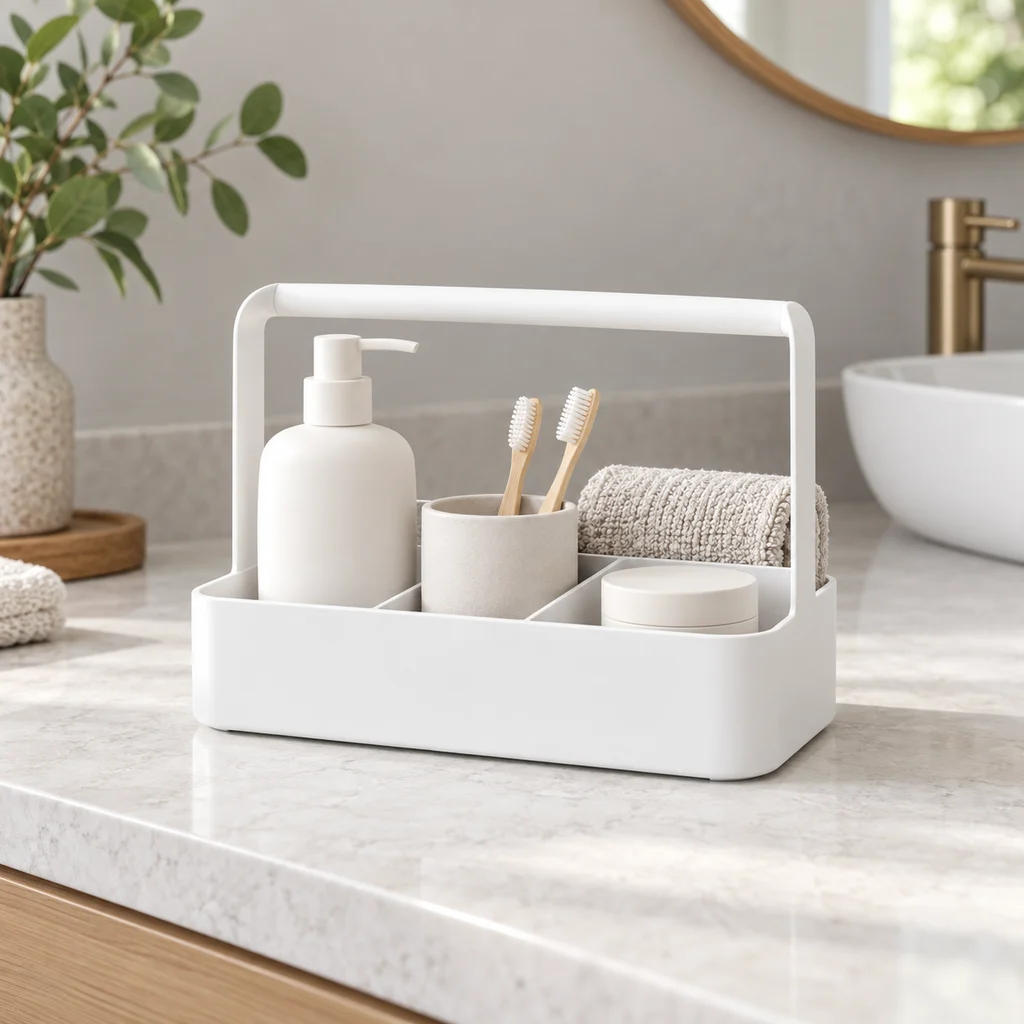
Bathroom caddy
What to check
A carry caddy works best when it holds one routine. Check the handle is comfortable and the base drains.
-
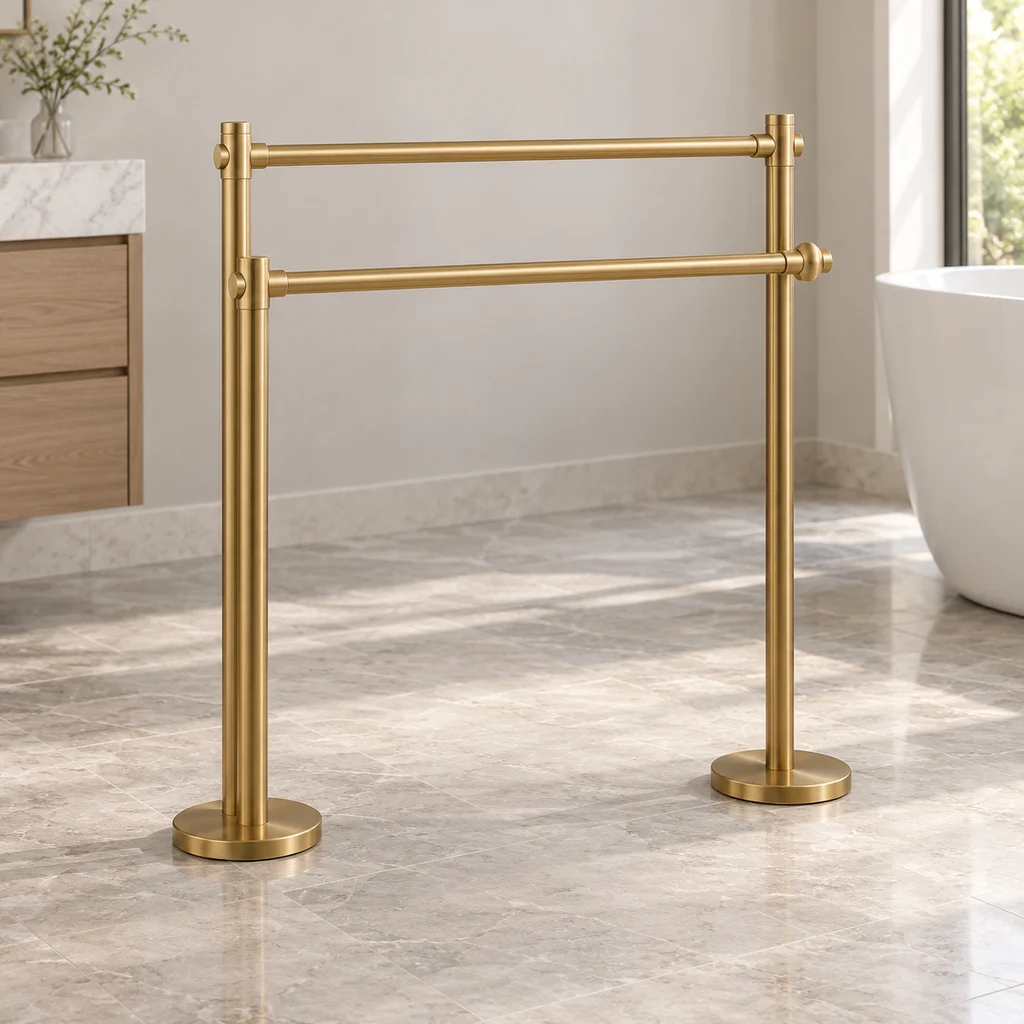
Towel rack
What to check
Check the bar length against the towels you use. Wall racks need the right fixings for tile or plasterboard.
-
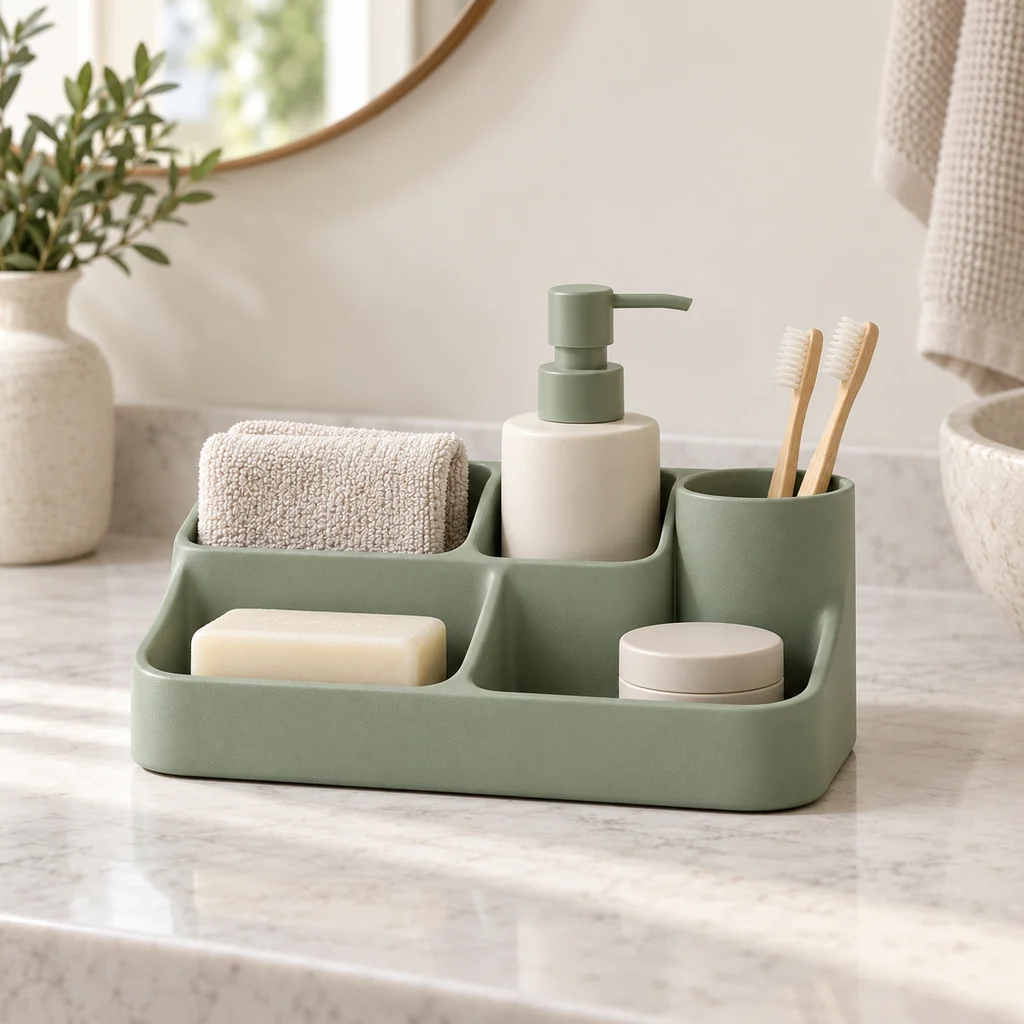
Vanity organizer
What to check
Measure the counter space beside the sink. A divided caddy keeps daily things together but needs wiping out each week.
-
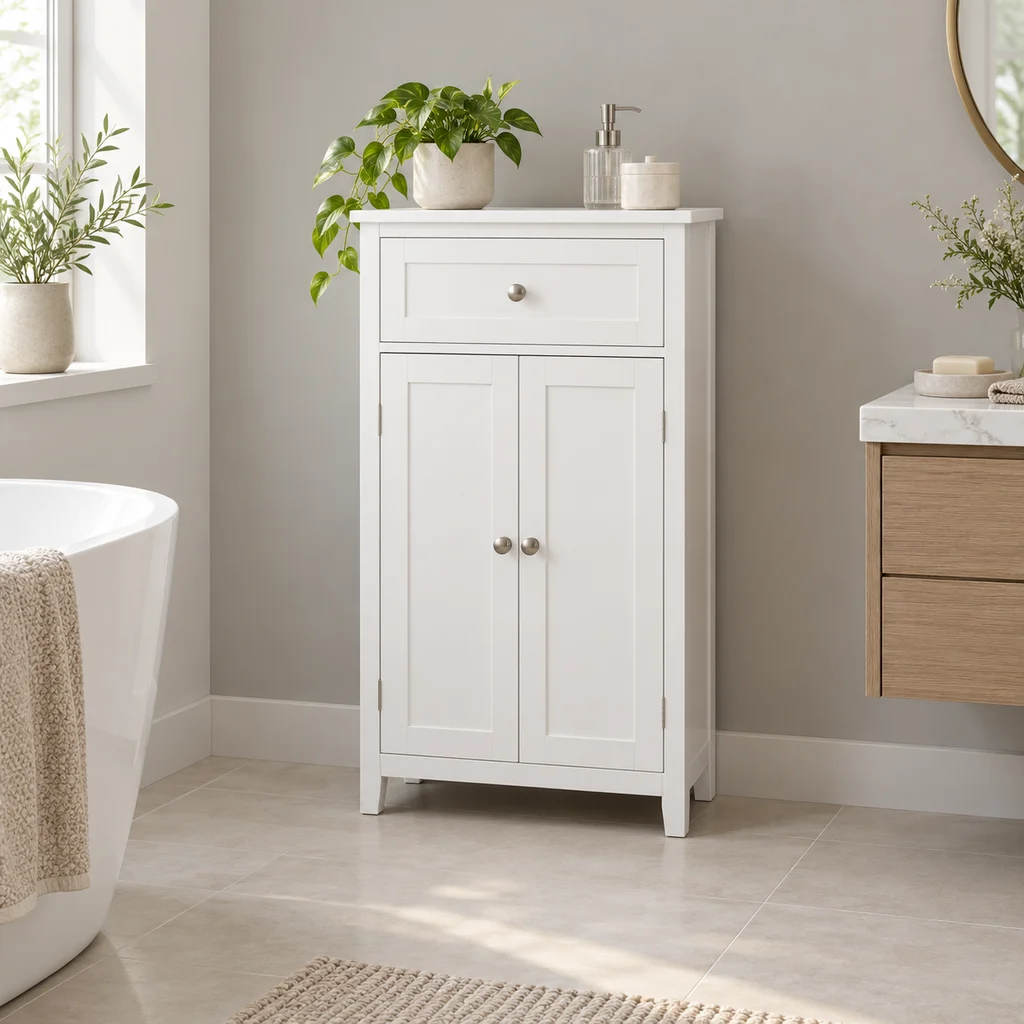
Bathroom cabinet
What to check
Measure the floor space and the door swing of the cabinet itself. Bathrooms are damp, so check the finish is moisture resistant.
-
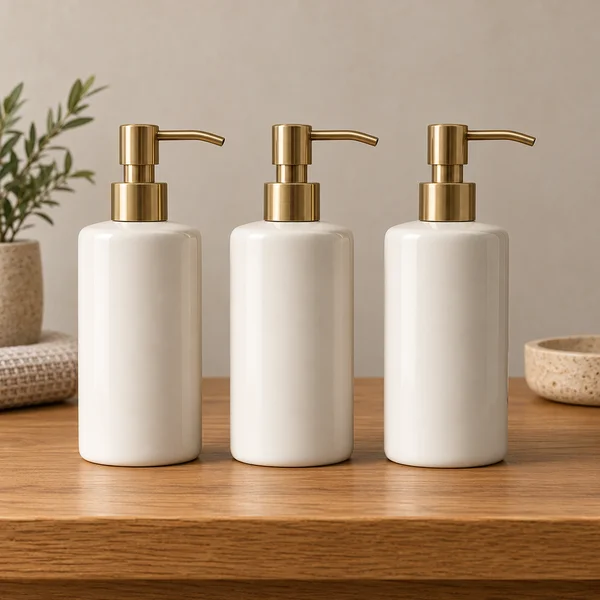
Bathroom refillable pump bottles
What to check
Check the pump suits thick shampoo and conditioner, and label the bottles so they are easy to tell apart.
Show all 16 pieces
-
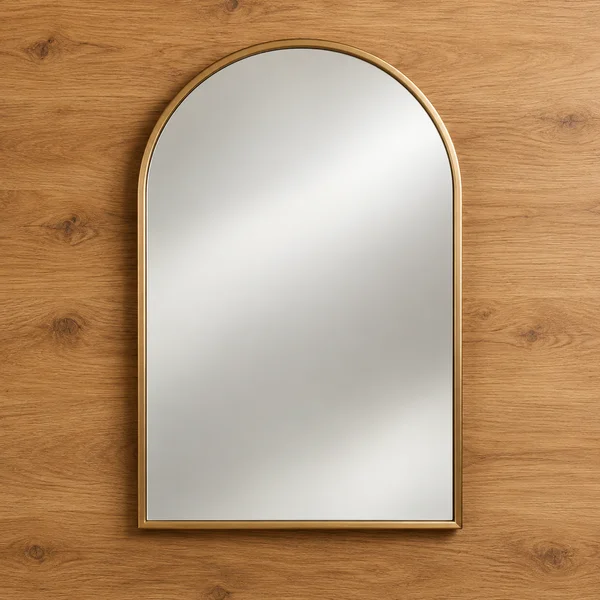
Bathroom vanity mirror
What to check
Measure the wall above the vanity, and centre the mirror on the basin rather than the wall.
-
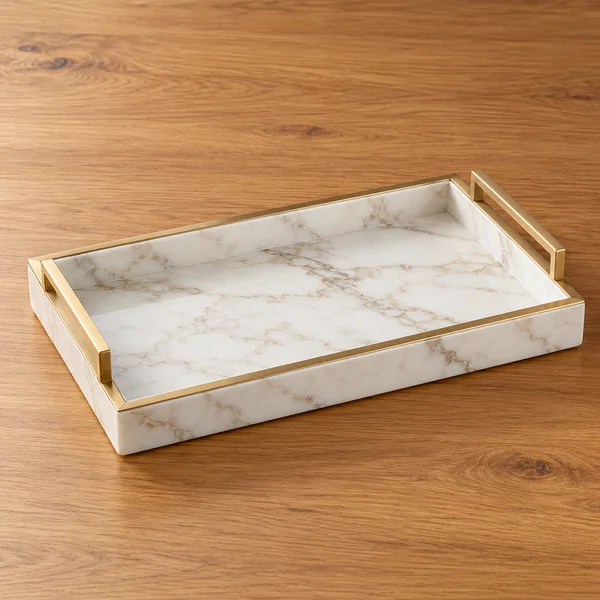
Bathroom vanity tray
What to check
Marble is heavy and cool to the touch. Wipe it dry often, as some soaps and oils can mark natural stone.
-
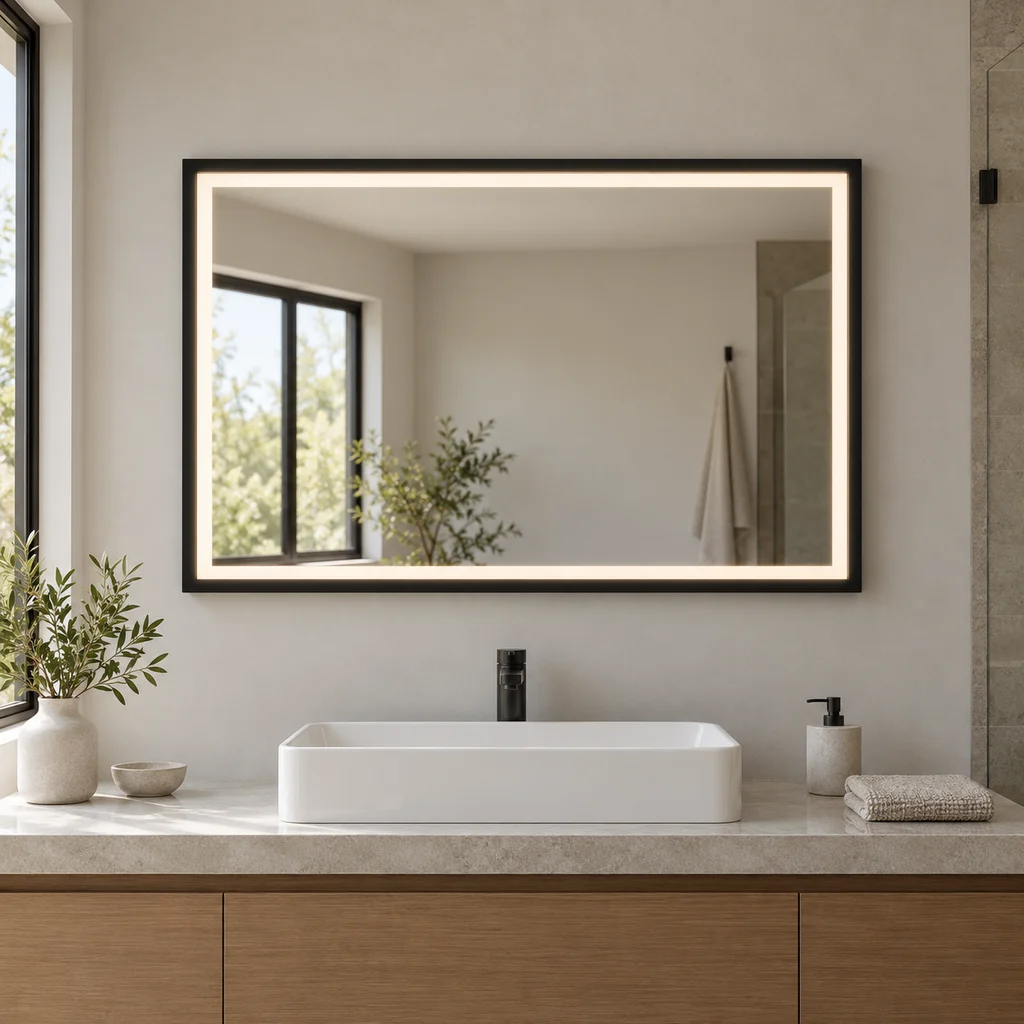
LED bathroom mirror
What to check
A lit mirror needs power at the wall. Check whether it plugs in or must be hardwired by an electrician before you buy.
-
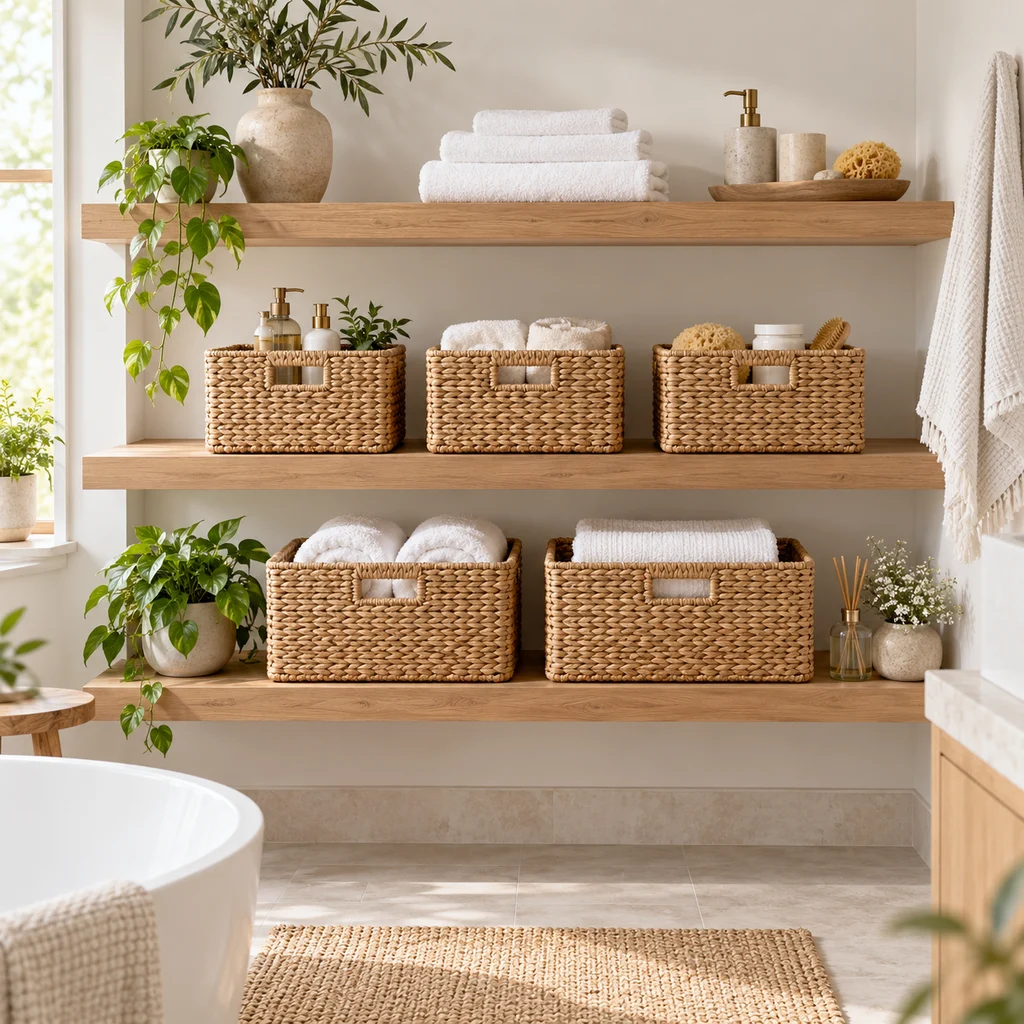
Storage baskets
What to check
Measure the shelf depth and height before buying baskets. Check whether the weave has a liner if you store fabric or small items.
-
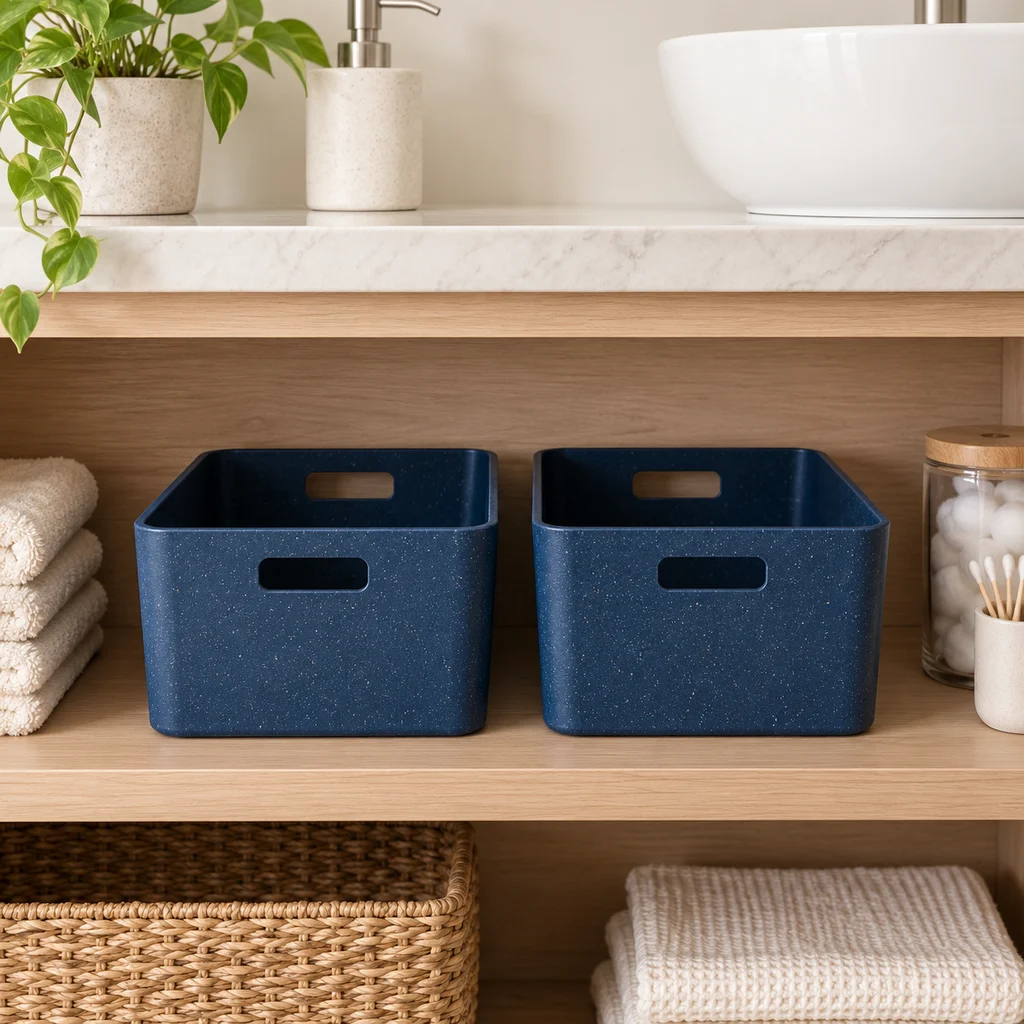
Storage bins
What to check
Measure the shelf or cabinet the bins will go in, including the height, before choosing a size.
-
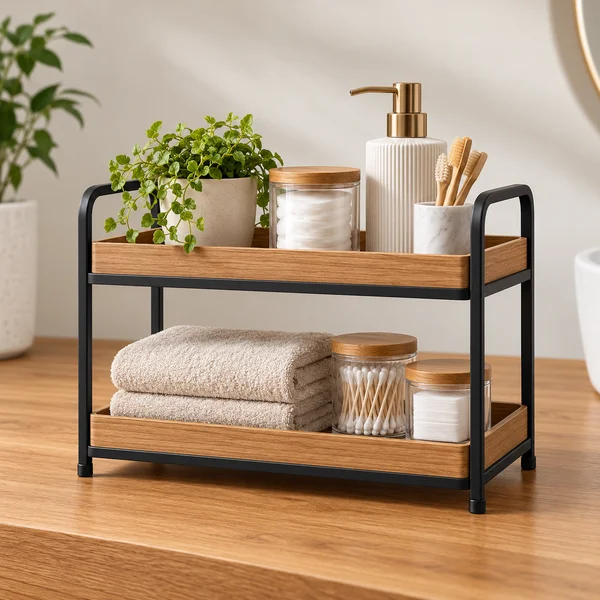
Two tier bathroom countertop shelf
What to check
Measure the counter depth and the height under any mirror or cabinet before choosing a tiered shelf.
-
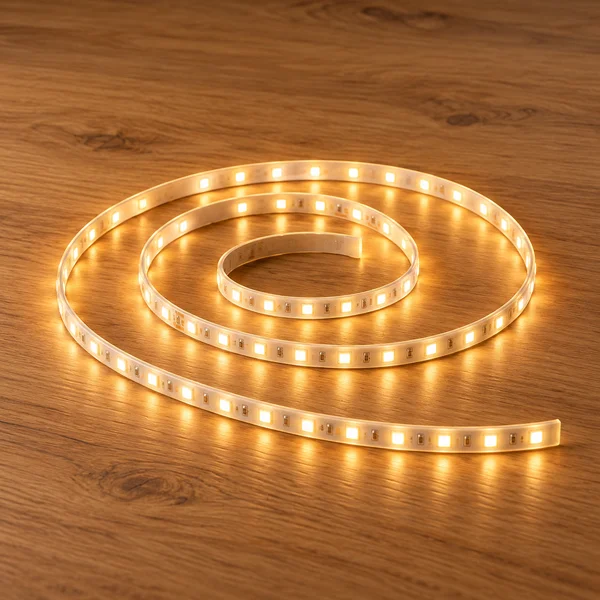
Warm white LED strip light
What to check
Measure the length you want to light and check the warm white colour temperature suits the room.
-
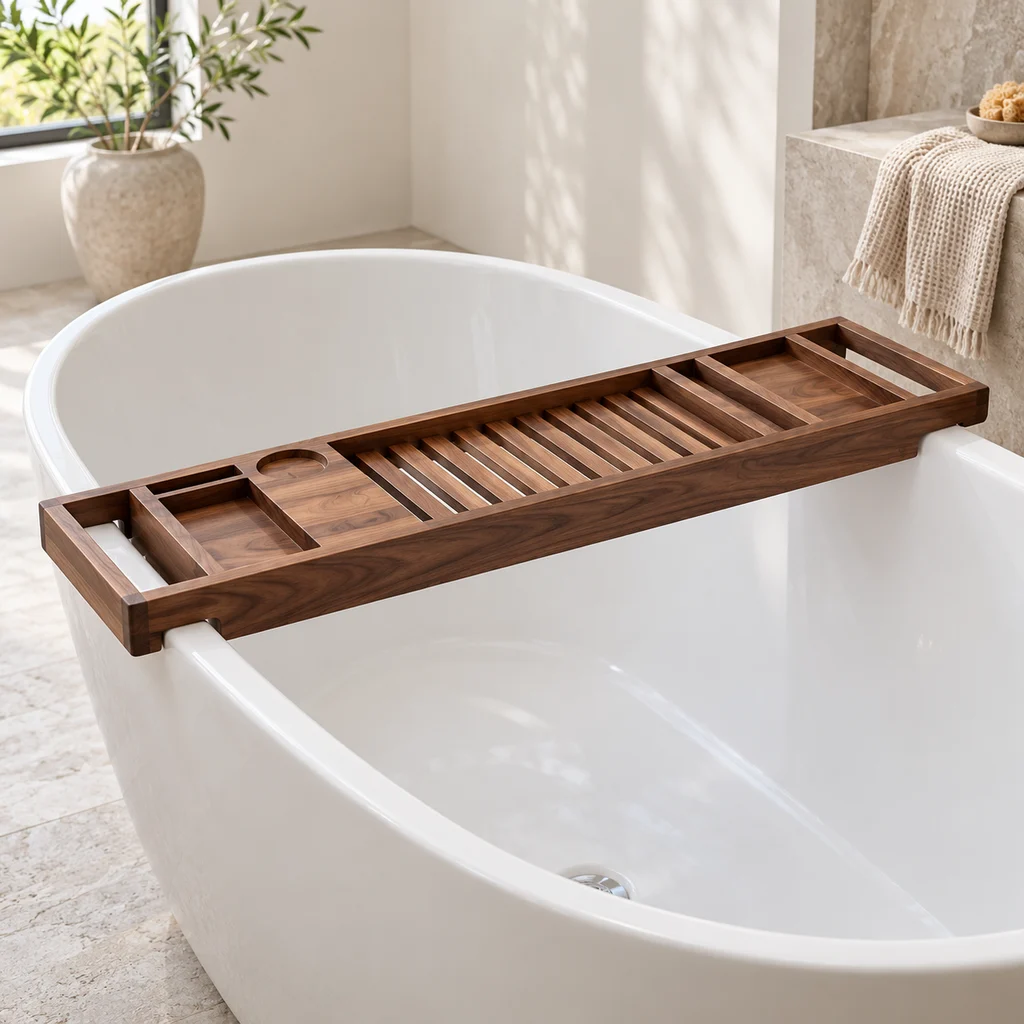
Bathtub tray
What to check
Measure the width of your bath at the rim. The tray must rest on both sides with some overlap.
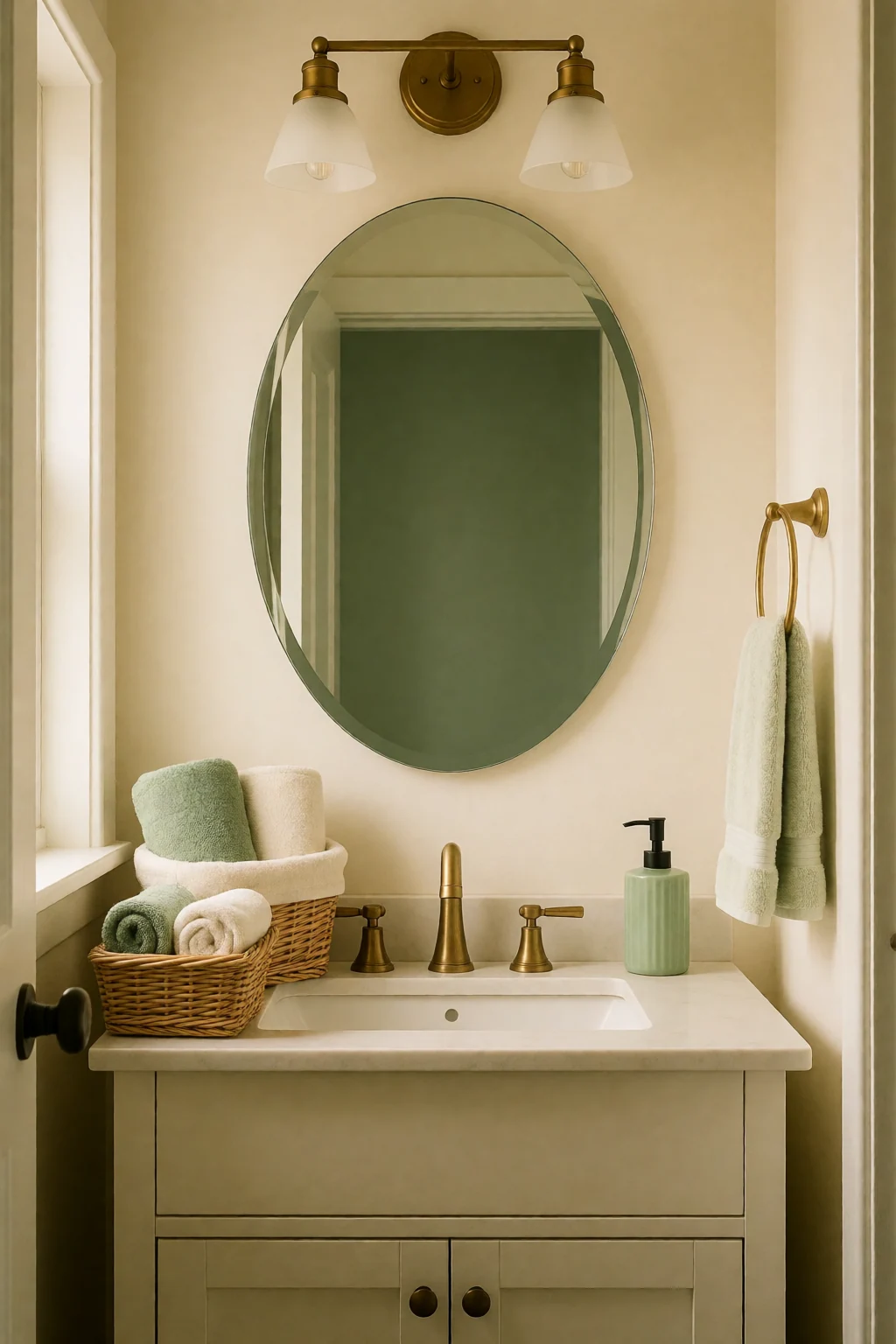
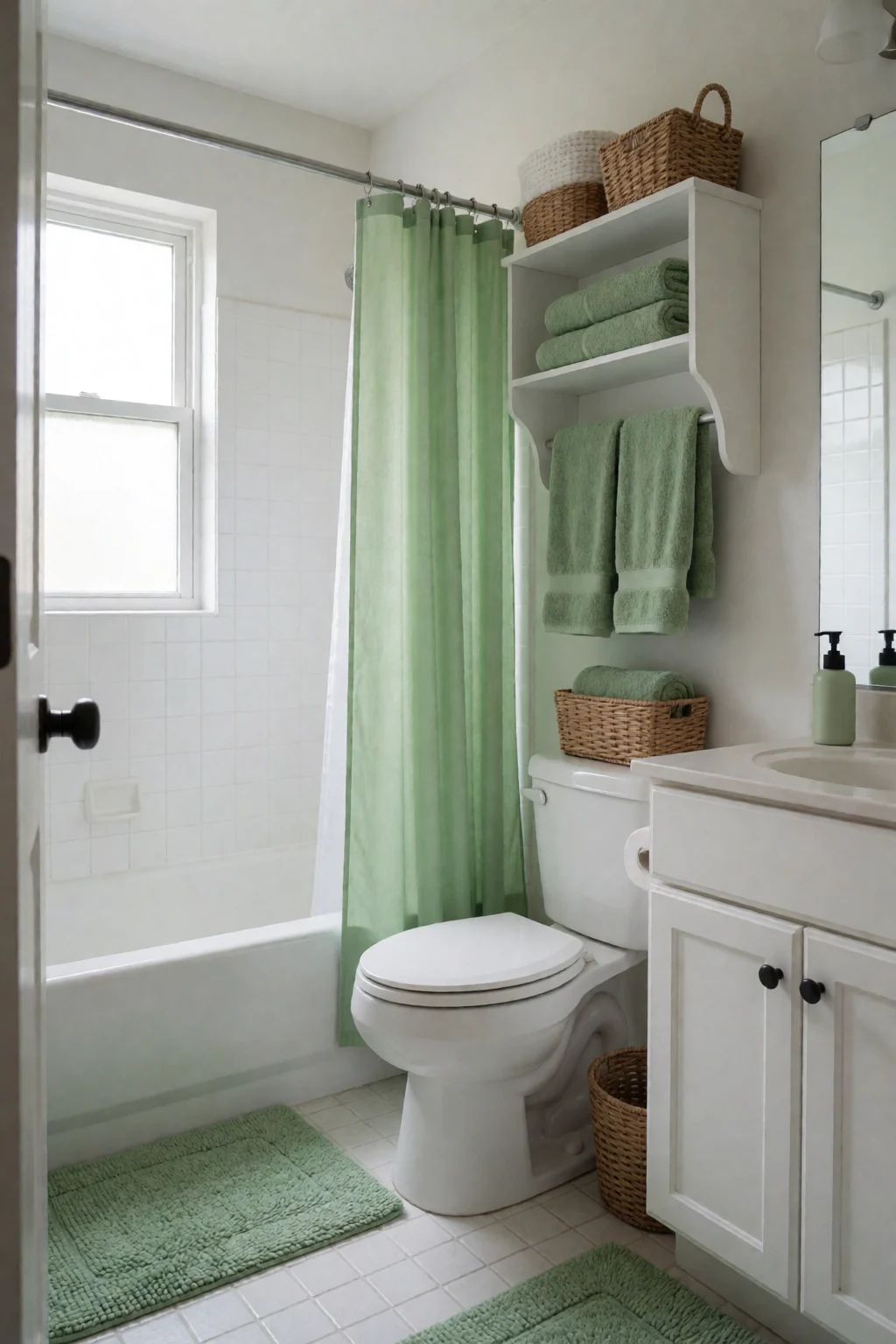
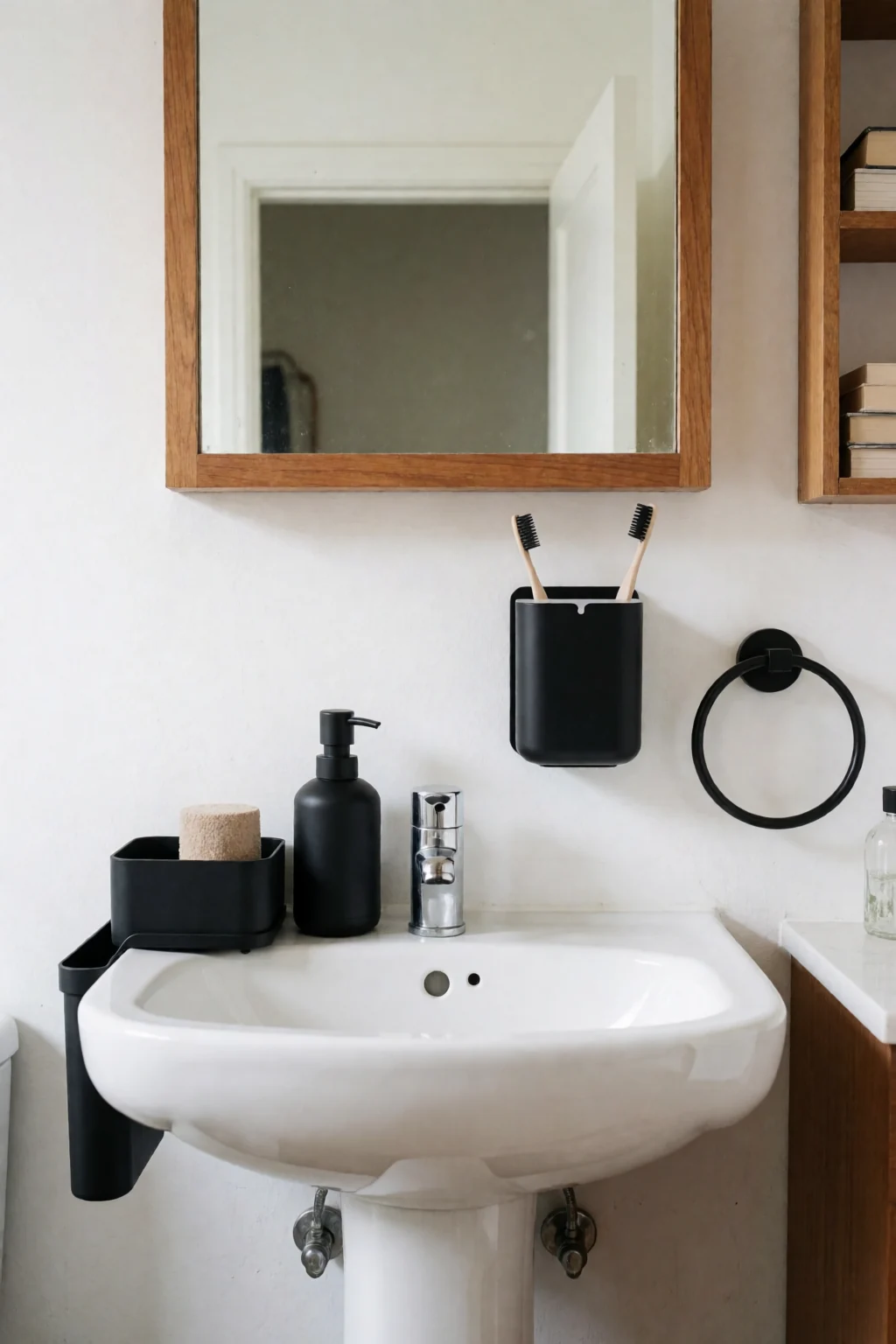
The gallery
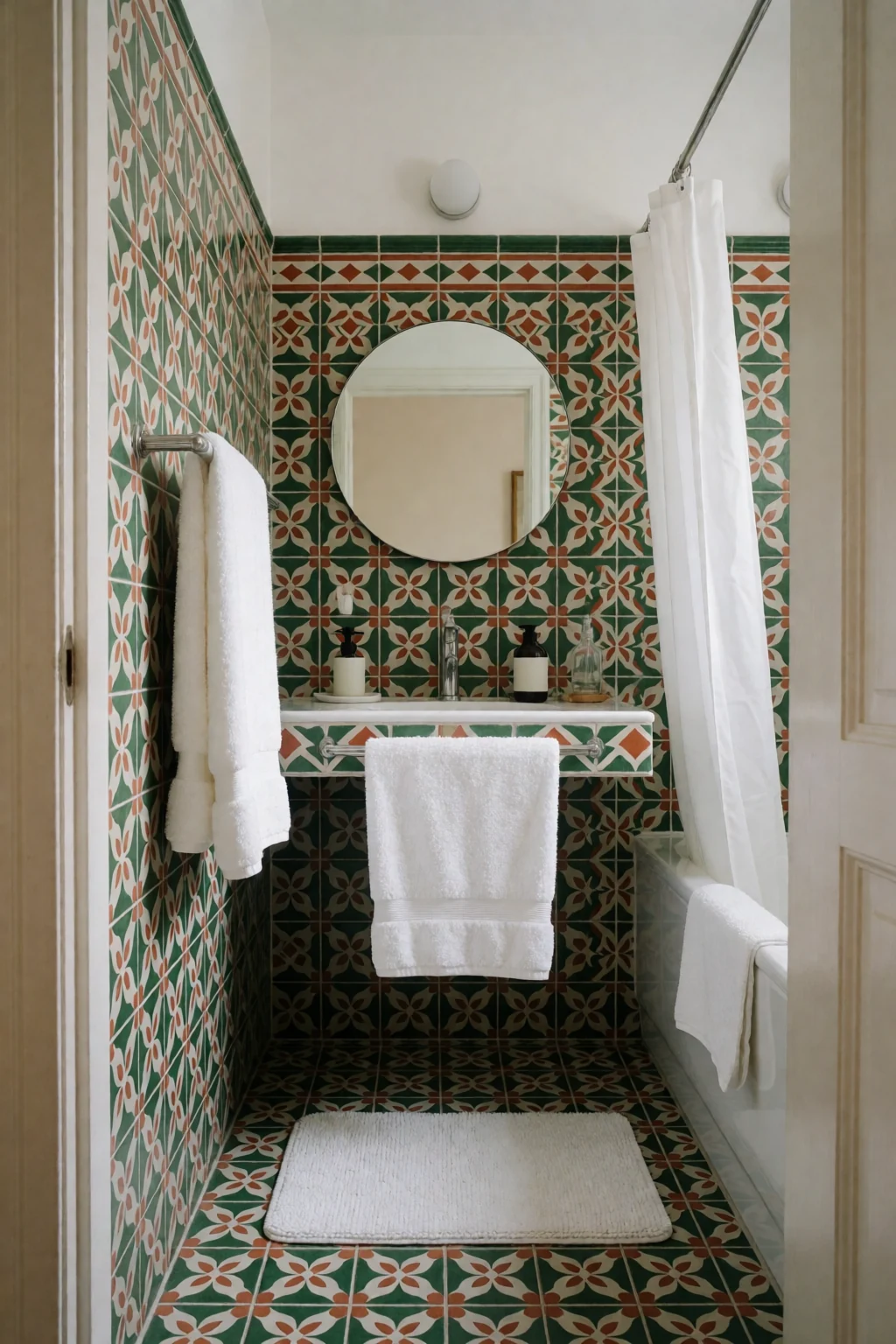
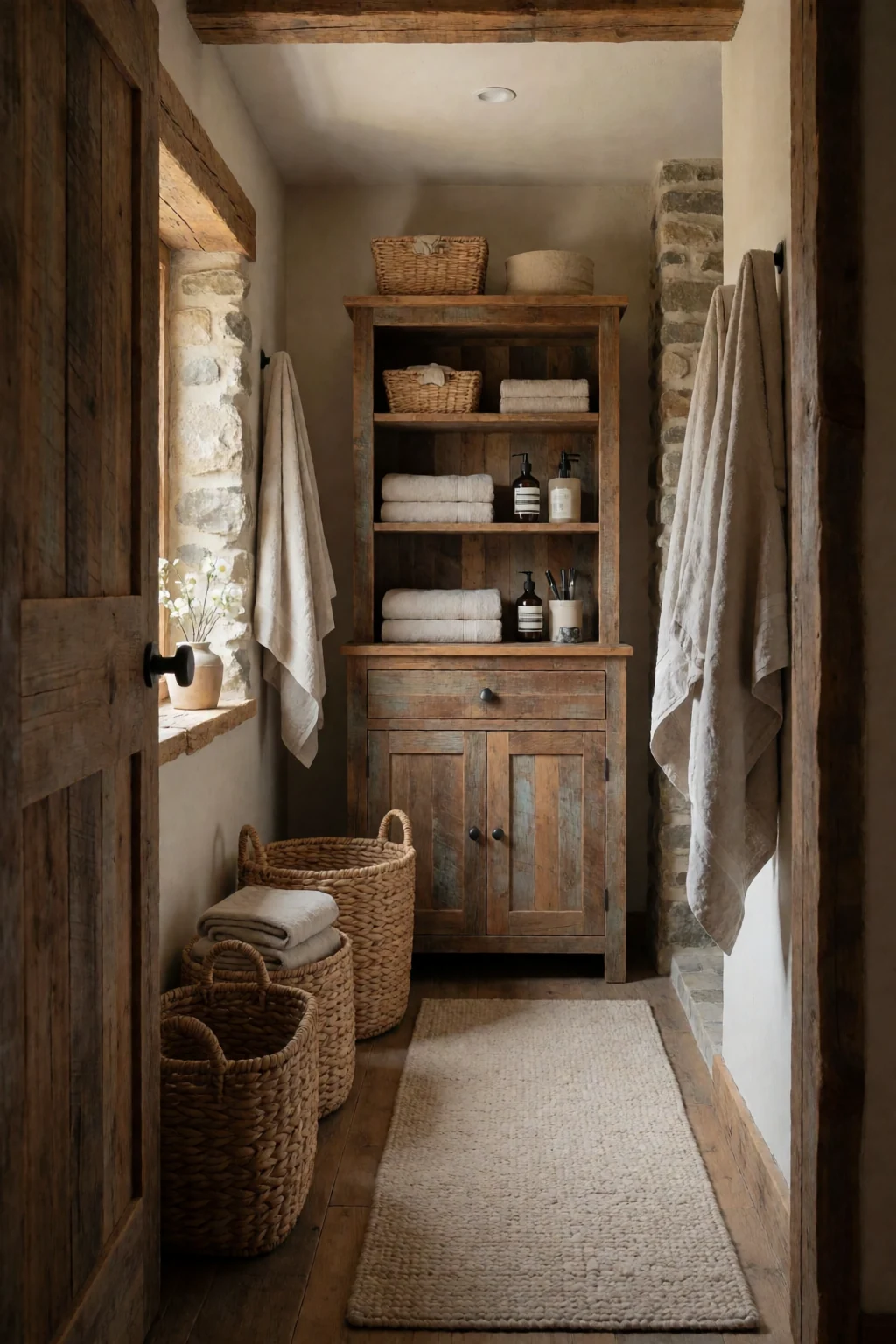
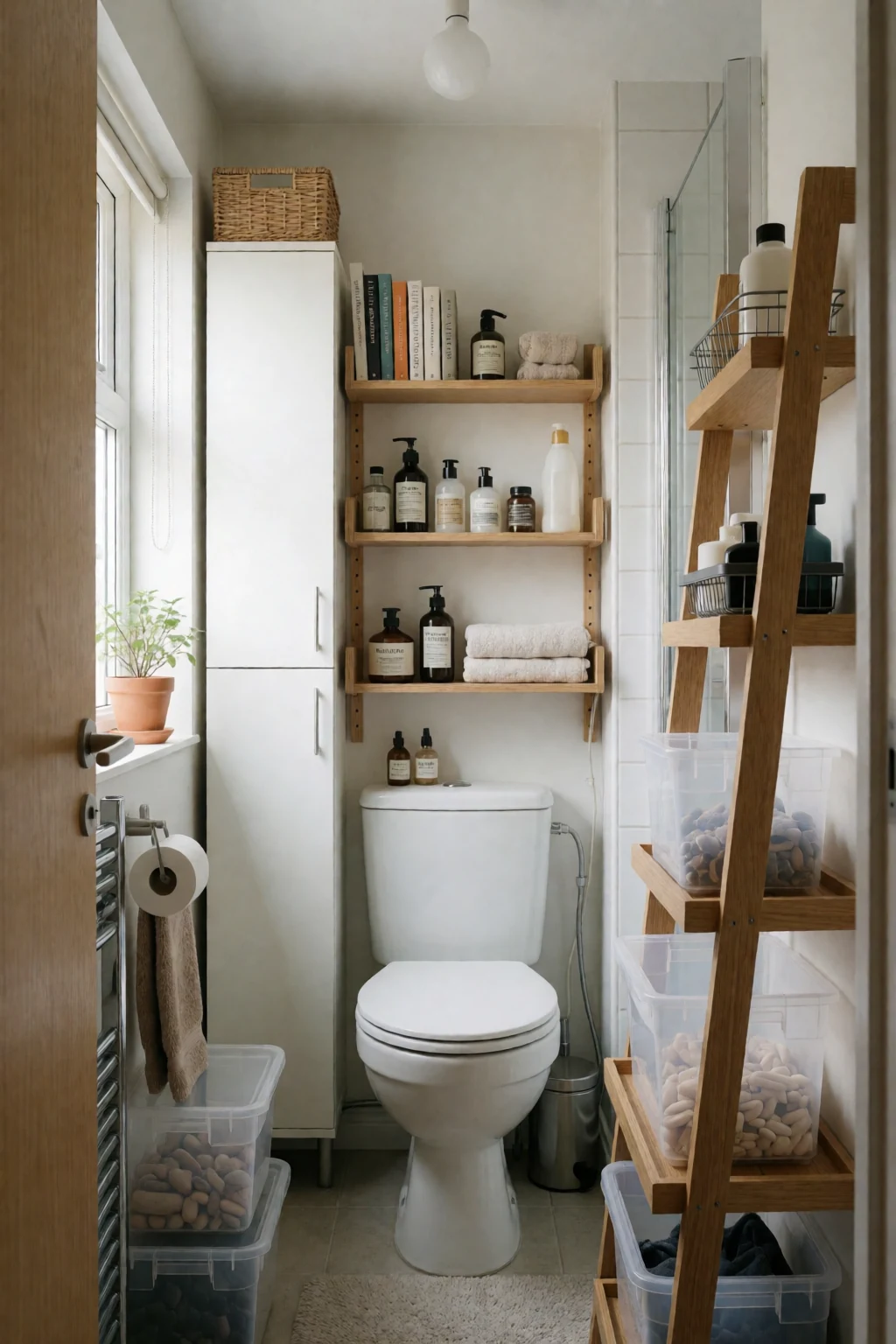
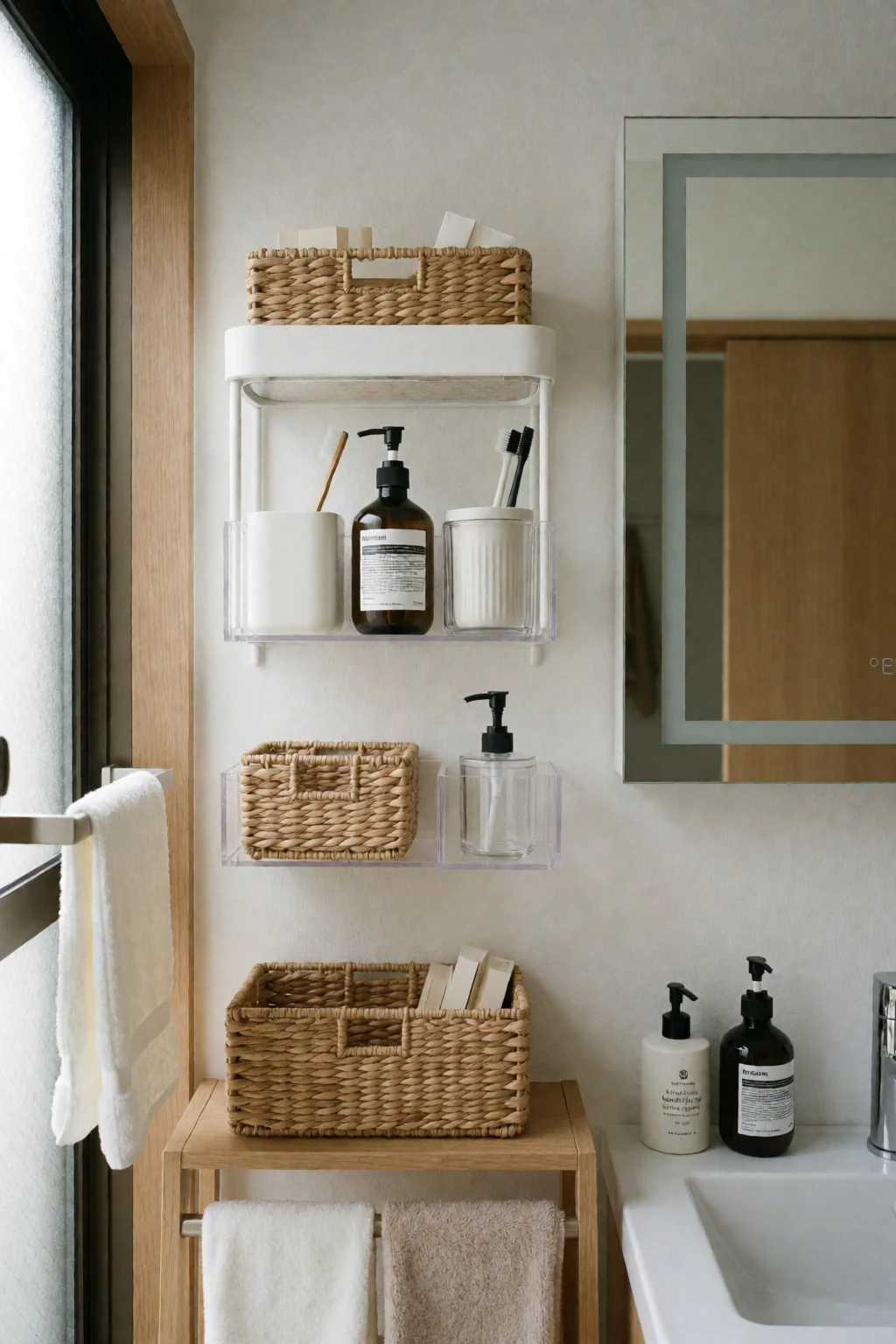
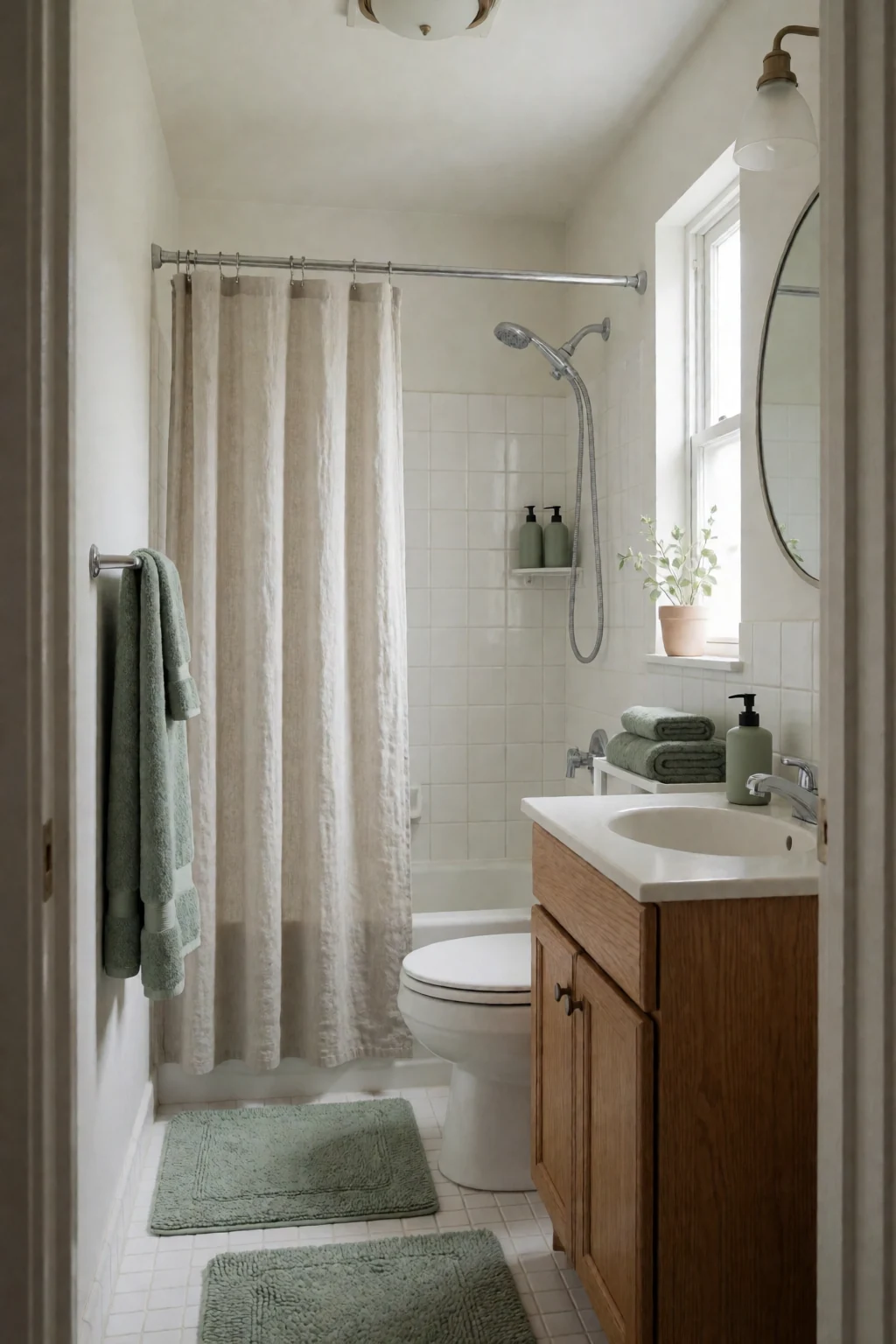
8 bathroom looks
Open a look to see its pieces.
Keep exploring
Related guides
 Bedroom
 storage is about reaching things from bed, while a medicine cabinet is about small health items and keeping track of dates.
 Work & gaming
A desk setup sorts cables and lighting; a medicine cabinet sorts small bottles in a damp room.
 Living room
 storage is shared and on show, while a medicine cabinet is private, behind one door.
Questions
How do I stop small bottles falling over?
Stand them in a shallow clear tray or a cutlery insert trimmed to the shelf. The low sides keep drops and small pill bottles upright when the door opens and closes.
How do I keep track of expiry dates?
Write the date in large numbers on the cap with a permanent marker, or keep a list on your phone and check it at the six-monthly clear-out.
How do I fit first aid into a shallow cabinet?
A magnetic strip inside the door holds tweezers, small scissors and nail clippers. Plasters, gauze and wipes lie flat in shallow trays on the bottom shelf.
My bathroom is very humid. Where should prescriptions go?
Follow the storage line on the label. Many say to keep them somewhere cool and dry, such as a bedroom or hall cupboard. Your pharmacist can tell you about a specific medicine.