Room ideas / Bedroom
Shared bedroom ideas that give each person their own space
Two people can share a bedroom happily when each has their own bed side, their own storage and their own light, and the space between them stays clear.
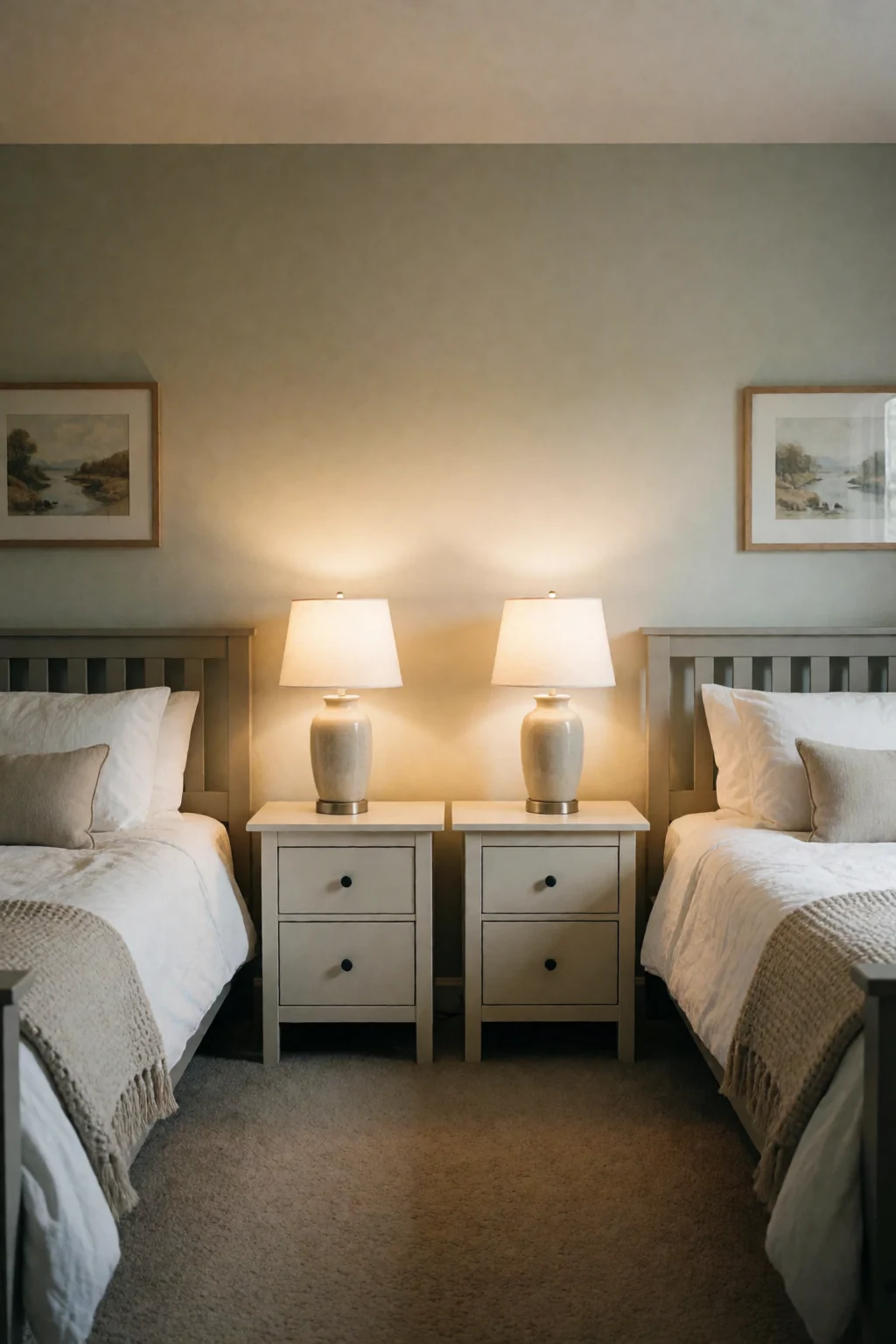
Three rules for sharing a room
- Put each bed against its own wall, or use a tall bookcase between them, so each person has a side of the room.
- Give each person their own dresser, drawers or labelled bins so belongings never mix into one pile.
- Give each bed its own reading light so one person can read or get up early without waking the other.
Two routines in one room
A shared bedroom has to fit two people's sleep, clothes and belongings into one footprint. Arrange the beds, storage and lights so each person can go to bed, get dressed and keep their things tidy without getting in the other's way. The boundaries should be obvious and the paths clear.
It feels manageable when the division is clear, even if it is not complete. Each person has a sleeping area, a bedside surface and their own drawers or bins. Matching furniture finishes and plain textiles hold the room together, while each person's bedding, lamp and a few things on the wall make their side theirs.
Every bit of floor serves two daily schedules. A bookcase, a curtain or the way the beds face can give a sense of separation without building anything.
Five shared layouts
- Twin beds and a low shelf
- Two single beds on opposite walls, a low shelf unit between them as a shared divider, and a plug-in wall light above each headboard. The middle of the room stays open.
- Bunk bed and tall lockers
- A sturdy bunk bed to free up floor, a narrow tall cupboard for each person, and a clip-on light on each bunk. Good for a narrow room.
- Beds in an L
- Two single beds meeting in one corner in an L, a compact desk on the free wall, and a large flatweave rug tying the corner together. The centre of the room stays completely clear.
- Matching dressers and a screen
- Two identical small dressers at the foot of each bed as personal surfaces, a folding rattan screen between the dressing spots, and a different throw on each bed in tones that go together.
- Daybed with a trundle
- A daybed with a pull-out trundle, a floating shelf above each sleeping level, and heavy blackout curtains. Works for siblings or a room that sometimes takes a guest.
Paths, light, noise and fair storage
- Room to walk
- Measure with both beds and the main storage in place and check every door, wardrobe and window still opens fully. Leave at least 30 inches between beds or big pieces so two people can move about at once without bumping into each other.
- Separate light
- Two people rarely keep the same hours. A bright ceiling light wakes both. A bedside lamp, touch wall light or clip-on light for each bed lets one read or dress early while the other sleeps.
- Noise and privacy
- A fabric divider, a full bookcase, heavy curtains and a rug all soften sound and break the line of sight. A little visual separation helps each person feel they have their own corner.
- Fair storage
- Arguments in shared rooms usually start with storage. Split the wardrobe, drawers and shelves equally before the furniture goes in. If one person has bulky winter coats and the other mostly folded clothes, adjust bin sizes and rail space to suit what each actually owns.
Plan on paper, then move furniture
Draw the room on paper with the windows, door swings and sockets marked, and choose between parallel beds, an L or a bunk bed. Then give each person their side, with its bedside surface and main storage. Empty the room before moving the large pieces in, and test that doors and drawers open before you settle on the layout.
Then fit the lights and storage. Put each reading light within arm's reach of the pillow, and set up a bedside table, wall shelf or bed pocket for each person's everyday things. Add drawer dividers, bins and a laundry basket each so clothes stay separate. Finish with a large rug and curtains in plain colours, and let each person choose their own bedding and a few things for their wall.
Shop the pieces
16 bedroom pieces
Links open similar items, not the pictured ones.
-
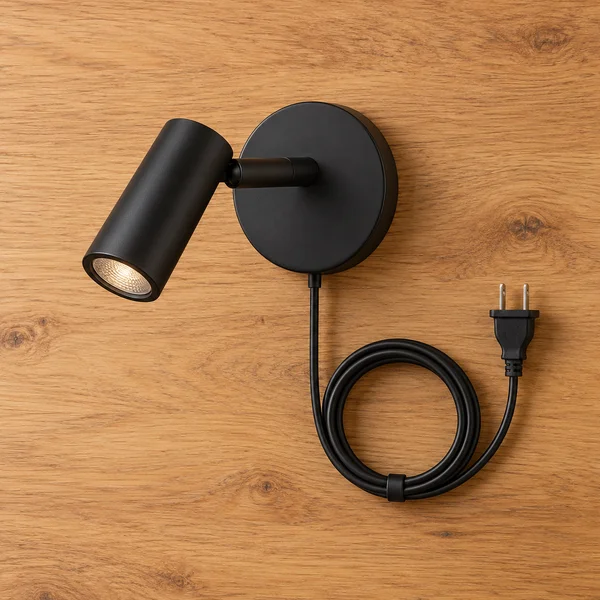
Plug in wall reading light
What to check
Mount the light high enough to clear your head when sitting up, and check the plug reaches an outlet.
-
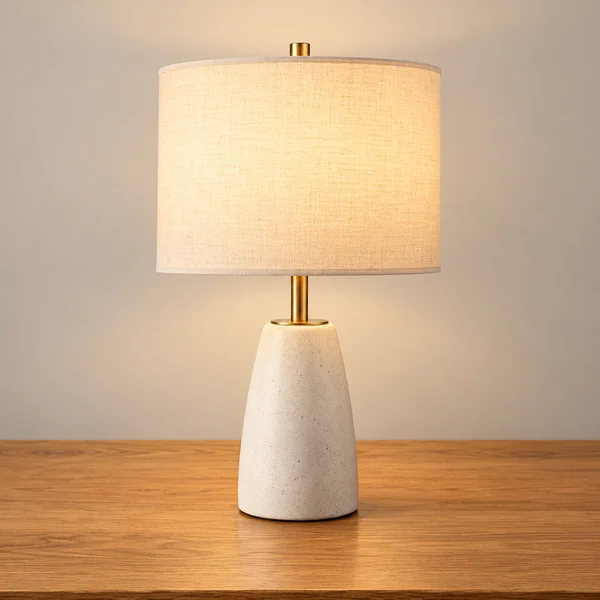
Bedside reading lamp
What to check
Check the lamp's height and dimming range. A touch base is easy to find in the dark.
-
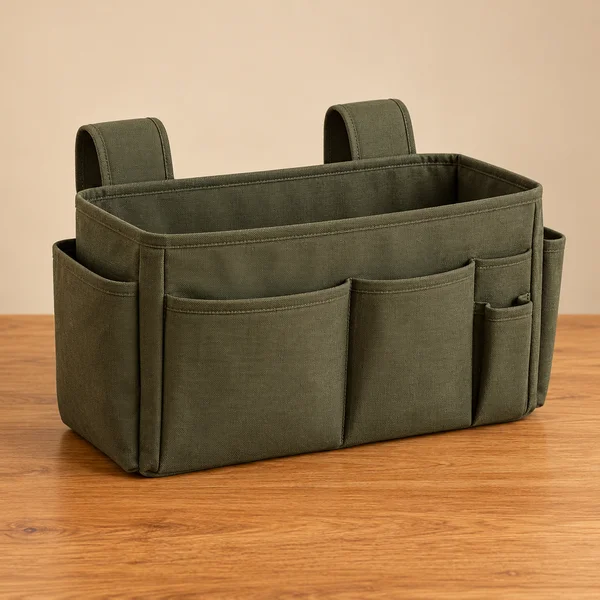
Bedside storage basket
What to check
Measure the gap between the mattress and the wall or frame. A bedside caddy needs a firm mattress edge to tuck under.
-
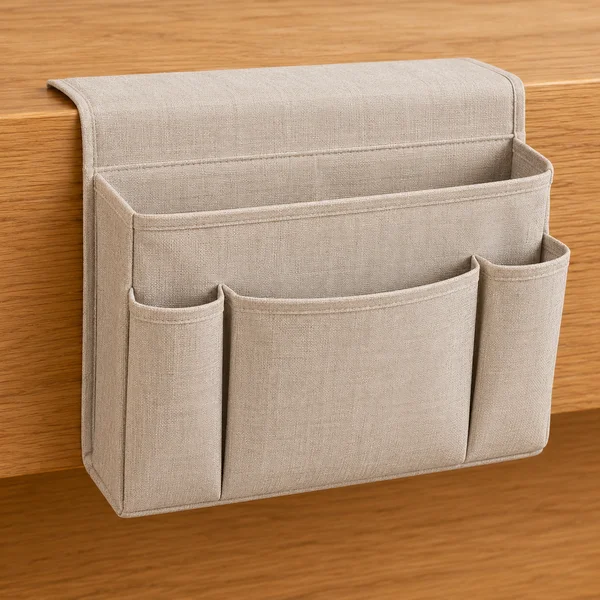
Bedside storage pocket
What to check
Check the pocket depth suits what you will put in it, from a phone to a paperback.
-
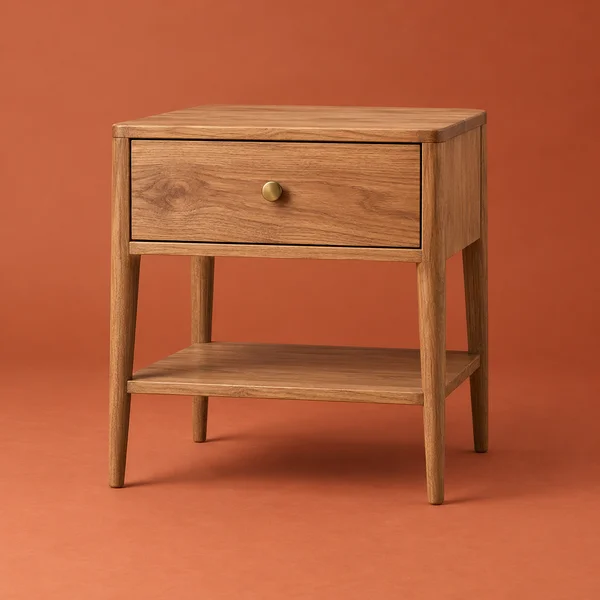
Small bedside table with drawer
What to check
Check the table height against your mattress and that the drawers open without hitting the bed frame.
-
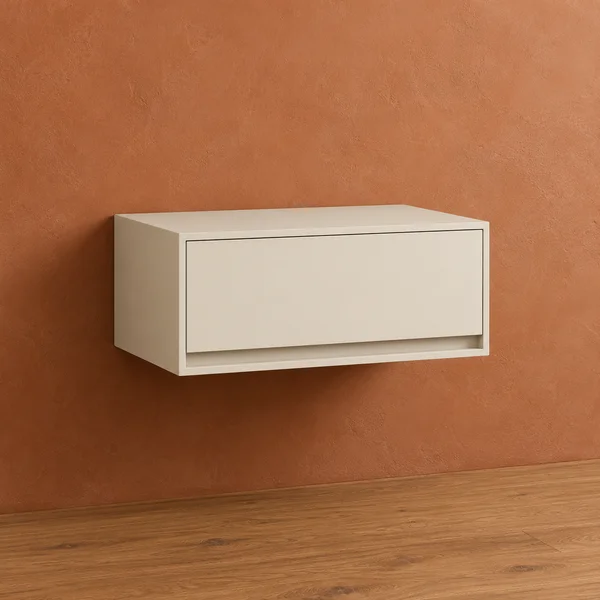
Wall mounted bedside drawer
What to check
Wall-mounted drawers need solid fixings and leave the floor clear. Mount them at a height you can reach from bed.
-
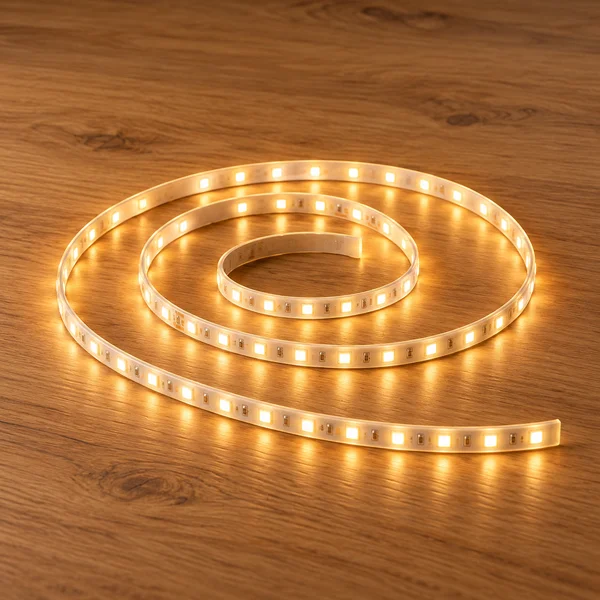
Warm white LED strip light
What to check
Measure the length you want to light and check the warm white colour temperature suits the room.
-
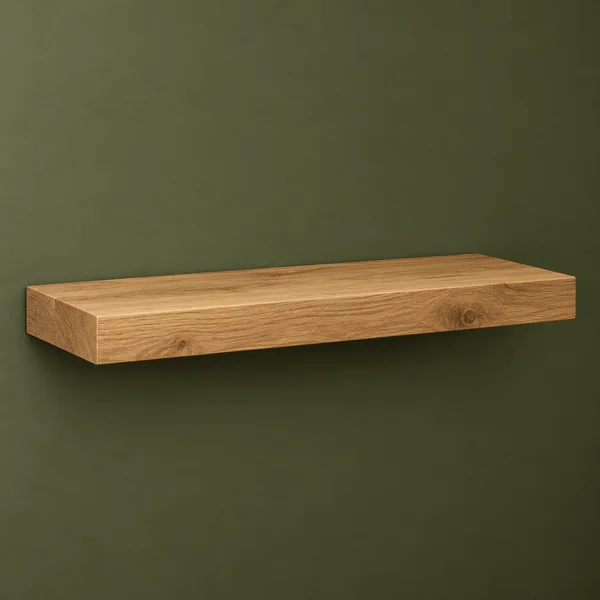
Wood floating wall shelf
What to check
Check the shelf depth and weight rating, and fix into studs or solid wall plugs.
Show all 16 pieces
-
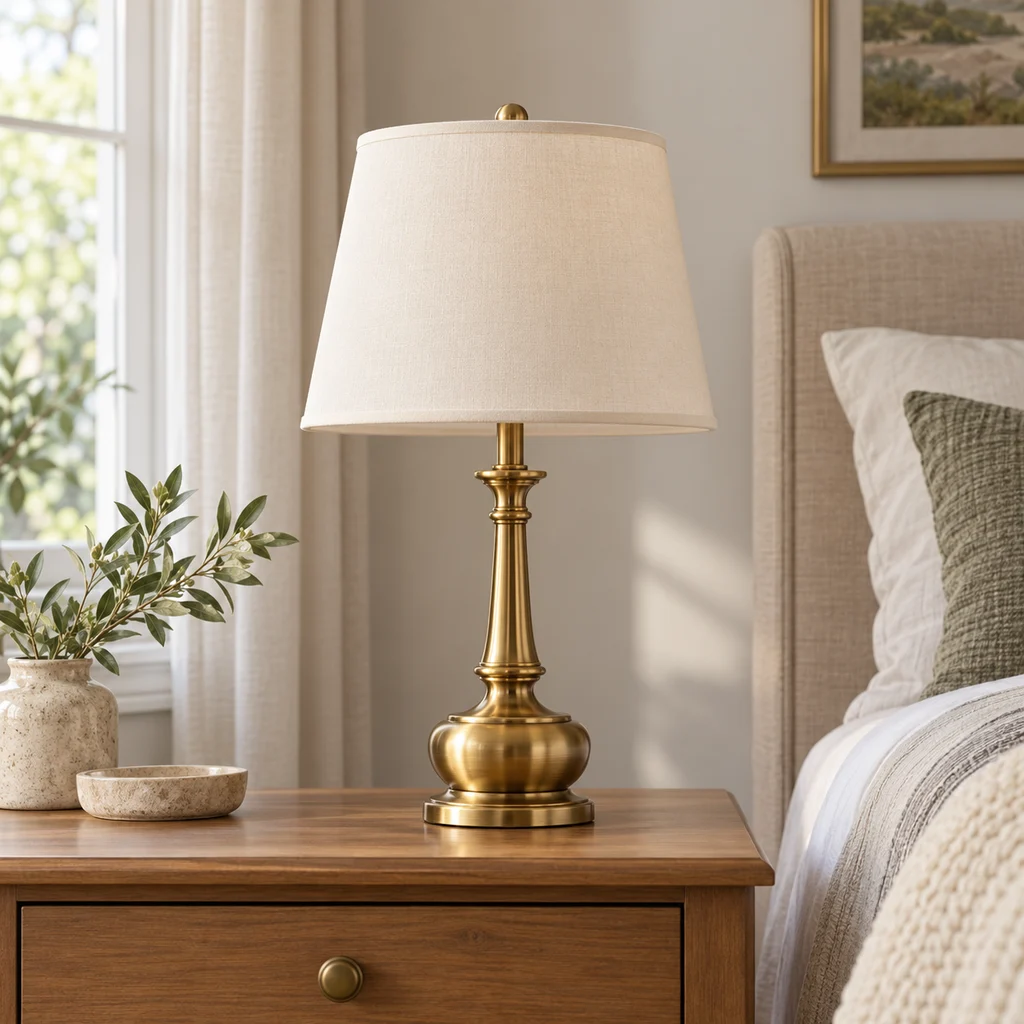
Bedside lamp
What to check
Measure from the nightstand top to your shoulder when sitting up in bed. A lamp whose shade ends near that height lights a book without glare.
-
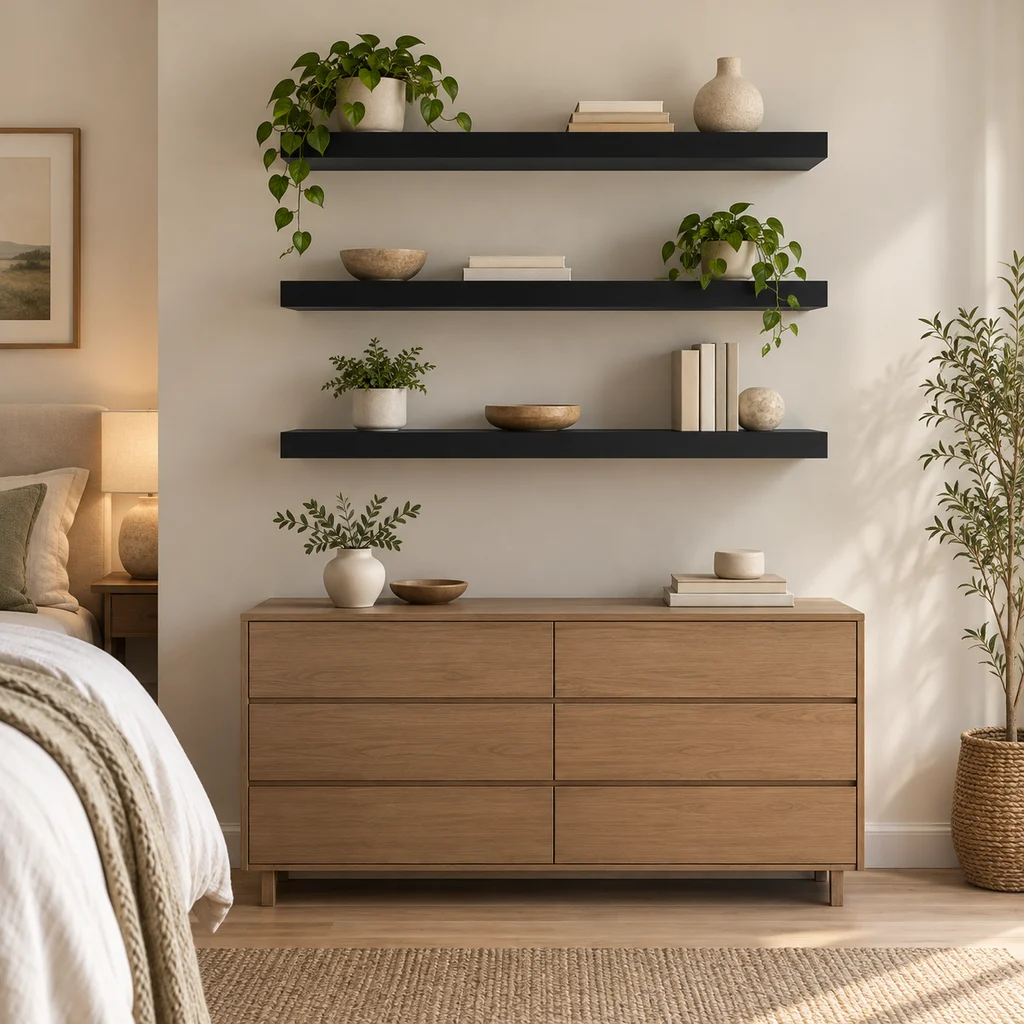
Floating shelves
What to check
Floating shelves hold less than bracket shelves. Check the weight rating and fix into studs or solid wall plugs if you plan to stack books.
-
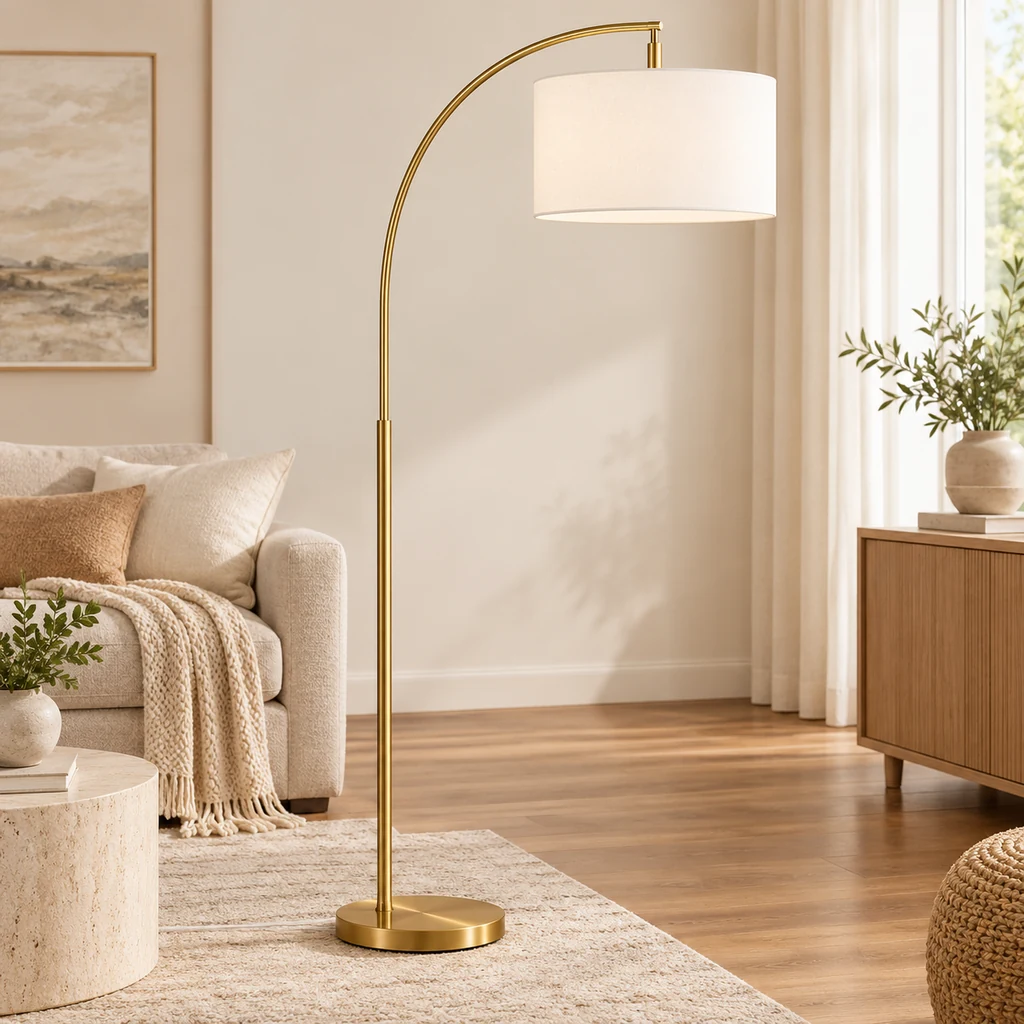
Floor lamp
What to check
Measure the arc reach and the floor space for the base. Arc lamps need weight at the base to stay steady.
-
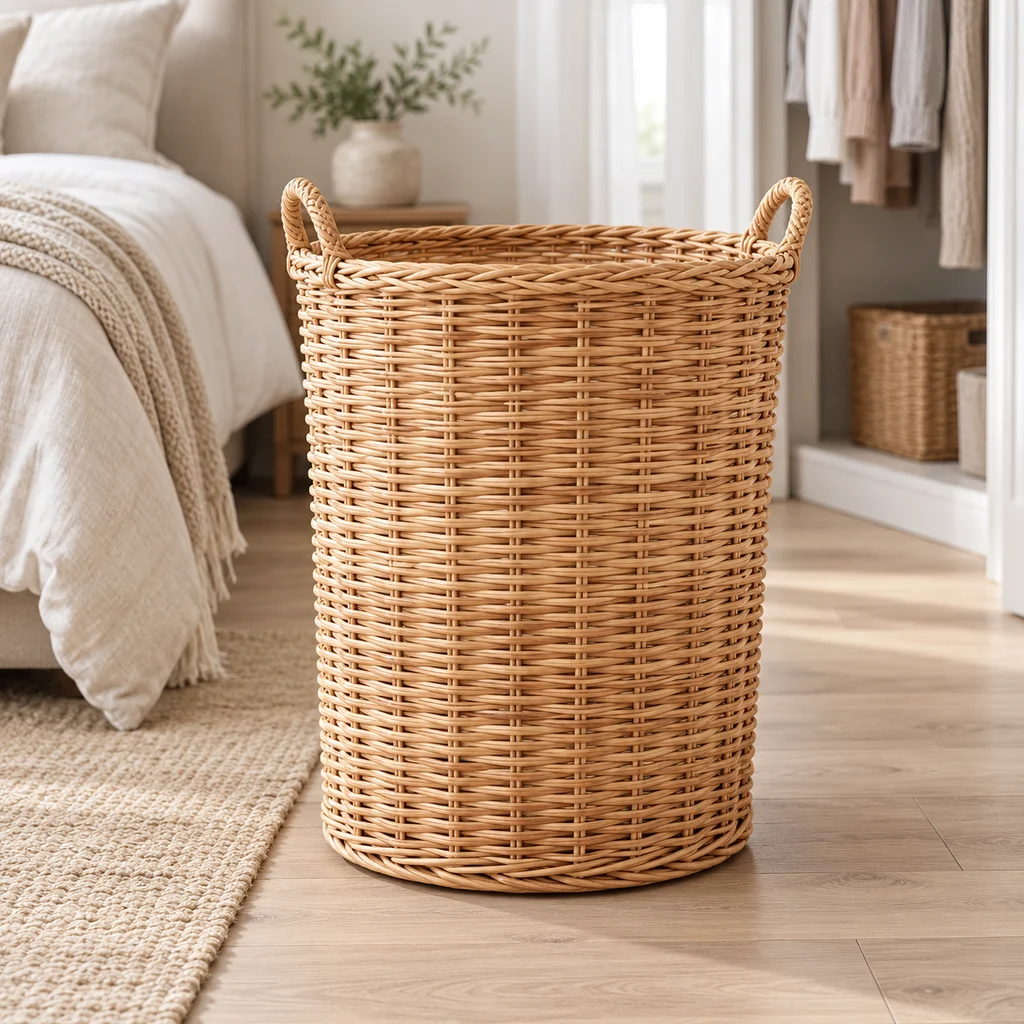
Laundry basket
What to check
A lidded hamper hides clothes but needs a little space above it to open. Check the height if it will sit under a shelf or window.
-
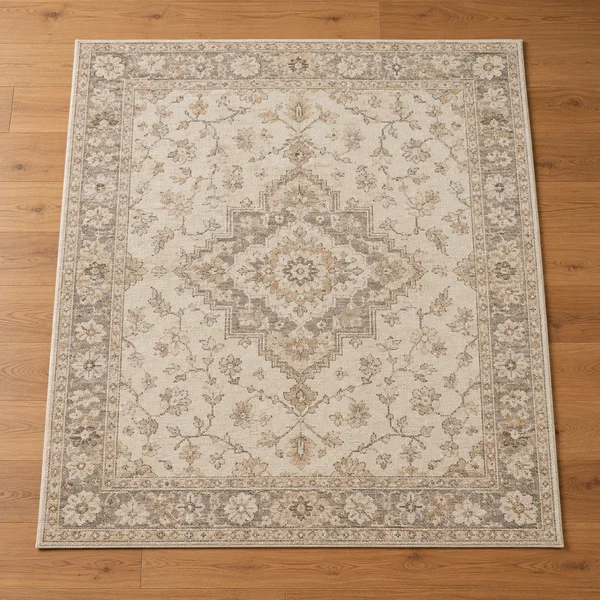
Low-pile rug
What to check
A desk chair on castors rolls more easily on low pile. Check the rug is big enough that all five chair wheels stay on it when you push back.
-
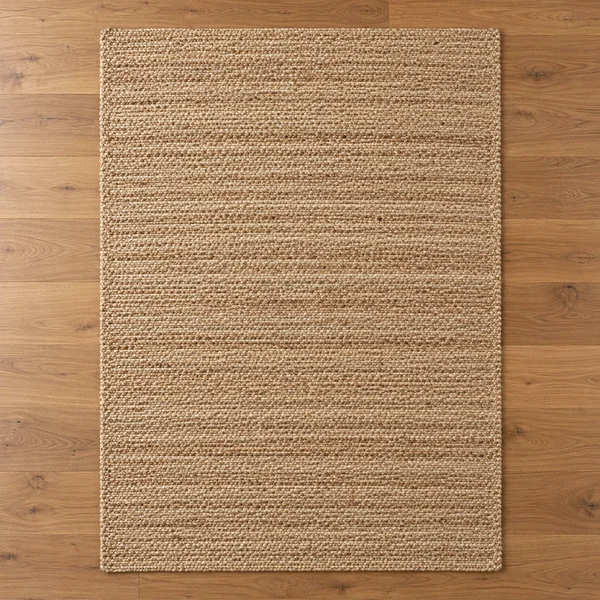
Natural woven bedroom rug
What to check
Jute is hard-wearing but coarse underfoot. Check the size against your bed so the rug extends past the sides.
-
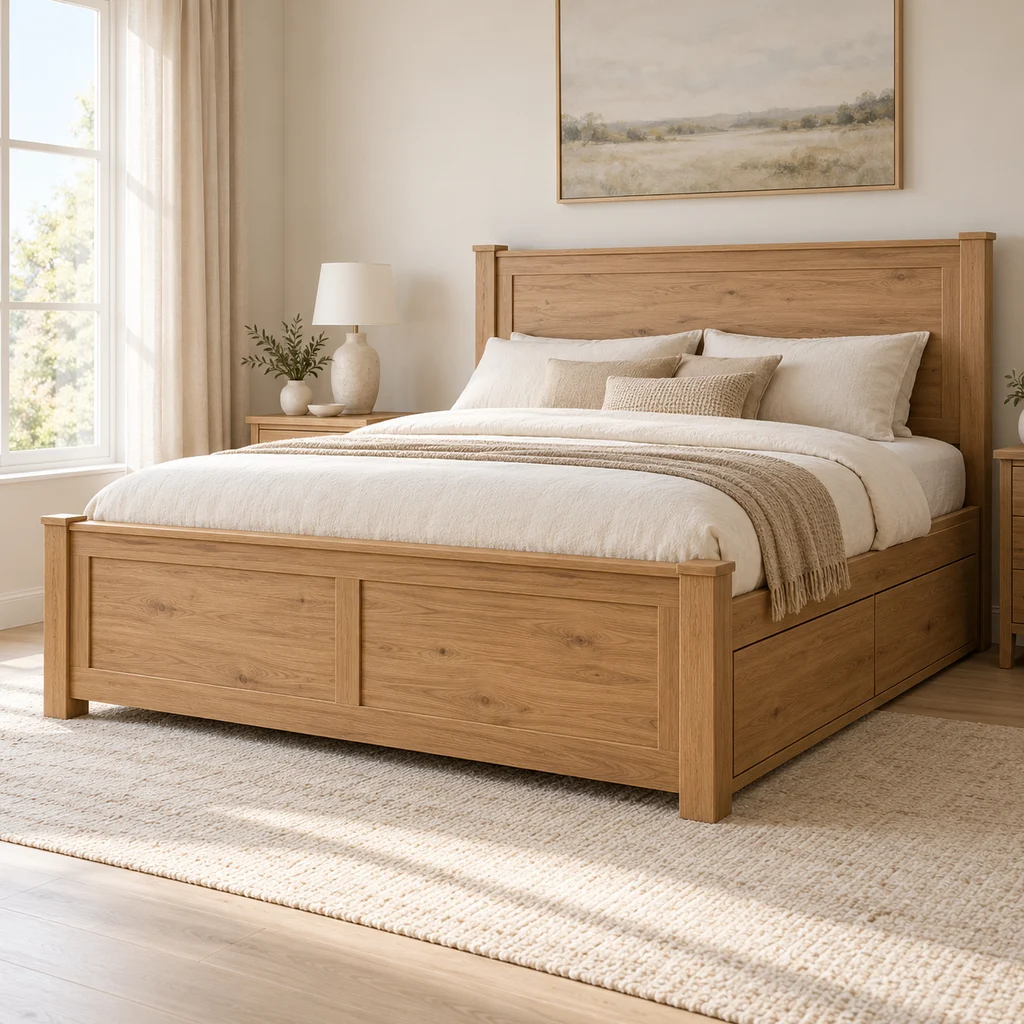
Storage bed
What to check
Drawers need clear floor space to open: check the gap between the bed and walls or nightstands on the drawer side.
-
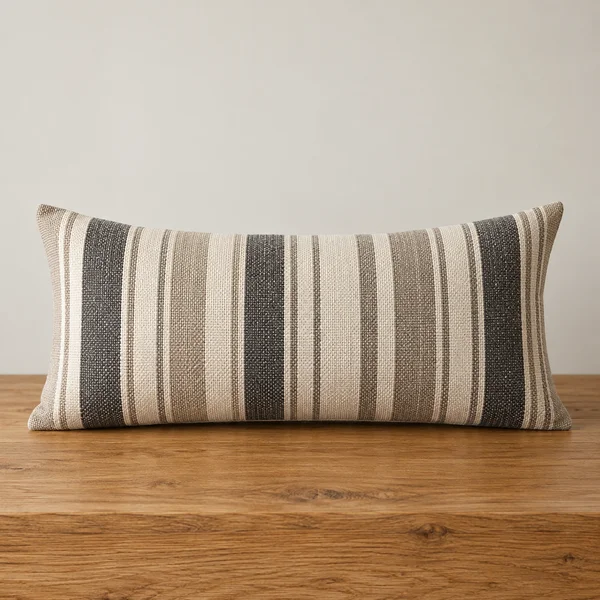
Striped lumbar pillow cover
What to check
A lumbar pillow sits low against the headboard or sofa back. Check the cover size against your insert.
The gallery
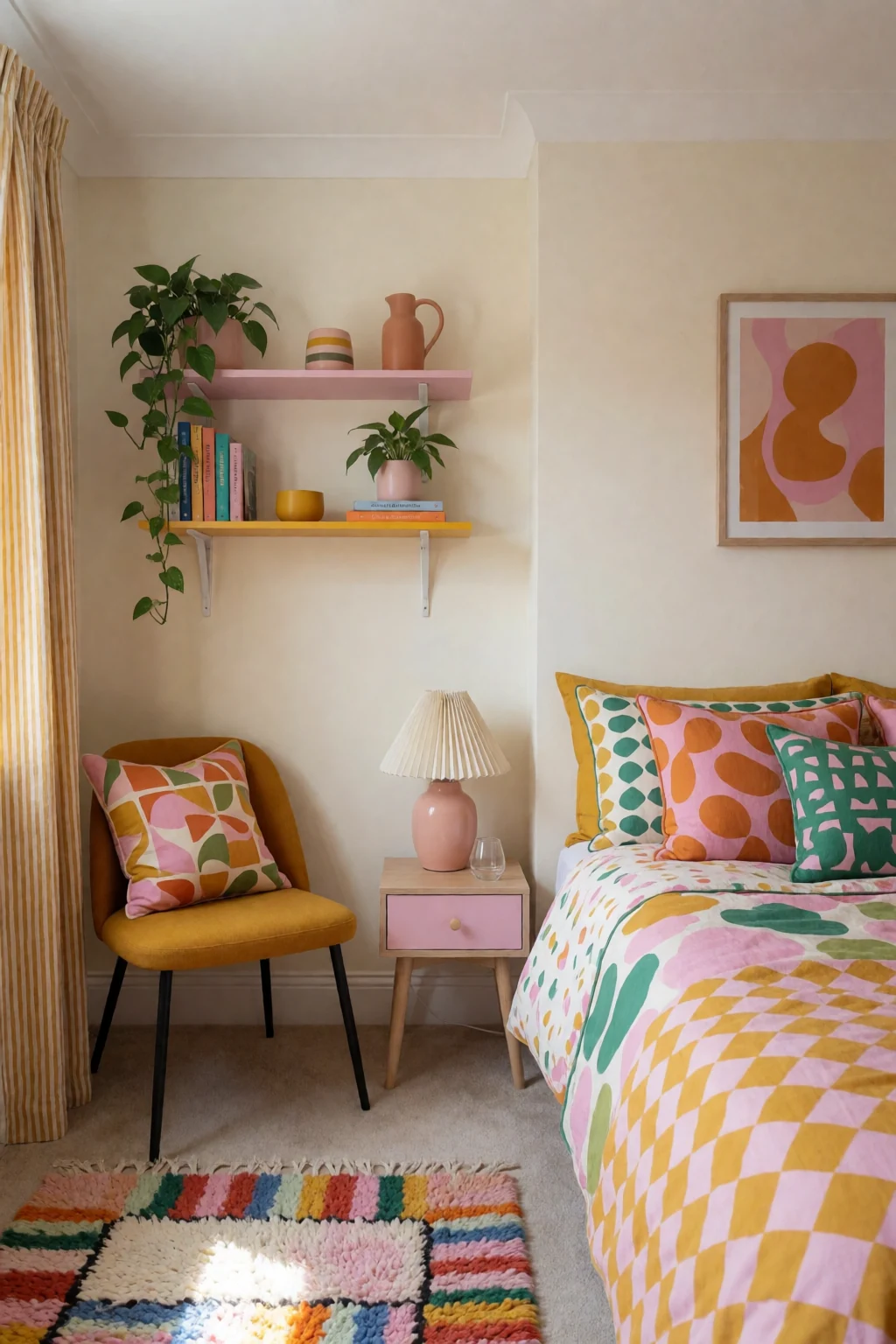
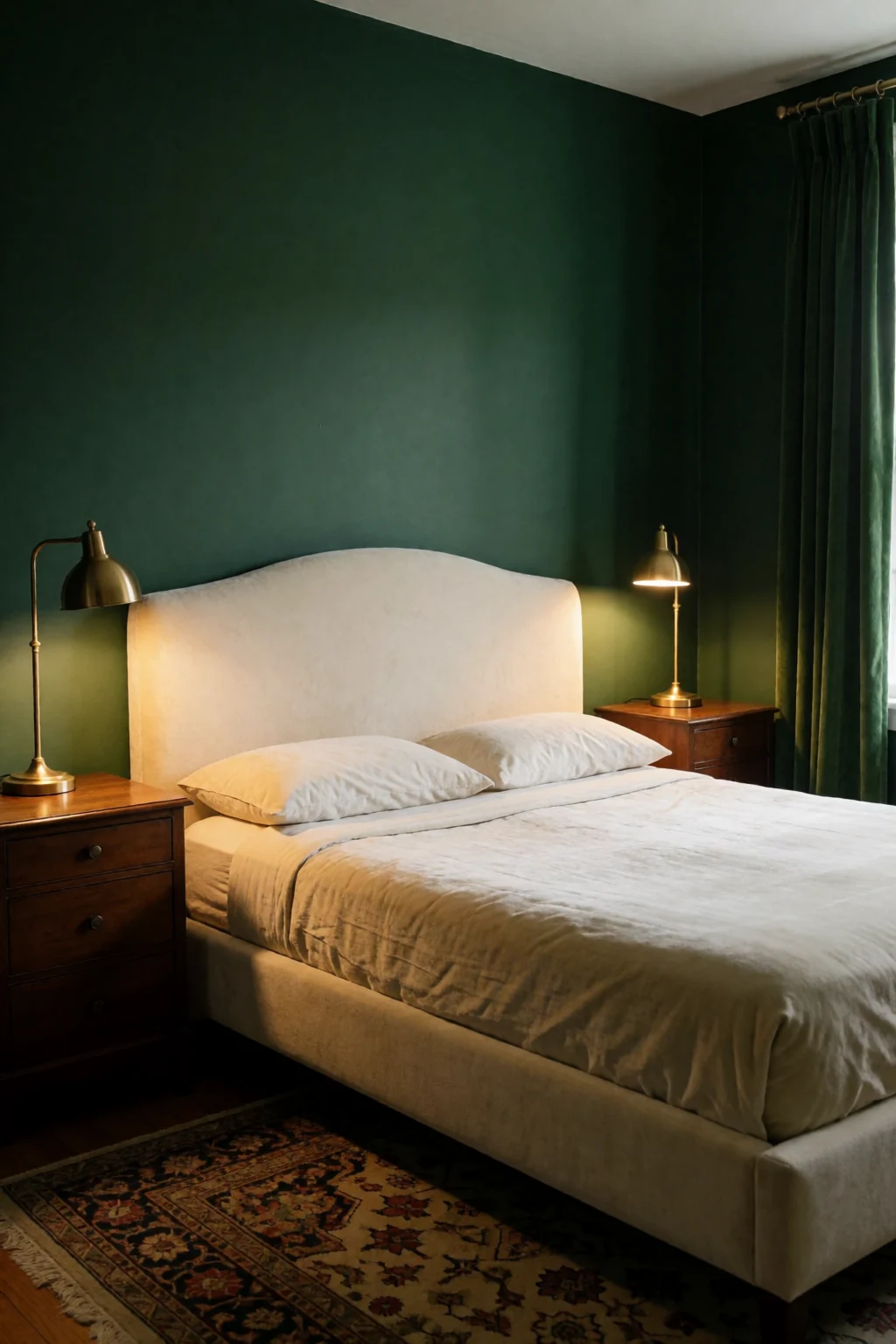
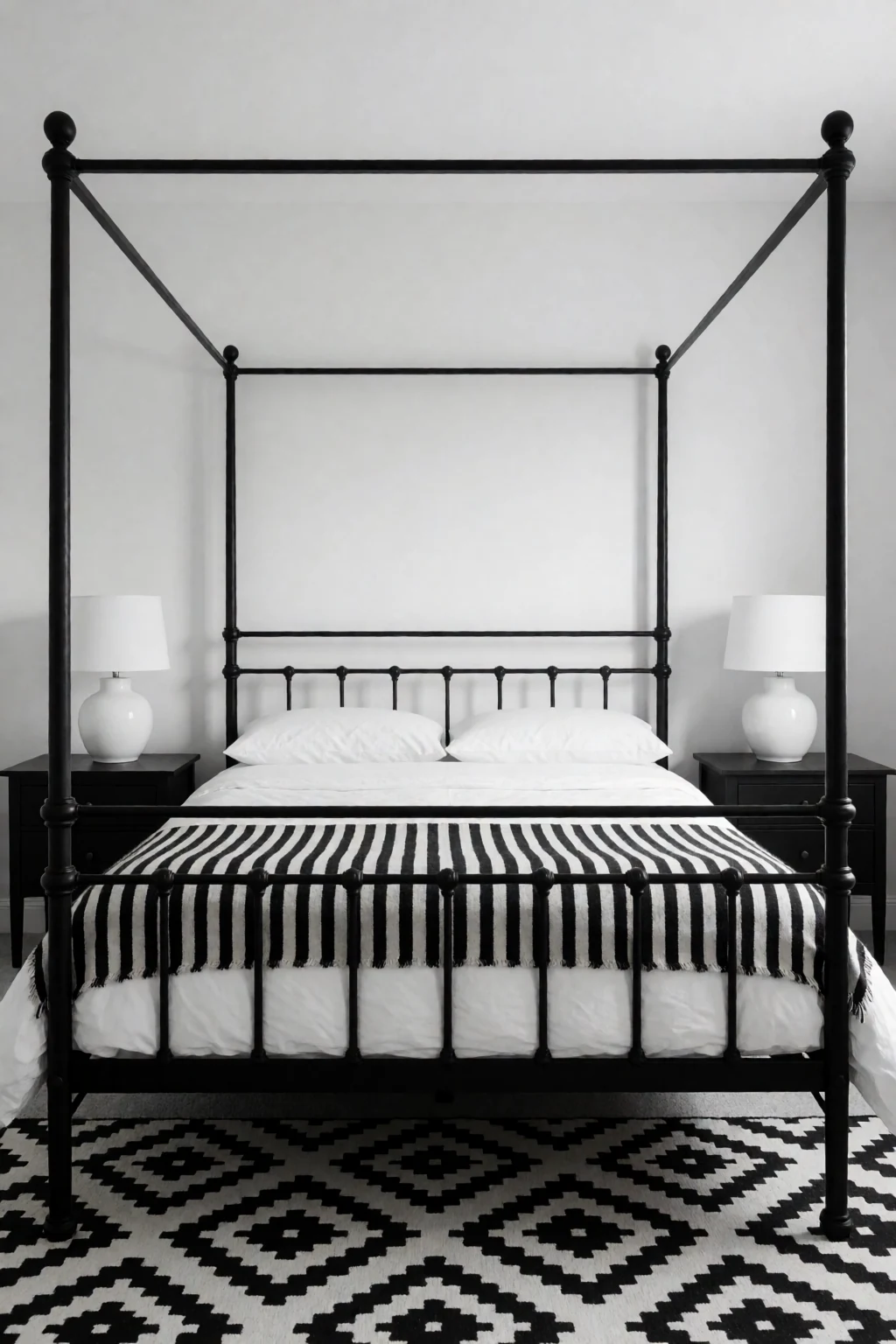
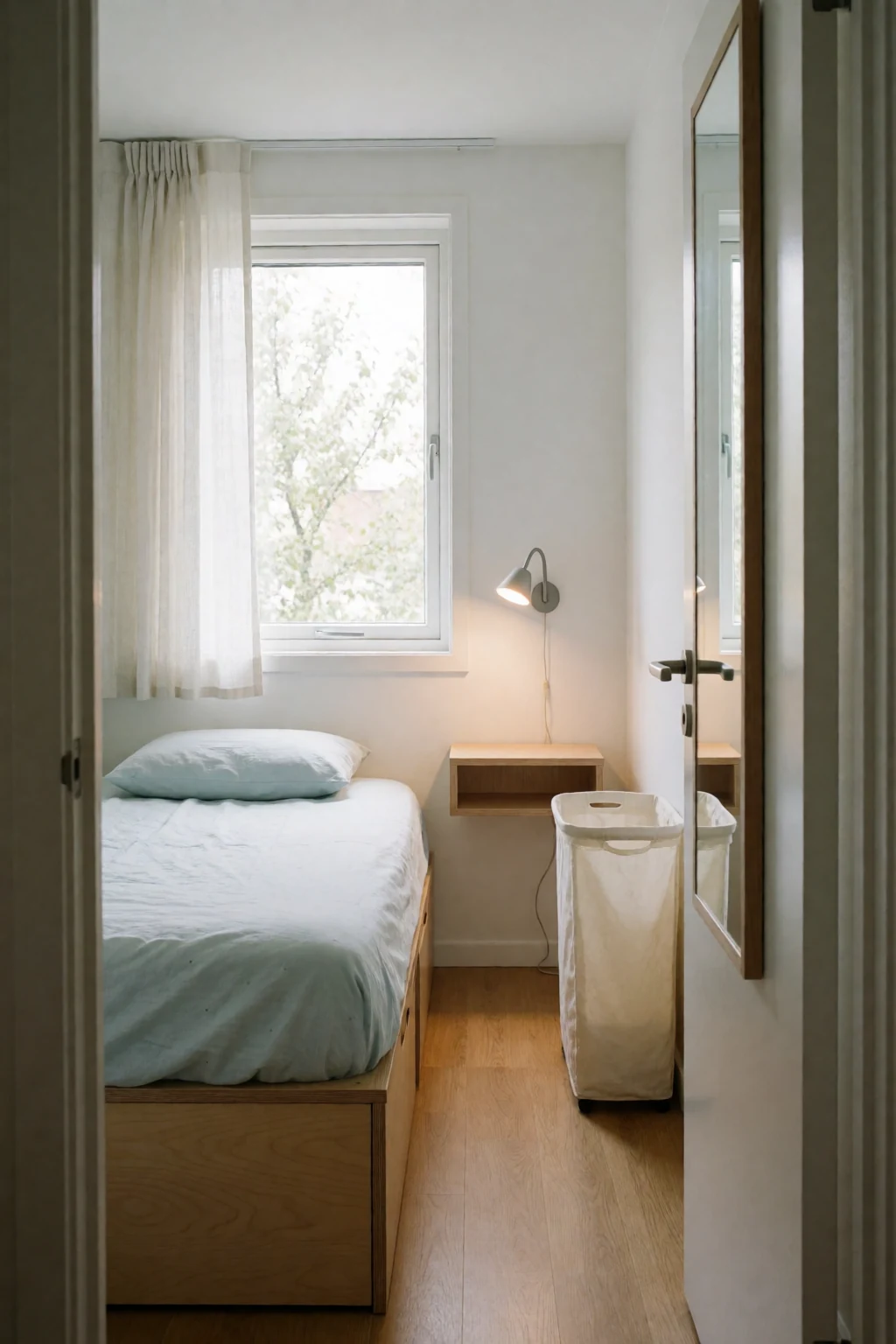
8 bedroom looks
Open a look to see its pieces.
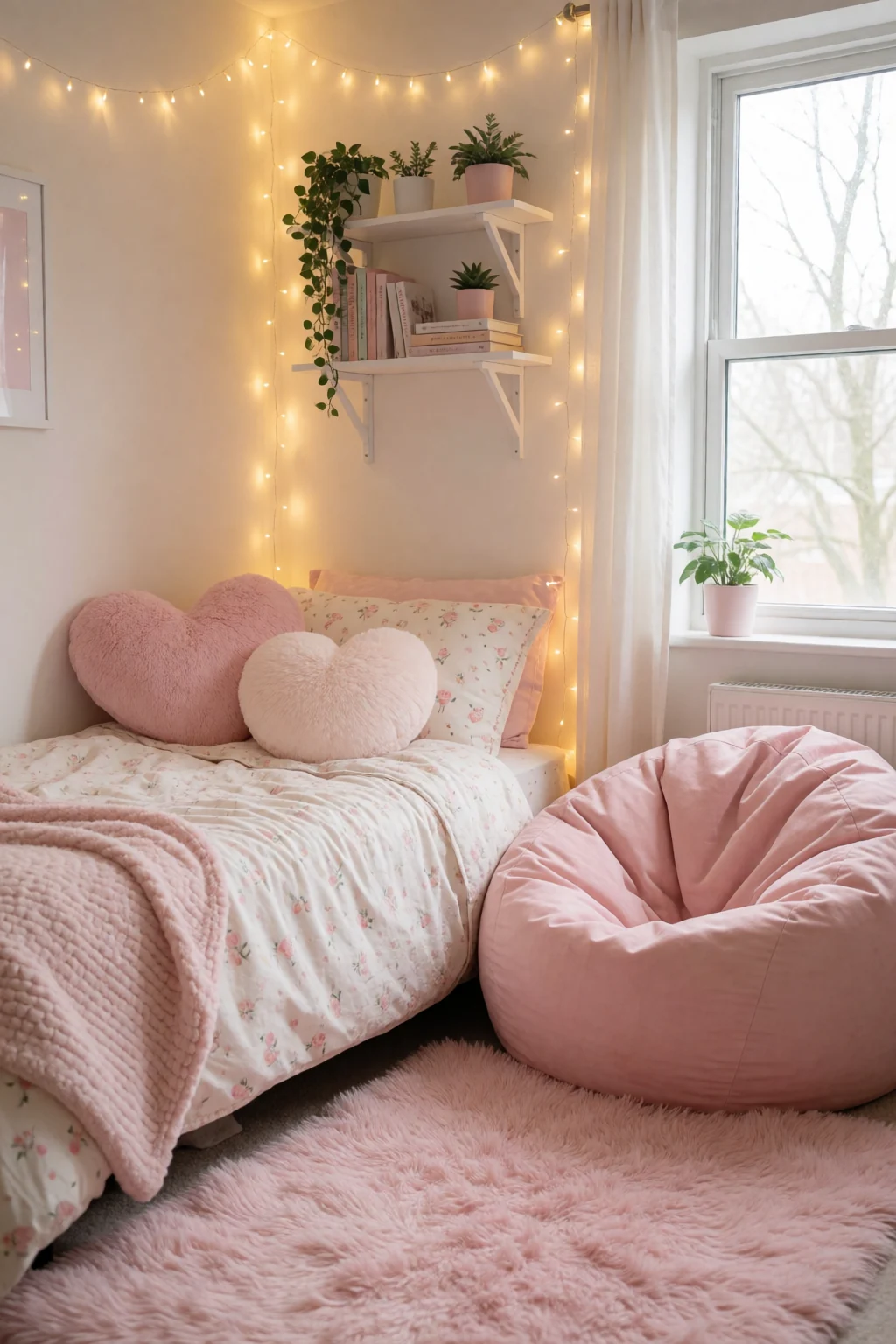
Keep exploring
Related guides
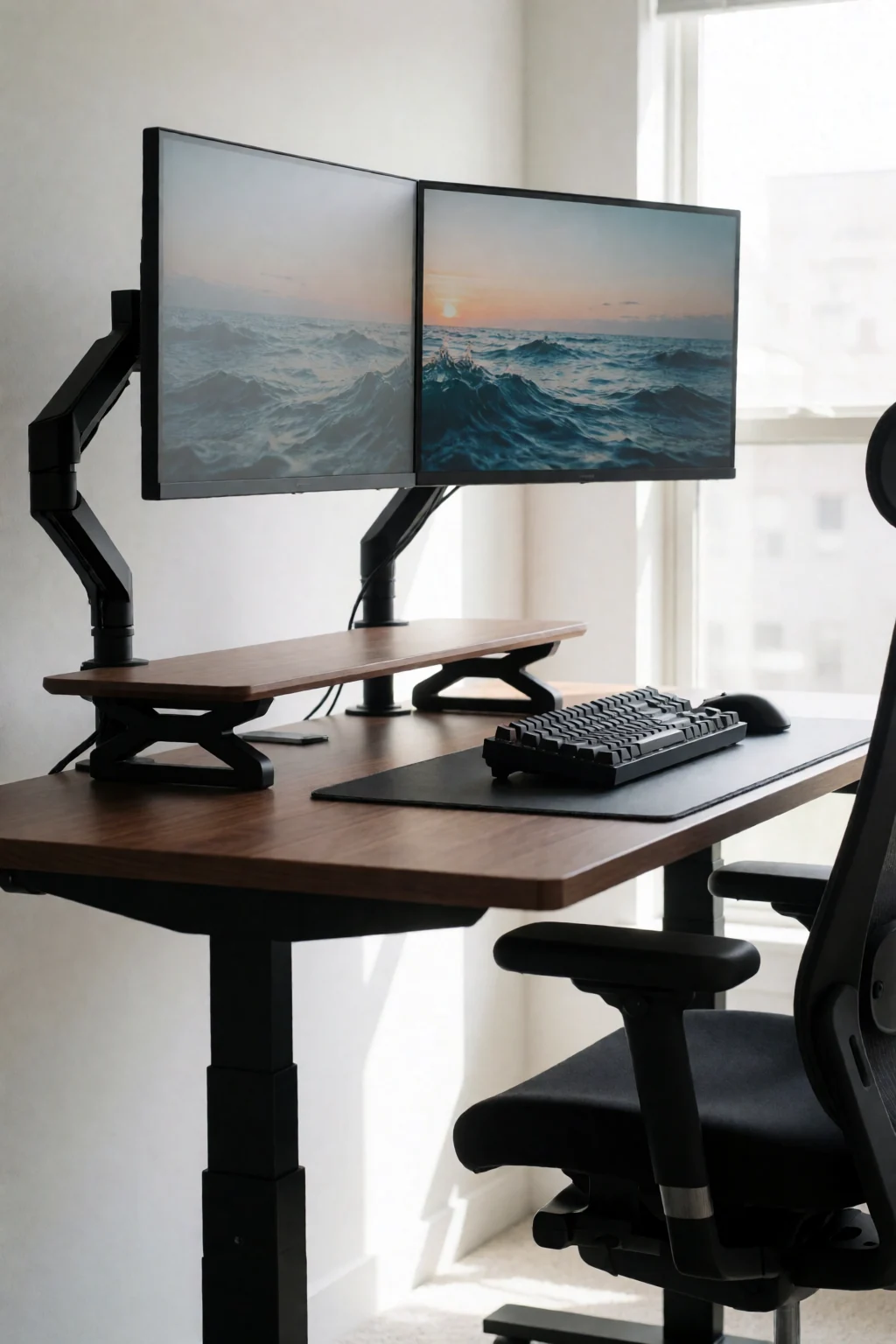 Work & gaming
A desk setup is about cables, screen height and one chair; a shared bedroom is about two sleeping areas and fair storage.
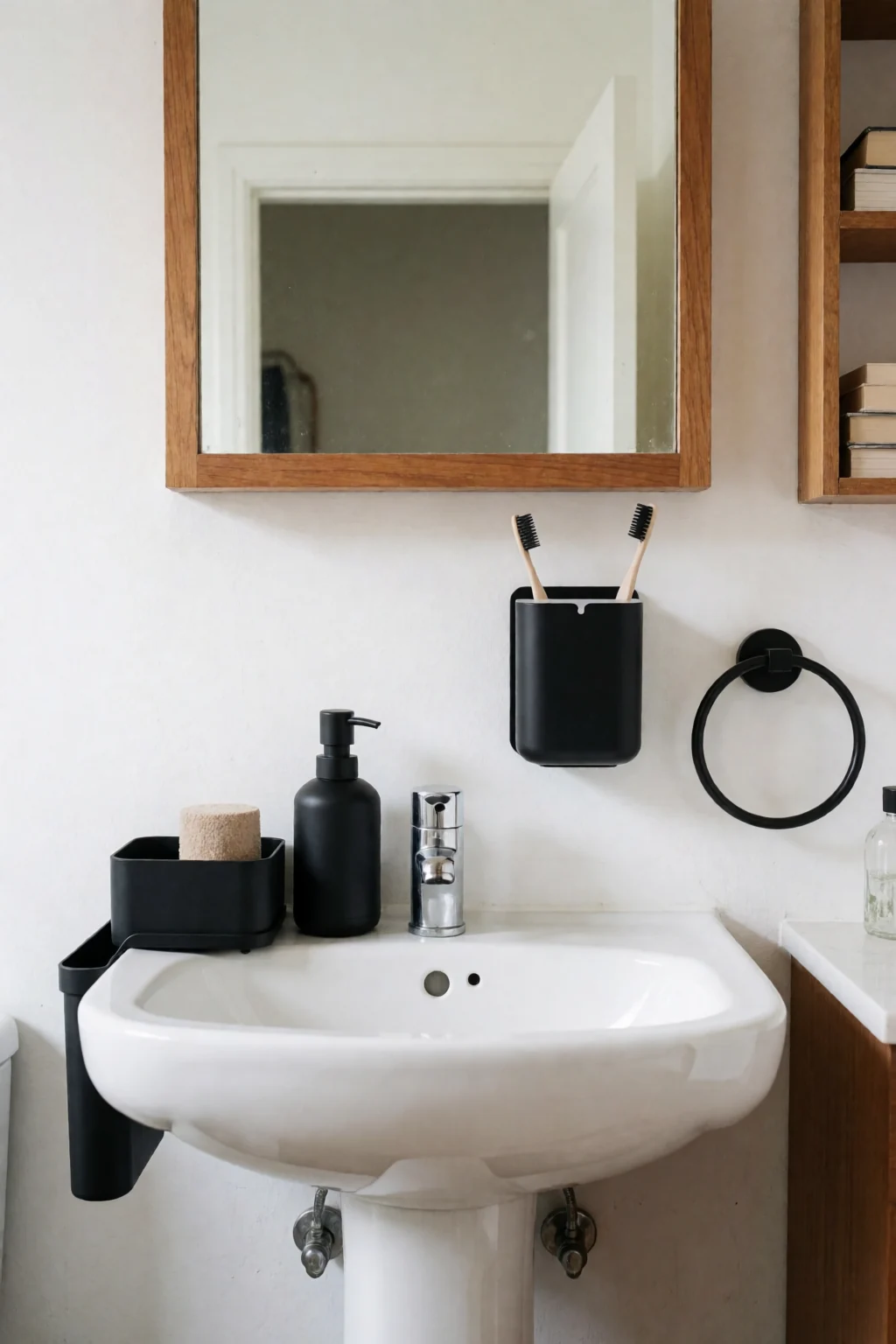 Bathroom
 storage uses damp-proof trays and caddies around a shared sink, while a shared bedroom splits floor, bedding and wardrobe space between two people.
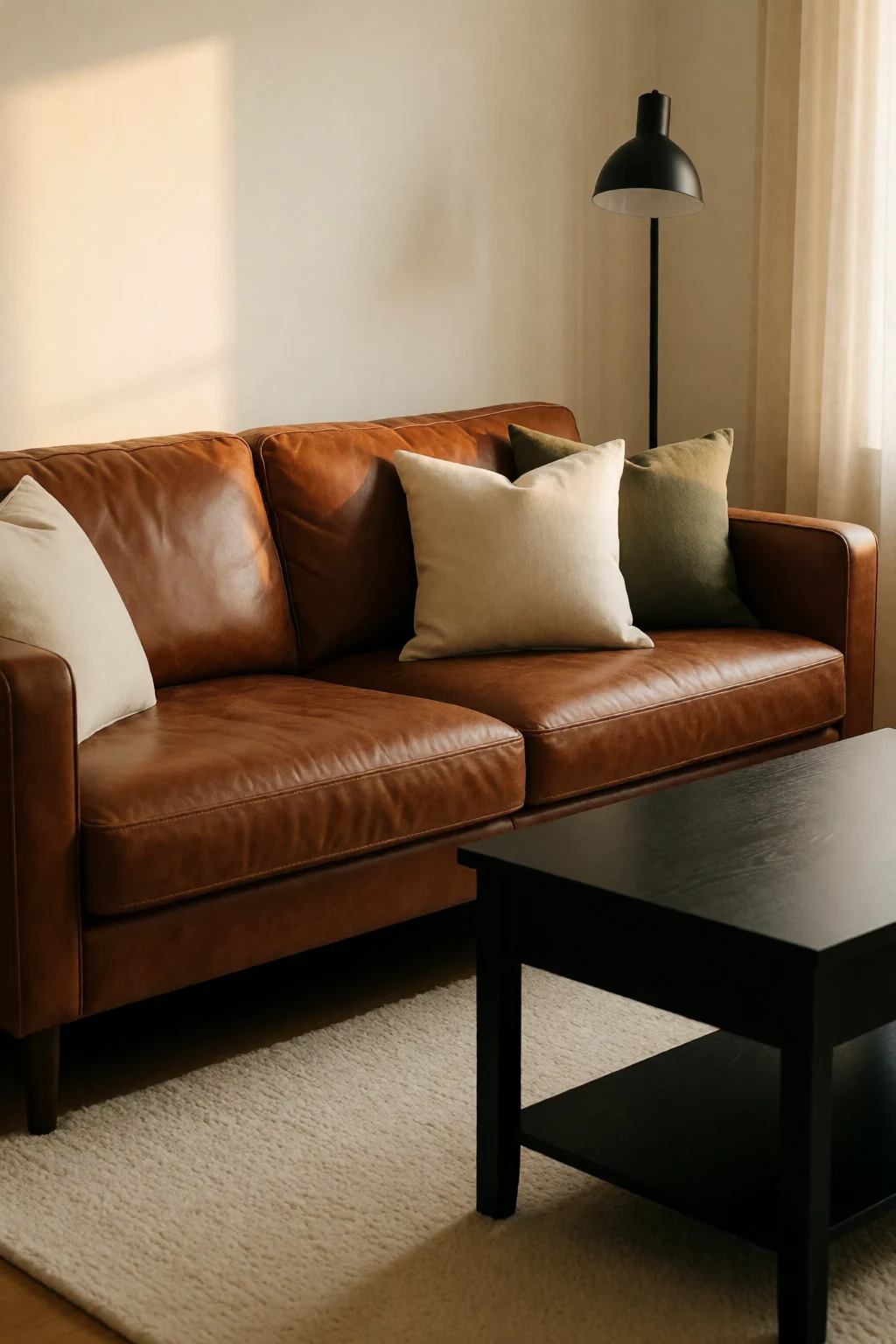 Living room
A living room brings people together round one focal point; a shared bedroom gives each person a private corner of one room.
Questions
How can I create privacy without building a wall?
A tall open bookcase between the beds, a ceiling-track curtain you can pull closed at night, or a folding screen between the dressing areas.
What bed layout works in a small shared bedroom?
Single beds in an L in one corner, or along opposite walls. Both keep the middle clear and let each person get into bed without climbing over the other.
How do I stop arguments over storage?
Give each person their own dresser, their own section of wardrobe and their own under-bed bins. When everything has a place that belongs to someone, the arguments drop.
What if we go to bed at different times?
A separate reading light for each bed instead of the ceiling light, a thick rug and heavy curtains to soften noise, and a white noise machine to cover early or late movement.