Room ideas / Bedroom
How to lay out a tiny bedroom when the bed barely fits
In a tiny bedroom, decide where the bed goes before anything else. Put it against the longest unbroken wall, keep one clear path from the door, and store things on the walls instead of in wide furniture.
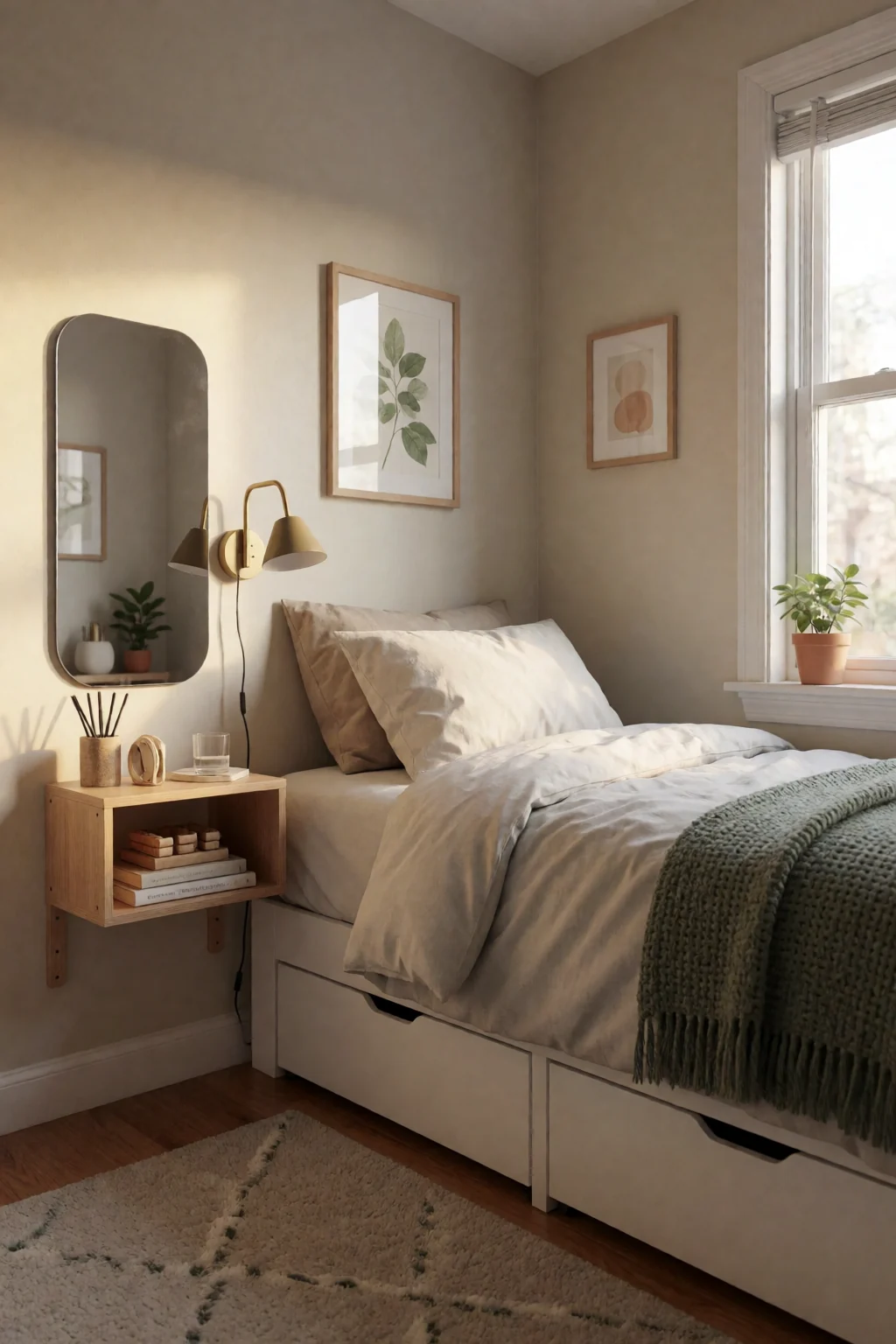
Three rules when floor space is tight
- Put the bed against the longest free wall or in a corner, to leave the most floor for your path.
- Leave at least 24 inches on the side you get in and out.
- Store upward with wall shelves, hooks and over-door rails, not wide chests that block the way.
Placing the bed first
In a tiny bedroom, getting around the bed matters more than matching furniture. Measure the door swing and the distance to the window sill, put the bed where you can get in and out easily, and keep the middle of the floor clear so you are not knocking your shins every day.
A tiny room feels planned when you can see floor and the lines are clean: a clear path from the door to the bed, wall-mounted surfaces instead of wide nightstands, and bedding that does not swamp the room. A mirror bounces light into the corners, and hooks and rails keep clothes off the floor and chairs.
Big pieces go against the walls, extras like a heavy dresser go, and things do double duty: a bed with drawers underneath, or a floating shelf that works as both desk and bedside table.
Five tiny-room layouts
- Bed in the corner
- Push the head and one long side into a corner to open the middle of the room. A small triangular shelf in the corner above the pillow holds your phone and water, and one strong hook by the door takes your coat or robe.
- Platform bed with bins
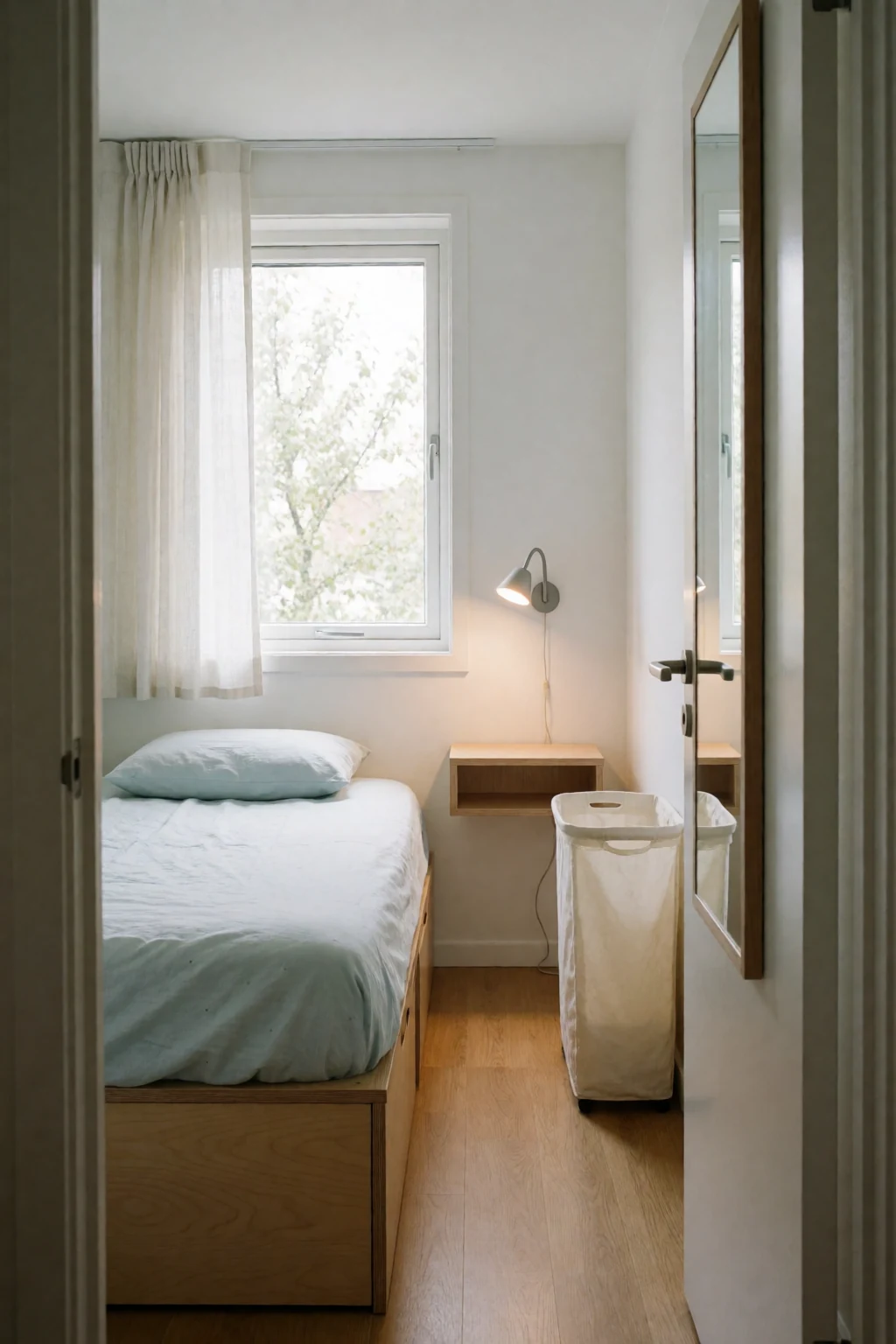
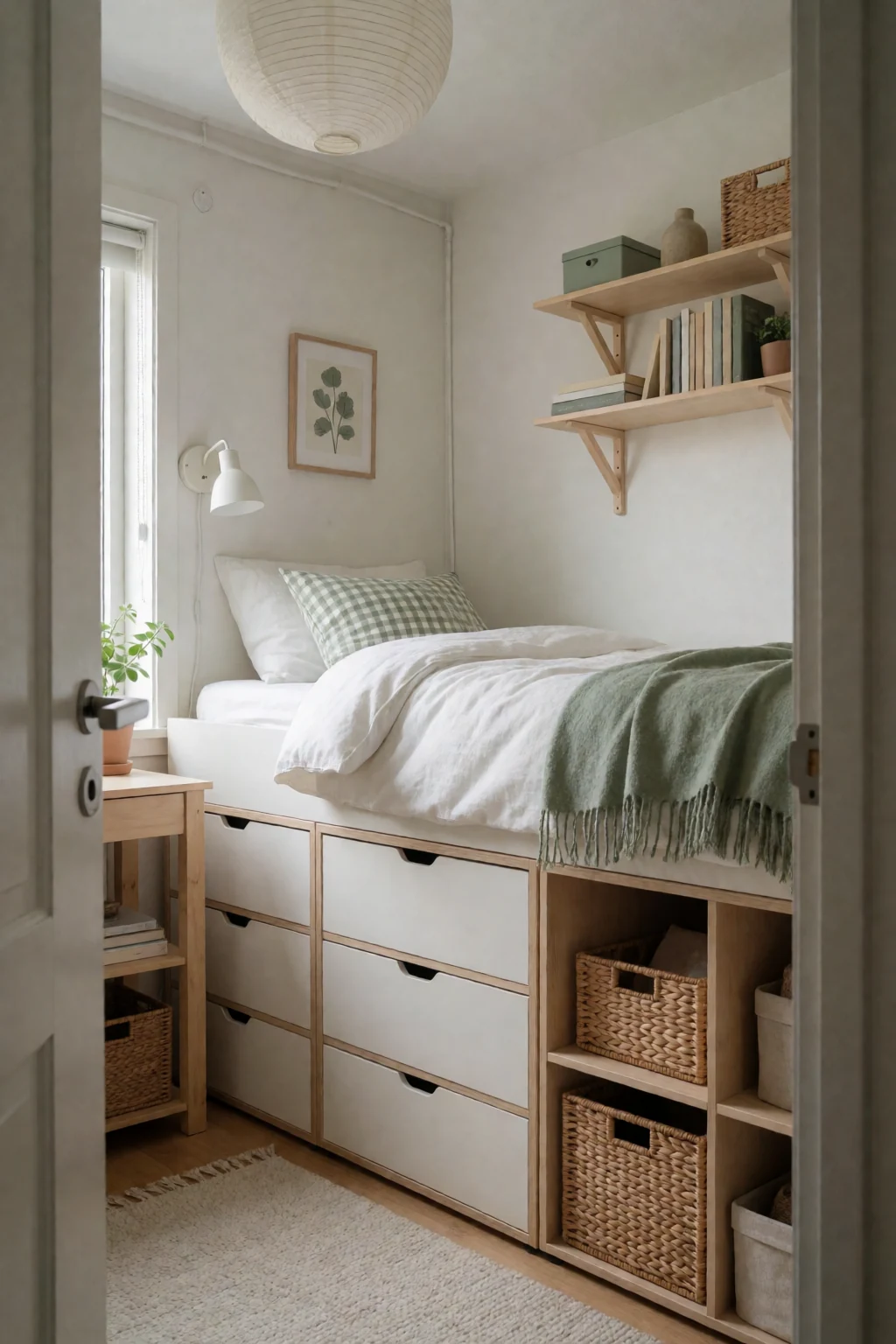
- A low platform bed with sliding bins underneath for out-of-season clothes, so you need no dresser. A plug-in wall light on an arm above the pillow replaces the bedside lamp.
- Centred bed with picture ledges
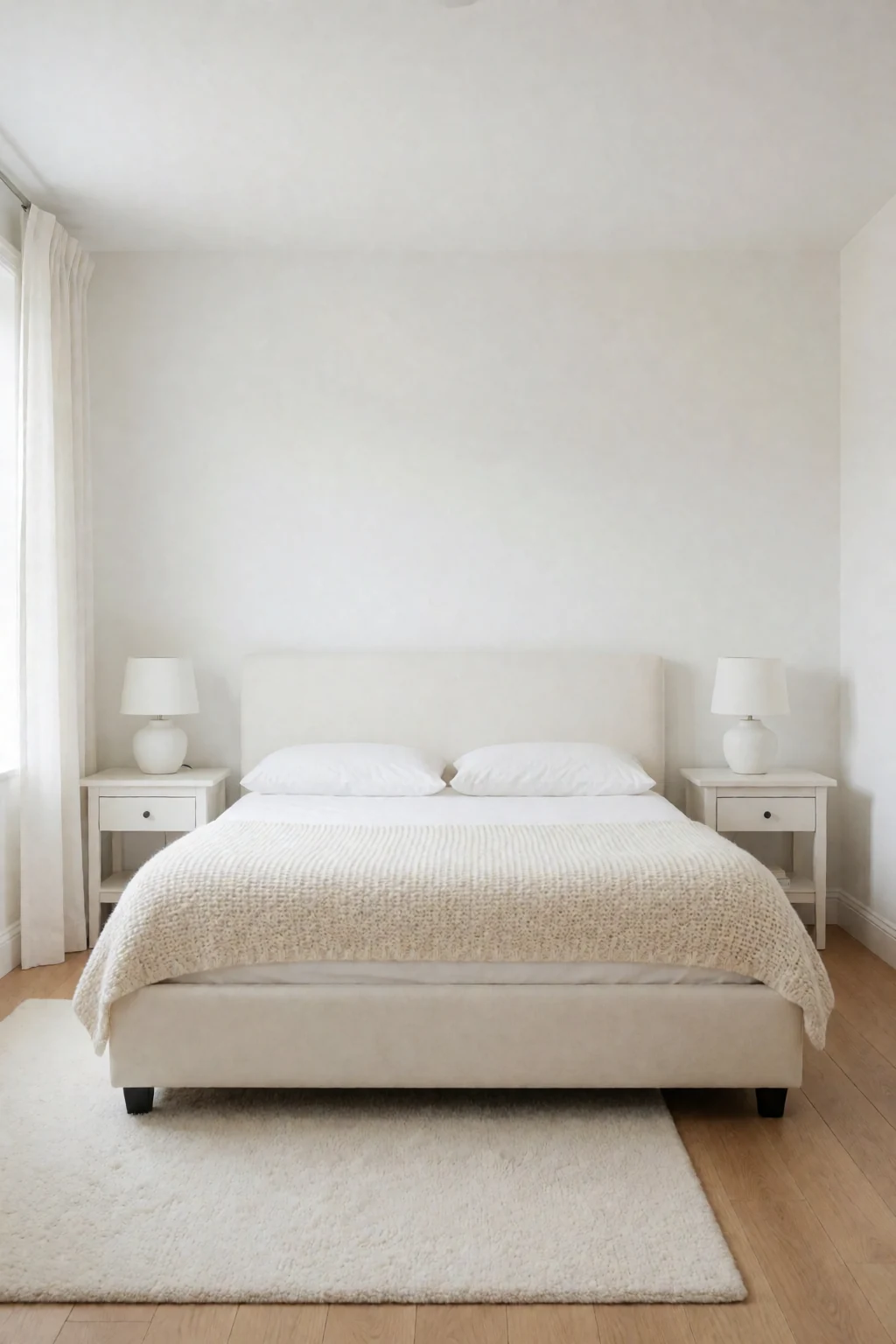
- A single or double bed centred on the widest wall, with narrow 4-inch picture ledges on each side instead of bedside tables. A tall, narrow mirror leaned on the opposite wall reflects the window and makes a narrow room look wider.
- Daybed and drop-leaf table
- A daybed along the longest wall is a sofa by day and a bed at night. A small drop-leaf table on the next wall folds flat when not in use, and a soft canvas basket holds the cushions.
- Bed under the window
- If the side gaps are too tight elsewhere, put the headboard against the window wall with sheer panels that part easily behind it. A narrow bench at the foot of the bed is somewhere to sit to put on shoes, and it holds spare bedding.
Doors, paths, ceilings and vents
- Door and window swings
- Check the bedroom and wardrobe doors before placing anything. A bed that stops a door opening fully is a daily nuisance and a safety risk. Make sure windows still open without hitting the headboard or pillows.
- Paths in the dark
- Trace the route from the door to the bed, the wardrobe and the light switch. You should be able to walk it in the dark without catching a bed corner or a table leg. If you have to sidestep furniture, change the layout.
- Ceiling height
- With a low ceiling, keep furniture low so the room does not feel squashed. With a high one, use the wall for rails and tall shelves, which adds storage without using any floor.
- Heaters and sockets
- Do not block radiators or floor vents with the mattress, a heavy quilt or storage bins. It stops the airflow and can be a fire risk. Check there are sockets near the lamp and phone charger, so no extension lead crosses the path.
Test the bed, then go vertical
Clear the room down to the floor and try the bed against the longest wall. Measure the gaps on every side and make sure there is a clear path from the door to the bed and the window. If there is no room for bedside tables on both sides, go with the corner layout or one floating shelf on the open side.
Then storage and light, without adding bulk. Mount a plug-in wall light over the pillow so you do not need a table lamp, and put two or three hooks behind the door or on a free bit of wall for everyday clothes. Lay a low rug under the bottom third of the bed, and keep decoration to a framed print or a small tray.
Shop the pieces
16 bedroom pieces
Links open similar items, not the pictured ones.
-
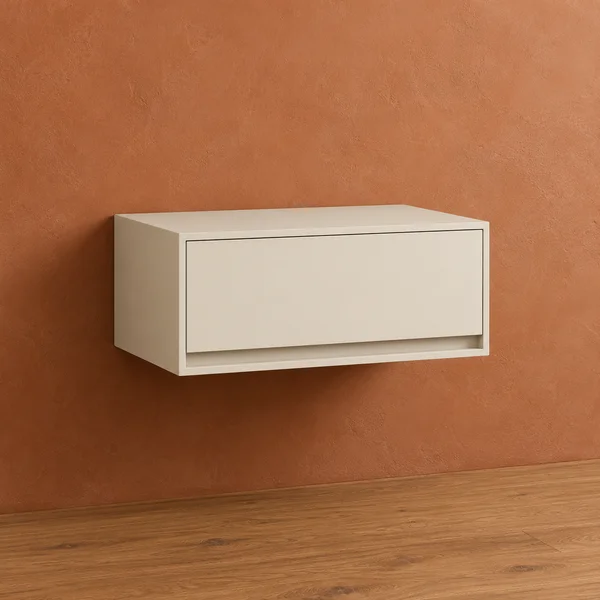
Wall mounted bedside drawer
What to check
Wall-mounted drawers need solid fixings and leave the floor clear. Mount them at a height you can reach from bed.
-
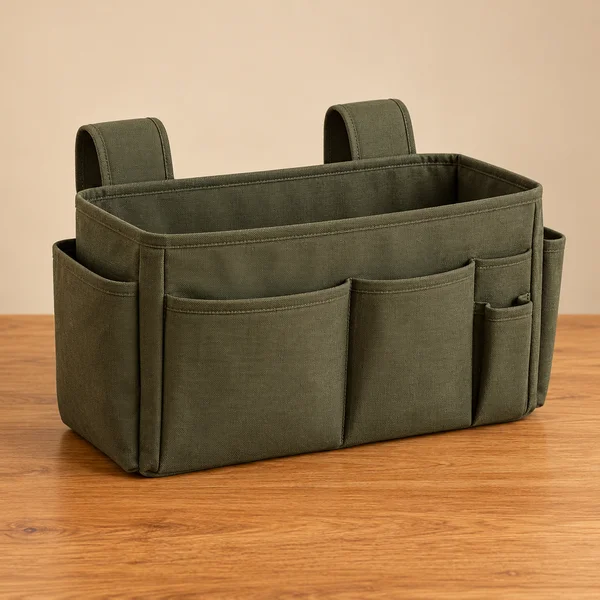
Bedside storage basket
What to check
Measure the gap between the mattress and the wall or frame. A bedside caddy needs a firm mattress edge to tuck under.
-
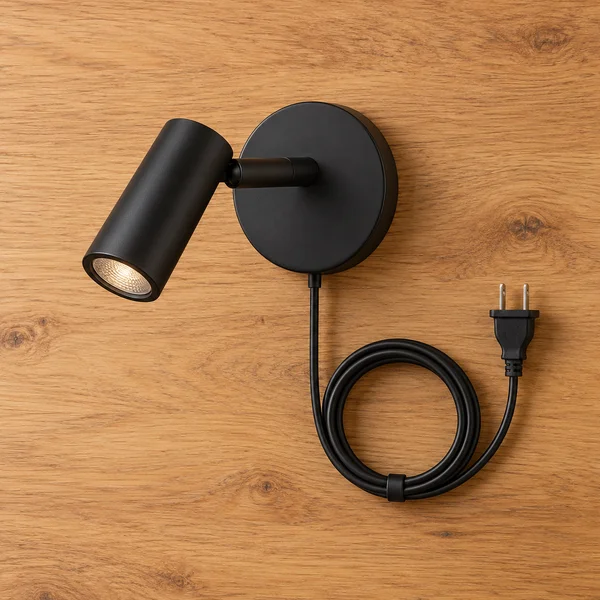
Plug in wall reading light
What to check
Mount the light high enough to clear your head when sitting up, and check the plug reaches an outlet.
-
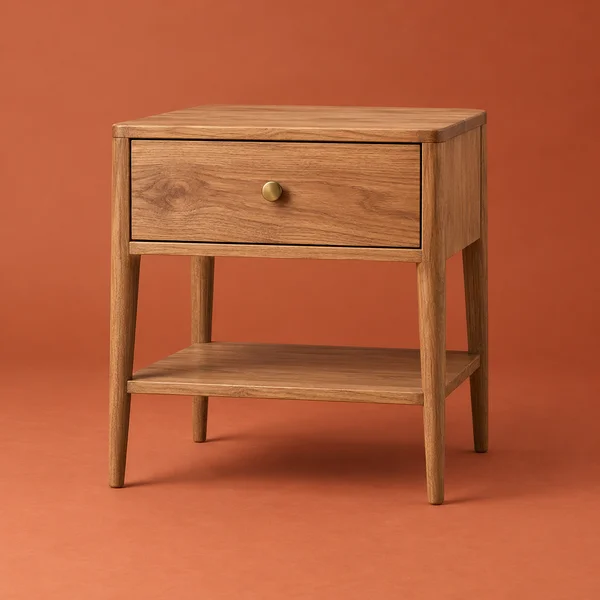
Small bedside table with drawer
What to check
Check the table height against your mattress and that the drawers open without hitting the bed frame.
-
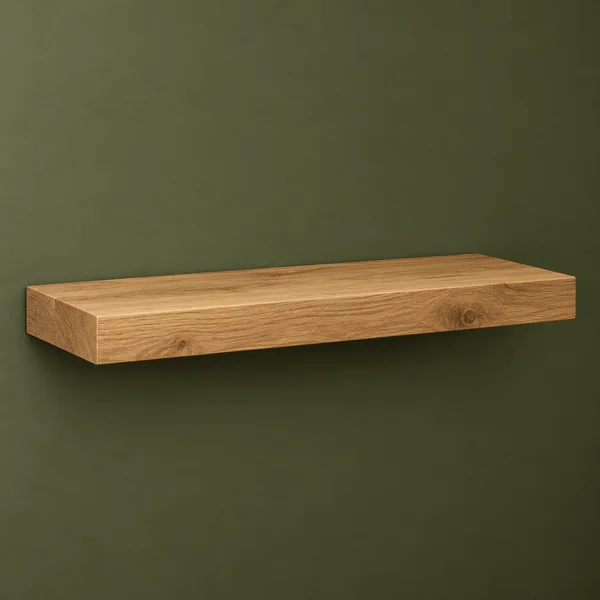
Wood floating wall shelf
What to check
Check the shelf depth and weight rating, and fix into studs or solid wall plugs.
-
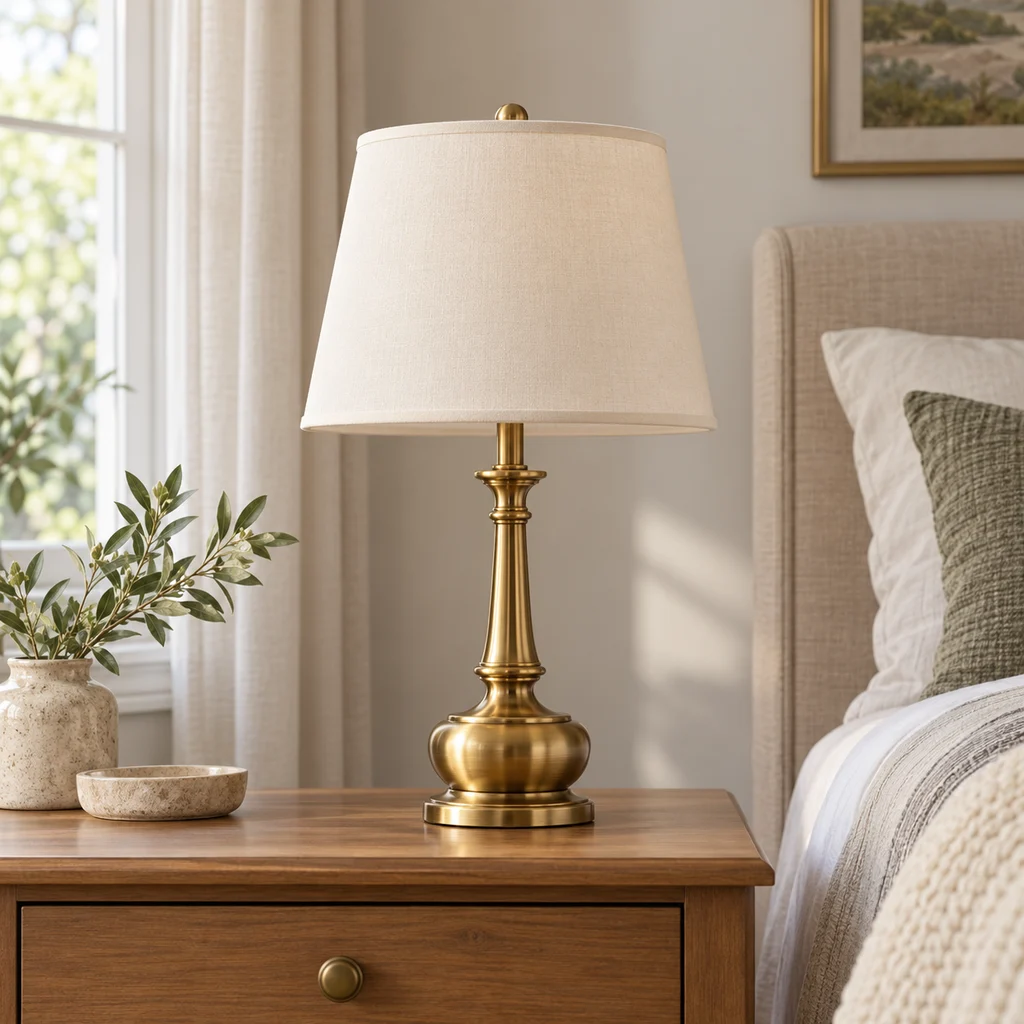
Bedside lamp
What to check
Measure from the nightstand top to your shoulder when sitting up in bed. A lamp whose shade ends near that height lights a book without glare.
-
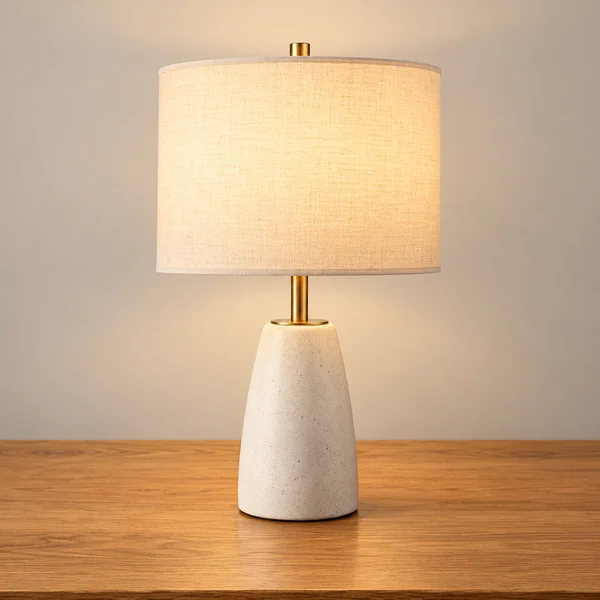
Bedside reading lamp
What to check
Check the lamp's height and dimming range. A touch base is easy to find in the dark.
-
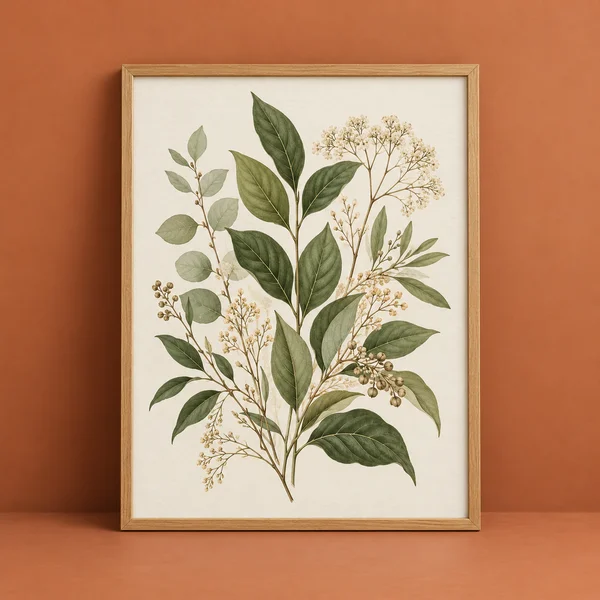
Botanical wall art print
What to check
Measure the wall and plan the spacing between frames before you hang a set. Paper templates on the wall help.
Show all 16 pieces
-
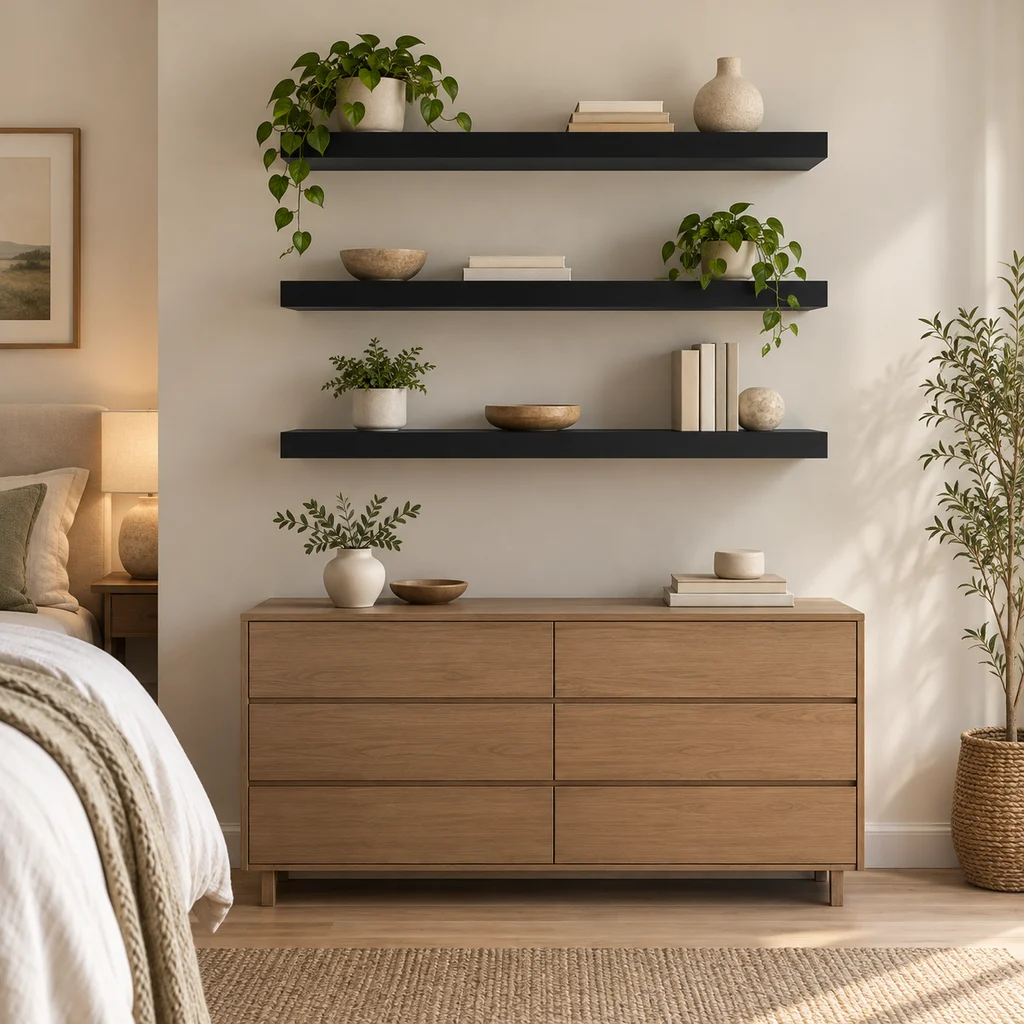
Floating shelves
What to check
Floating shelves hold less than bracket shelves. Check the weight rating and fix into studs or solid wall plugs if you plan to stack books.
-
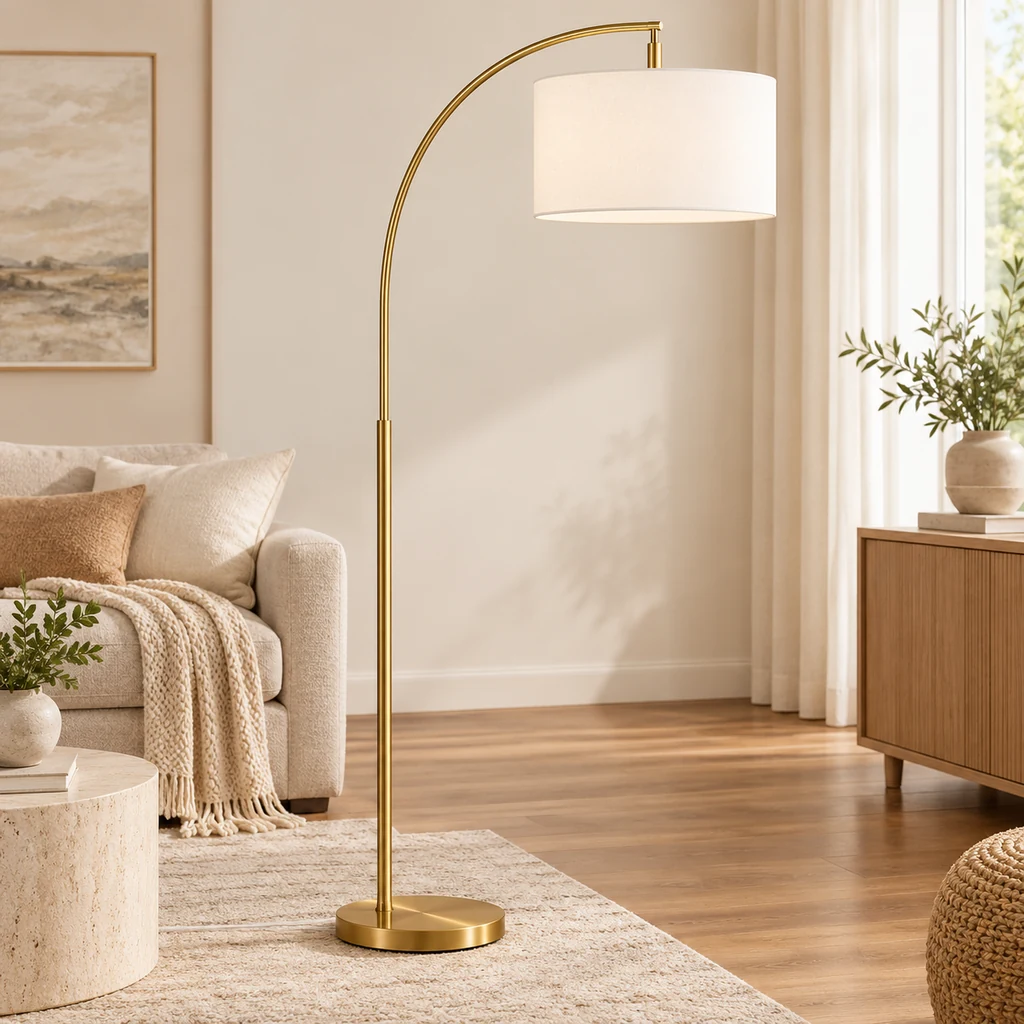
Floor lamp
What to check
Measure the arc reach and the floor space for the base. Arc lamps need weight at the base to stay steady.
-
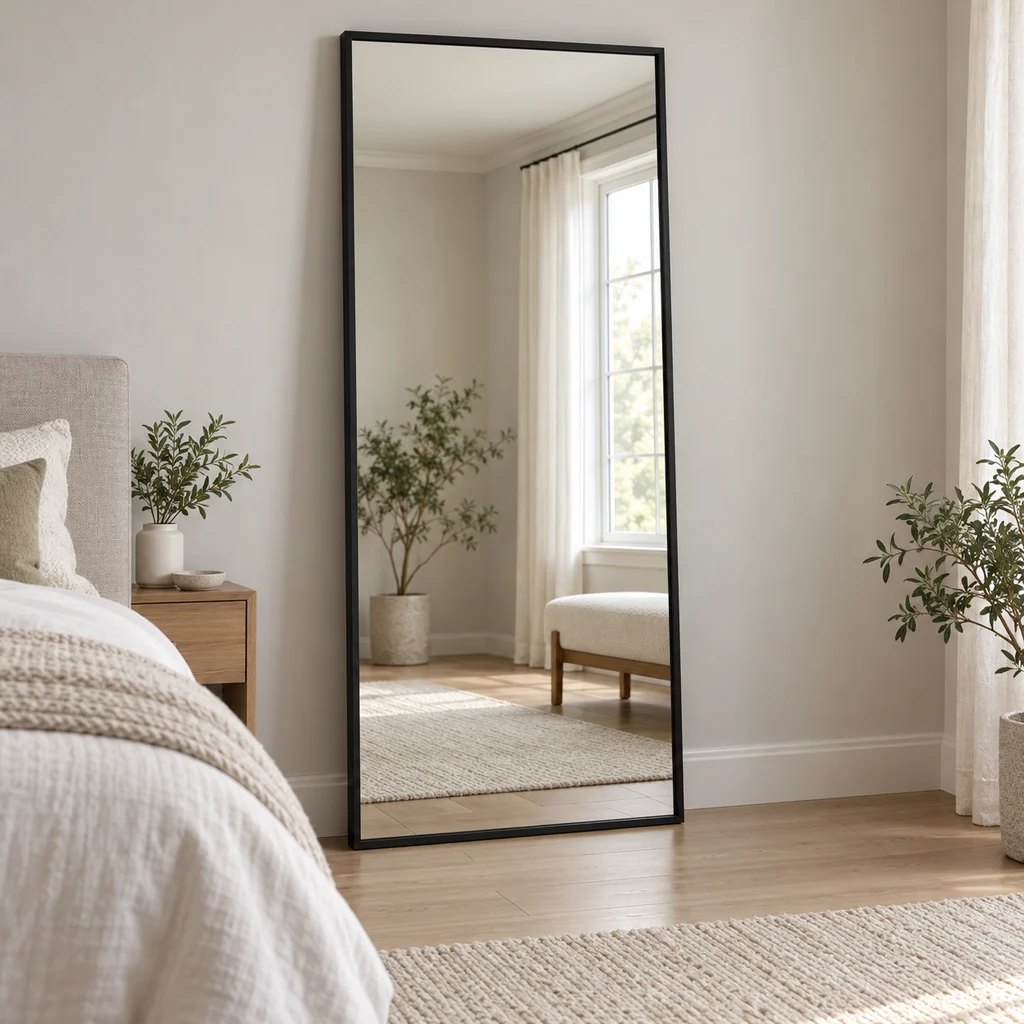
Floor mirror
What to check
A large floor mirror is heavy. Check whether it leans with a stand or should be fixed to the wall, especially with children or pets.
-
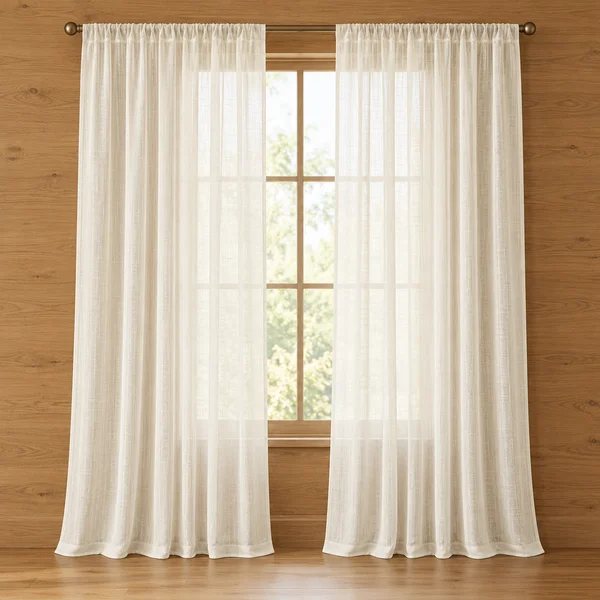
Ivory sheer curtains
What to check
Sheer curtains soften daylight but give little privacy at night. Pair them with a blind or blackout layer if you need it.
-
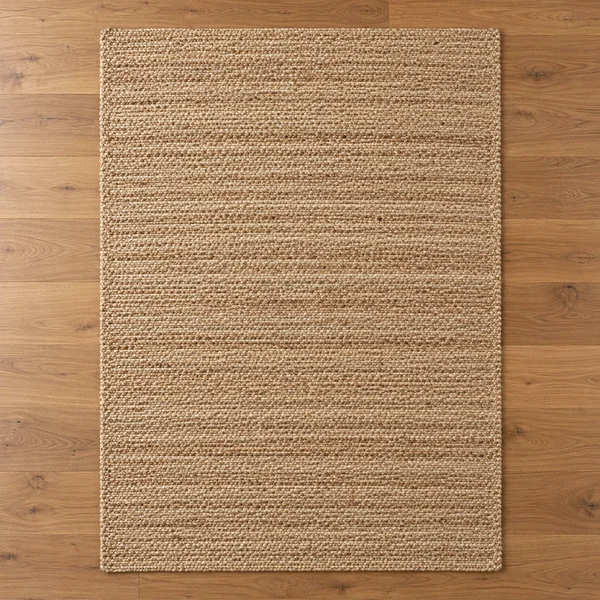
Natural woven bedroom rug
What to check
Jute is hard-wearing but coarse underfoot. Check the size against your bed so the rug extends past the sides.
-
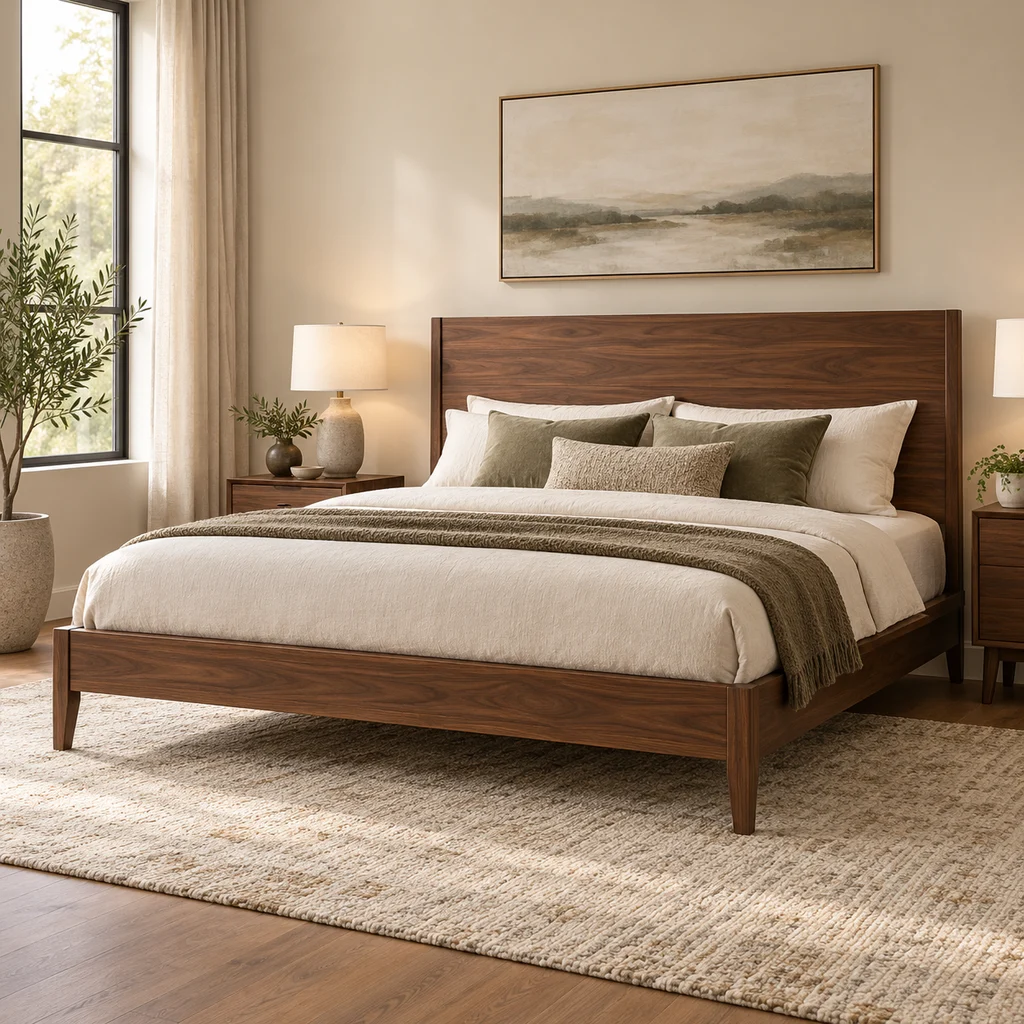
Platform bed
What to check
Check the clearance under the frame if you plan to slide storage boxes beneath it, and confirm the slat spacing suits your mattress.
-
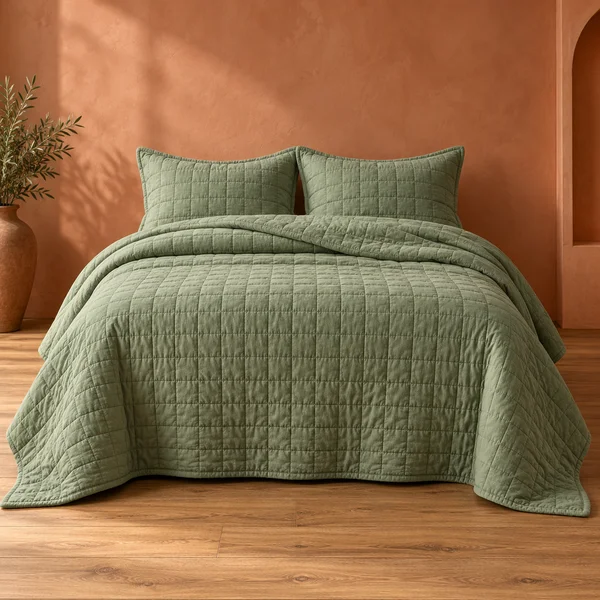
Sage green quilt bedding
What to check
Check whether the set includes pillowcases or shams, and the care label, before you buy.
-
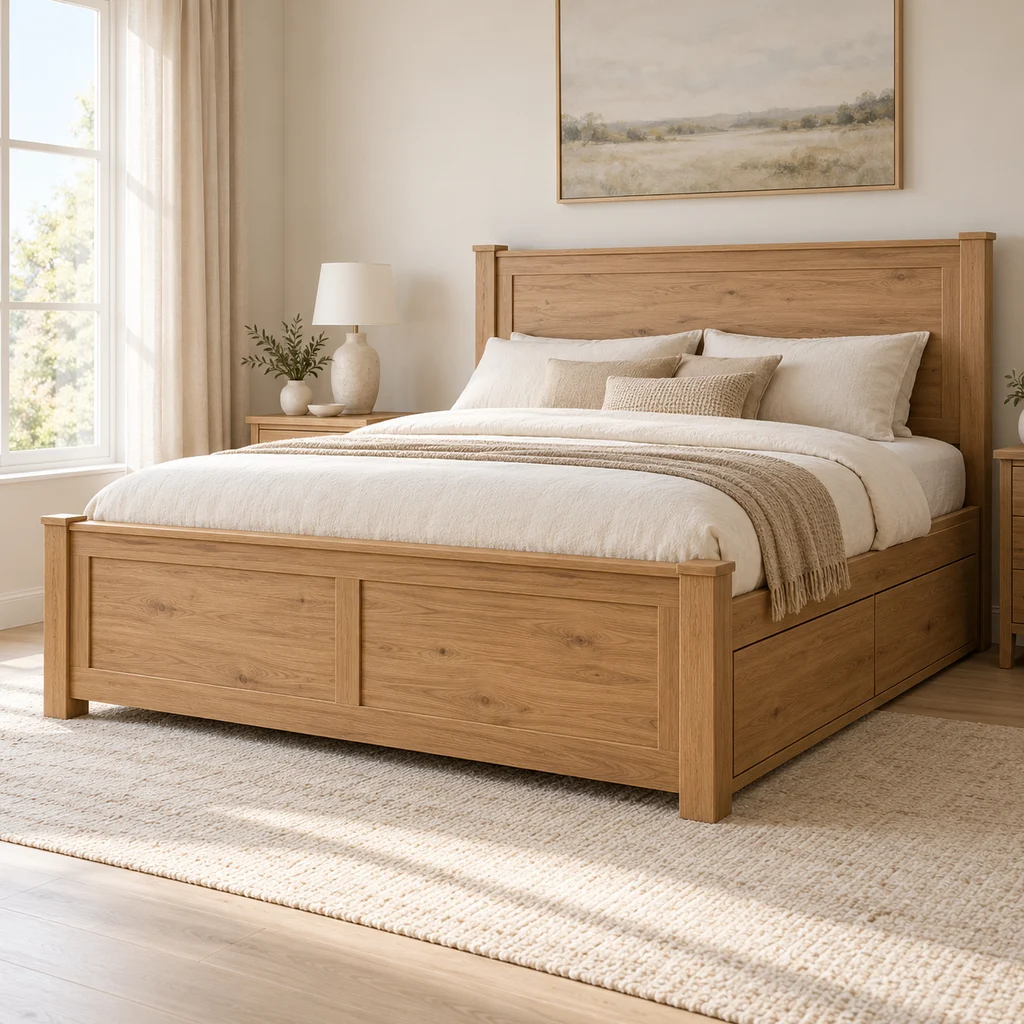
Storage bed
What to check
Drawers need clear floor space to open: check the gap between the bed and walls or nightstands on the drawer side.
The gallery
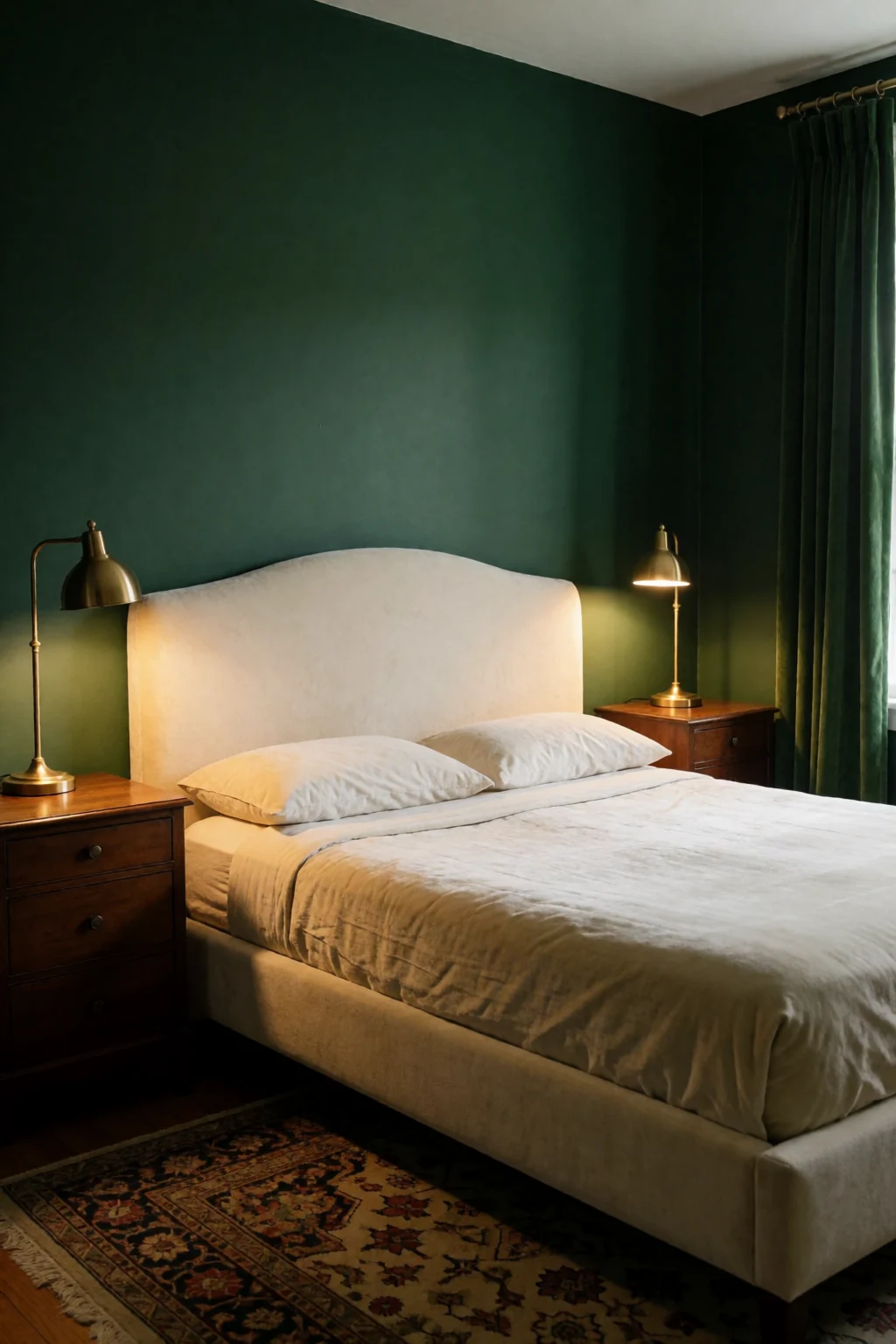
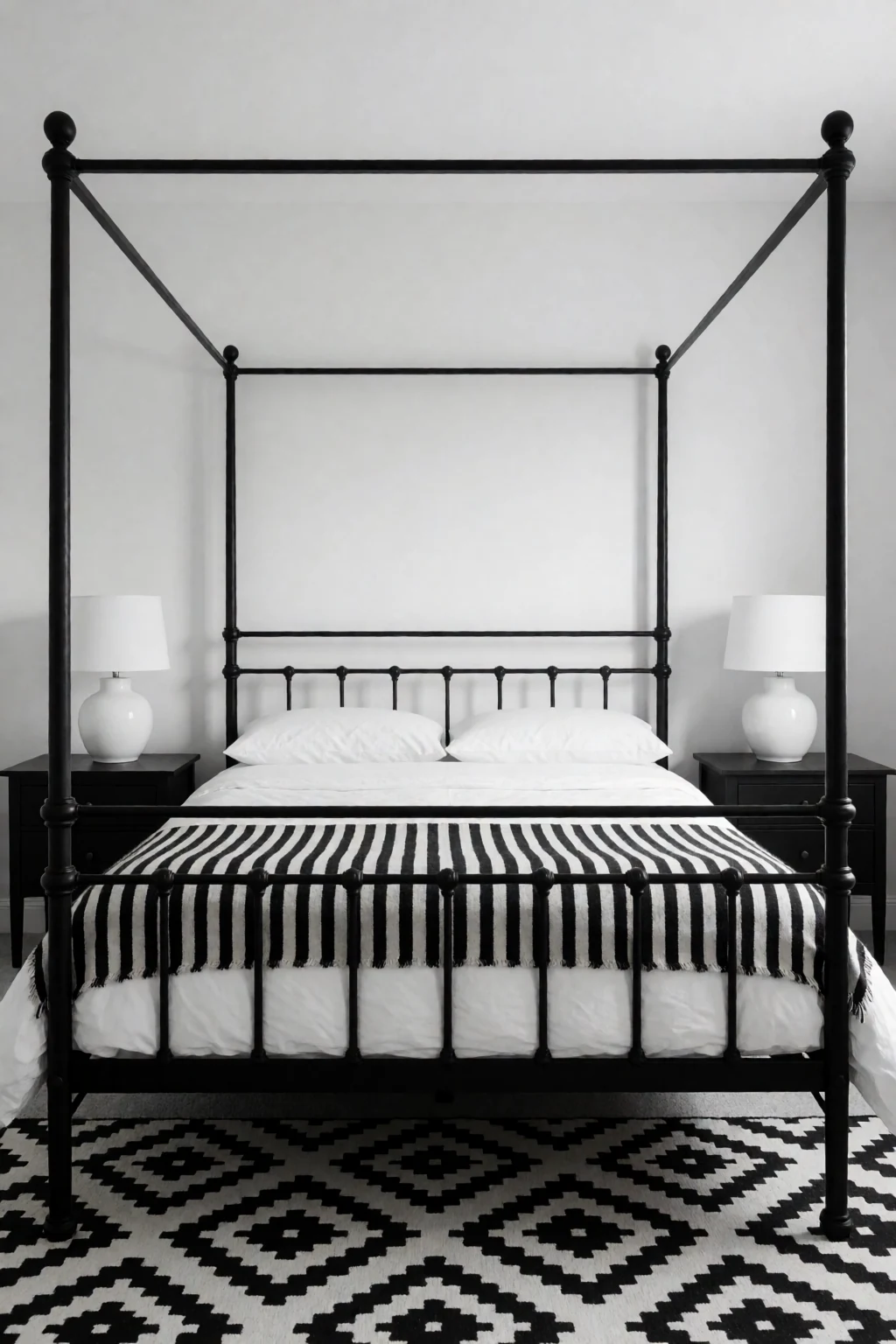
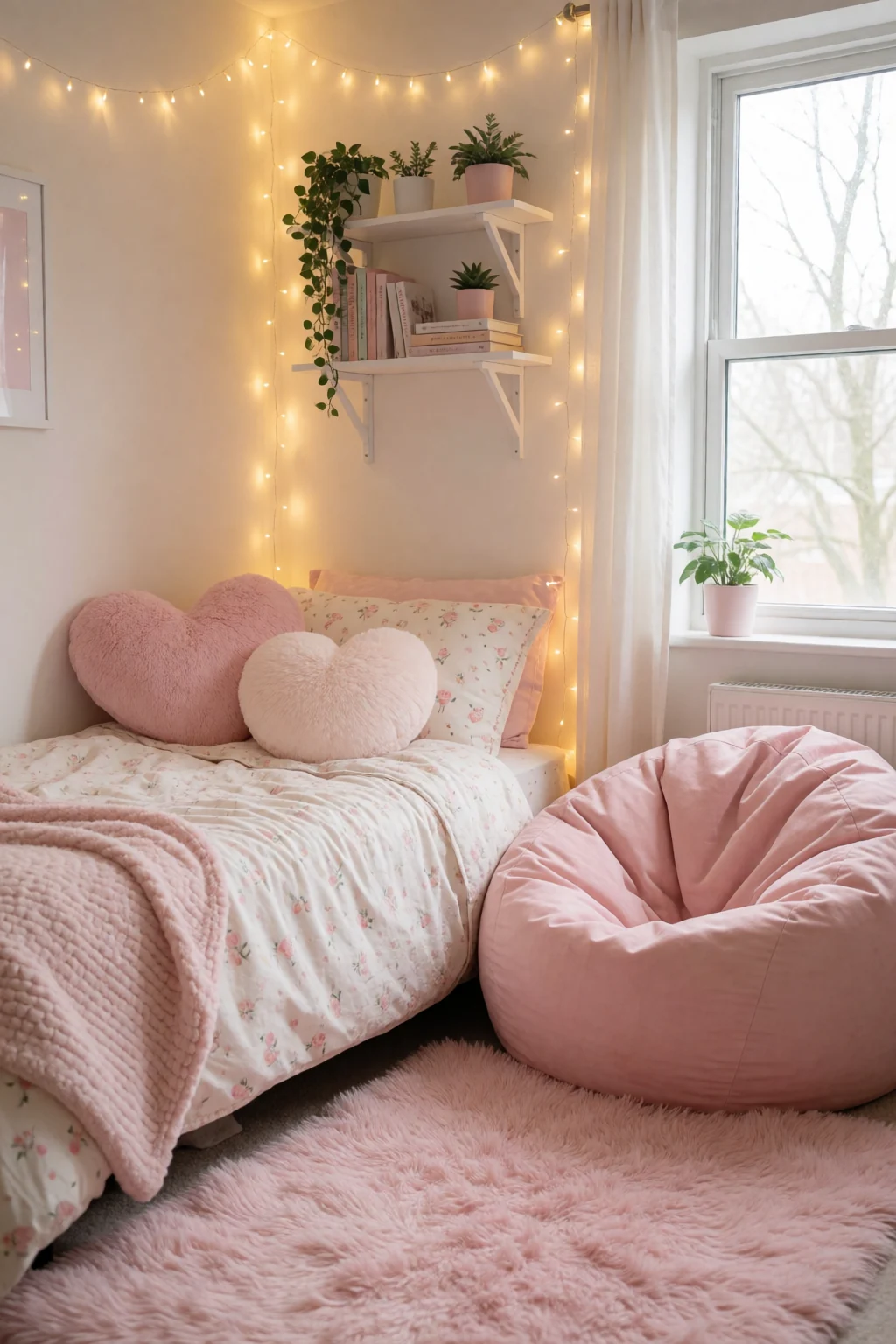
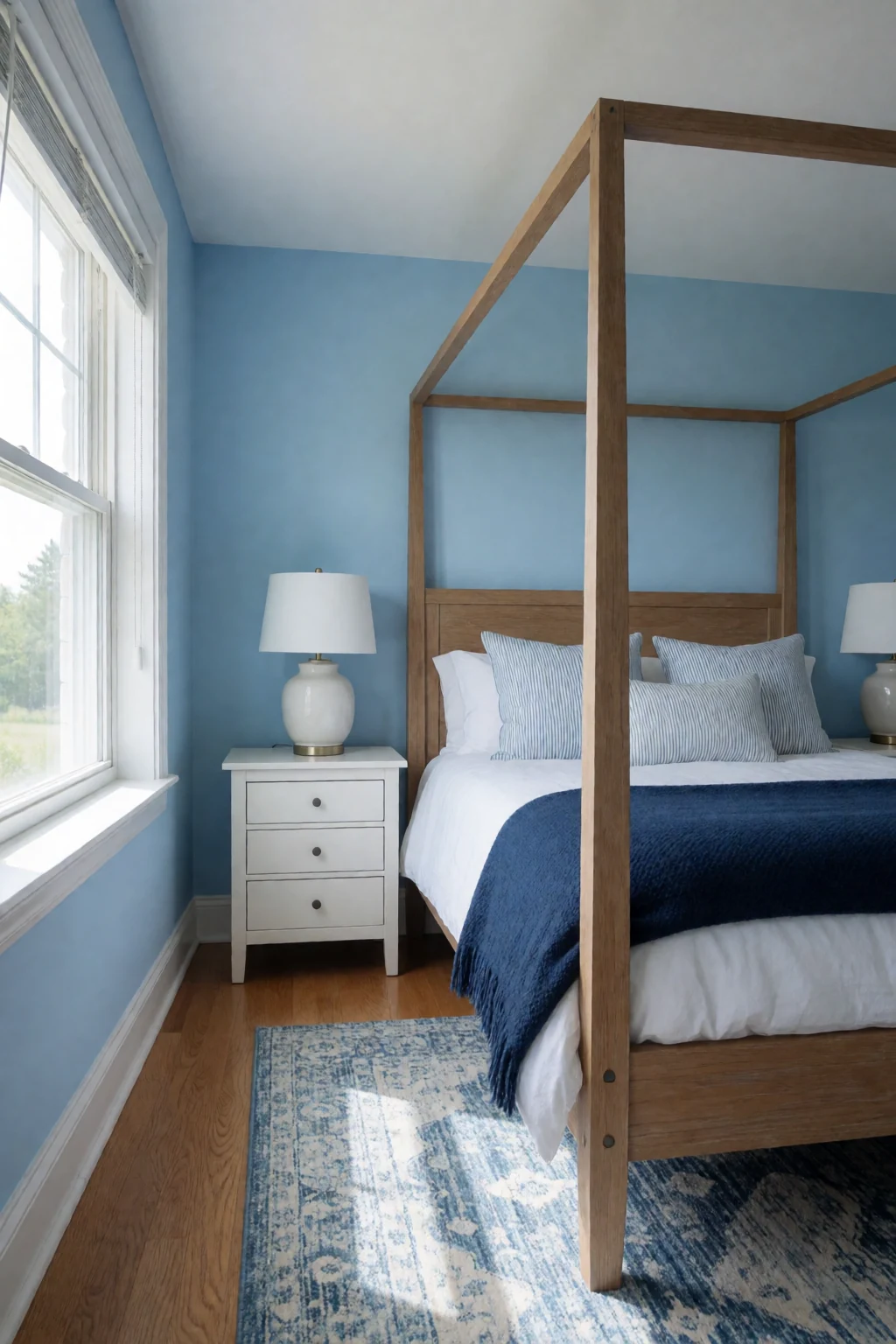
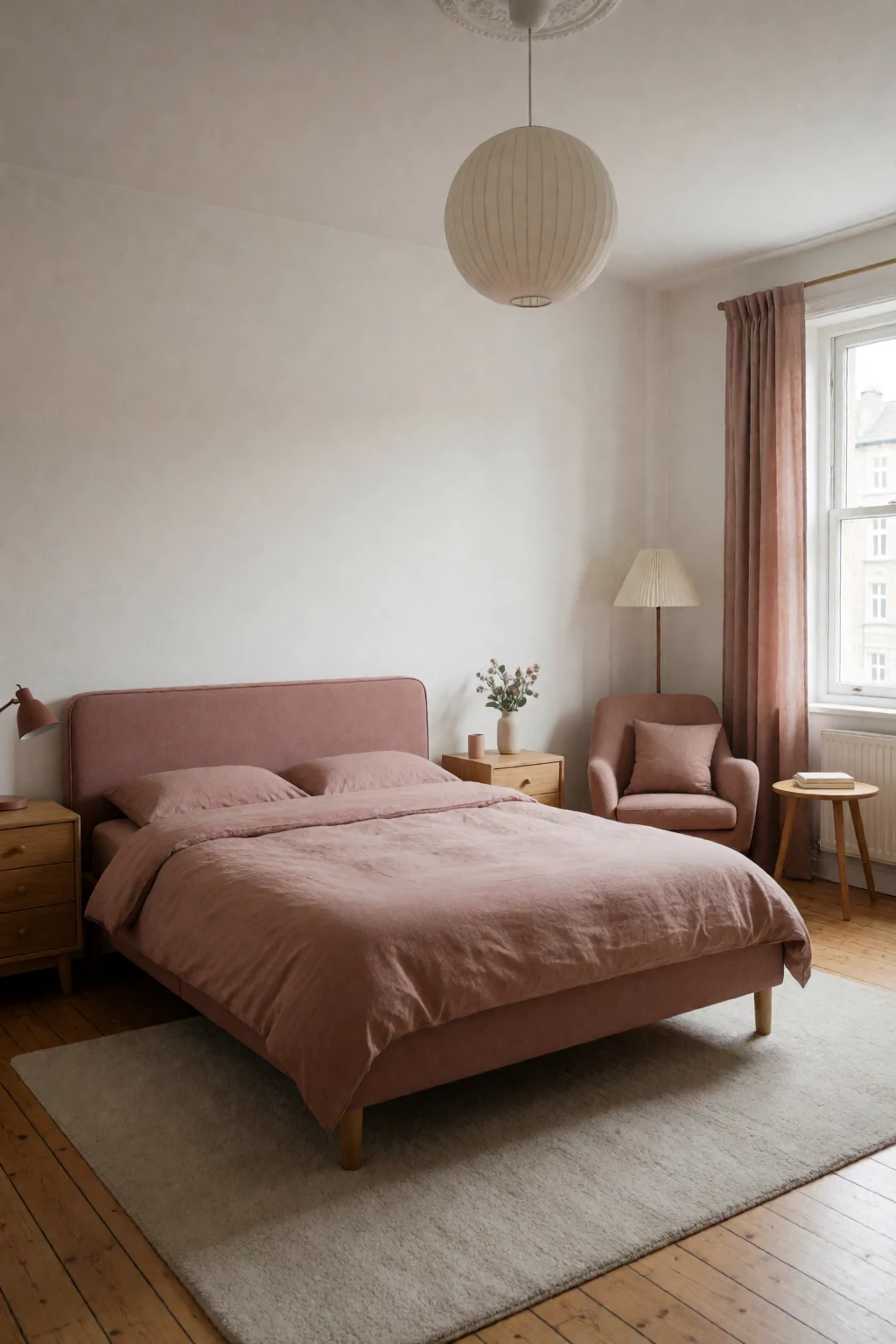
8 bedroom looks
Open a look to see its pieces.
Keep exploring
Related guides
 Work & gaming
A desk setup is about posture, screens and cables, while a tiny bedroom is about getting to the bed safely.
 Bathroom
A bathroom layout is about wet areas and the counter; a tiny bedroom is about floor clearance and sleep.
 Living room
A living room is arranged for groups; a tiny bedroom is arranged for one person's rest and storage.
Questions
How much space should I leave around the bed?
At least 24 inches on the side you use. In a very narrow room, one side can go right against the wall as long as the other has that clearance.
What bed size suits a very small bedroom?
A single or a double is usually the best balance. A queen fits in rooms about ten feet wide, but it takes most of the walking space and leaves little room for bedside tables.
How do I store clothes with no wardrobe?
A platform bed with drawers, a sturdy rail on a bare wall for everyday clothes, and high wall shelves for folded things and boxes.
Can the bed go under the window?
Yes, if no other wall works, as long as the headboard is low enough for the window to open. Choose cordless blinds or curtains so nothing hangs near the pillows.