Room ideas / Living room
Living room accent wall ideas that suit the room
An accent wall works best behind the sofa or media unit, in a colour or material that suits the room's light, repeated in a couple of small things elsewhere.
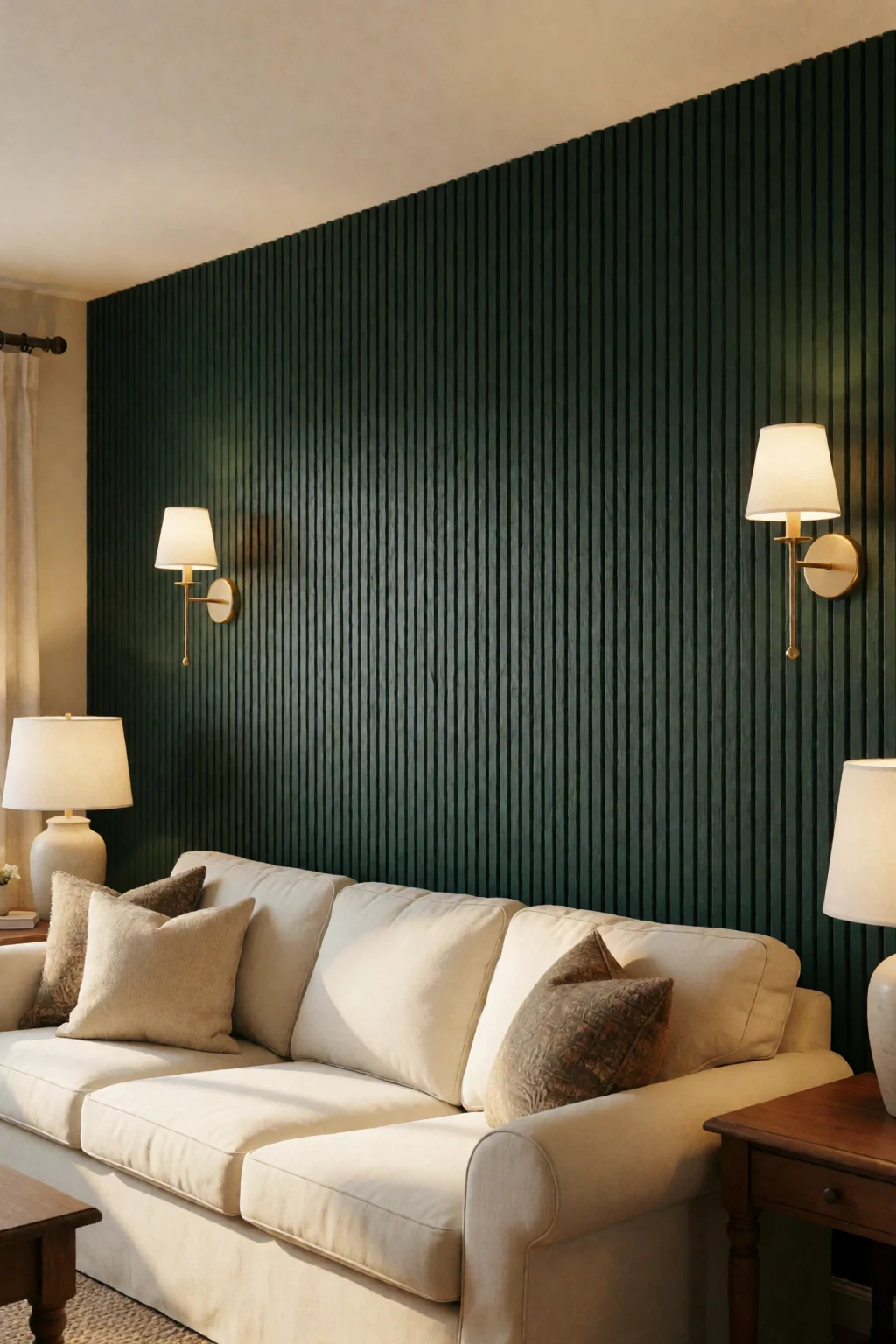
Three rules for picking the wall
- Choose the wall your eye lands on as you walk in, or the one behind the main seating.
- Match the weight of the finish to the light: dark colours and heavy textures absorb light, pale colours and slight sheens bounce it.
- Repeat the accent colour or material in at least two small things elsewhere, such as a cushion or a vase.
What one wall can do
An accent wall in a living room gives the furniture something to sit against, usually behind the sofa or media unit. You put colour, pattern or texture on one wall instead of repainting the whole room, and the seating area gets a clear backdrop.
It looks deliberate when it relates to what is already there: the floor colour, where the light comes from and the size of the furniture. Vertical wood slats against smooth plaster, or a dark matte paint behind pale armchairs, give a clear contrast. Lamps and pictures stay in proportion to the wall.
Muted colours, matte finishes, natural materials or a tidy set of frames suit a room you live in every day. High-gloss paint glares, and busy prints tire quickly. Doing one wall also keeps the cost and the weekend of work small.
Five accent walls to try
- Dark matte paint and brass lights
- The sofa wall in a flat charcoal or olive, with two plug-in brass wall lights above the sofa back. A pale sofa stands out against it.
- Wood slats and a low unit
- Oak slat panels on the TV or sofa wall, a low walnut media unit or bench in front, and a trailing plant on top. The slats add grain and soften echo.
- Small botanical wallpaper
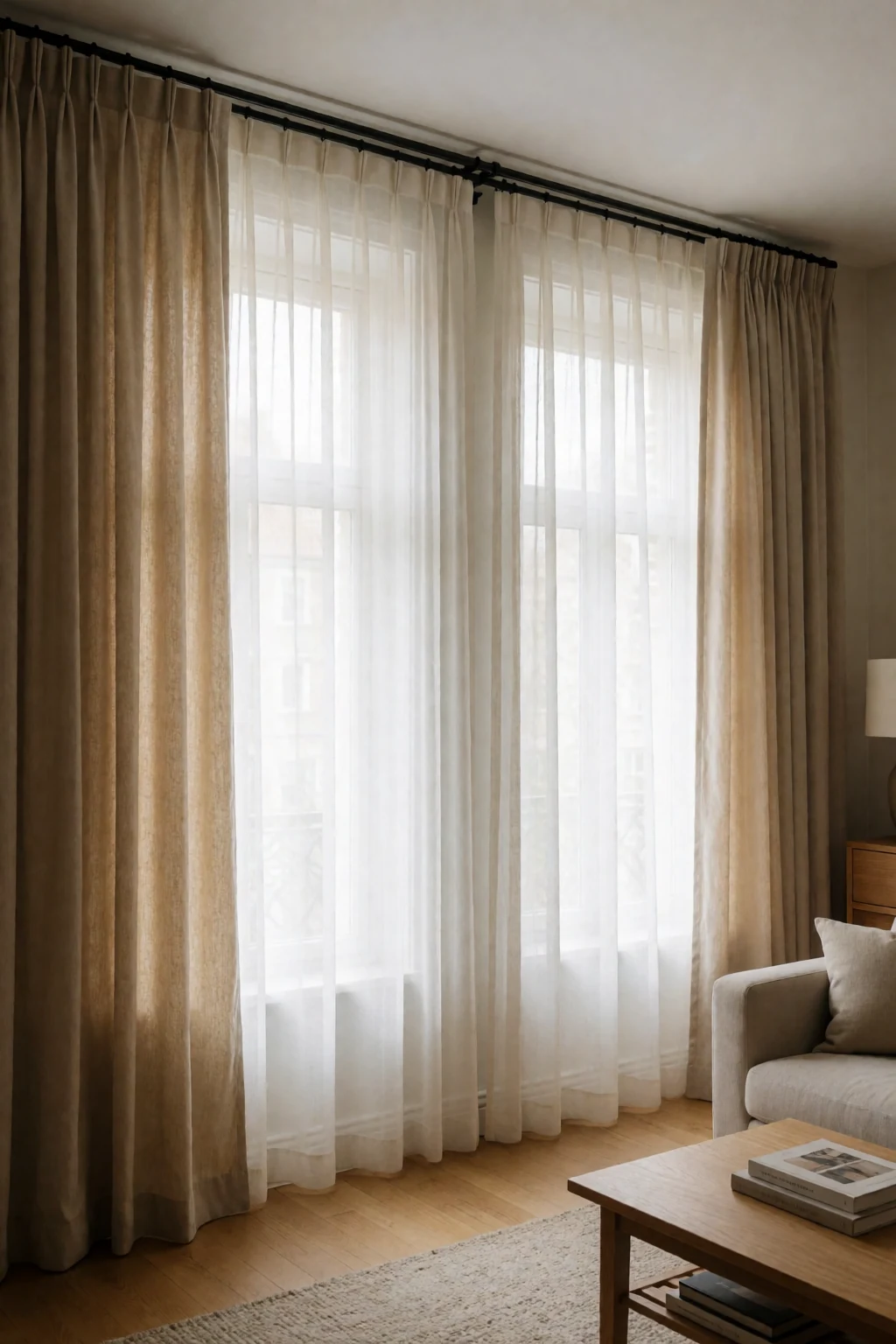
- Peel-and-stick wallpaper with a small botanical pattern behind the seating, sheer linen curtains on the window beside it, and plain wooden frames for any art.
- Picture ledges
- Three shallow picture ledges on a plain wall, with prints in one palette, such as black-and-white photographs in cream mounts. You can swap the art without making new holes.
- A painted arch
- A large arch painted behind the sofa in a deeper shade of the wall colour, with one small piece of art inside it. It gives shape without any building work.
Light, scale, renting and prep
- Which way the room faces
- North-facing rooms get cool light that can make dark paint look stark or blue; south-facing rooms warm deep colours up. Put samples on the actual wall and look at them morning, midday and evening before committing.
- Size of the furniture
- The treatment should suit what sits in front of it. A small cluster of frames looks lost behind a big corner sofa, and heavy panelling can swamp a small loveseat. Measure the wall and the furniture to keep the proportions right.
- Renting or owning
- Paint and peel-and-stick wallpaper are easy to undo. Wood slats and tiles leave holes and need patching when they come off. If you rent or like to change things often, start with the easy ones.
- Preparation and cost
- Wallpaper and slats need a smooth, primed wall, which adds time and cost. Paint needs the least prep but careful taping and cutting in. Count the tape, adhesive and primer in the budget, not just the main material.
Prepare the wall, then finish it
Look closely at the wall first. Fill old nail holes, sand rough patches and wipe off the dust so paint or adhesive grips. If you are painting a dark colour over a bright one, use a tinted primer. For wallpaper or slats, find the centre of the wall and draw a vertical line with a level so the first piece goes up straight.
For paint, cut in along the ceiling, skirting and side walls with an angled brush, then roll the rest with a medium-pile roller. For slats or peel-and-stick paper, work from the centre outwards or from the top down, smoothing out bubbles with a plastic smoother. When it is dry, move the sofa, media unit or lights back, step back to check the balance, and only then add pictures or plants.
Shop the pieces
14 living room pieces
Links open similar items, not the pictured ones.
-
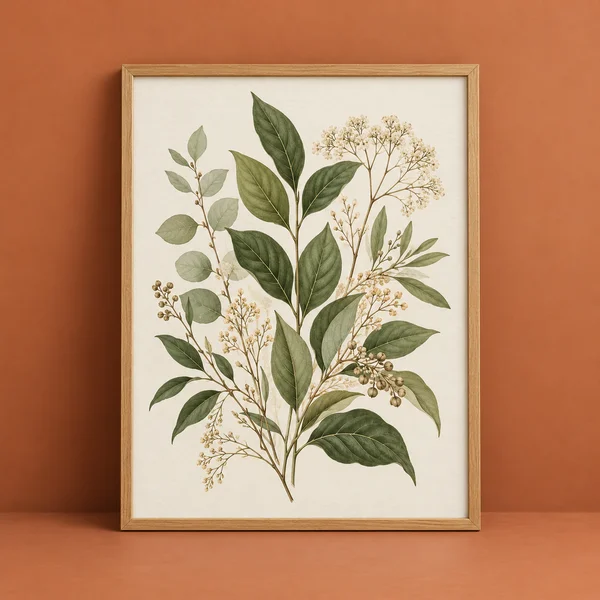
Botanical wall art print
What to check
Measure the wall and plan the spacing between frames before you hang a set. Paper templates on the wall help.
-
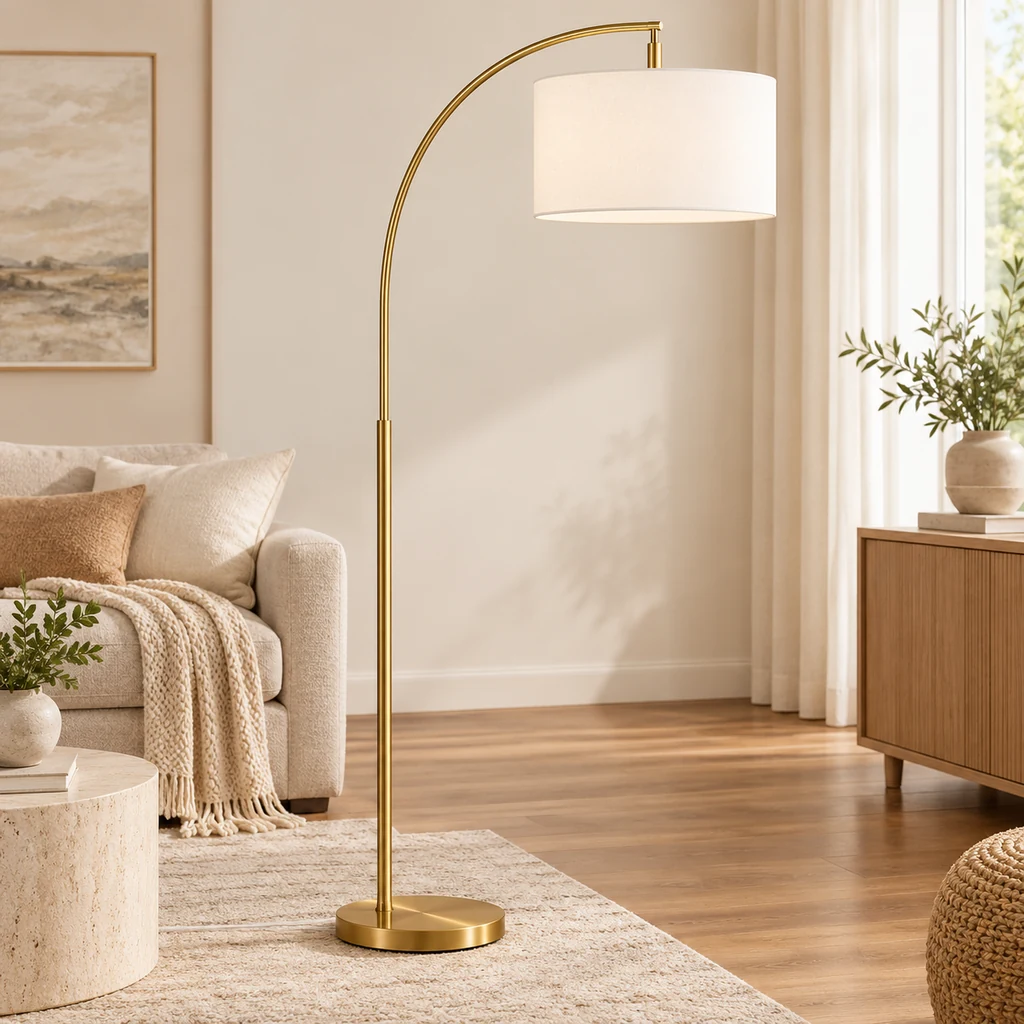
Floor lamp
What to check
Measure the arc reach and the floor space for the base. Arc lamps need weight at the base to stay steady.
-
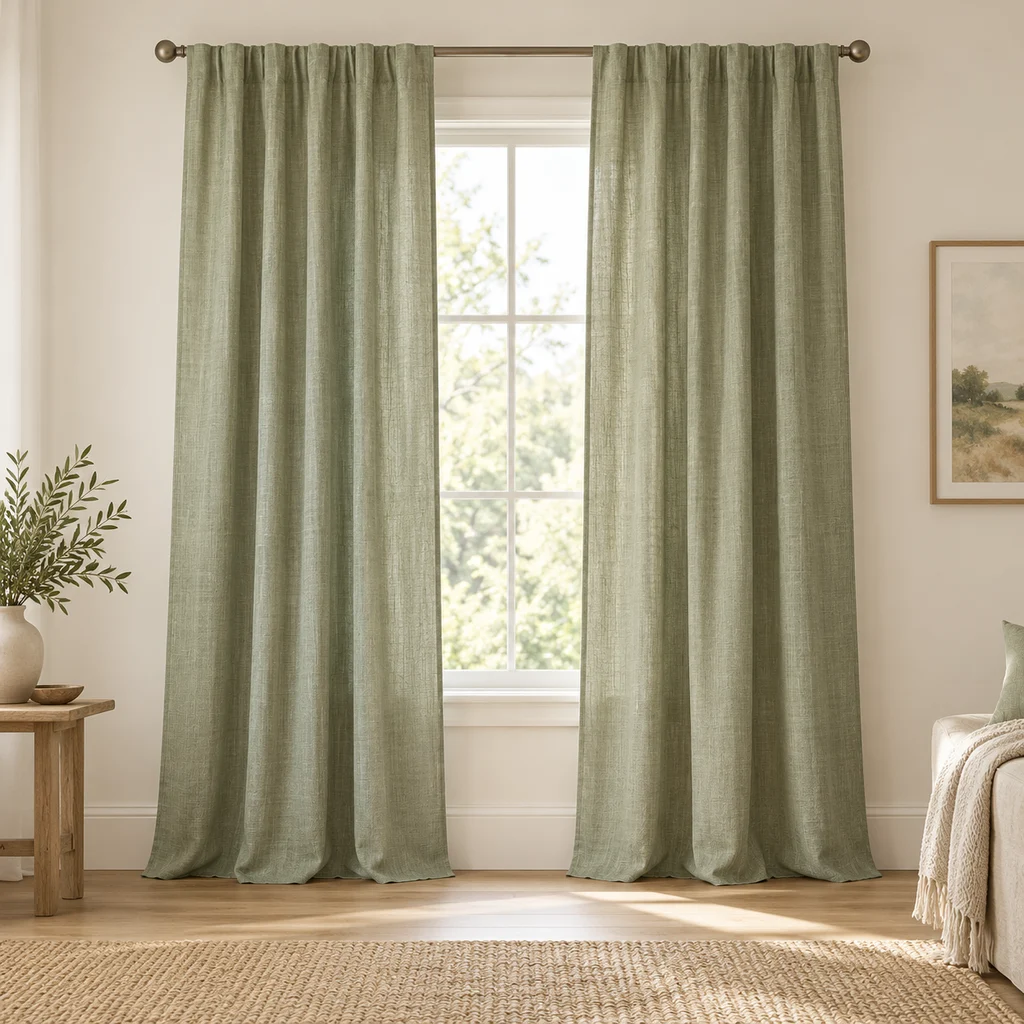
Linen curtains
What to check
Measure the window width and the drop from the rail to the floor. Curtains look fuller when the pair together is about twice the window width.
-
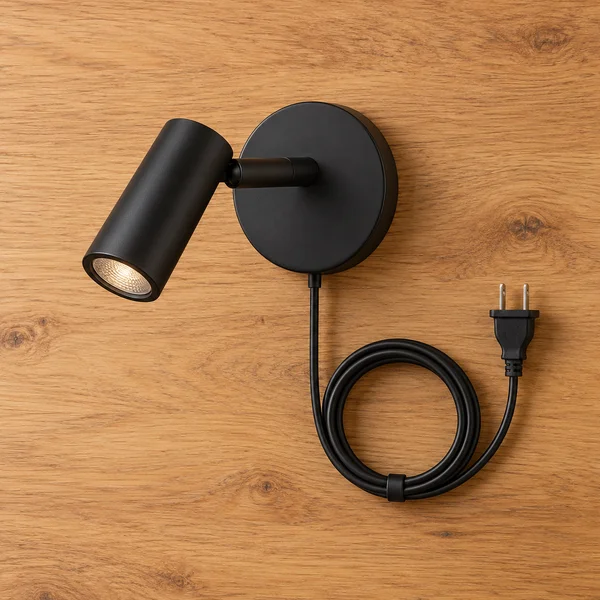
Plug in wall reading light
What to check
Mount the light high enough to clear your head when sitting up, and check the plug reaches an outlet.
-
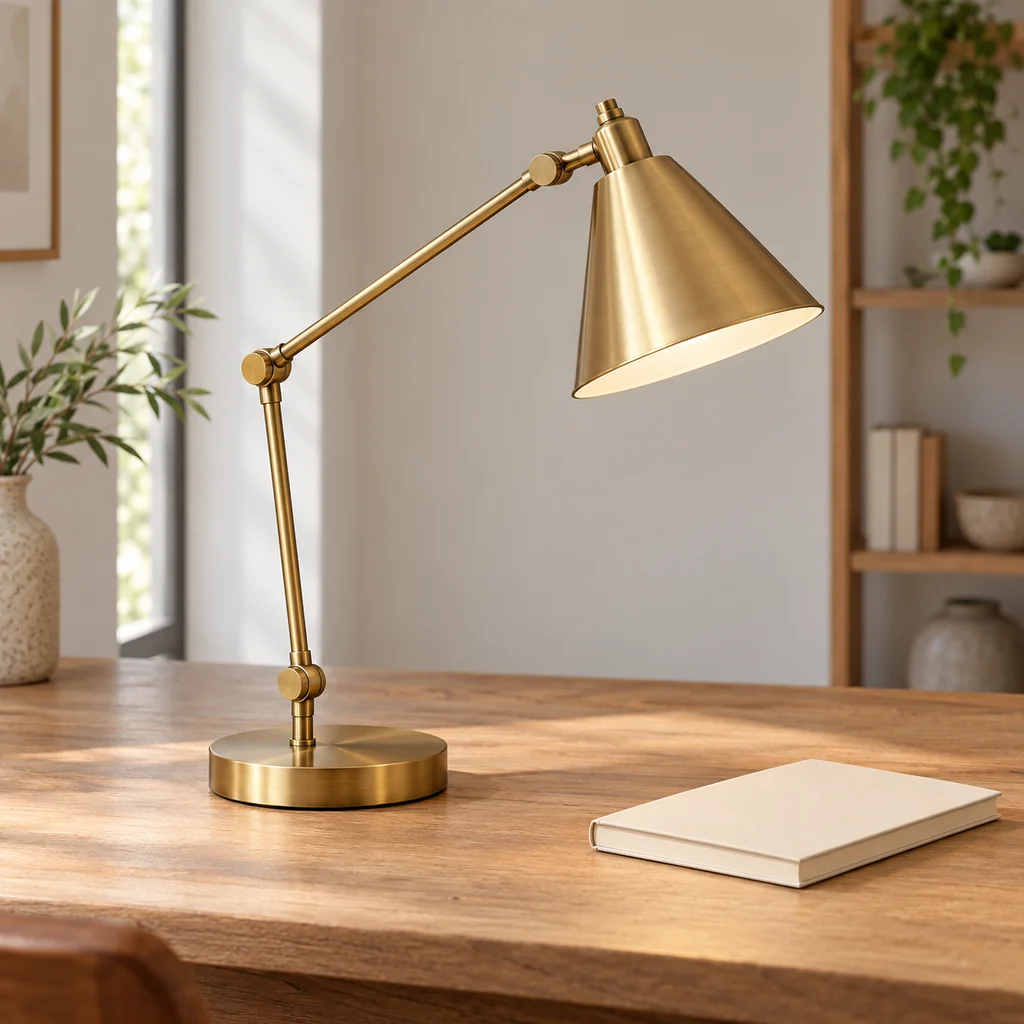
Task lamp
What to check
Place a desk lamp on the opposite side to your writing hand so your hand does not throw a shadow on the page.
-
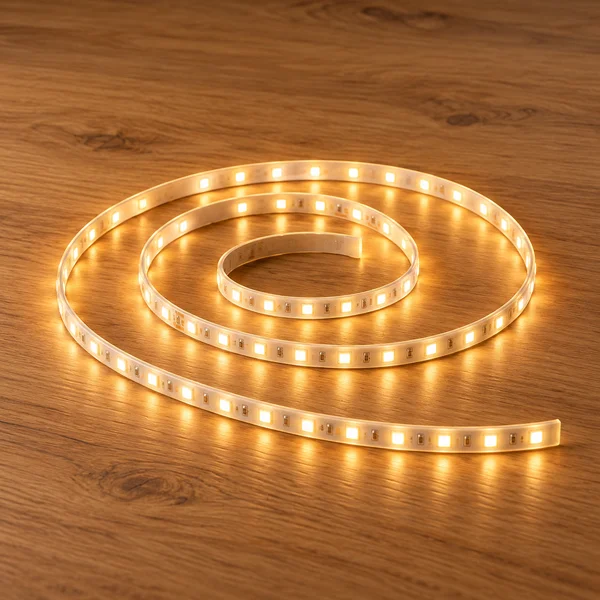
Warm white LED strip light
What to check
Measure the length you want to light and check the warm white colour temperature suits the room.
-
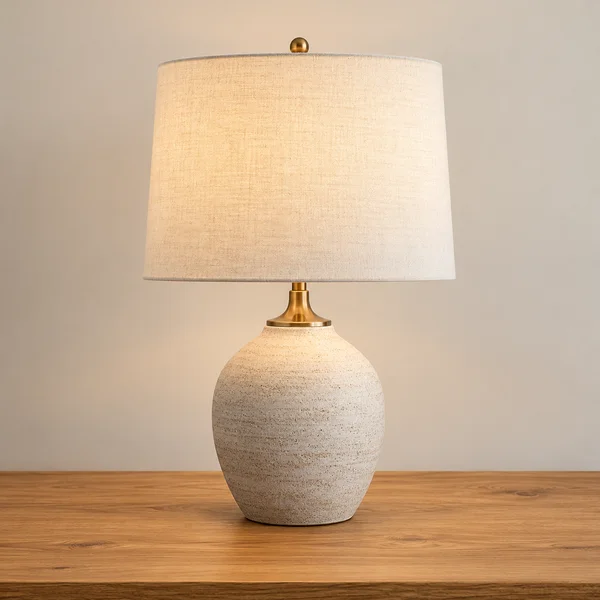
Bedside table lamp with shade
What to check
A shaded lamp spreads soft light. Check the bulb type and the shade height against your bedside table.
-
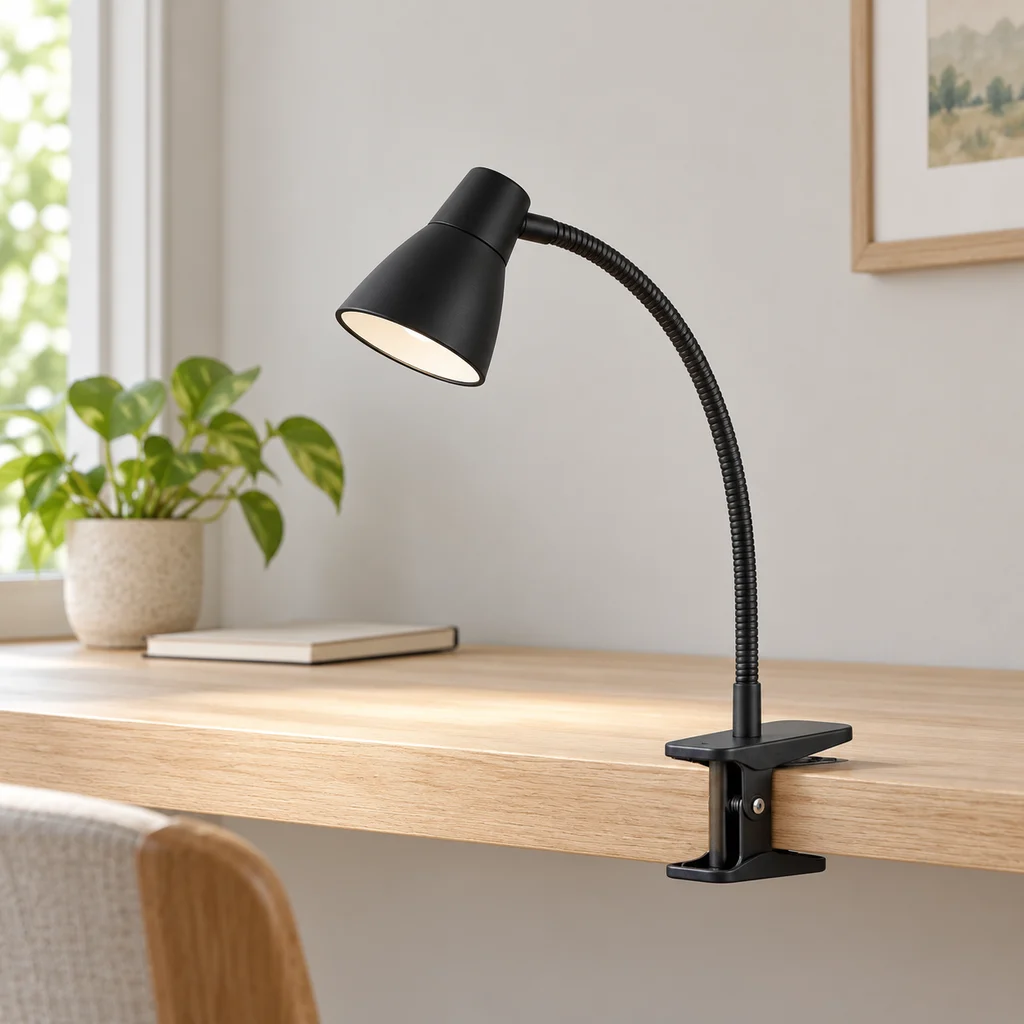
Clip lamp
What to check
Check the clamp opening fits your desk edge or shelf, and that the cable reaches an outlet without stretching.
Show all 14 pieces
-
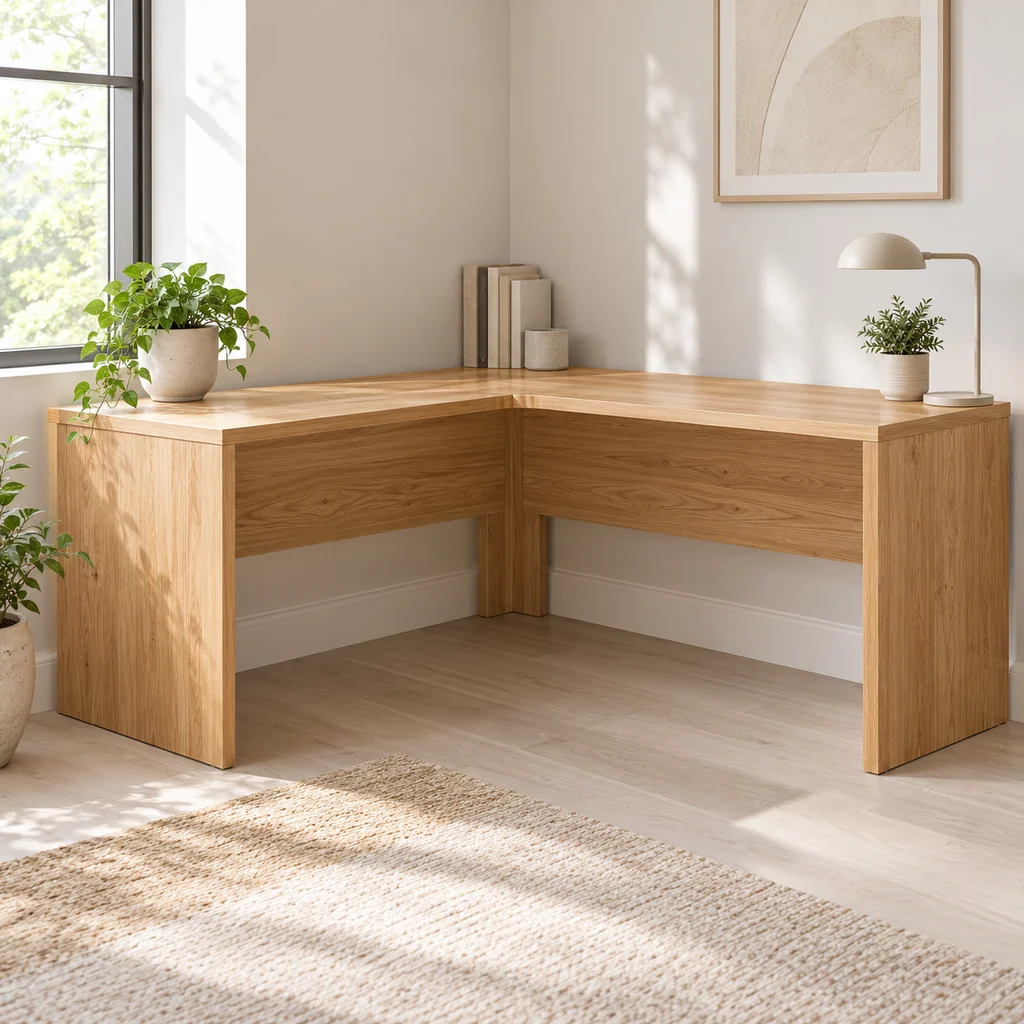
Corner desk
What to check
Measure both walls and the diagonal path into the room. Large L desks often arrive in heavy flat-pack boxes.
-
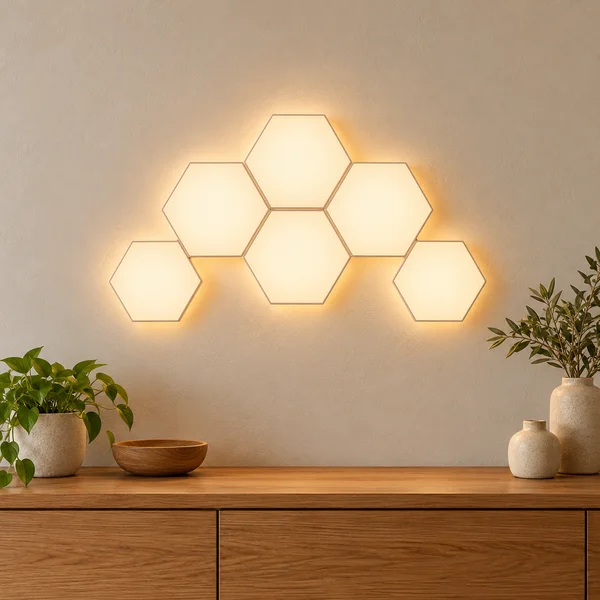
Hexagon wall lights
What to check
Light panels stick on with adhesive pads, which can pull paint off when removed. Plan the shape on paper first and check where the power cable will run.
-
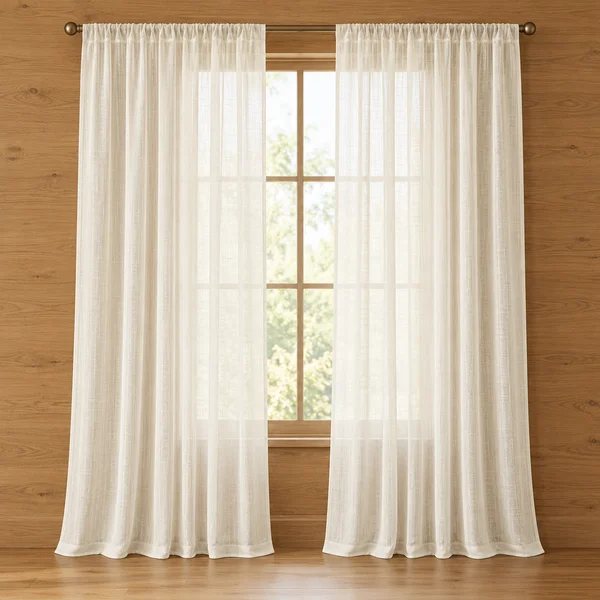
Ivory sheer curtains
What to check
Sheer curtains soften daylight but give little privacy at night. Pair them with a blind or blackout layer if you need it.
-
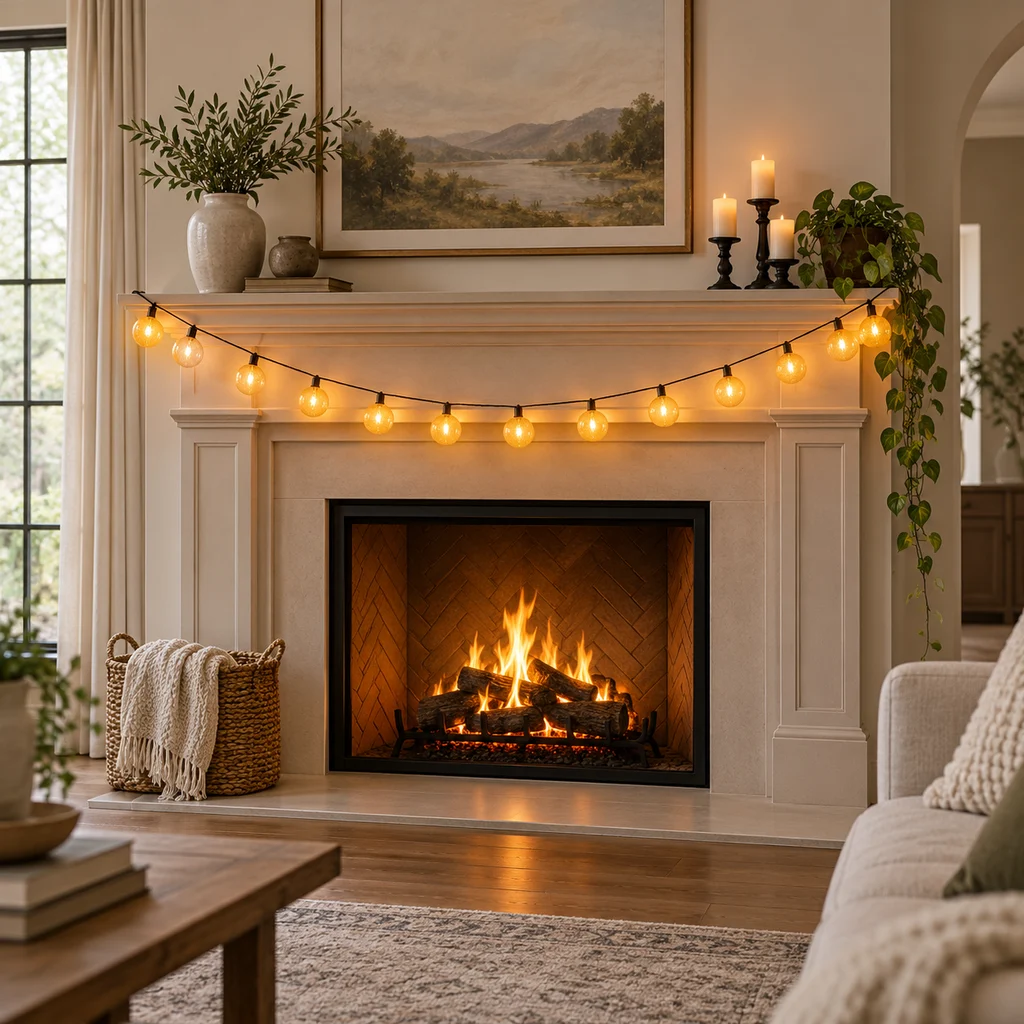
String lights
What to check
Check whether the lights are rated for indoor or outdoor use and how far the plug is from where you will hang them.
-
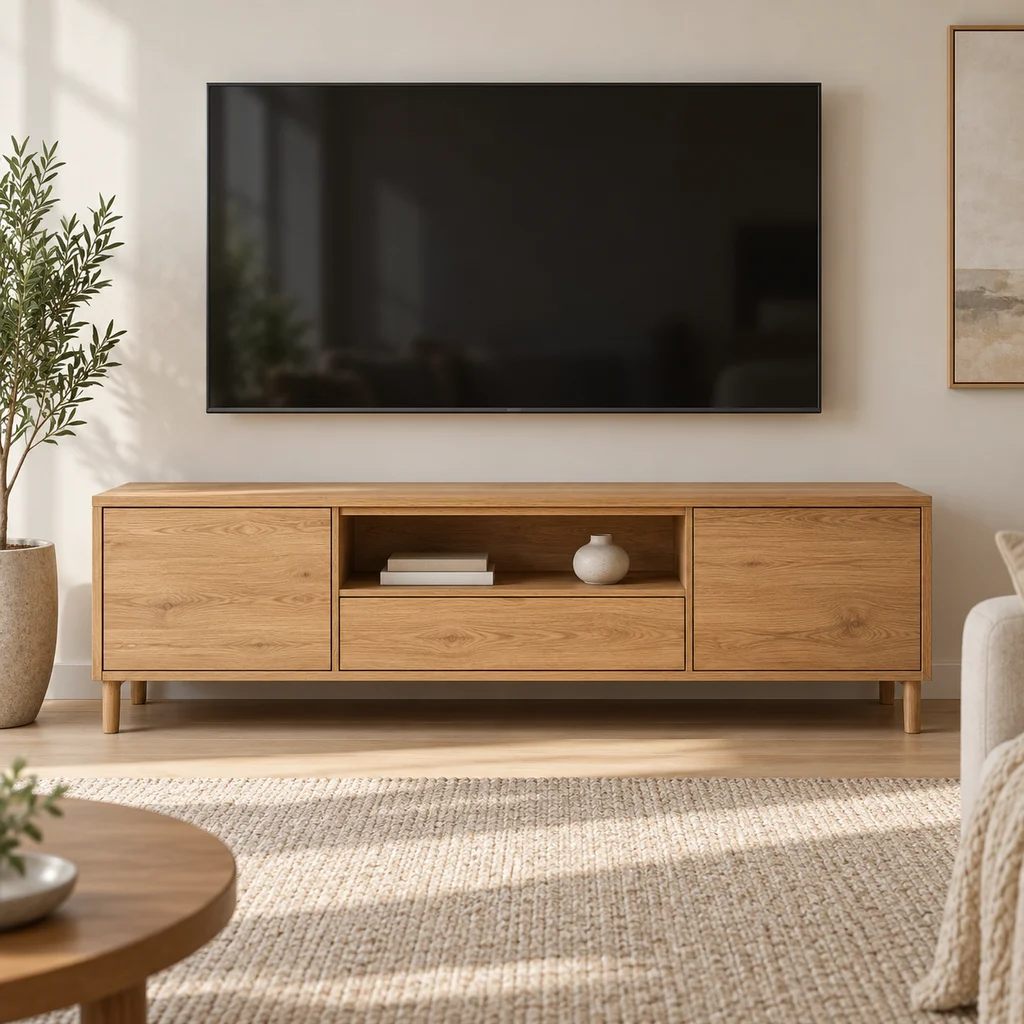
TV stand
What to check
Check the stand width is wider than the TV and that it holds the TV's weight.
-
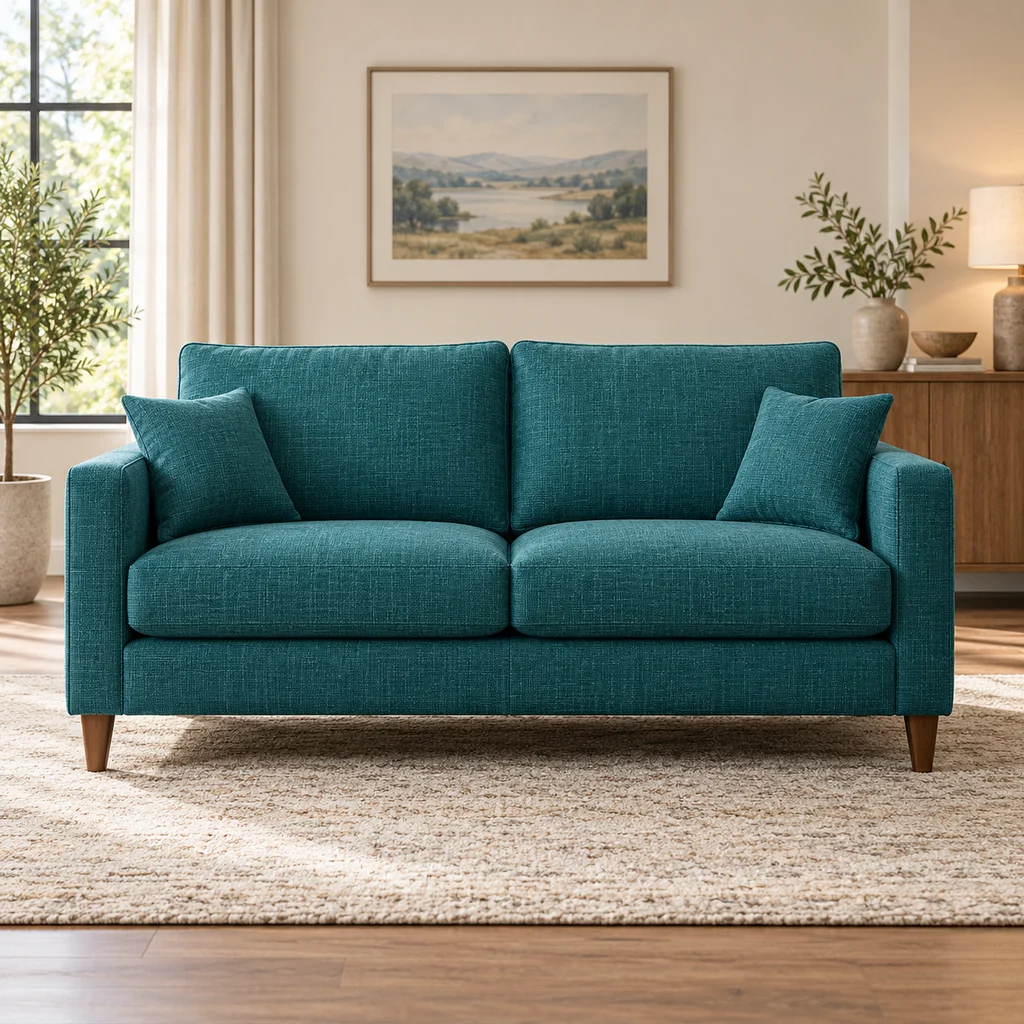
Two-seat sofa
What to check
Measure the doorway, stairs and any tight corners on the way in, not just the floor space for the sofa.
The gallery
8 living room looks
Open a look to see its pieces.
Keep exploring
Related guides
 Bedroom
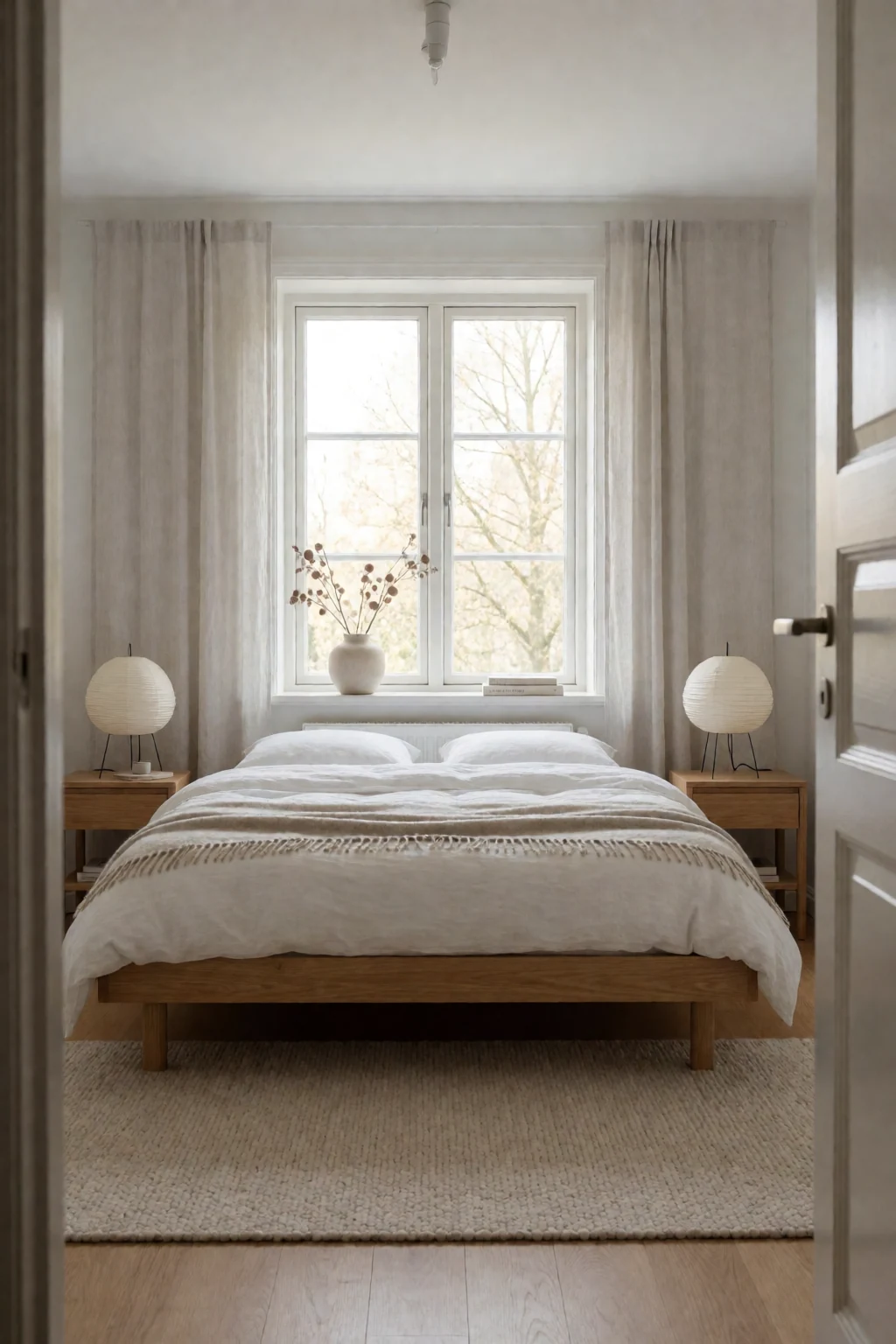
A bedroom accent wall is usually a calm backdrop for the headboard; a living room accent wall sits behind the sofa and TV.
 Work & gaming
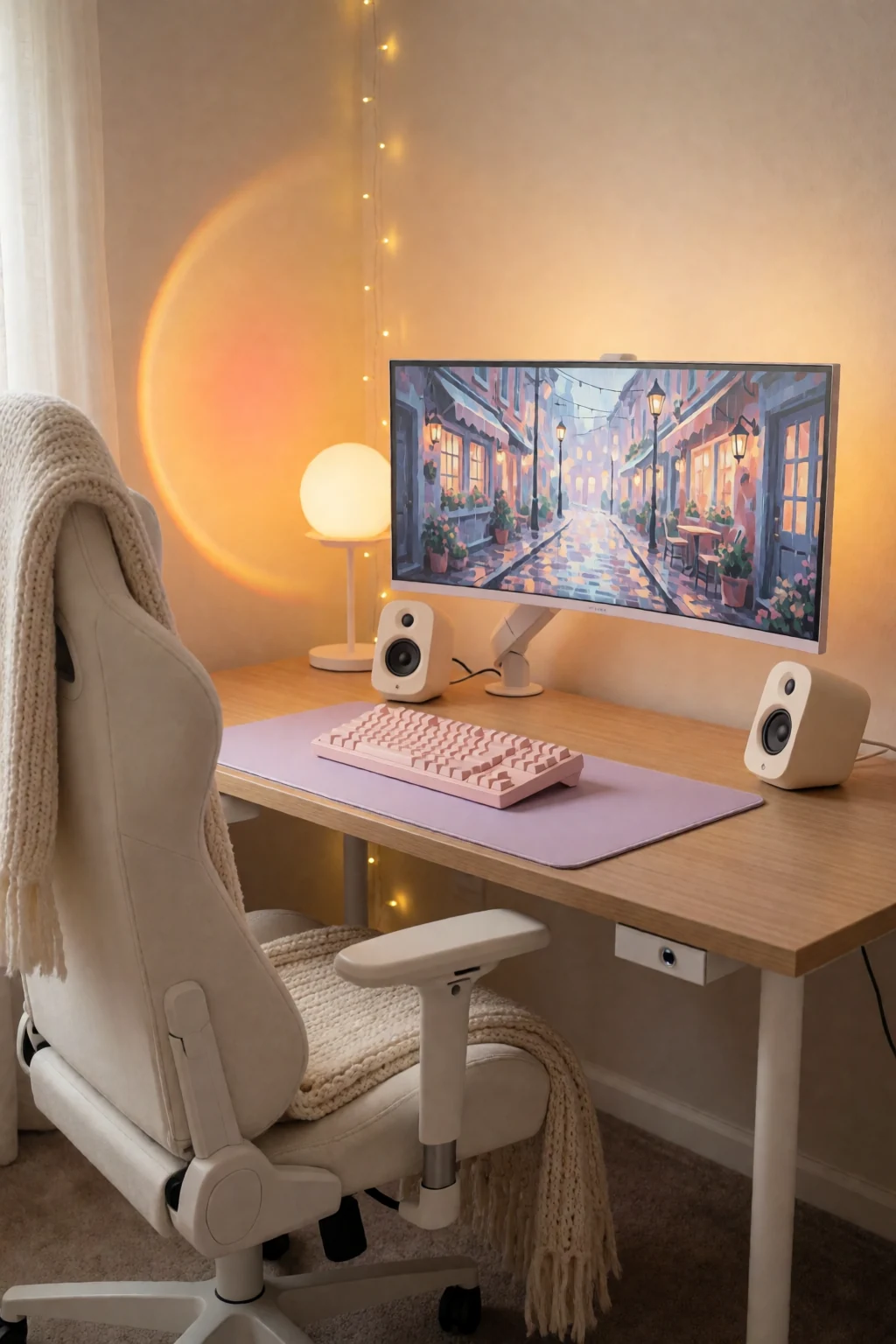
A desk setup is about cables, screen height and task light; an accent wall is about colour and balance across the whole room.
 Bathroom
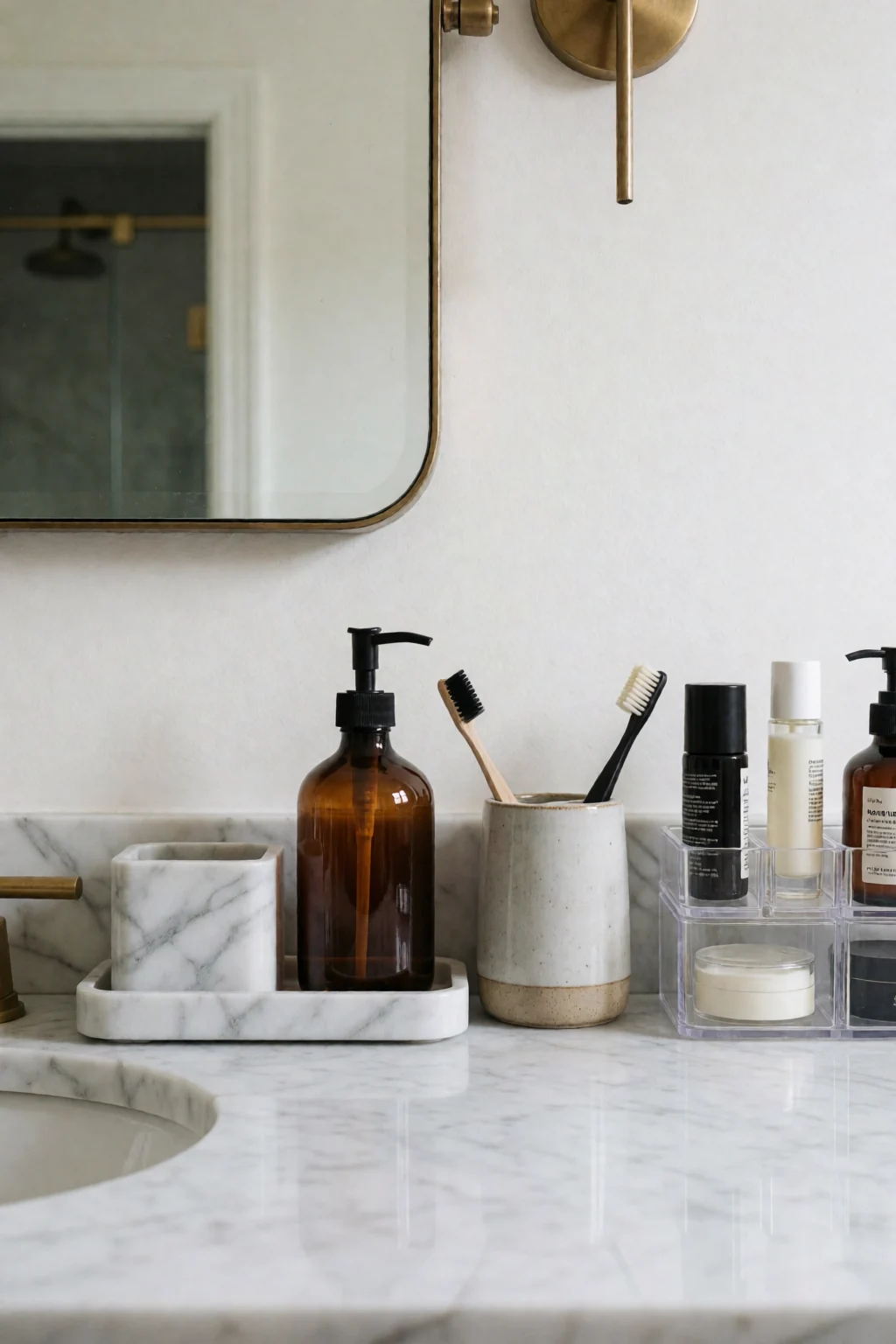
 feature walls need damp-proof tiles or panels, while living room walls can use paint, paper and wood.
Questions
Which wall should be the accent wall?
The one you see as you walk in, usually behind the sofa or the media unit. Avoid a wall broken up by several doors or windows.
Can a small living room have a dark accent wall?
Yes. A dark wall can make a small room feel cosy and give it depth. Pair it with paler seating, good lamps and clear windows so it does not feel heavy.
How do I hang art on wood slats?
Use clips that slide between the slats, or screw light frames into a slat through a pilot hole. For heavy pieces, fix through the slats into the studs behind.
Does peel-and-stick wallpaper come off cleanly?
Good-quality paper usually peels off slowly from a top corner without damage if the wall was primed first. Wipe any leftover adhesive with warm soapy water.