Room ideas / Living room
Living room curtain ideas: height, width and how much light to let in
Curtains change how tall a living room looks and how bright it feels. Hang them high and wide, give them enough fabric to fold, and pick a weight that matches how much sun the window gets.
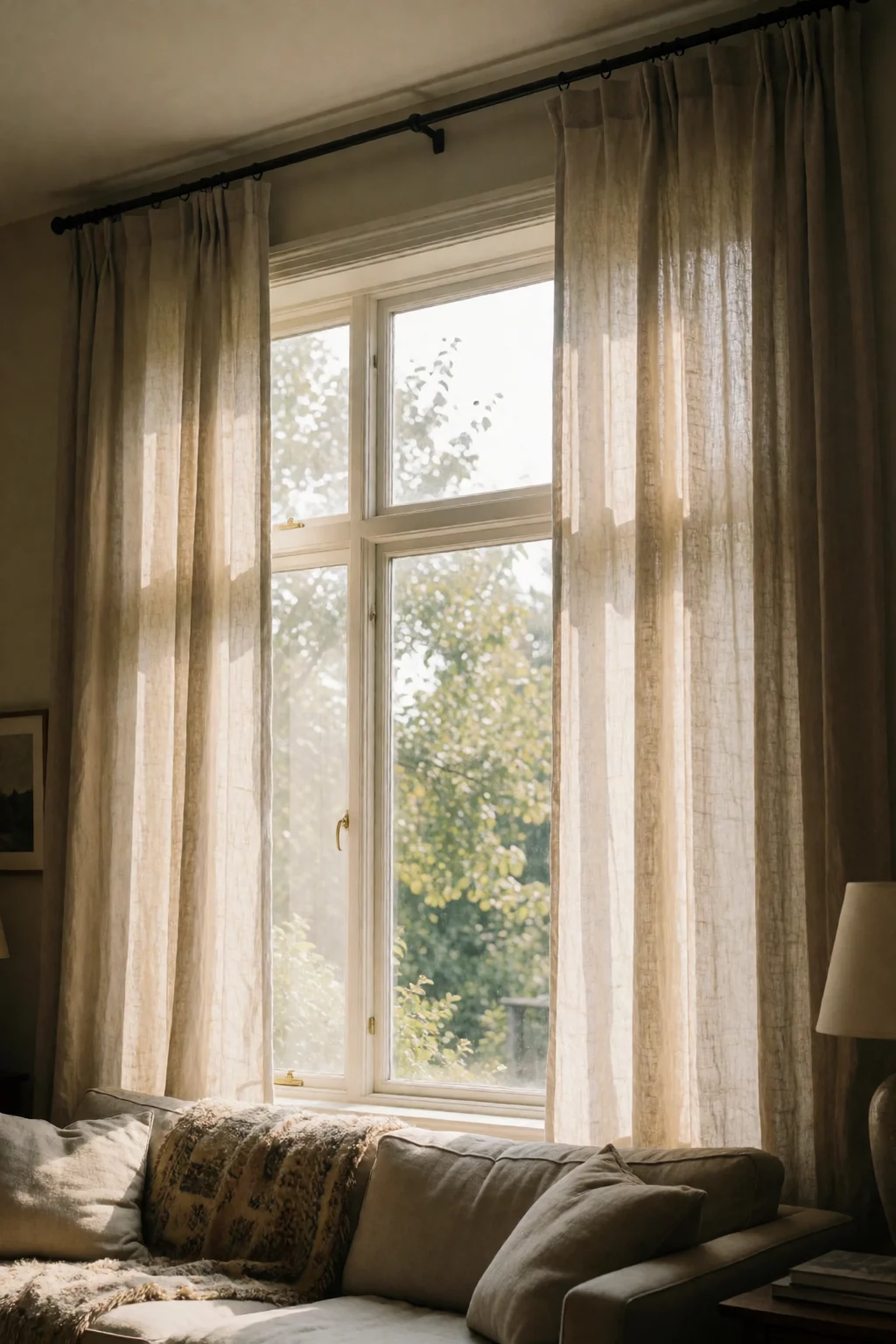
Three measurements that matter
- Mount the rod four to six inches above the frame, or closer to the ceiling, and run it several inches past the frame on each side.
- Choose the fabric for the job: sheer or light linen to soften glare, lined cotton for warmth and evening privacy.
- Buy panels with a combined width of one and a half to two times the rod, so they hang in soft folds when closed.
What curtains do to a room
In a living room, curtains change the sense of scale and the light. Panels that reach past the window frame make the ceiling feel higher, a lighter fabric softens afternoon sun without darkening the room, and the right length keeps fabric clear of radiators.
Curtains look right when three things line up: the rod is high, closer to the ceiling than to the top of the frame; the panels are full enough to fold; and the length reaches the floor. Layering a sheer with a heavier curtain gives you daytime privacy and evening darkness. Rods that match the room's light fittings and door handles, and plain linen or cotton in neutral colours, finish it off.
Living room curtains are opened and closed all day, so they need sturdy hardware. They also balance daylight with privacy instead of blacking the room out like bedroom curtains.
Five curtain setups
- High linen panels over a sheer
- A slim brass rod six inches above the frame, with light linen curtains over a sheer layer. Softens midday sun, keeps daytime privacy and makes a standard ceiling look taller.
- Ceiling track across the whole wall
- A plain ceiling-mounted track the full width of the window wall, with neutral cotton-blend curtains tied back with wall holdbacks during the day. It makes a soft backdrop behind the sofa.
- Bamboo blinds and curtains
- Bamboo roman blinds inside the frame and solid cotton curtains on a rod outside. You can go from filtered light to full evening privacy.
- Extra-wide rod
- A rod that runs twelve inches past the frame on each side, with heavy textured panels on clip rings. During the day the fabric slides completely off the glass and you get all the light.
- Sill-length panels
- Sill-length linen-blend panels on a simple iron bracket, for windows with a radiator or furniture underneath. The fabric stays clear and still softens the window.
Heaters, sun, length and washing
- Radiators and heaters
- Long curtains over a heater are a fire risk and block the warm air. With a radiator under the sill, use sill-length curtains, or keep floor-length panels at least six inches from it. Check that opening windows and patio doors clear the fabric.
- Which way the window faces
- South- and west-facing rooms get strong afternoon sun that fades fabric and heats the room, so lined or light-filtering panels help. North- and east-facing rooms get softer light, and heavy opaque curtains can make them gloomy. Hold fabric samples to the window at different times of day.
- Height and length
- A rod just above the frame cuts the wall in half and makes the ceiling look lower. Measure from rod to floor carefully and buy panels that just touch the floor or break by about half an inch. Curtains that stop a few inches short look like they shrank.
- Washing and wear
- Living room curtains get handled and dusty. Machine-washable cotton or linen blends are easier than dry-clean-only silk or velvet. With pets or children, skip lengths that pool on the floor and collect hair.
Measure, mount, then hang
Measure the window's width and height and note anything in the way: radiators, vents, a corner close by. Decide what you mostly want: less glare, privacy from close neighbours or just a finished look. Buy a sturdy rod wider than the frame so the panels can stack on the wall, and use proper wall plugs in plasterboard, since curtains get pulled every day.
Hang the panels and even out the folds. If they arrive creased, steam them on the rod or iron them by the label. Add rings or tie-backs if they make opening easier. Then step back: the curtains should frame the window, sit well with the sofa colours, and not catch on table legs or cushions.
Shop the pieces
14 living room pieces
Links open similar items, not the pictured ones.
-
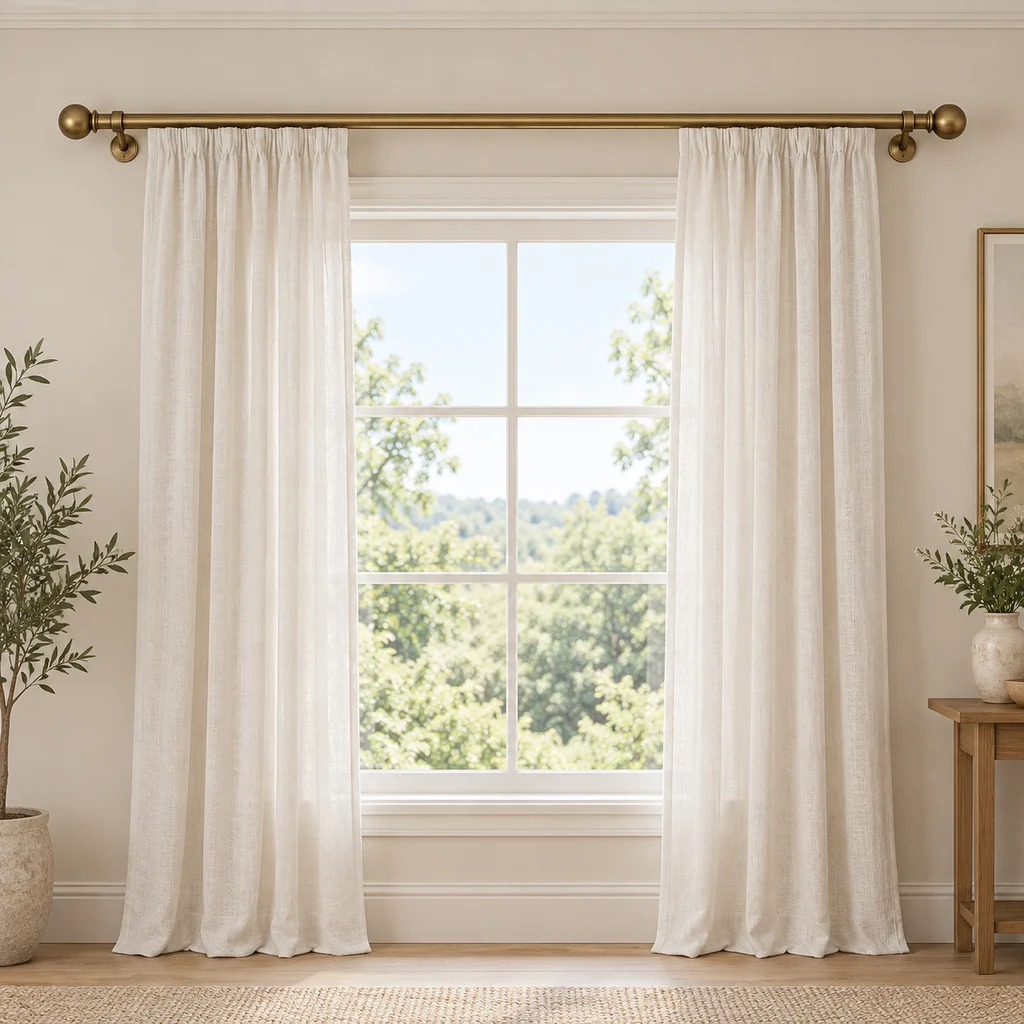
Curtain rod
What to check
Measure the window and add a few inches each side, so the curtains can open fully without covering the glass.
-
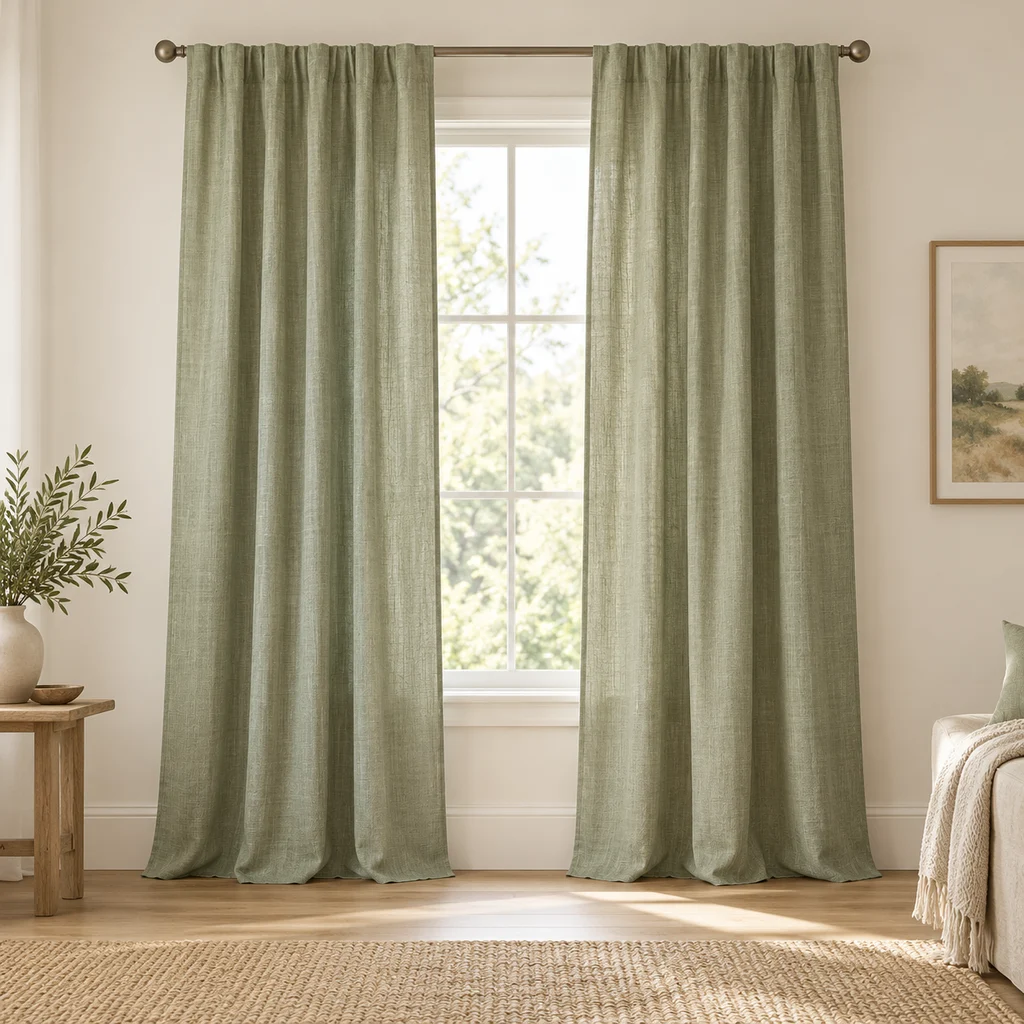
Linen curtains
What to check
Measure the window width and the drop from the rail to the floor. Curtains look fuller when the pair together is about twice the window width.
-
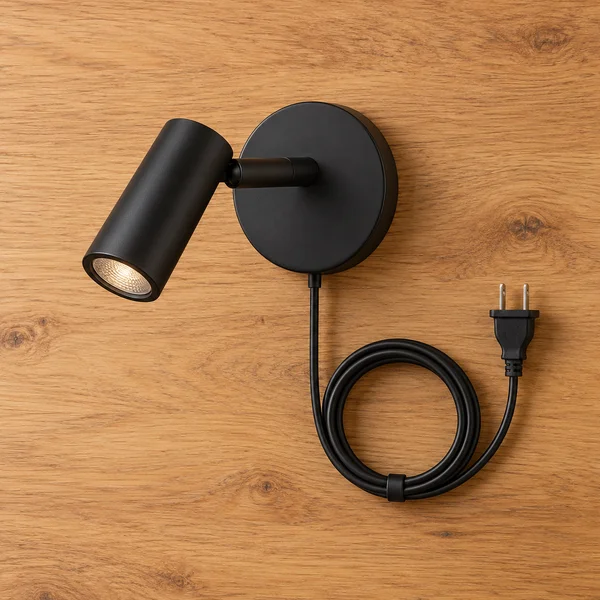
Plug in wall reading light
What to check
Mount the light high enough to clear your head when sitting up, and check the plug reaches an outlet.
-
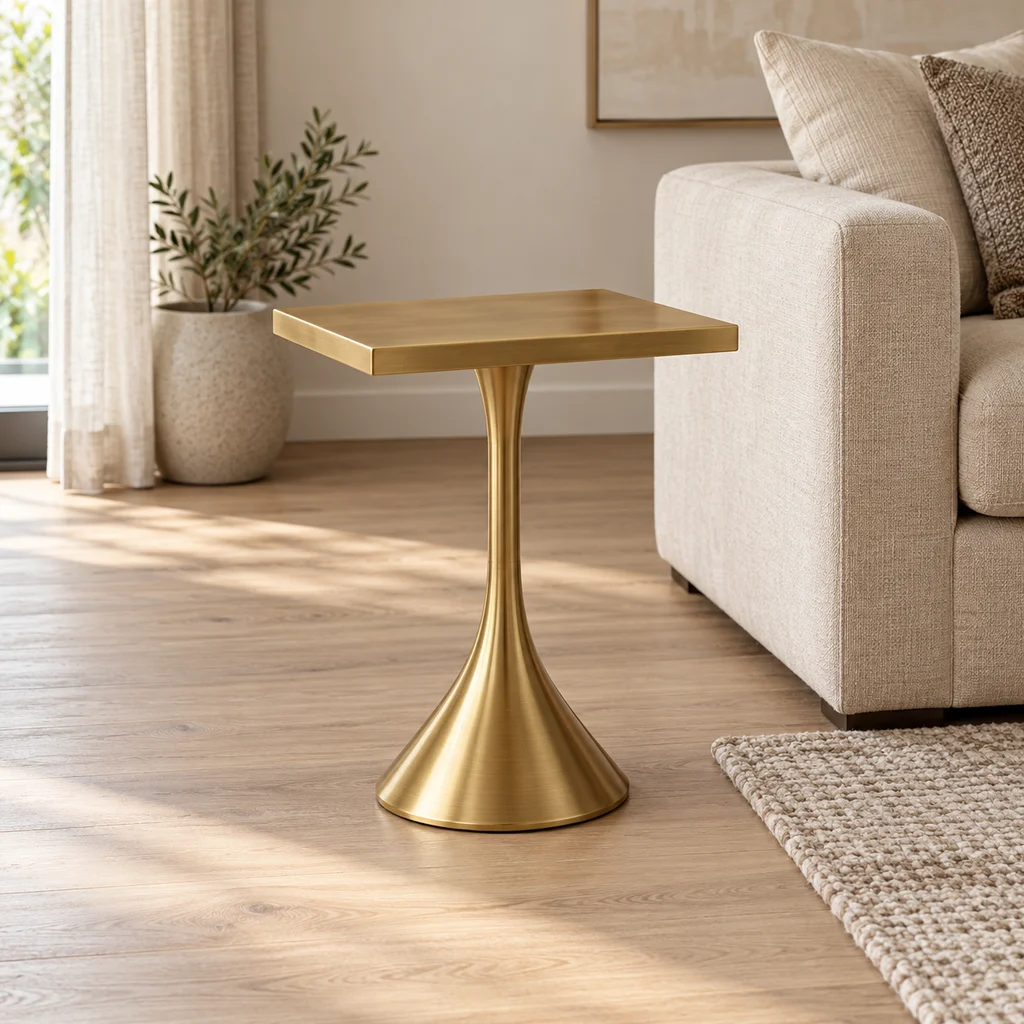
Side table
What to check
A side table works best at about the same height as the sofa arm, so a cup is easy to set down.
-
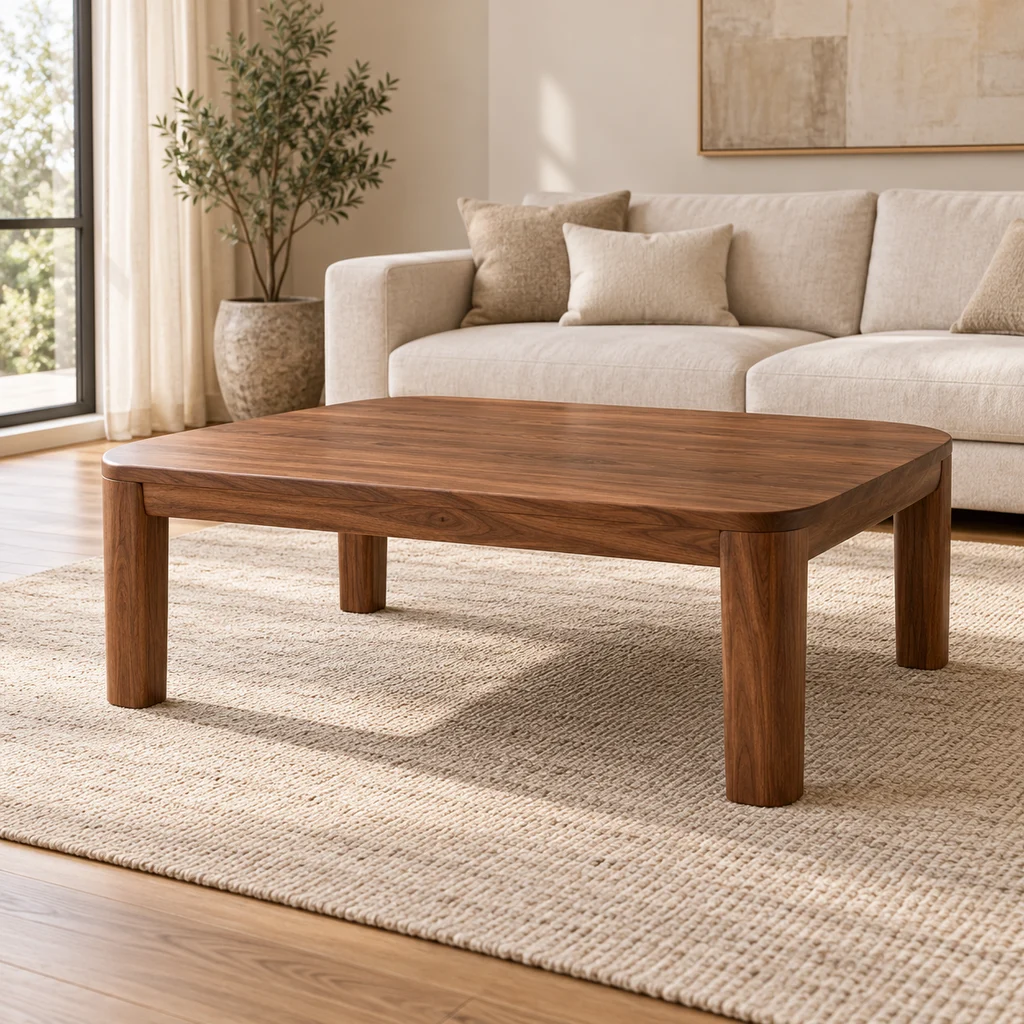
Coffee table
What to check
Leave about 16 to 18 inches between the sofa and the coffee table, so legs fit and drinks are still in reach.
-
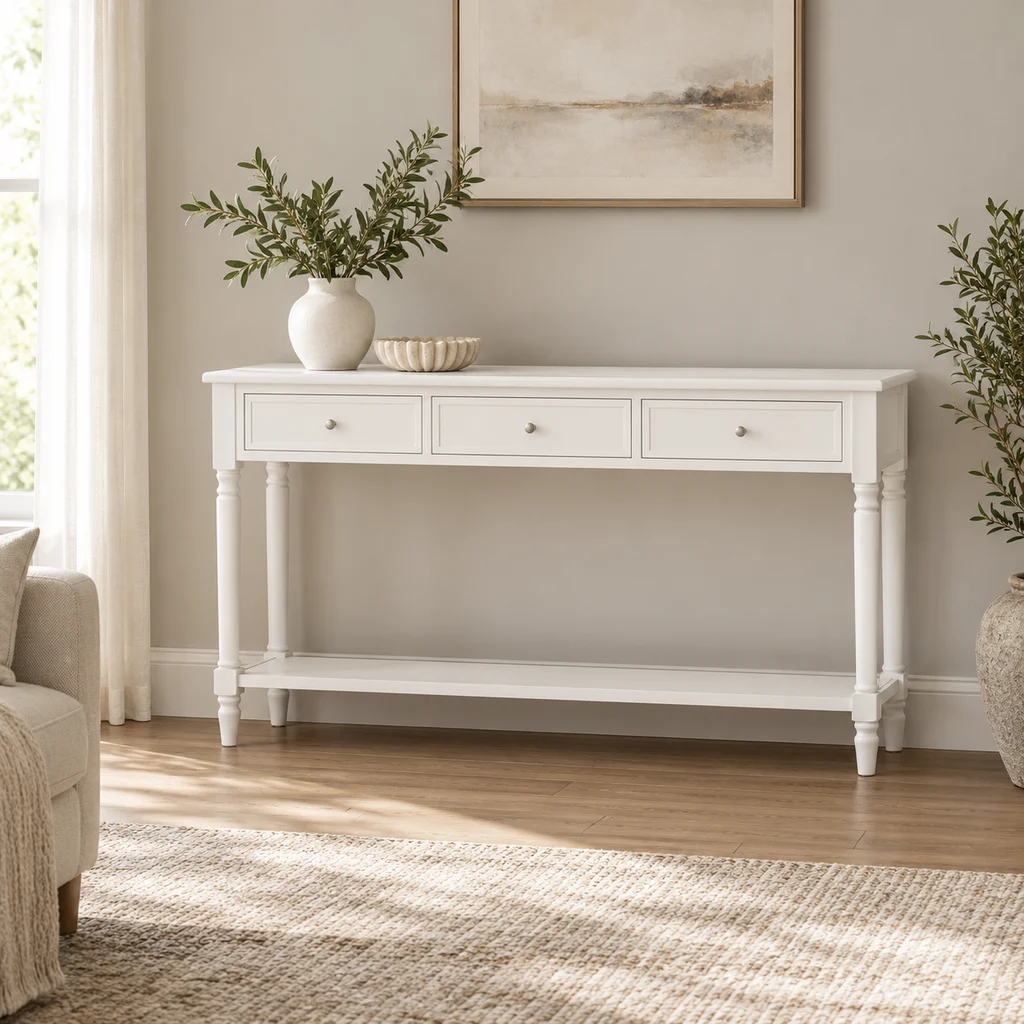
Console table
What to check
Measure the space behind the sofa or along the wall. A narrow console needs to clear walkways.
-
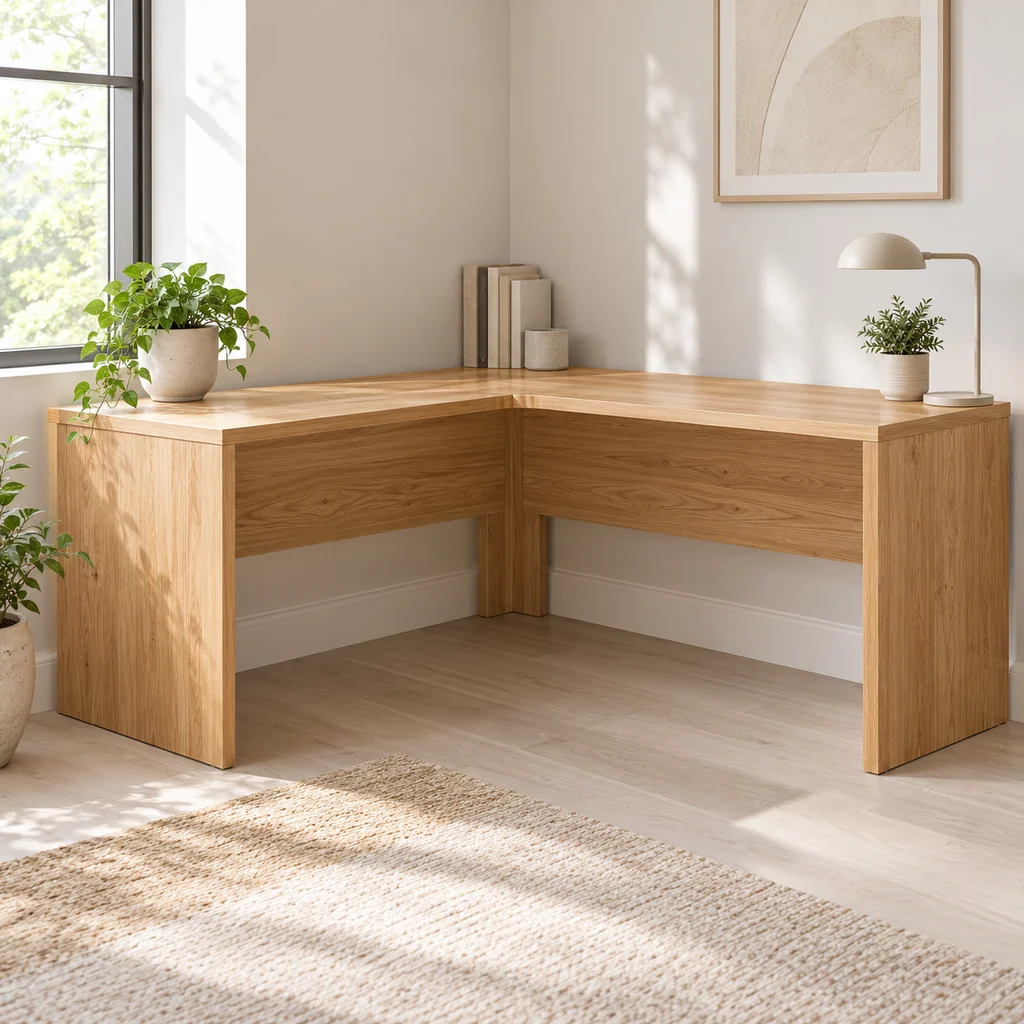
Corner desk
What to check
Measure both walls and the diagonal path into the room. Large L desks often arrive in heavy flat-pack boxes.
-
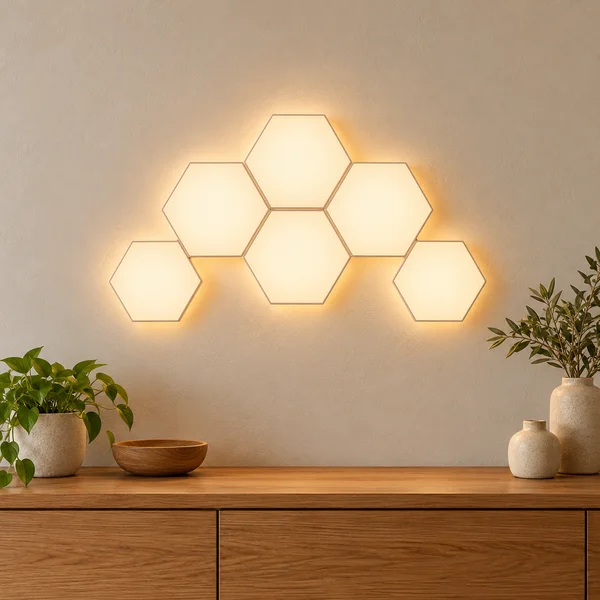
Hexagon wall lights
What to check
Light panels stick on with adhesive pads, which can pull paint off when removed. Plan the shape on paper first and check where the power cable will run.
Show all 14 pieces
-
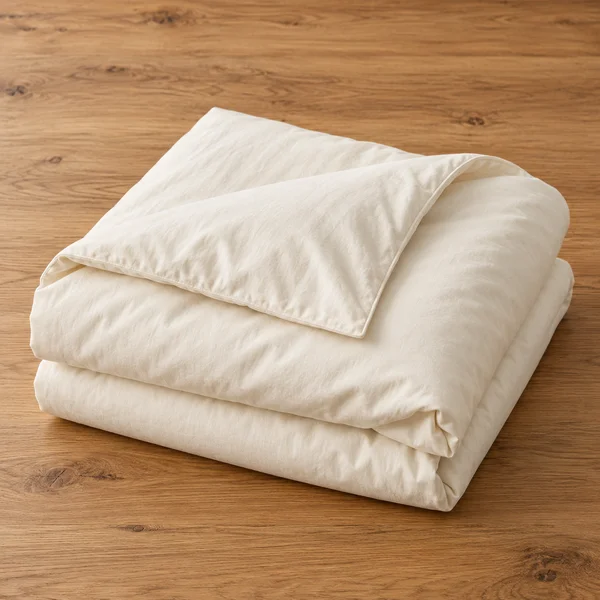
Ivory cotton duvet cover
What to check
Ivory shows marks sooner than darker colours. Check the fabric and care label before you buy.
-
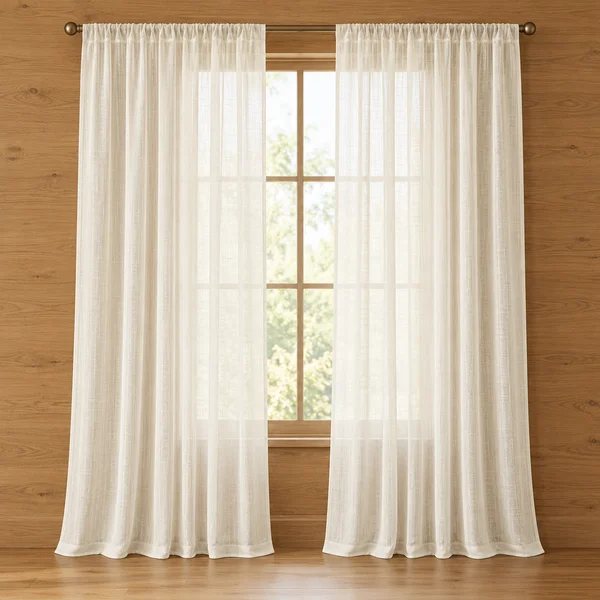
Ivory sheer curtains
What to check
Sheer curtains soften daylight but give little privacy at night. Pair them with a blind or blackout layer if you need it.
-
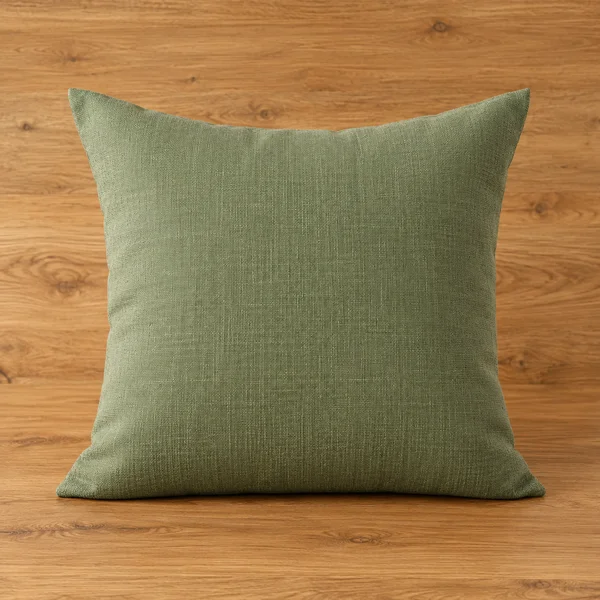
Sage green cushion cover
What to check
Check the cover size against your inserts. A slightly larger insert makes a fuller cushion.
-
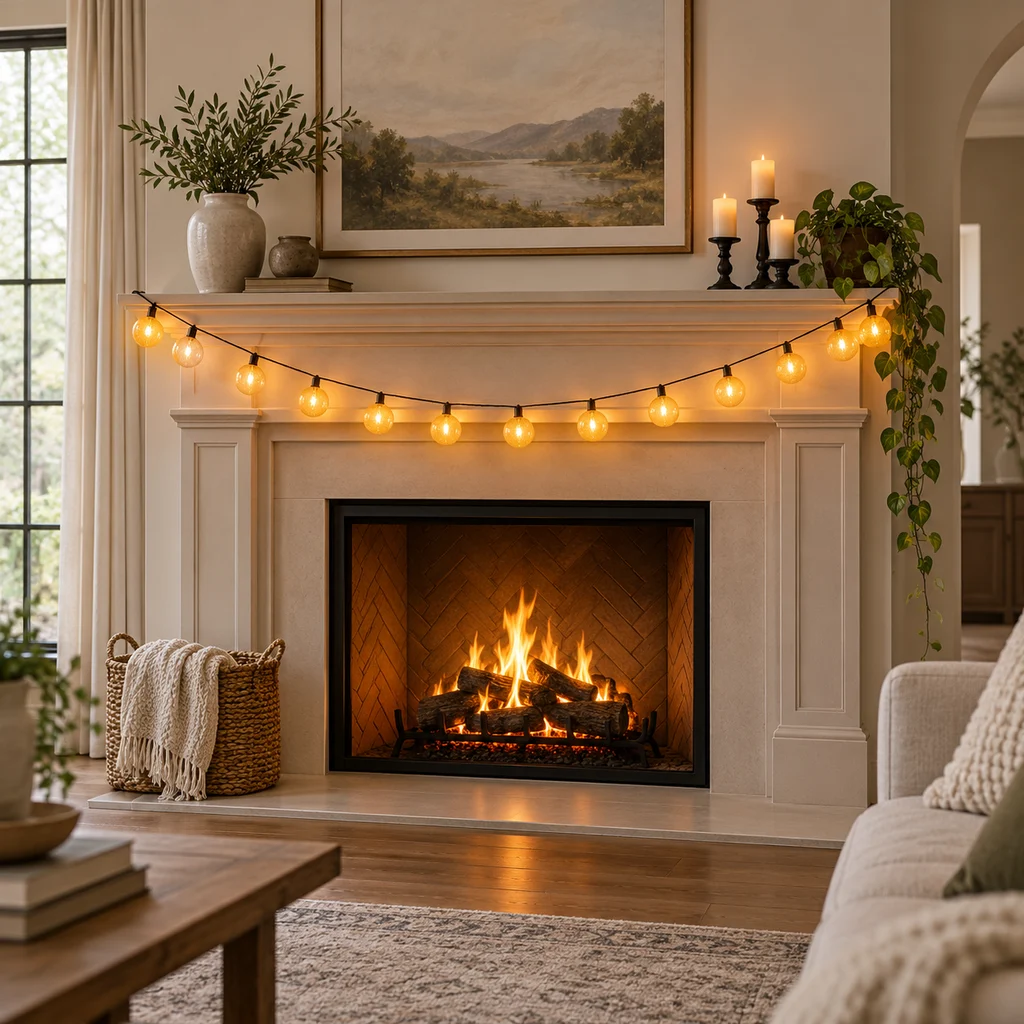
String lights
What to check
Check whether the lights are rated for indoor or outdoor use and how far the plug is from where you will hang them.
-
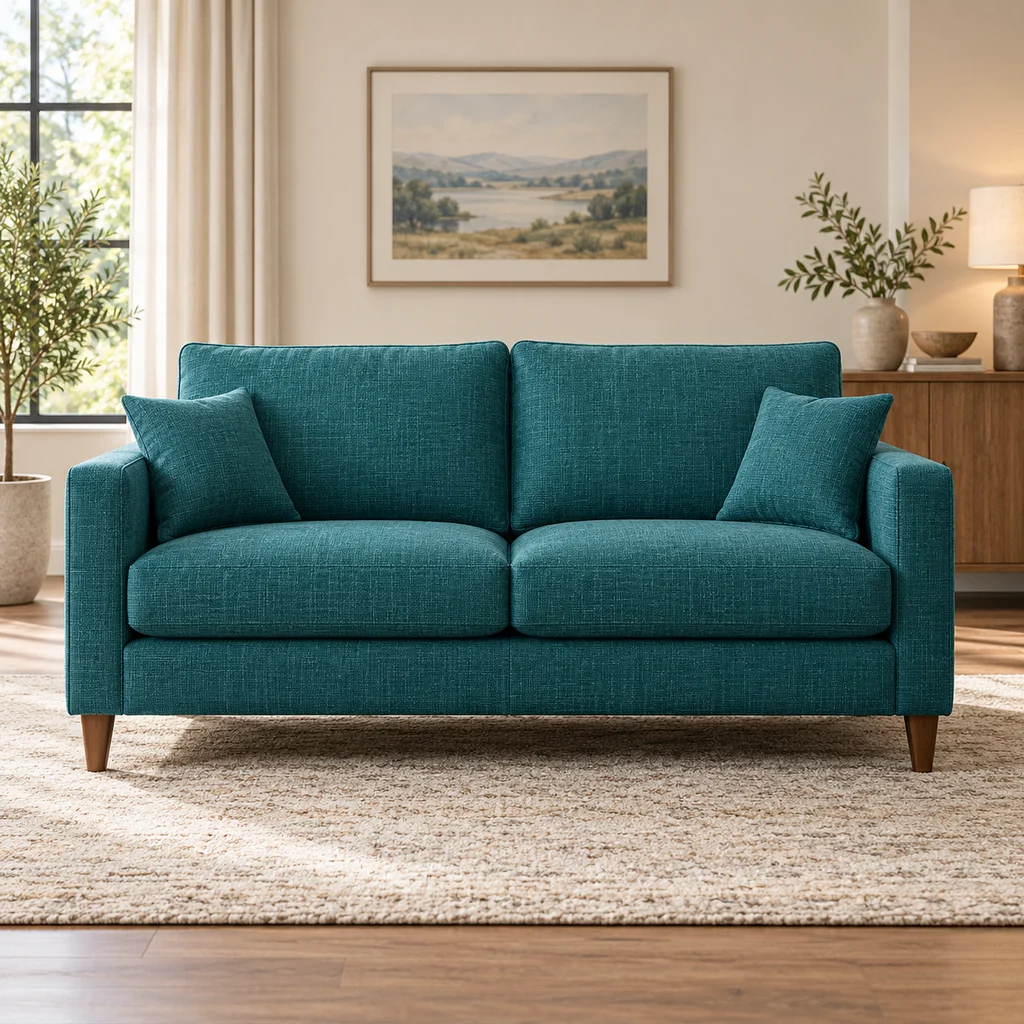
Two-seat sofa
What to check
Measure the doorway, stairs and any tight corners on the way in, not just the floor space for the sofa.
-
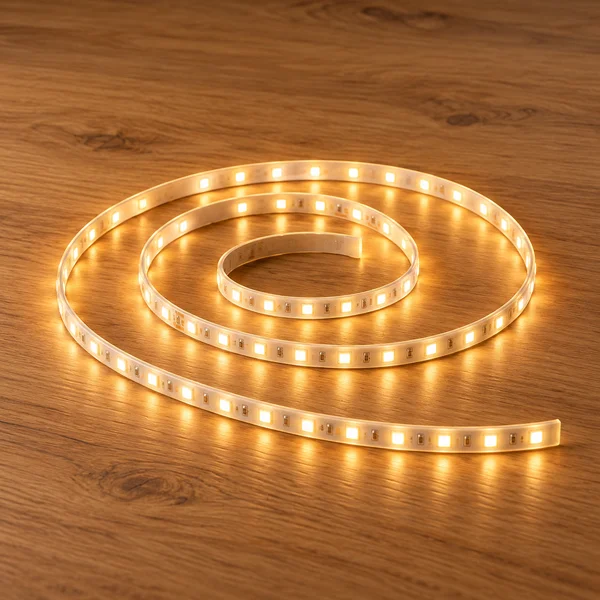
Warm white LED strip light
What to check
Measure the length you want to light and check the warm white colour temperature suits the room.
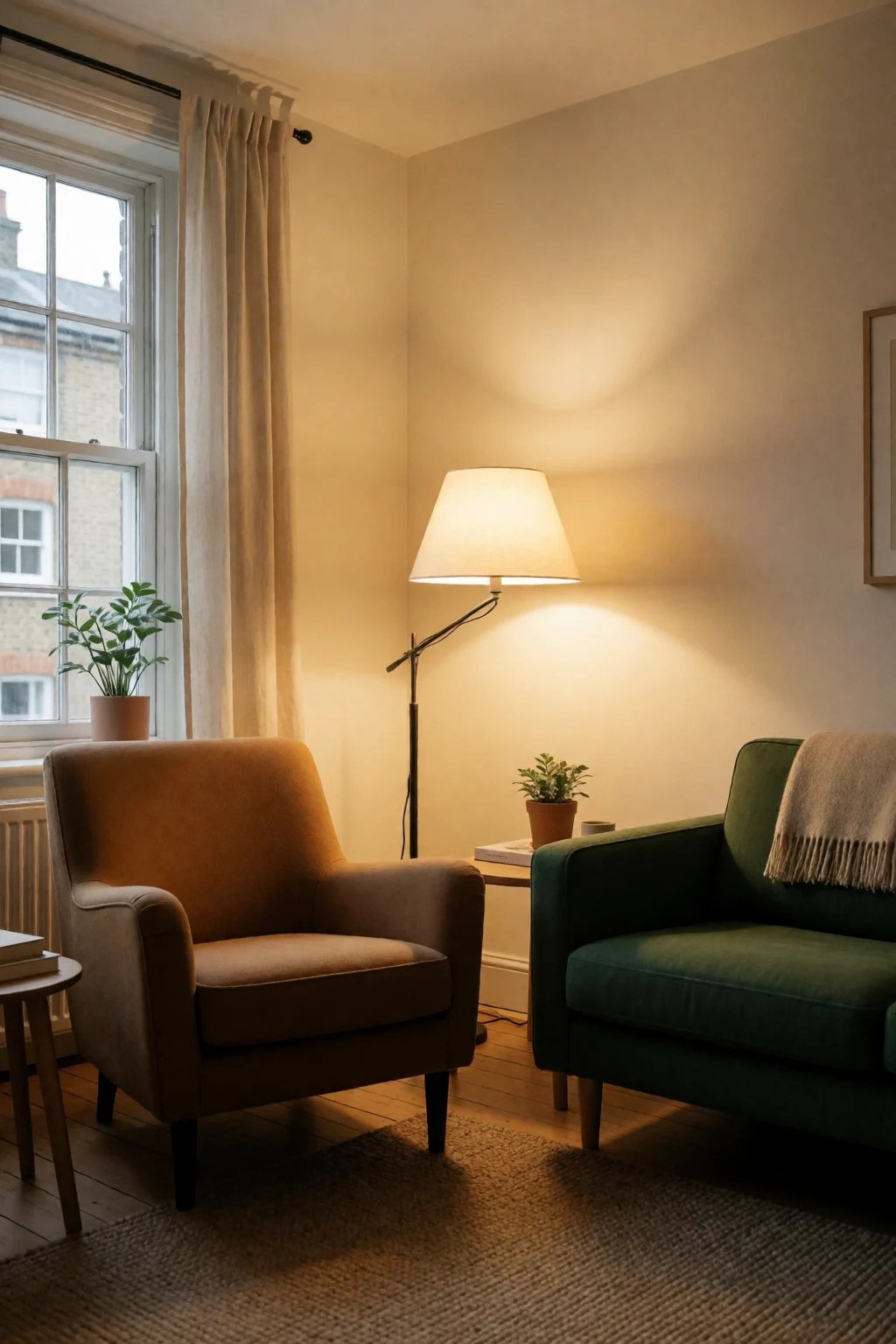
The gallery
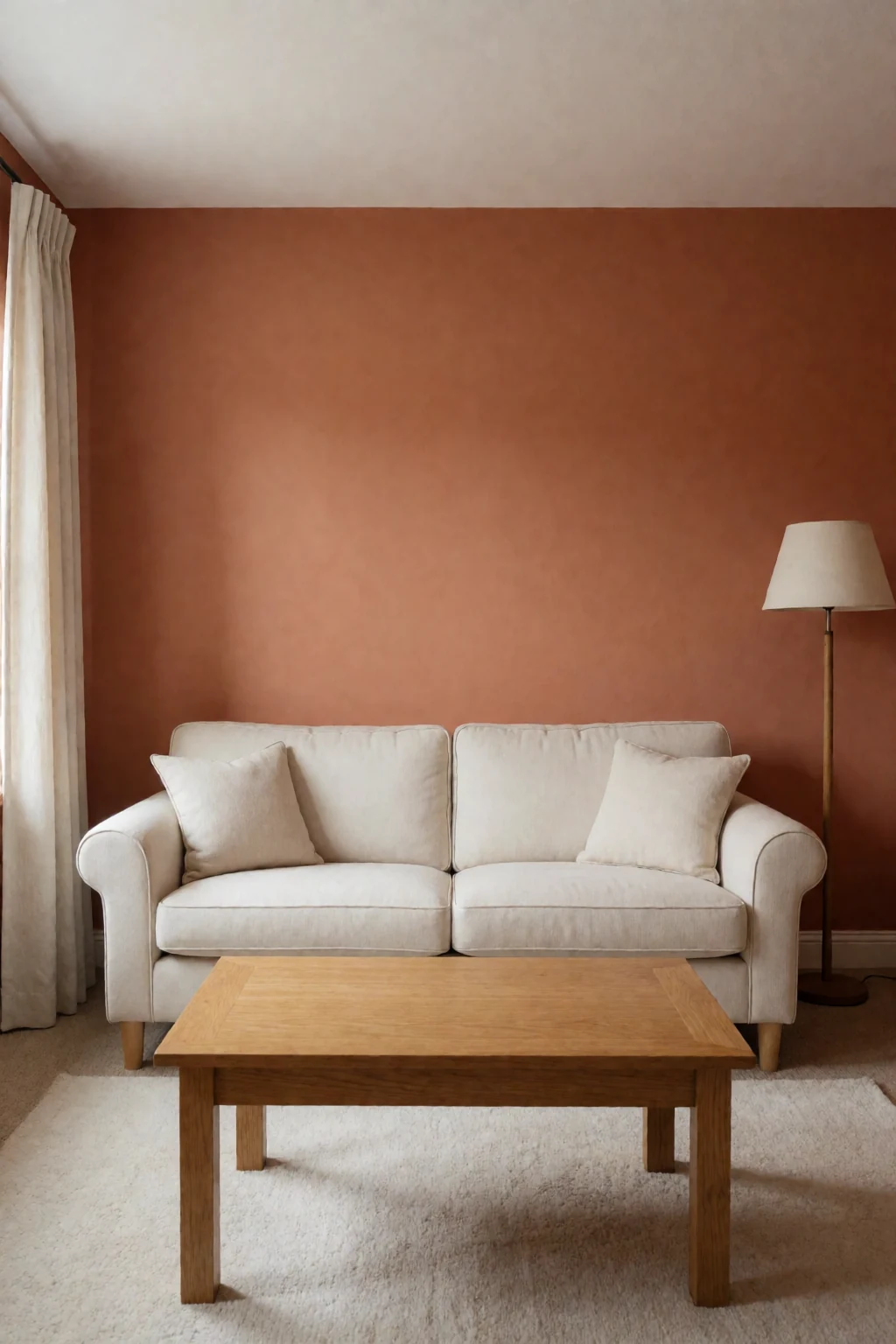
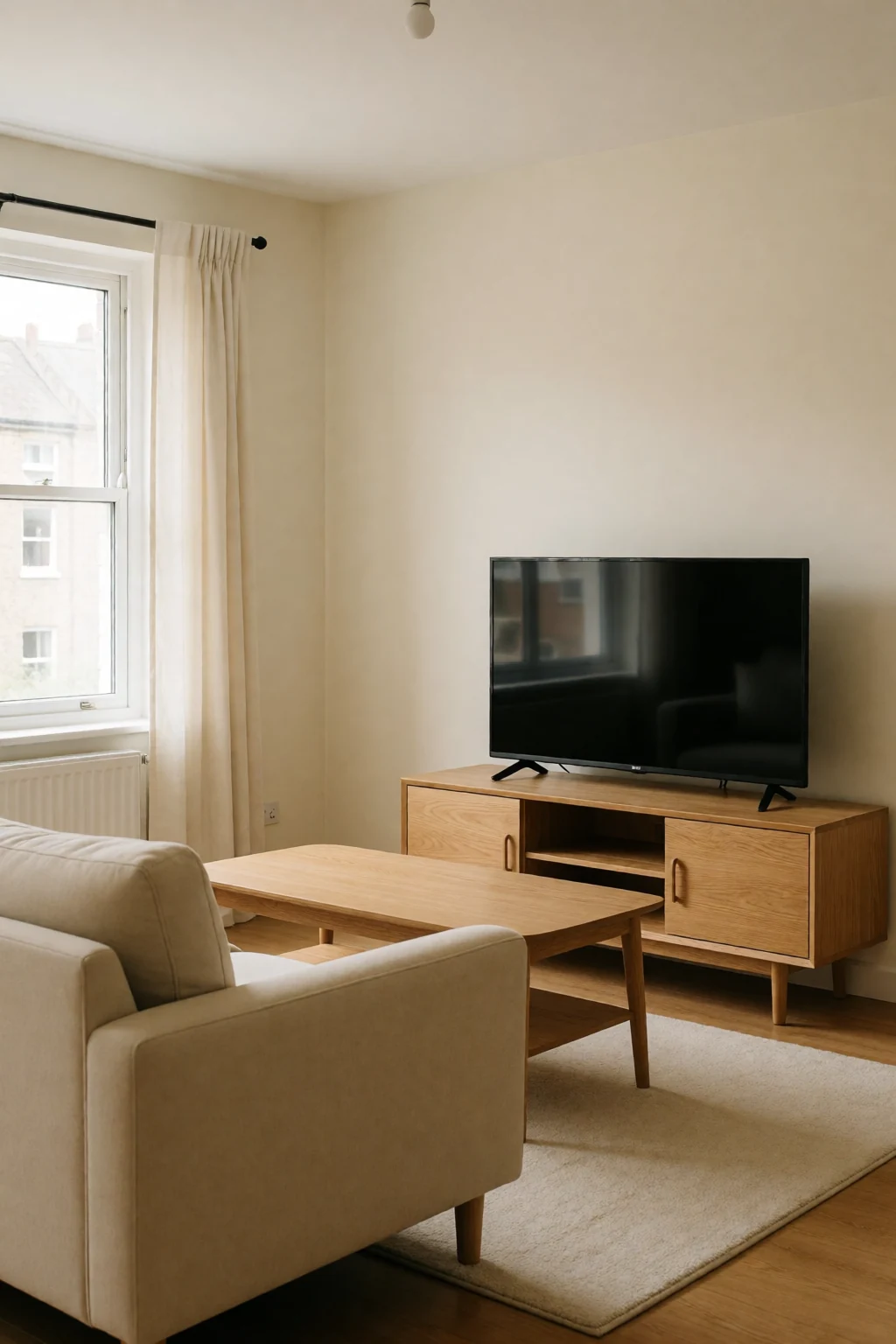
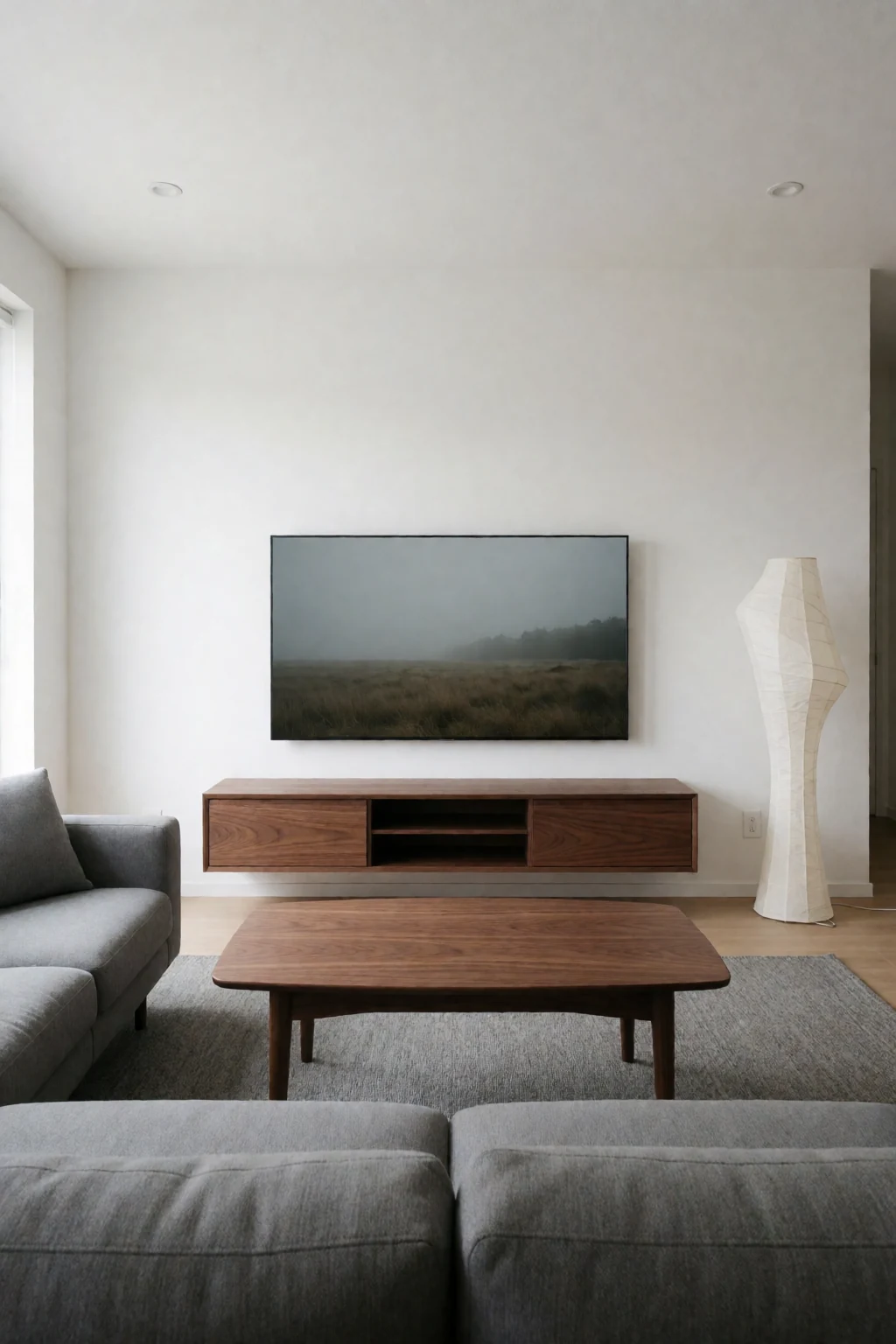
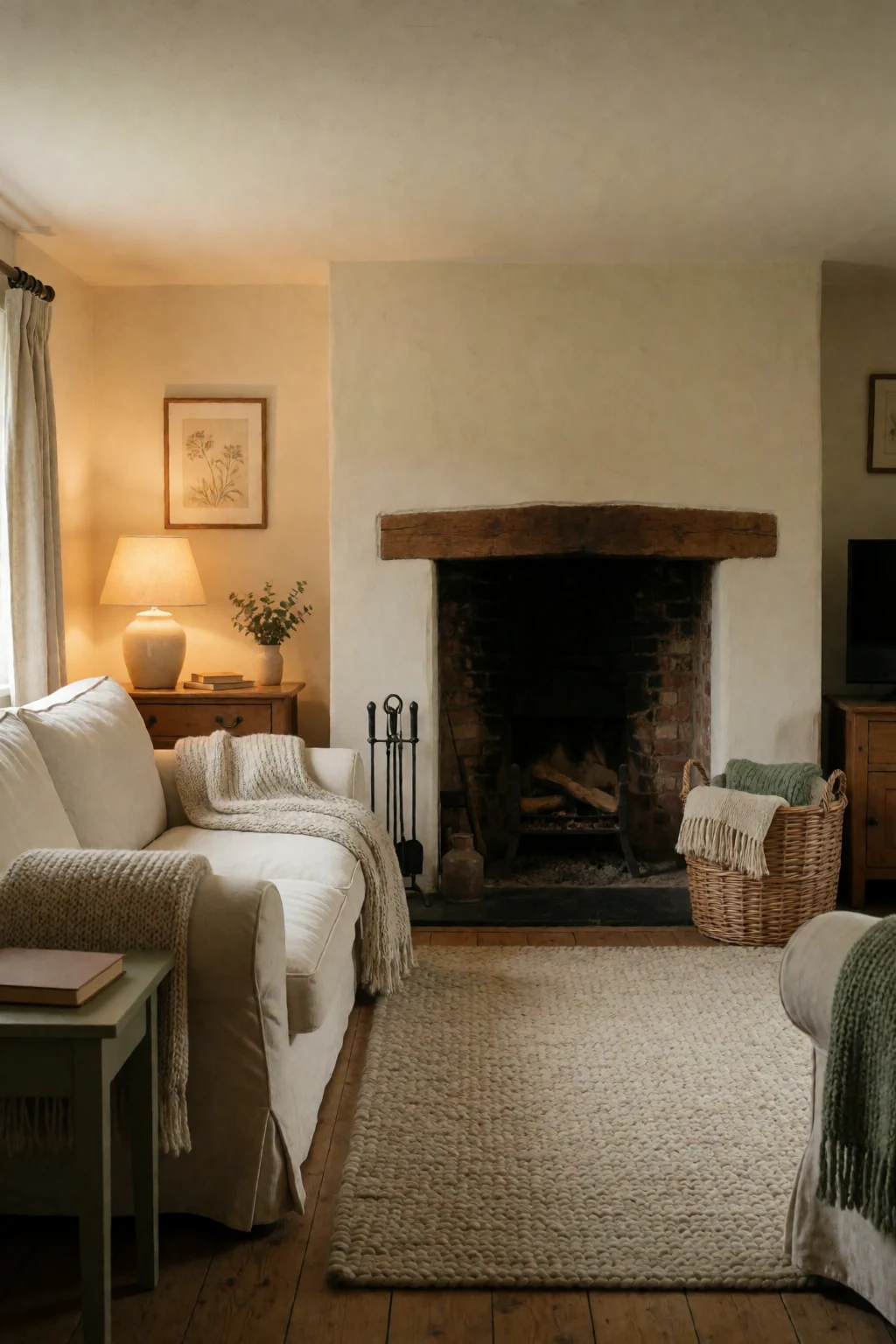
8 living room looks
Open a look to see its pieces.

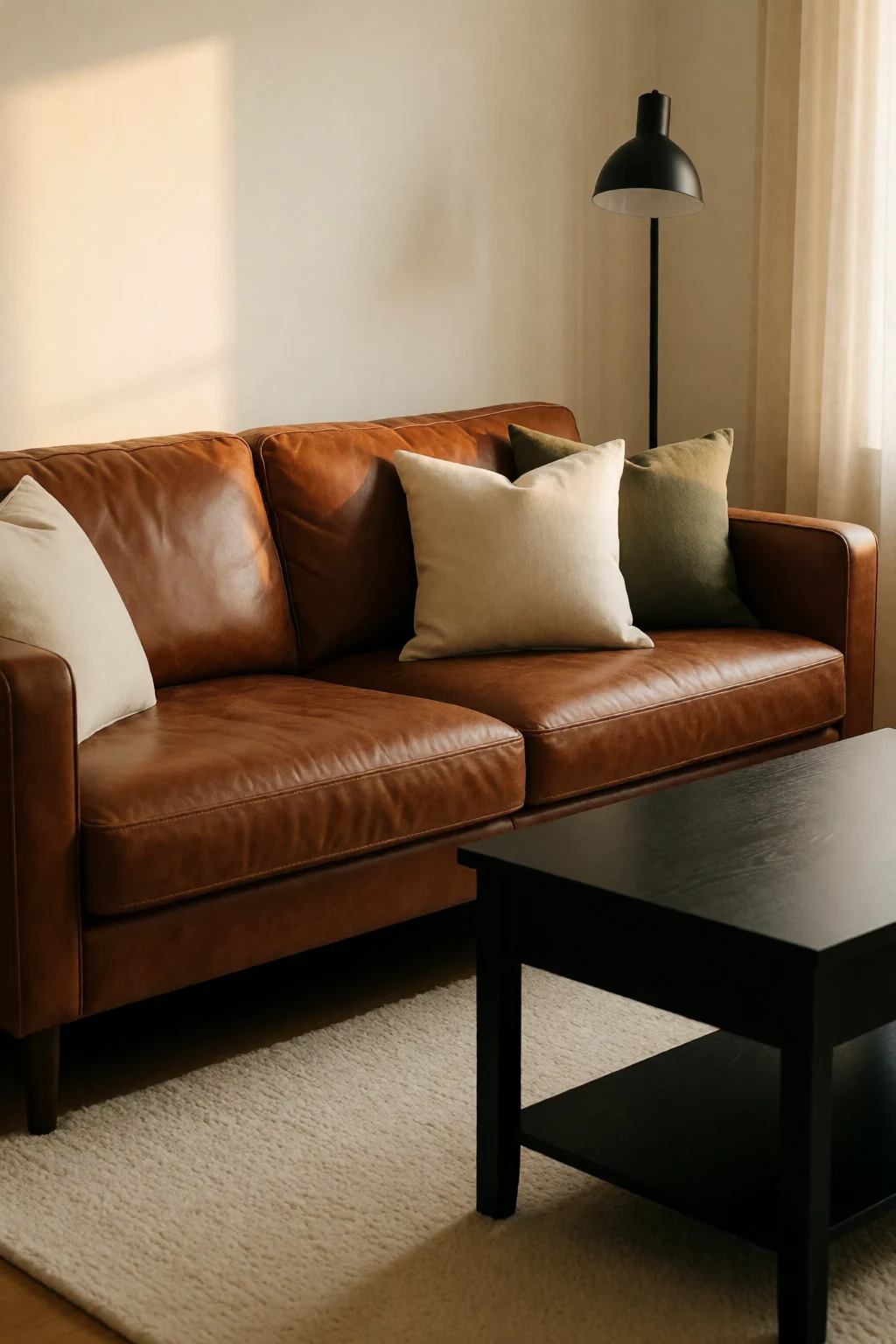
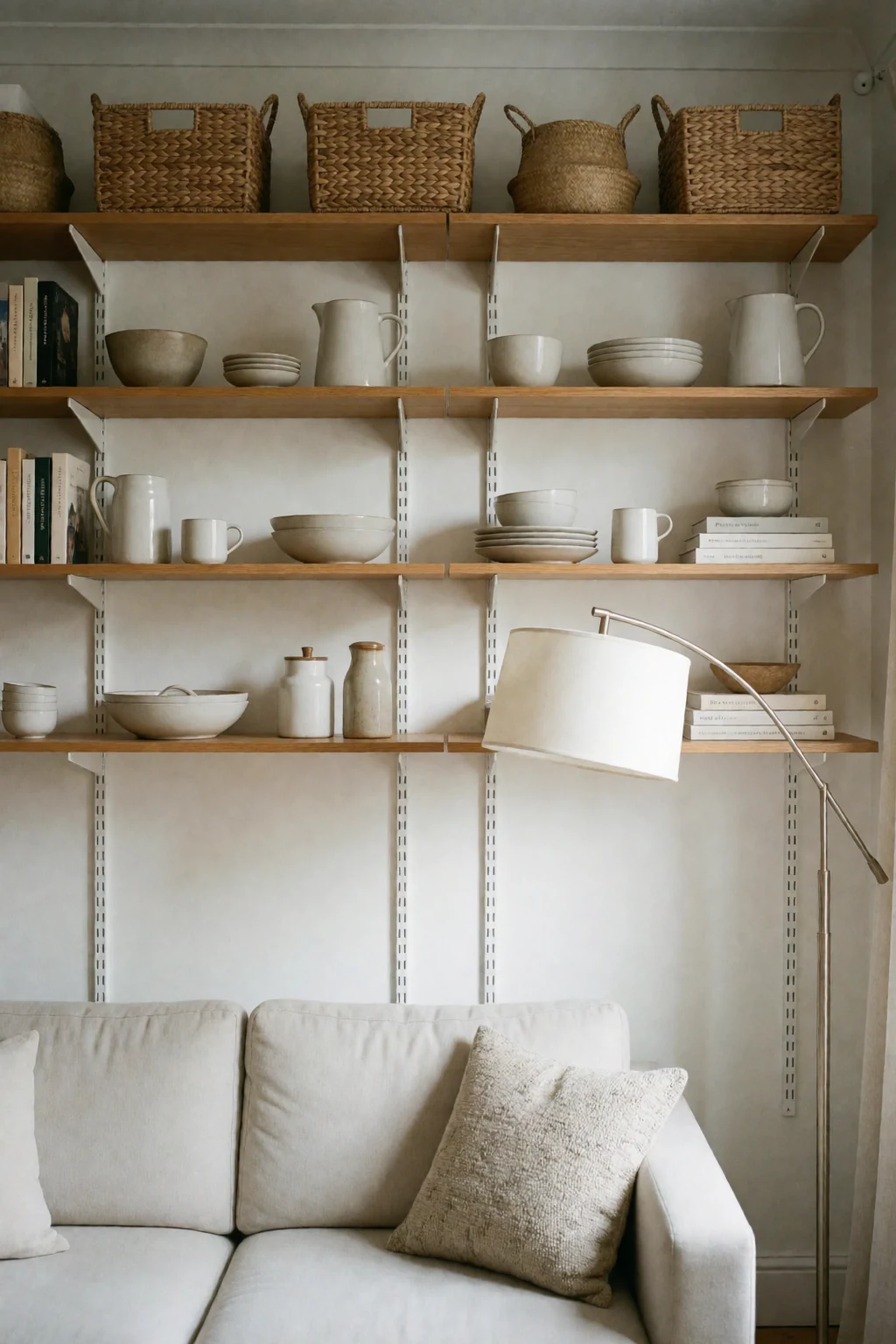
Keep exploring
Related guides
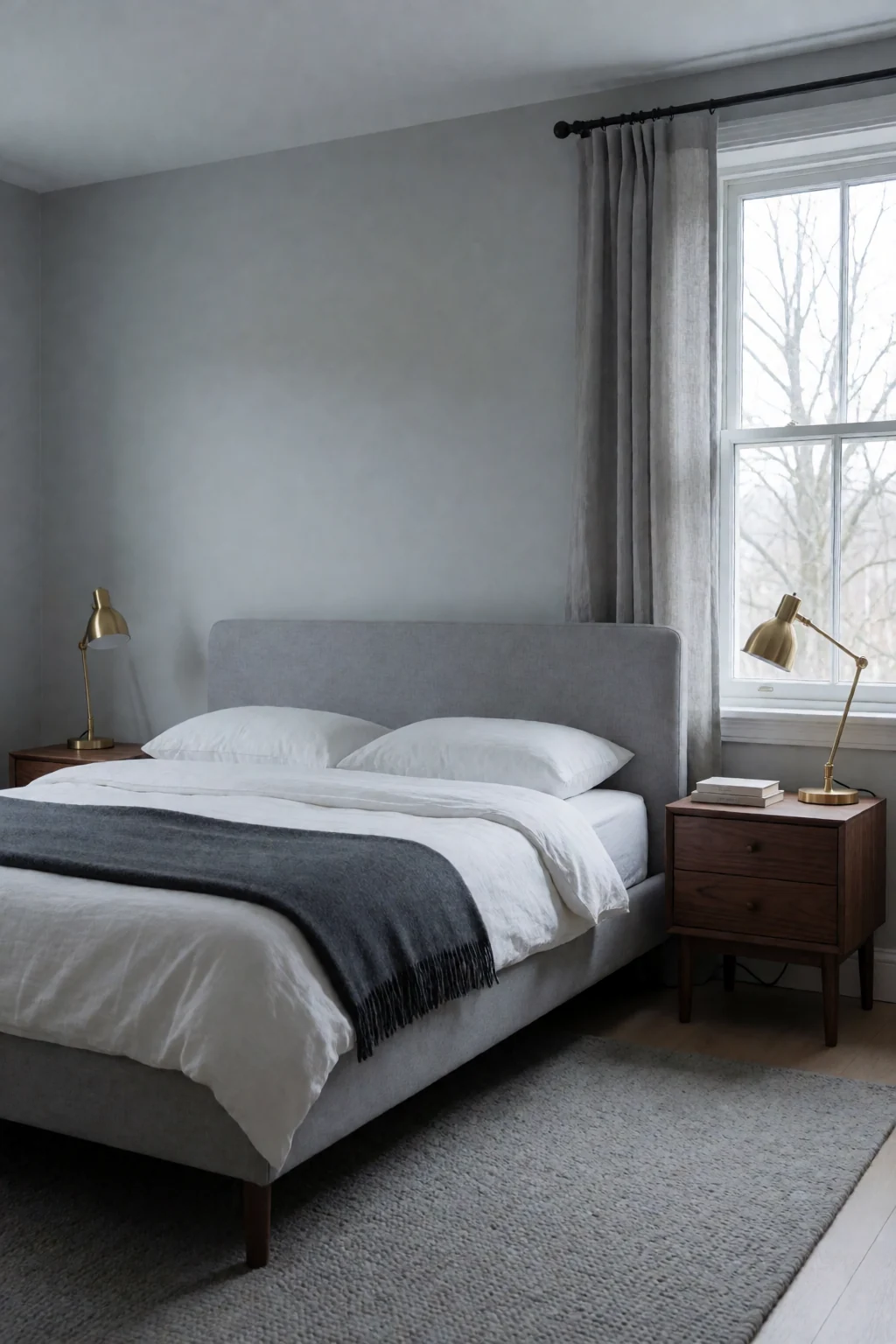 Bedroom
 curtains are about blackout and privacy for sleep, while living room curtains balance daylight, seating and proportion.
 Work & gaming
At a desk, blinds are about screen glare; in a living room, curtains are about the size and feel of the whole window wall.
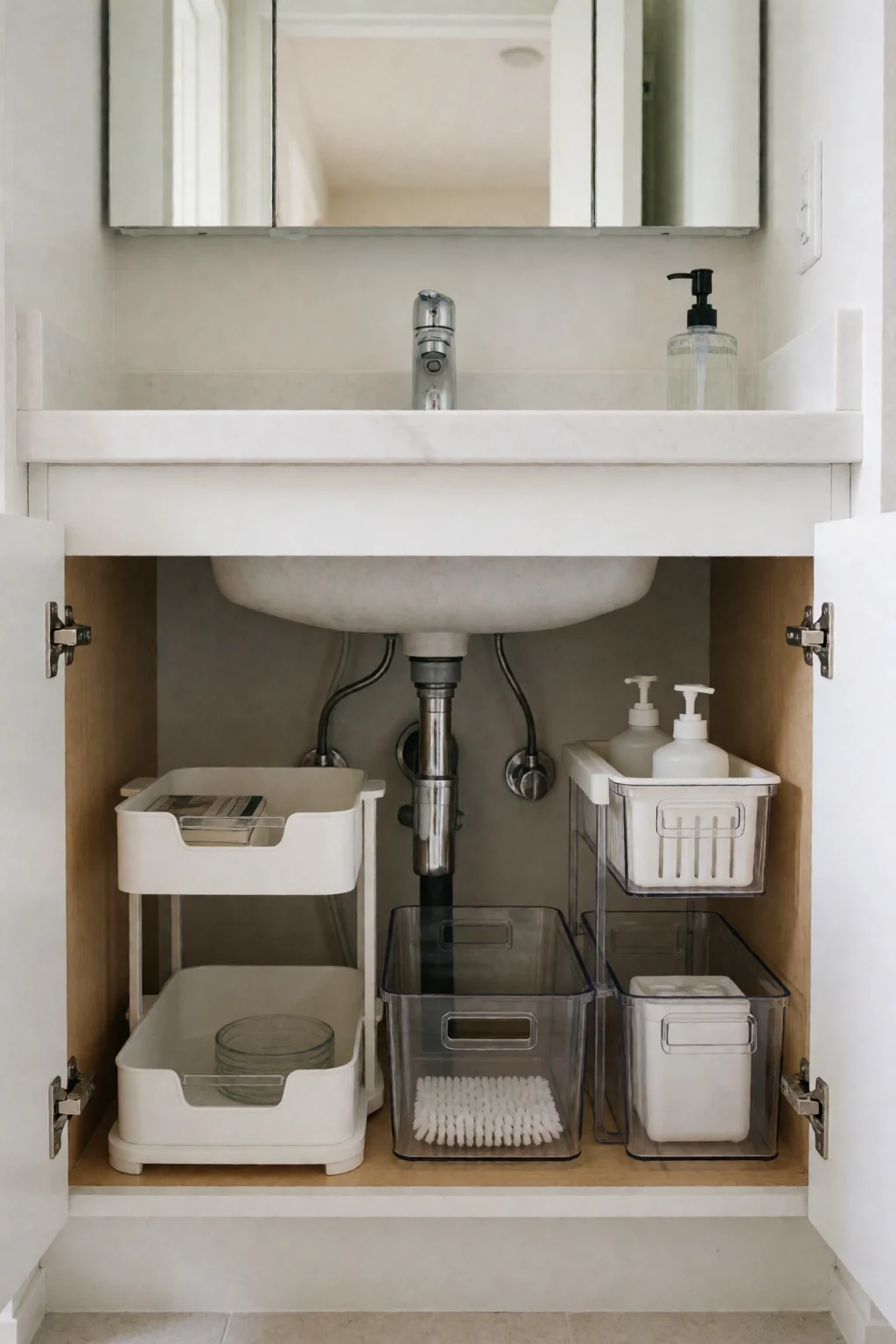 Bathroom
 window coverings deal with damp and close-up privacy, while living room curtains cover wider walls.
Questions
How high above the window should the rod go?
Four to six inches above the frame, or halfway between the frame and the ceiling. It draws the eye up and makes the window look bigger.
How much wider than the window should the rod be?
Three to twelve inches past the frame on each side, so open curtains stack on the wall and leave the glass clear.
Should living room curtains touch the floor?
Yes, just touching or about half an inch above. Pooled lengths only suit spots nobody walks through.
What fabric suits a bright living room?
Light linen blends or medium cotton, which soften glare and keep the room airy. Add a lining only if strong afternoon sun is fading your furniture.