Room ideas / Living room
Living room storage ideas that hide clutter and keep things handy
A living room stays tidy when remotes, blankets, chargers and books each have a place within reach of the sofa, and the messy things live behind doors or in bins.
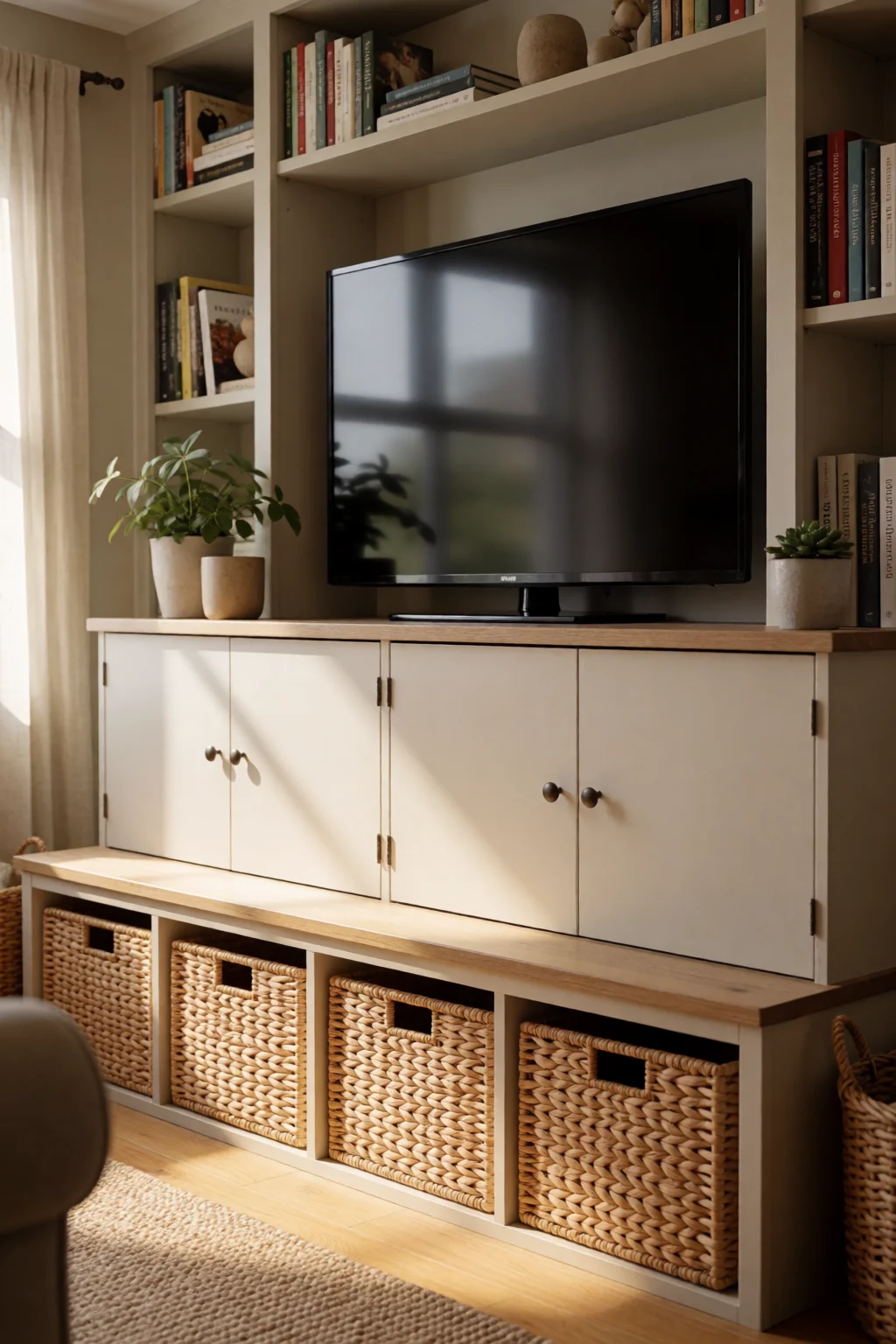
Three rules for living room storage
- Put storage around the seats, so remotes, coasters and reading things are within arm's reach of the sofa and chairs.
- Mix closed storage, like a console cabinet or lidded ottoman, with a little open shelving for things you like to see.
- Use the walls for shelves or a mounted media unit to keep the floor clear.
Storage built into the furniture
Good living room storage gives each everyday thing, from the remotes and reading glasses to the throws, a home within reach of the sofa, so it does not wander across the coffee table and floor. The calmest rooms get most of their storage from furniture they need anyway.
An organised living room mixes closed and open storage: a clear coffee table with one tray, a media console with doors that hide cables and controllers, woven baskets by the sofa for spare throws. Linen, wool and jute soften the storage pieces, and wall shelves hold books and photos without taking floor space.
A living room serves the whole household and guests, with seating and entertainment in one space. Its storage has to be easy to use and keep cables off the floor.
Five storage combinations
- Console, basket, ottoman
- A low media console with closed doors under the TV for electronics and cables, a large woven basket by the sofa for throws, and a lidded storage ottoman in place of a coffee table for remotes and board games.
- Shelves above the sofa, bench under the window
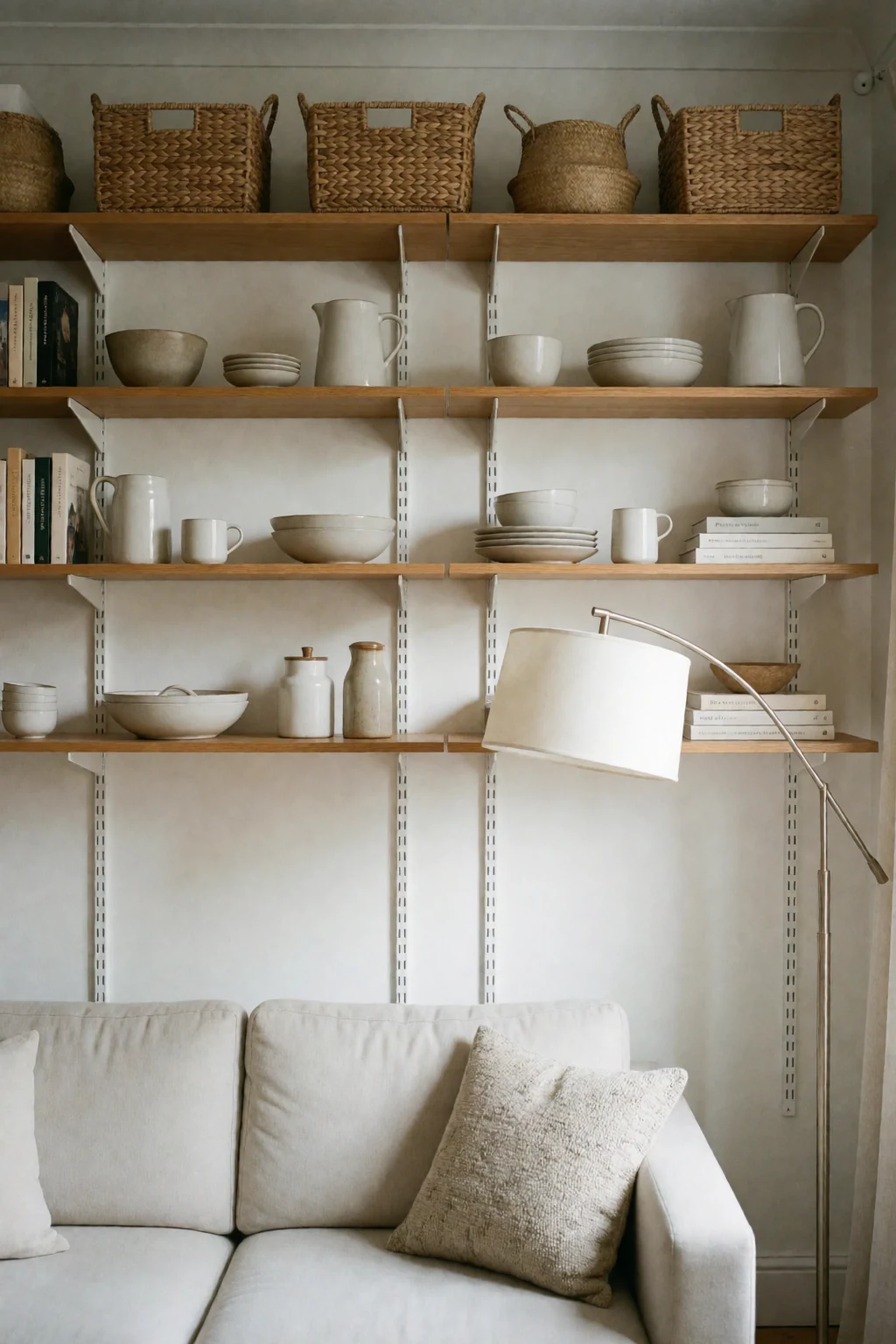
- Two wooden shelves above the sofa for books and framed prints, a long storage bench under the window for spare cushions, and a small tray on the bench for keys and post.
- Corner cabinet and blanket ladder
- A narrow cabinet in a corner for board games and spare cables, a wooden ladder leaned against a bare wall for quilts, and two small wire bins on low shelves for chargers and magazines.
- Bookcase with doors below
- A tall bookcase with doors on the bottom half for bulky things and open shelves above for books. Fabric boxes in any open cubbies, and a coffee table with a drawer for coasters and remotes.
- Corner TV unit and a trunk
- A compact media unit in the corner hides the cables, a wooden trunk works as a coffee table with deep blanket storage inside, and a short row of hooks by the door takes everyday bags.
Space, balance, strength and size
- Space to move
- Measure between the sofa, coffee table and console before buying. Leave about 18 inches between the sofa and coffee table for your legs, and more along the main path to the door. Cabinet doors and ottoman lids must open fully without hitting anything.
- Closed versus open
- Lots of open shelves look busy, and all-closed storage can feel heavy. Put cables, toys and odds and ends behind doors or lids, and keep open shelves for books, plants and things you like seeing.
- Strength
- Living room furniture takes heavy daily use. For heavy electronics or a lot of books, choose solid wood or sturdy veneer over thin chipboard. Fix floating shelves into the studs and check their weight rating before loading them.
- Size
- Oversized storage makes a small living room feel cramped and dark. Match the pieces to the room. In a small space, consoles on legs and wall shelves let light pass underneath.
Sort first, buy second
Gather everything that lives in the living room and sort it: electronics and cables, books and magazines, throws and cushions, and small things like remotes and coasters. Separate what you actually use daily from what just sits there. Then look at the furniture you have. Could the open coffee table be a lidded ottoman? Does the TV unit hide the cables, or does it need clips and a closed cabinet?
Then add storage where the mess actually happens. Throws always on the floor? Put a deep basket or a storage bench right beside the sofa. Remotes cluttering every table? Add a small tray or a coffee table with a drawer. For height, one or two floating shelves above the TV or sofa for books and plants. Add a rug or a throw over the new bench gradually, instead of buying everything at once.
Shop the pieces
16 living room pieces
Links open similar items, not the pictured ones.
-
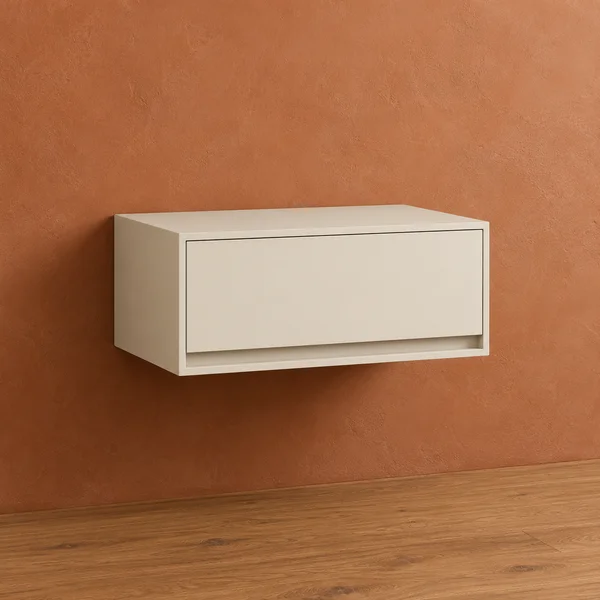
Wall mounted bedside drawer
What to check
Wall-mounted drawers need solid fixings and leave the floor clear. Mount them at a height you can reach from bed.
-
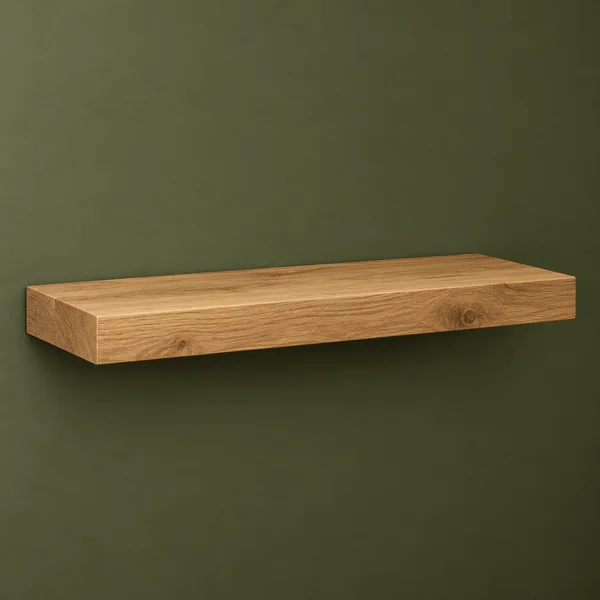
Wood floating wall shelf
What to check
Check the shelf depth and weight rating, and fix into studs or solid wall plugs.
-
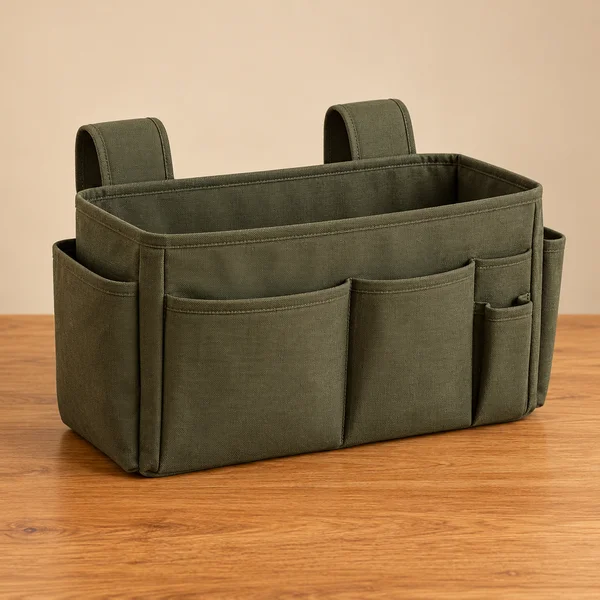
Bedside storage basket
What to check
Measure the gap between the mattress and the wall or frame. A bedside caddy needs a firm mattress edge to tuck under.
-
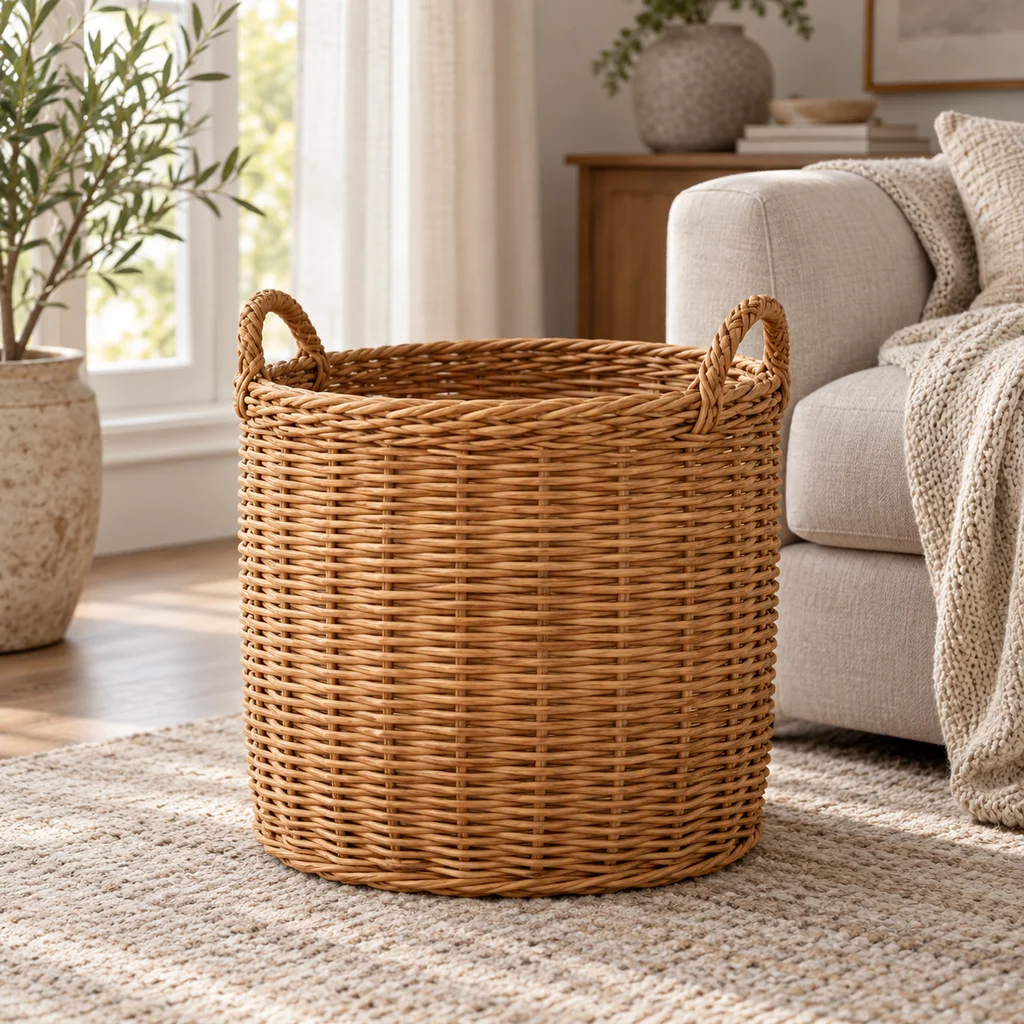
Blanket basket
What to check
Check the basket opening is wide enough for a folded throw, and that the weave will not snag fine knits.
-
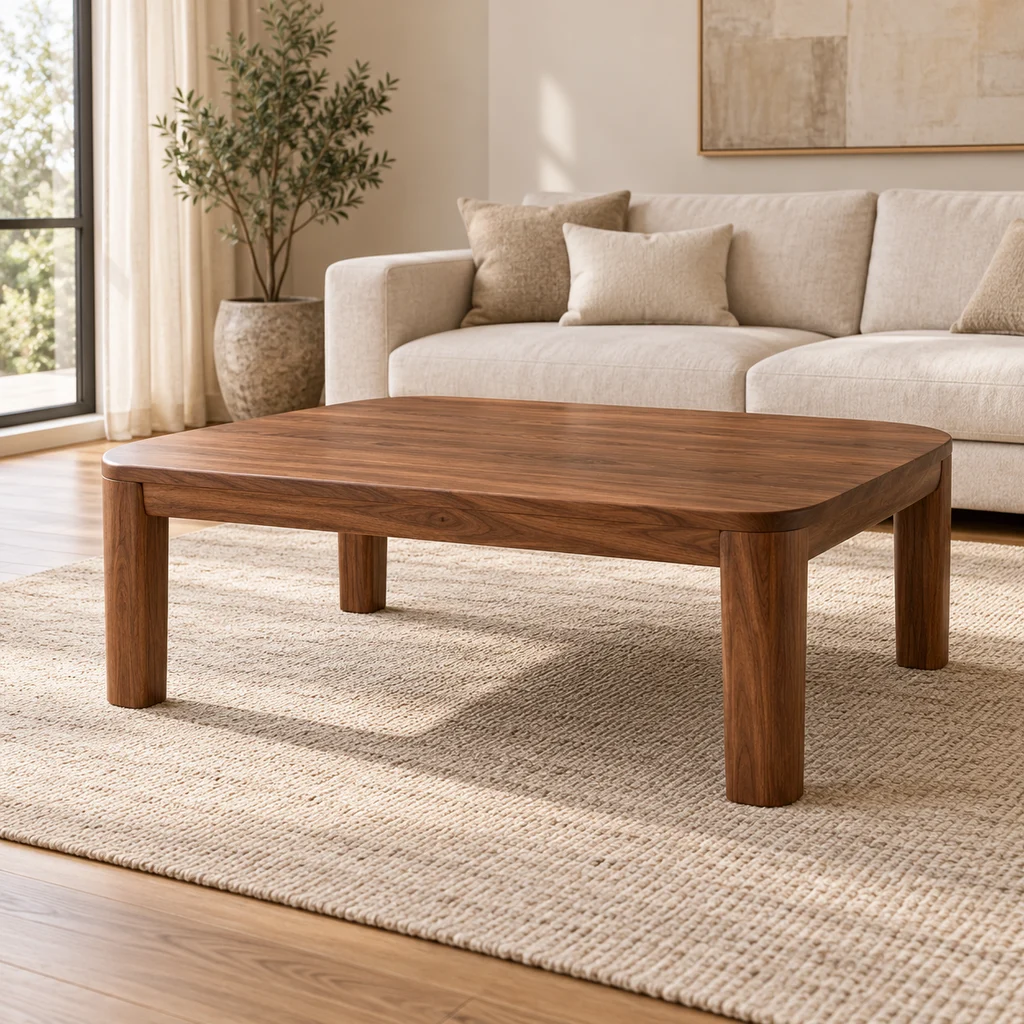
Coffee table
What to check
Leave about 16 to 18 inches between the sofa and the coffee table, so legs fit and drinks are still in reach.
-
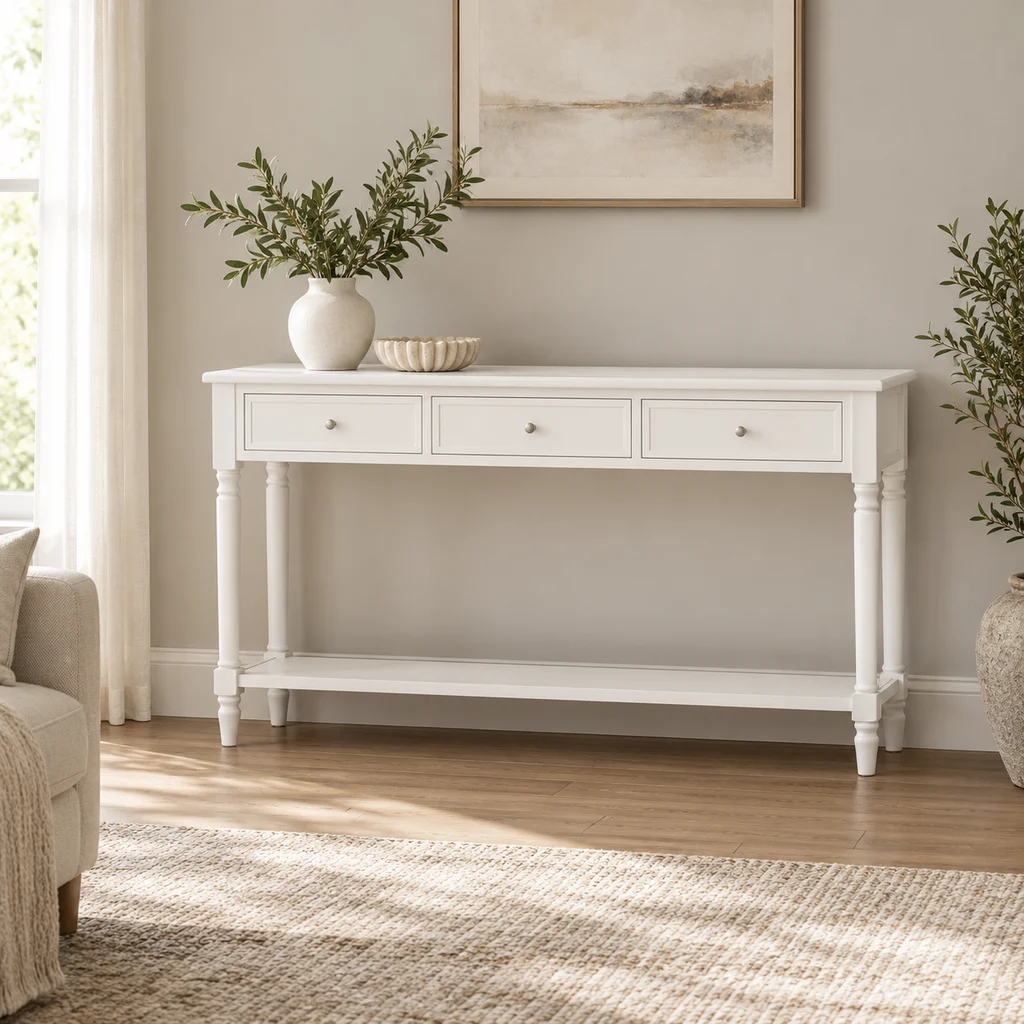
Console table
What to check
Measure the space behind the sofa or along the wall. A narrow console needs to clear walkways.
-
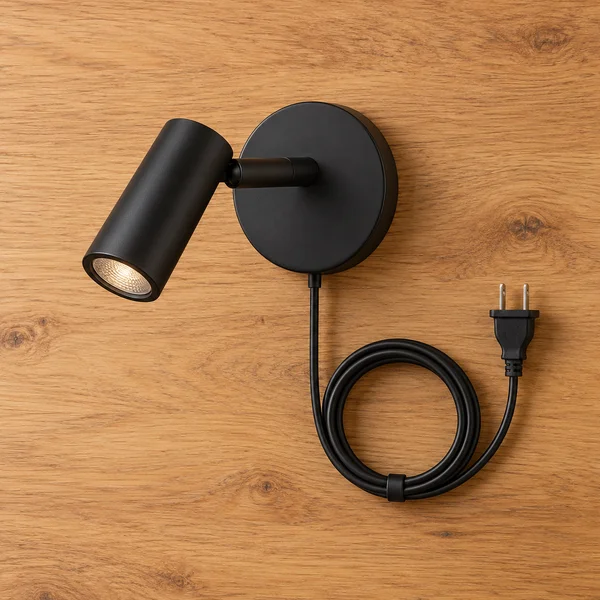
Plug in wall reading light
What to check
Mount the light high enough to clear your head when sitting up, and check the plug reaches an outlet.
-
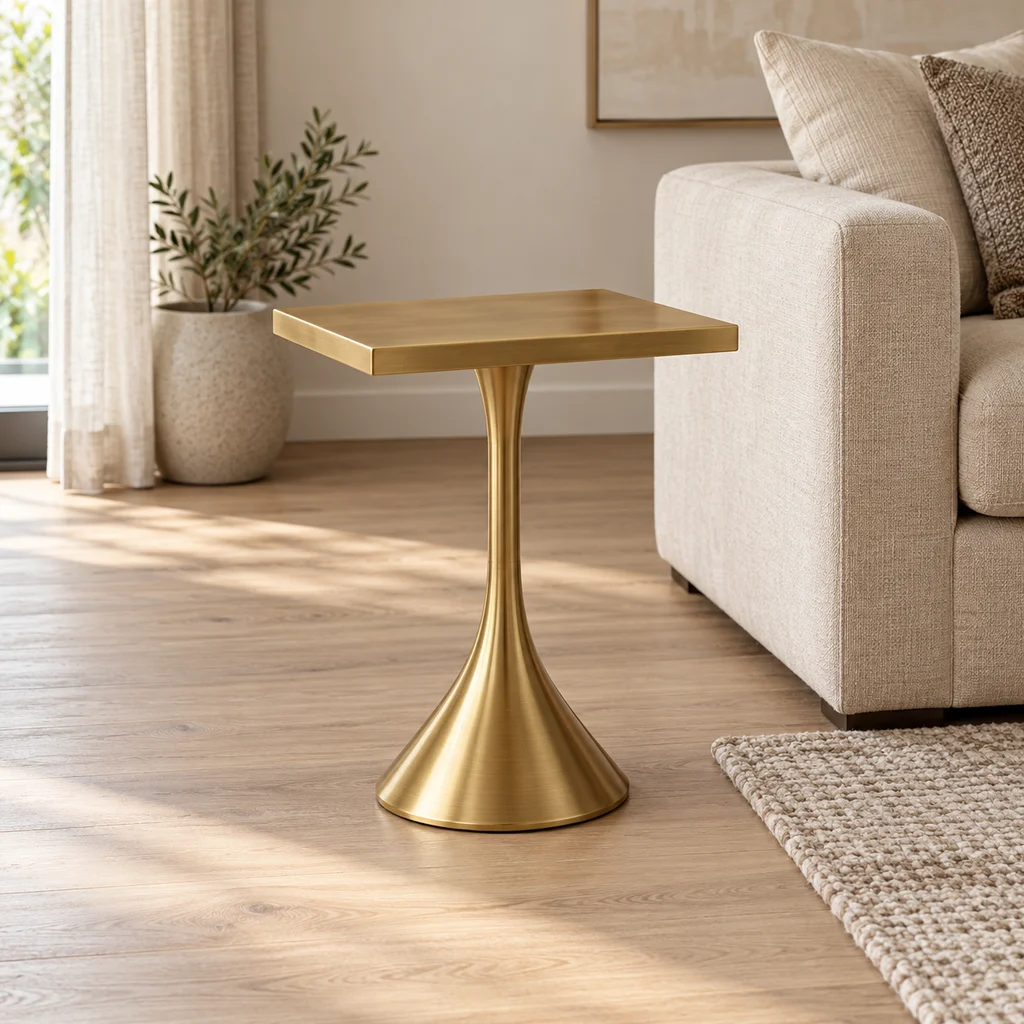
Side table
What to check
A side table works best at about the same height as the sofa arm, so a cup is easy to set down.
Show all 16 pieces
-
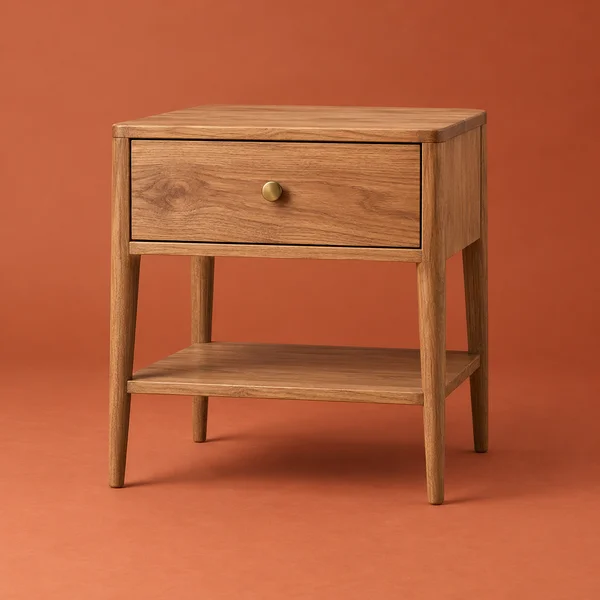
Small bedside table with drawer
What to check
Check the table height against your mattress and that the drawers open without hitting the bed frame.
-
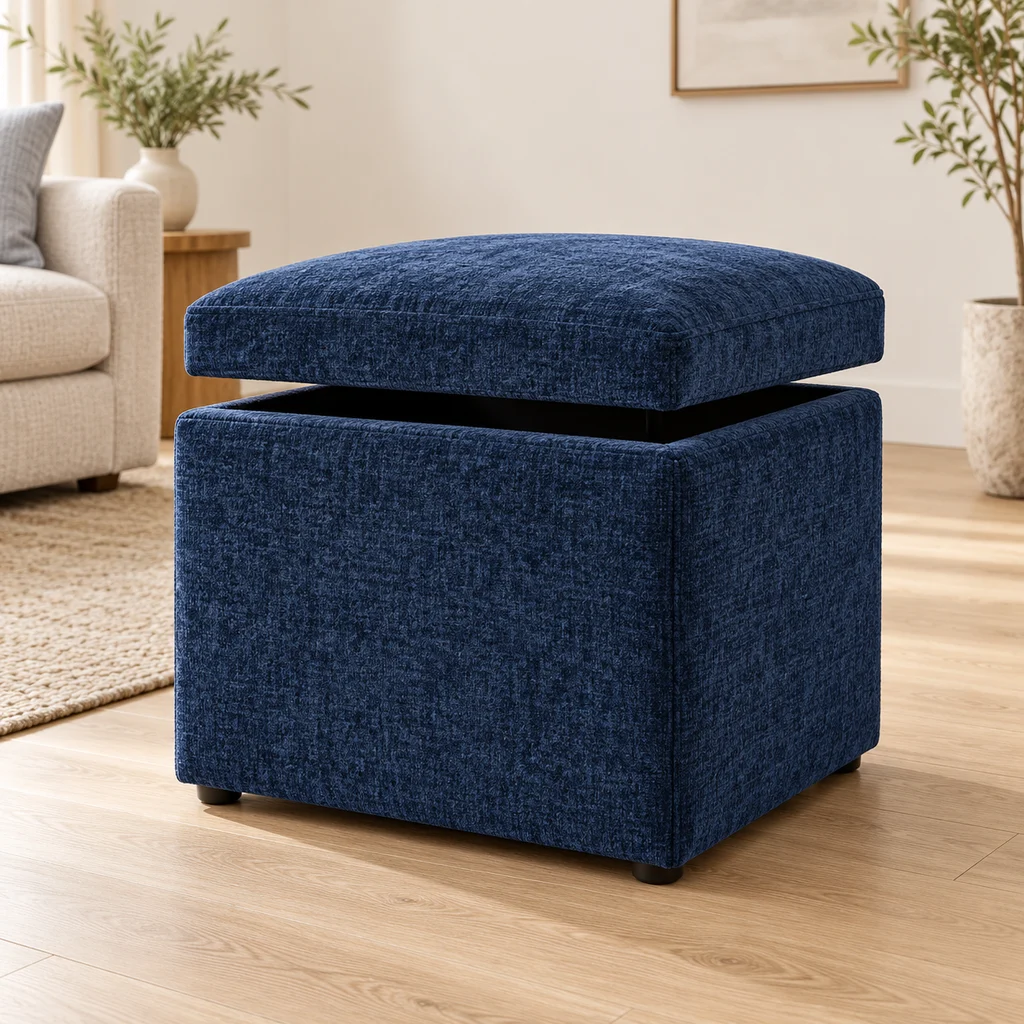
Storage ottoman
What to check
An ottoman doubles as a seat, footrest and storage. Check the lid lifts off or hinges, and the weight it can take as a seat.
-
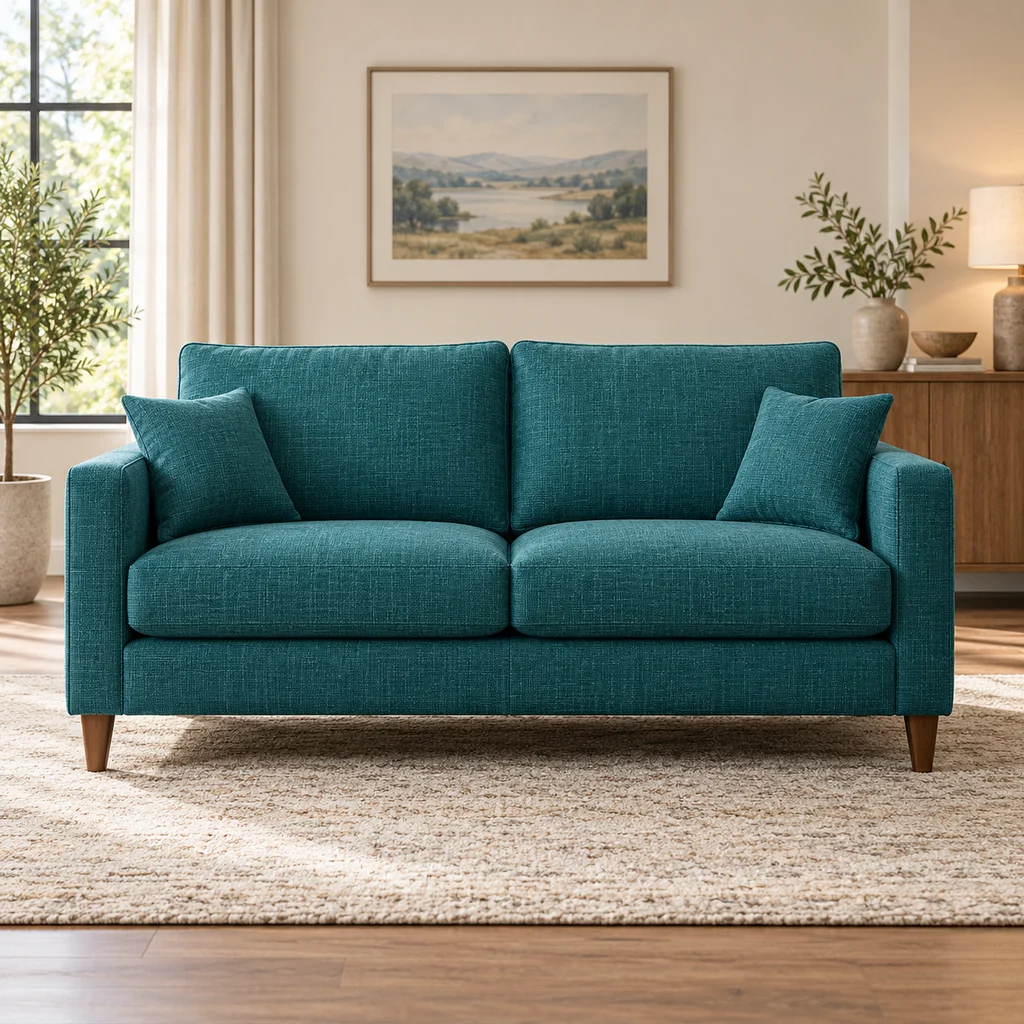
Two-seat sofa
What to check
Measure the doorway, stairs and any tight corners on the way in, not just the floor space for the sofa.
-
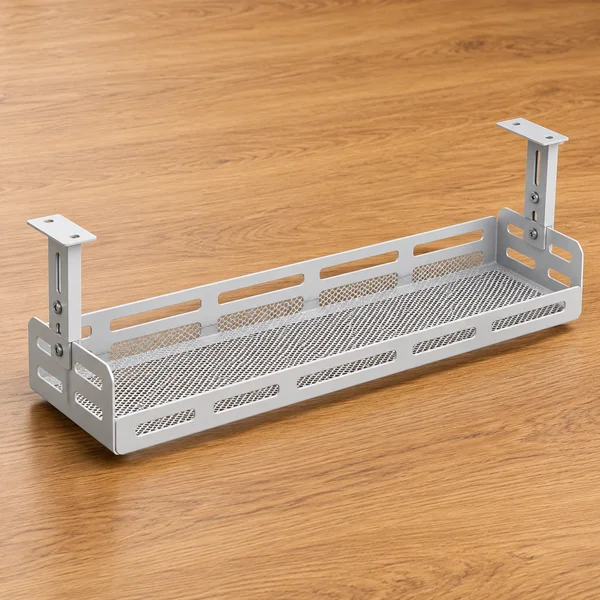
Under-desk cable tray
What to check
Measure the depth under the desk top and check the tray clears your knees and any drawers before fixing it.
-
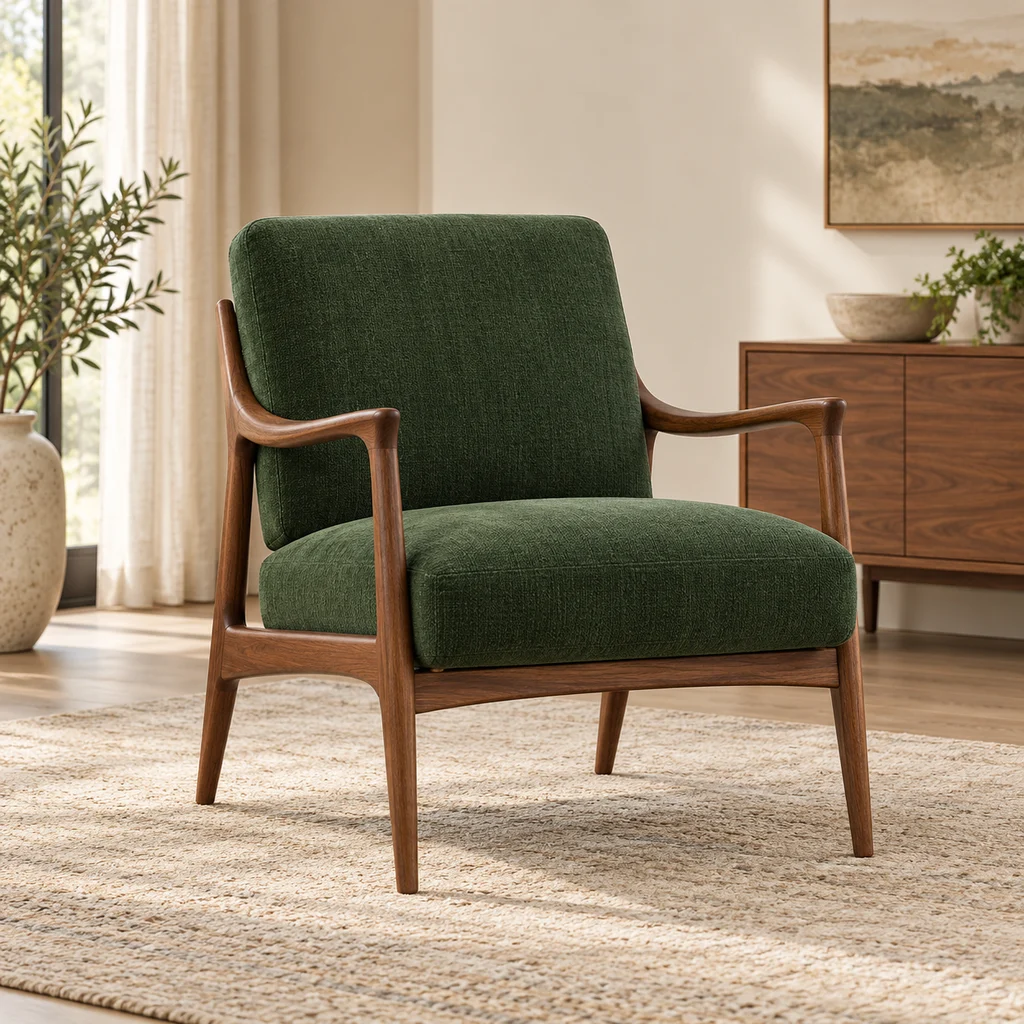
Accent chair
What to check
Measure the floor space and the doorway. Barrel chairs are deep, and a pair needs more room than it looks.
-
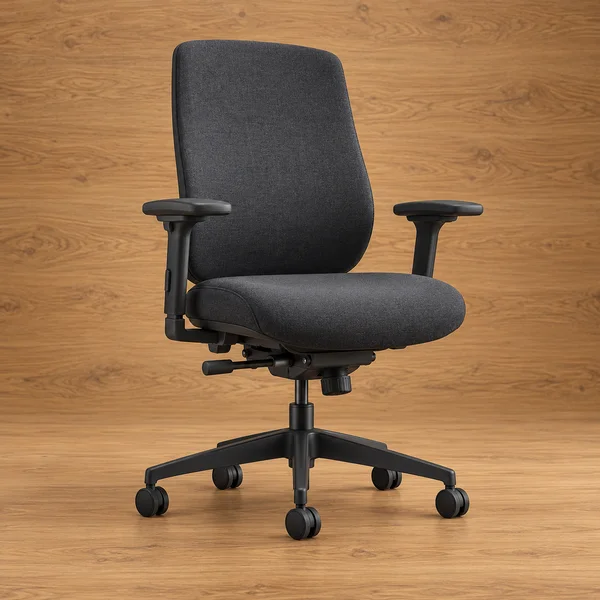
Adjustable desk chair
What to check
Check the seat height range against your desk: most desks are about 29 to 30 inches tall, and your elbows should rest level with the keyboard.
-
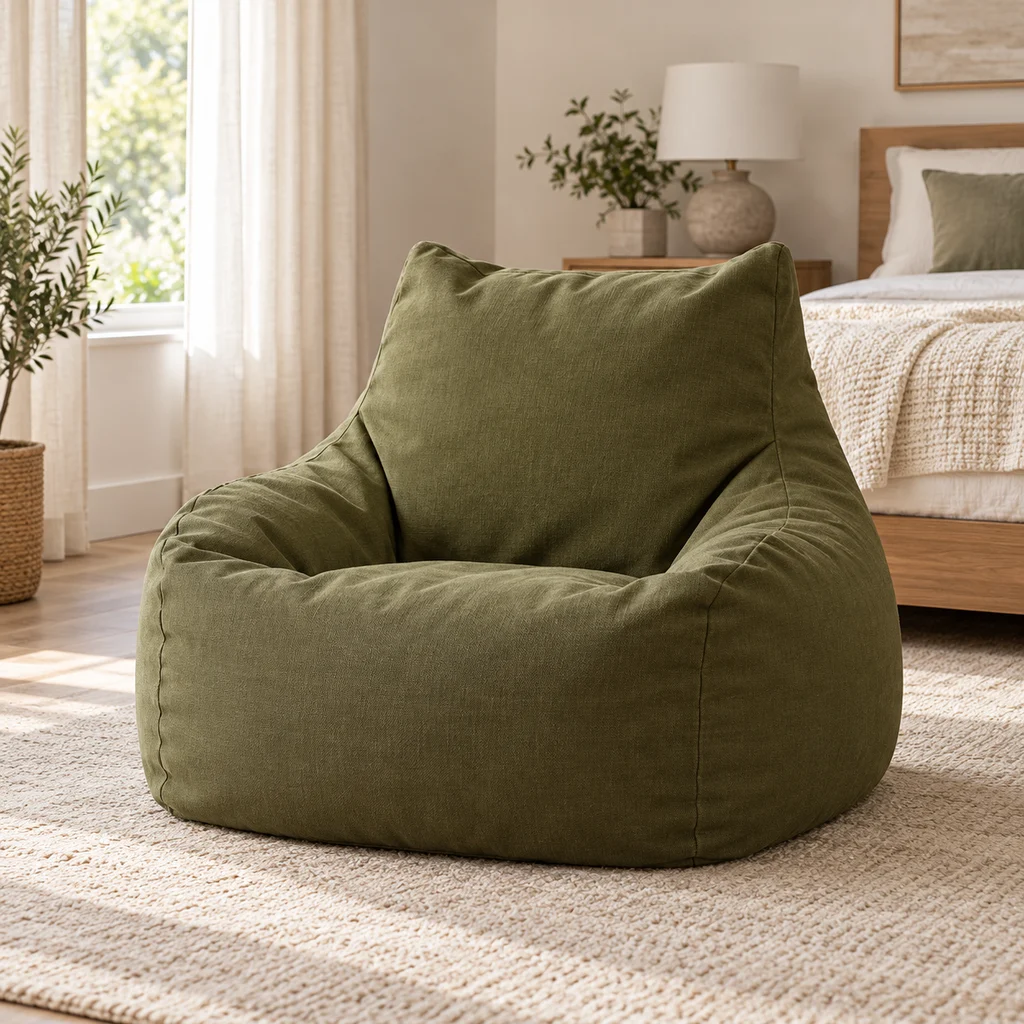
Bean bag chair
What to check
Bean bags settle over time and may need topping up. Check whether the cover comes off for washing.
-

Botanical wall art print
What to check
Measure the wall and plan the spacing between frames before you hang a set. Paper templates on the wall help.
The gallery
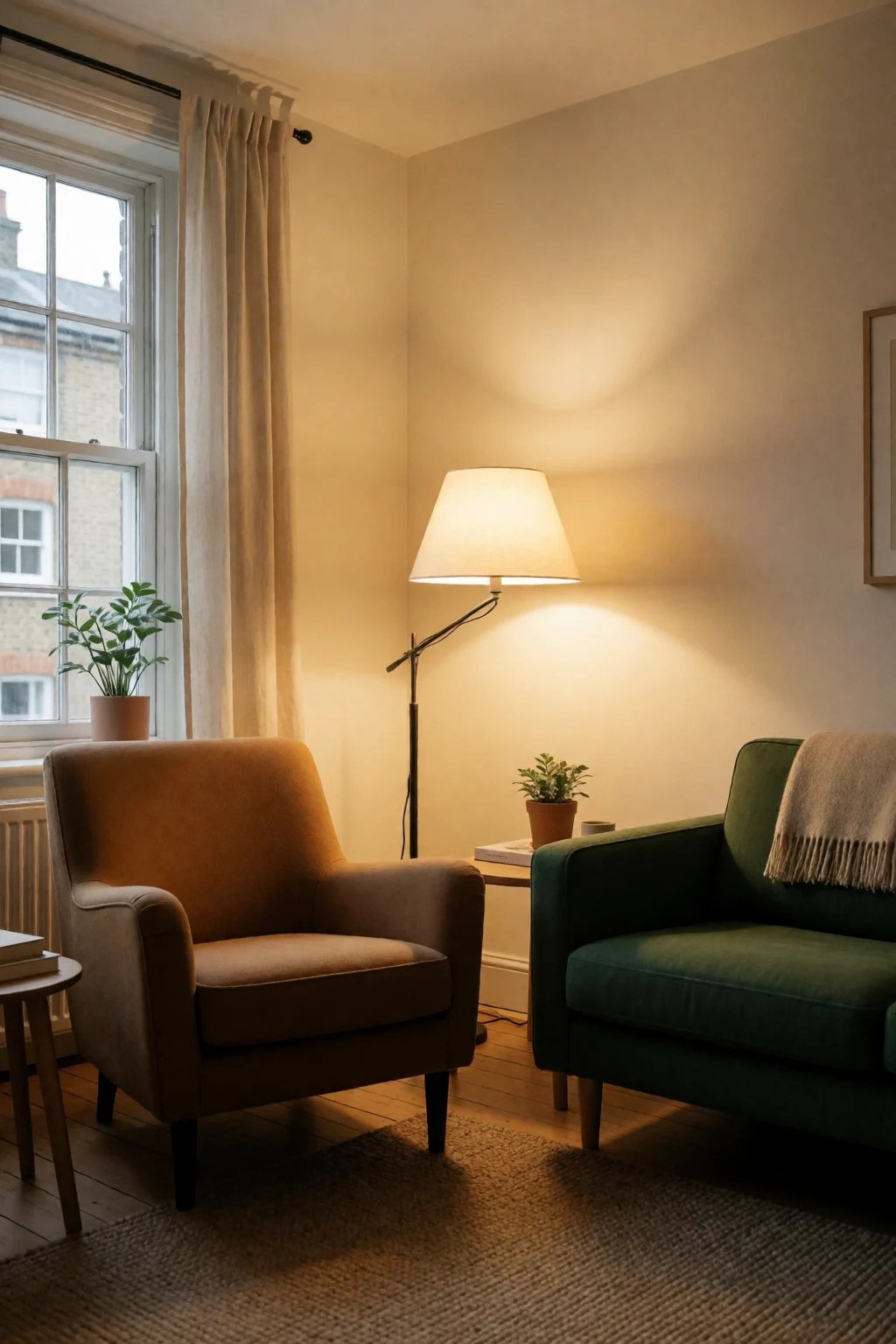
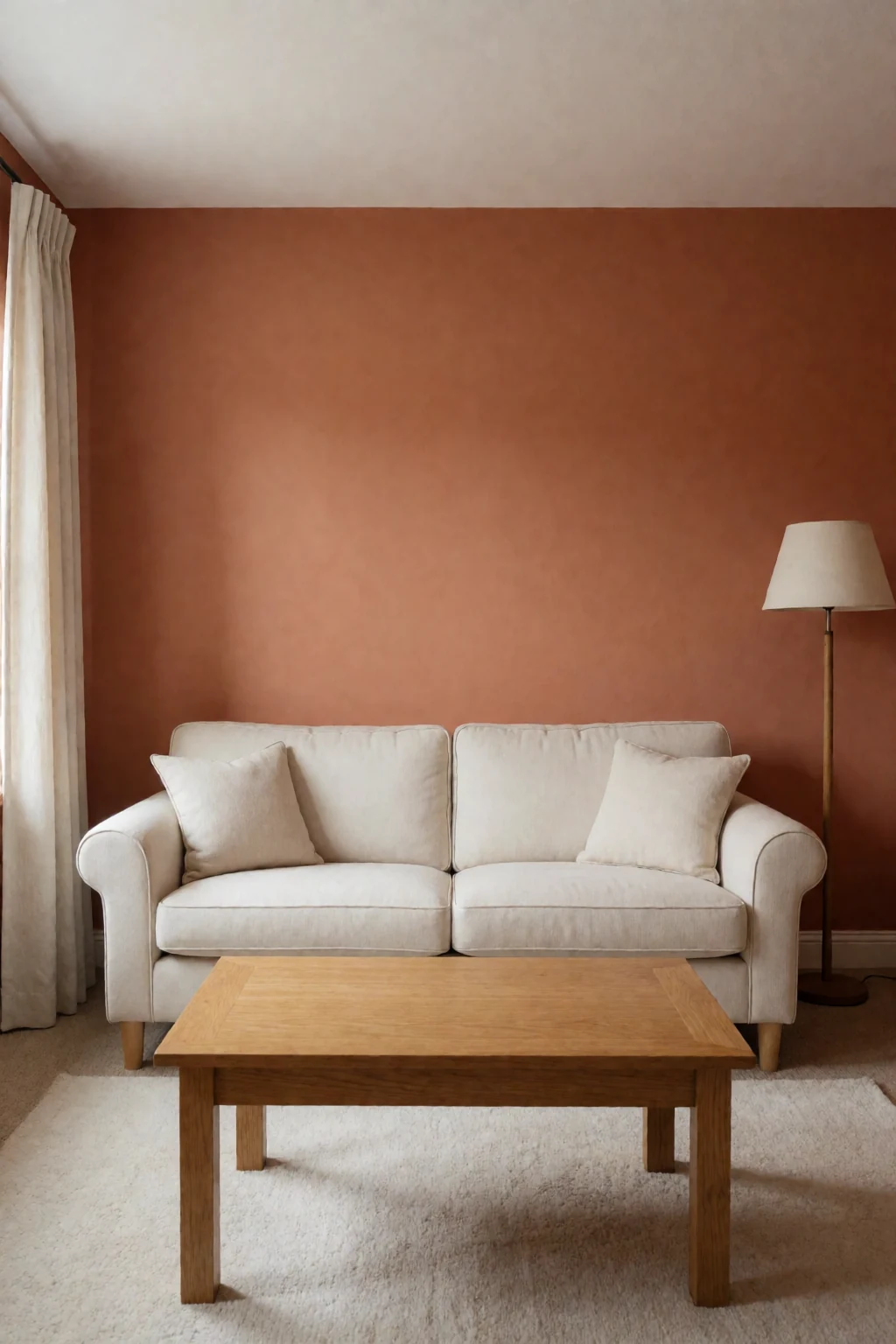
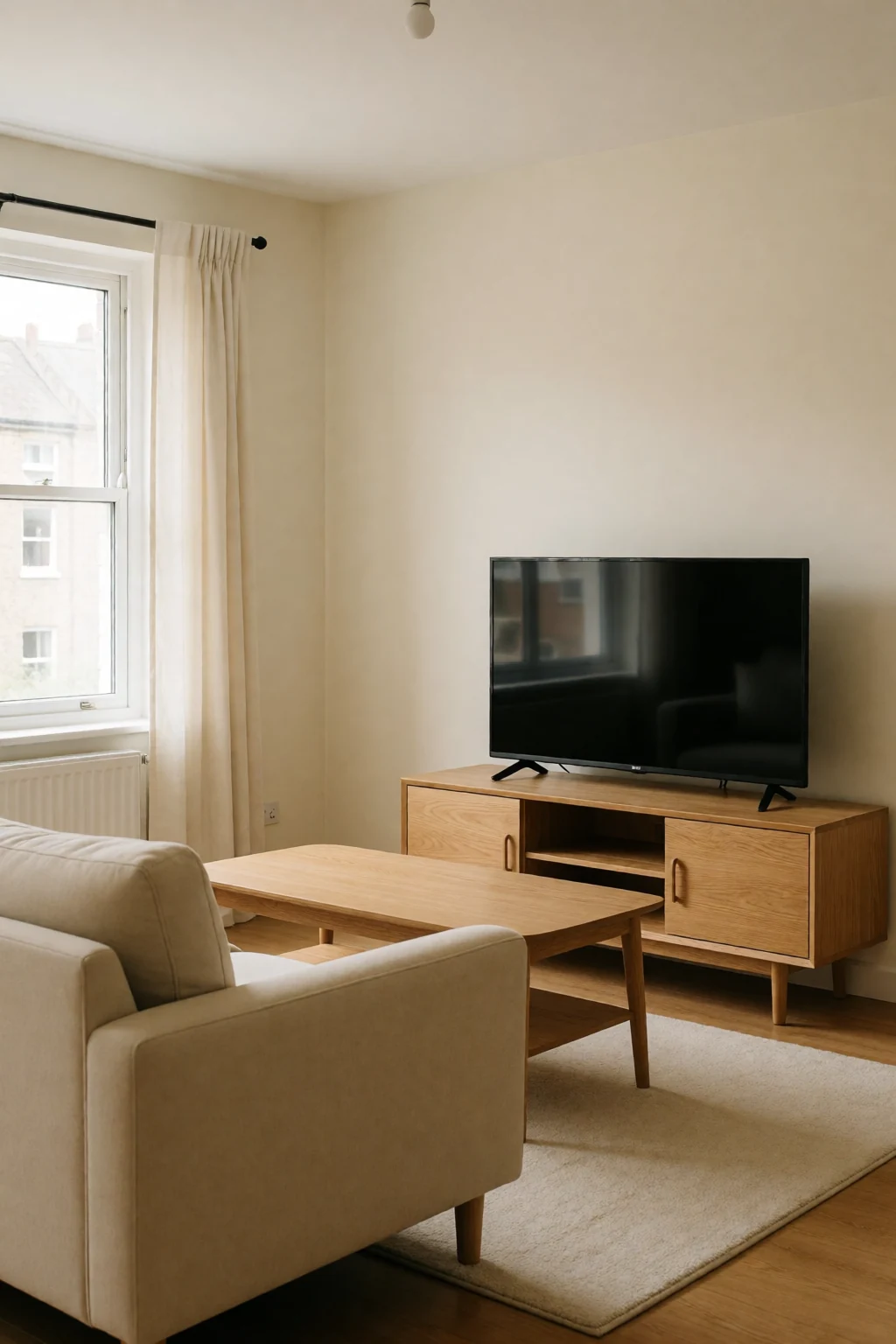
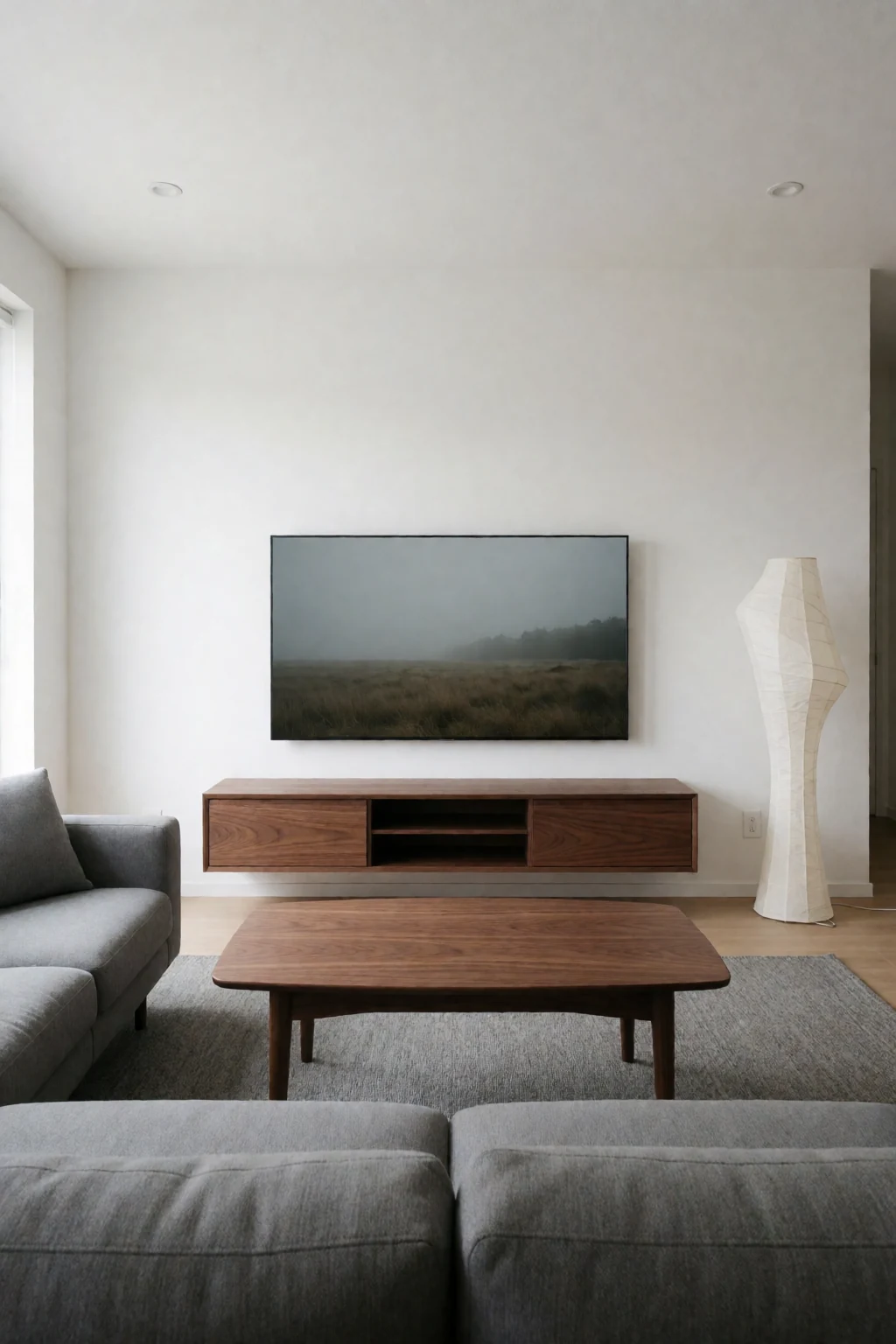
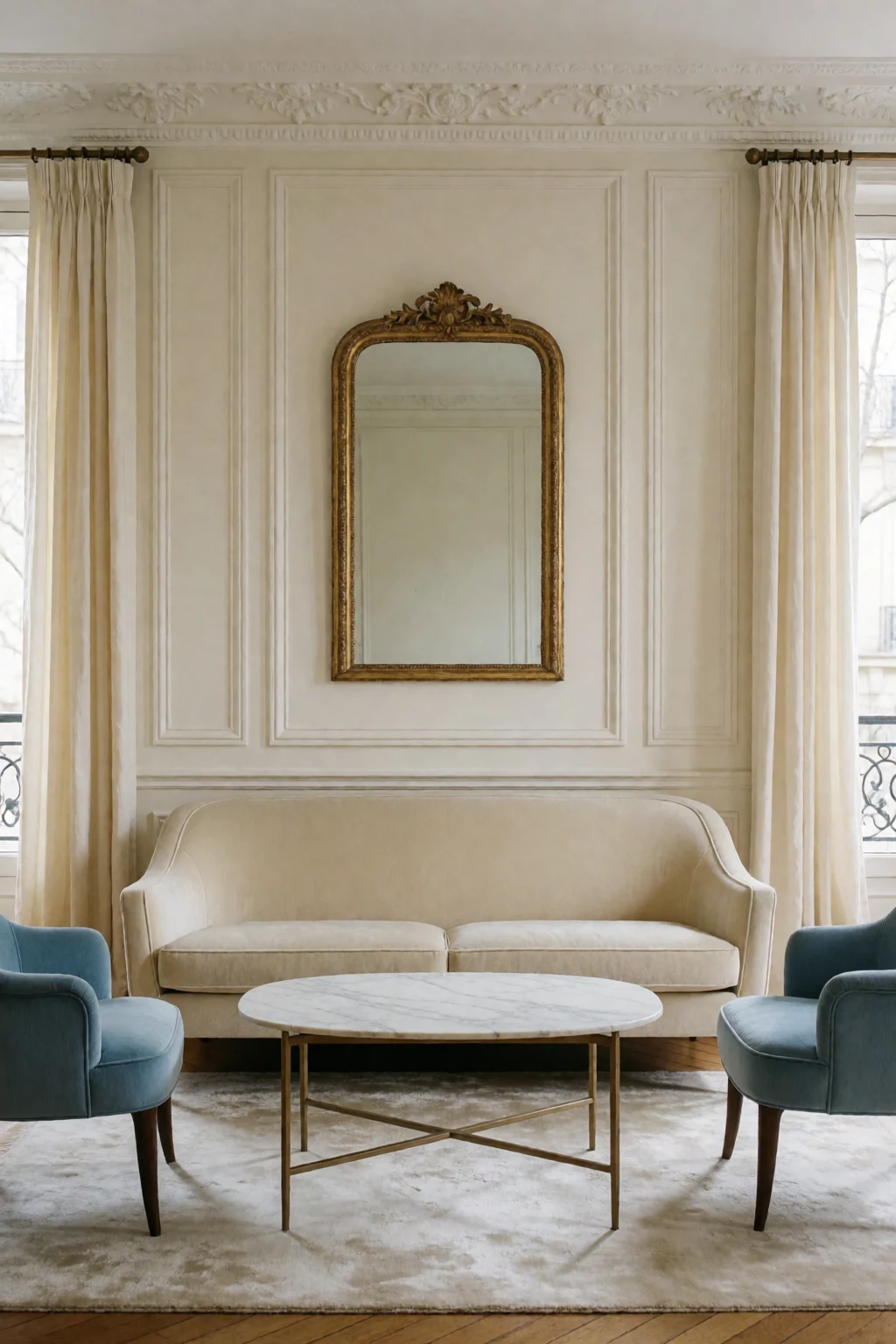
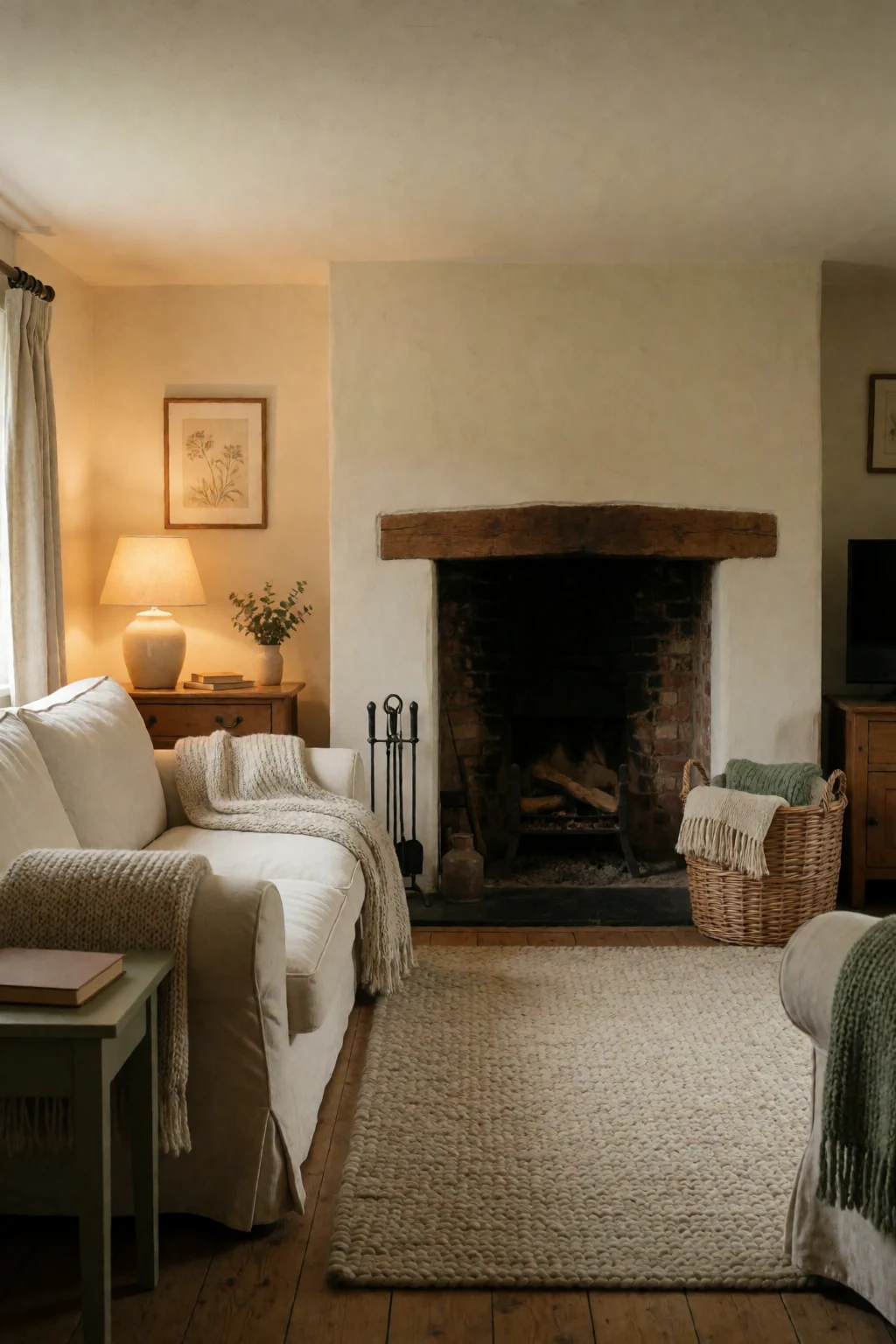
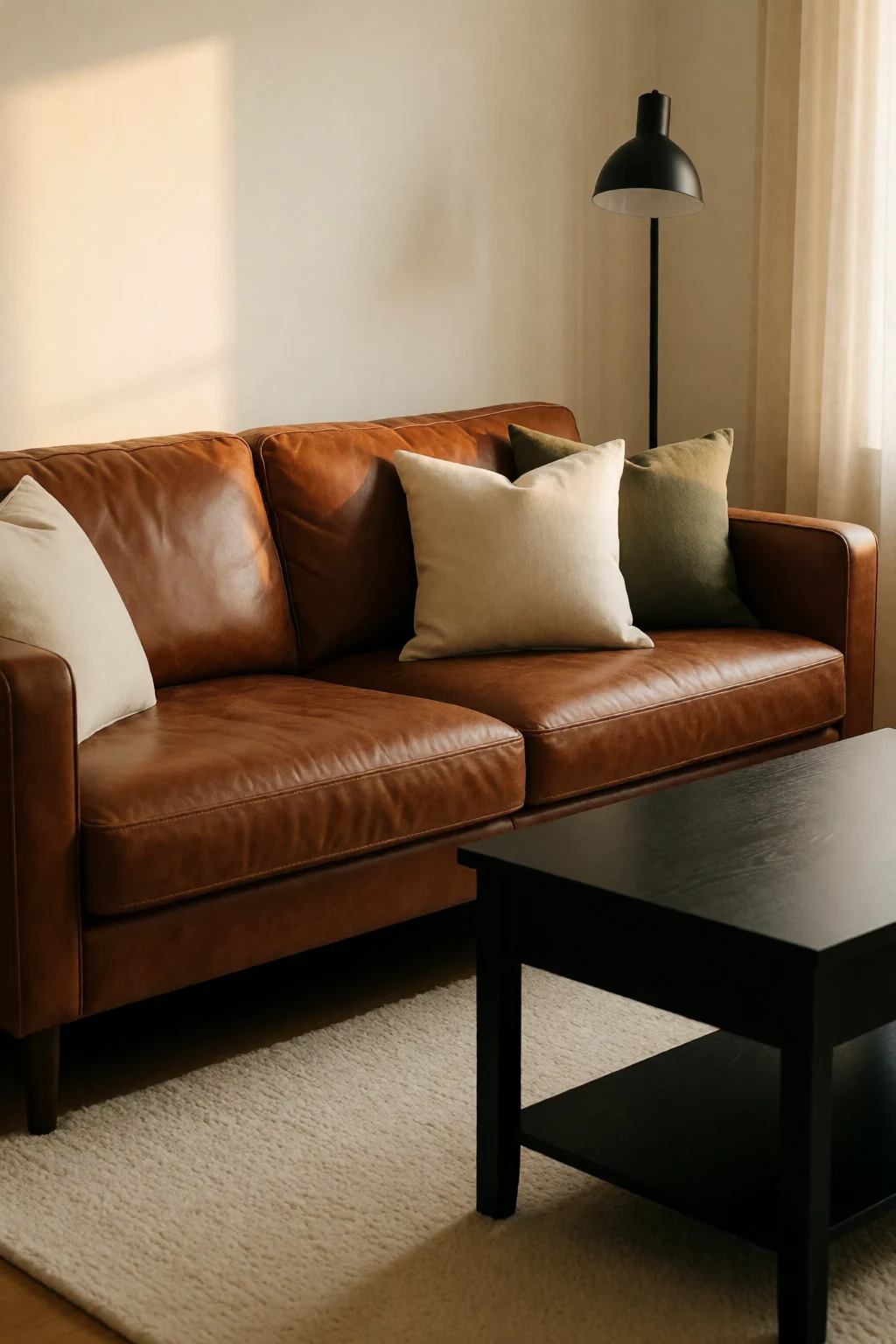
8 living room looks
Open a look to see its pieces.
Keep exploring
Related guides
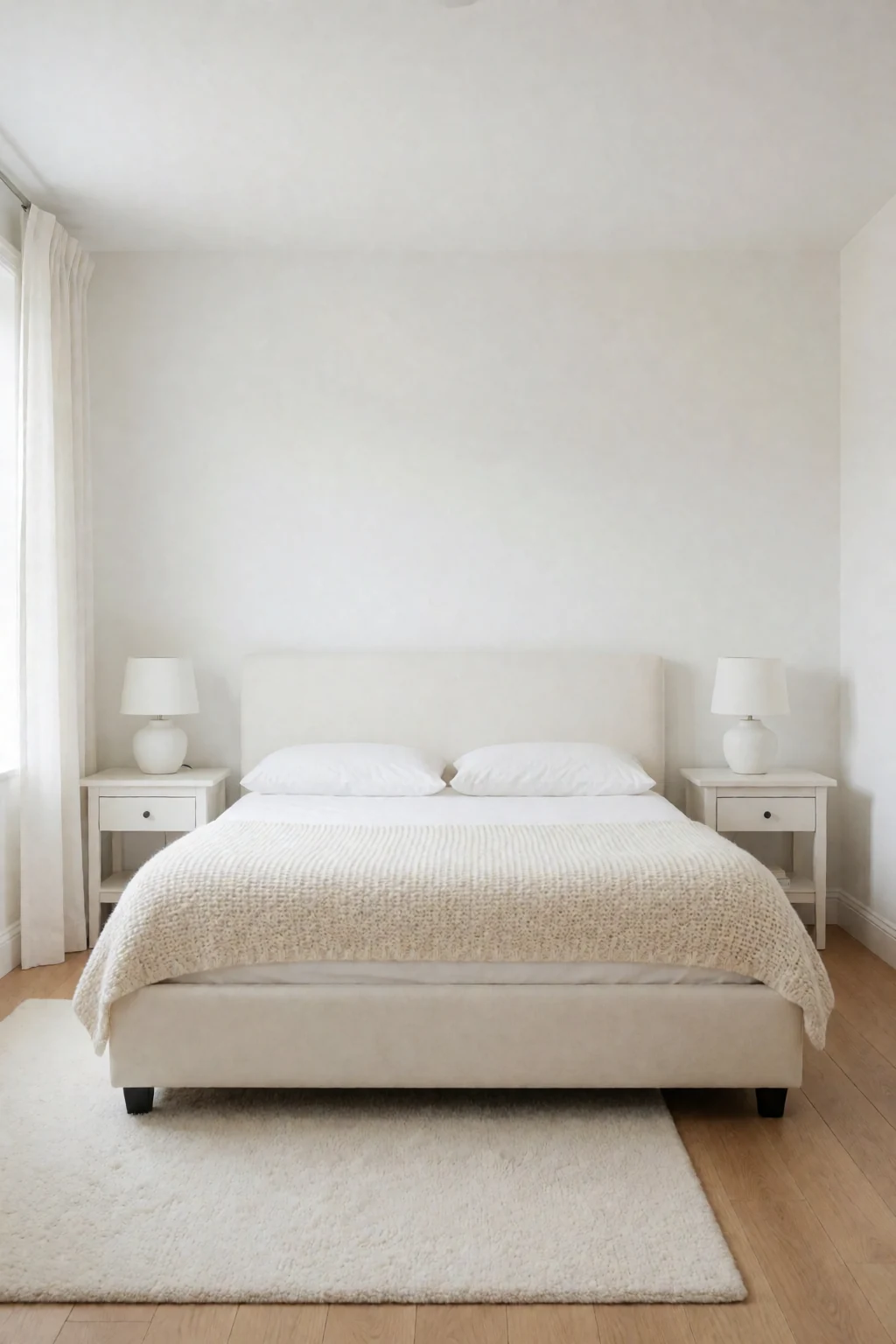 Bedroom
 storage holds clothes and bedside things; living room storage holds shared media, blankets and things used around the sofa.
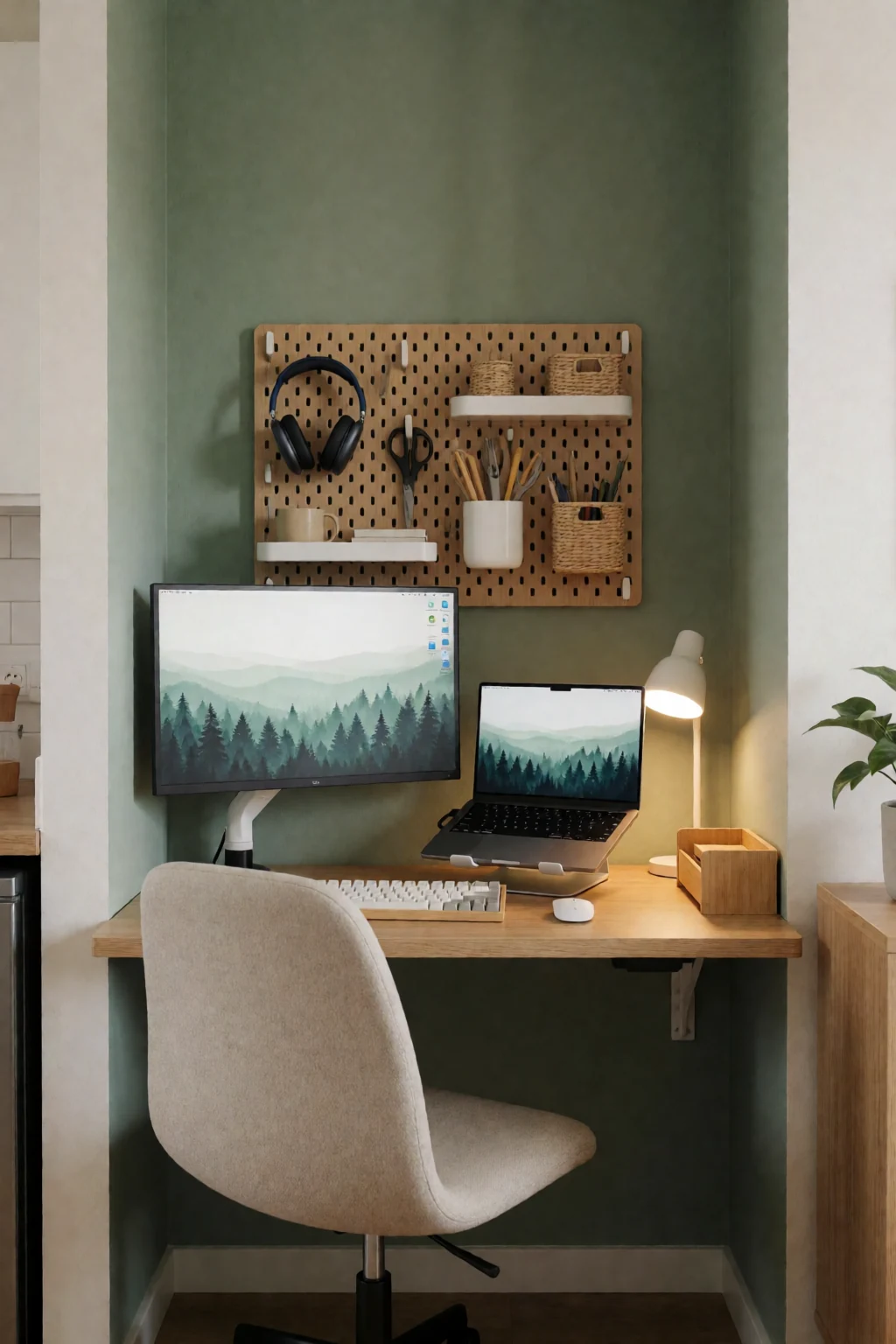 Work & gaming
A desk setup sorts cables and peripherals for work, while a living room hides household clutter around relaxed seating.
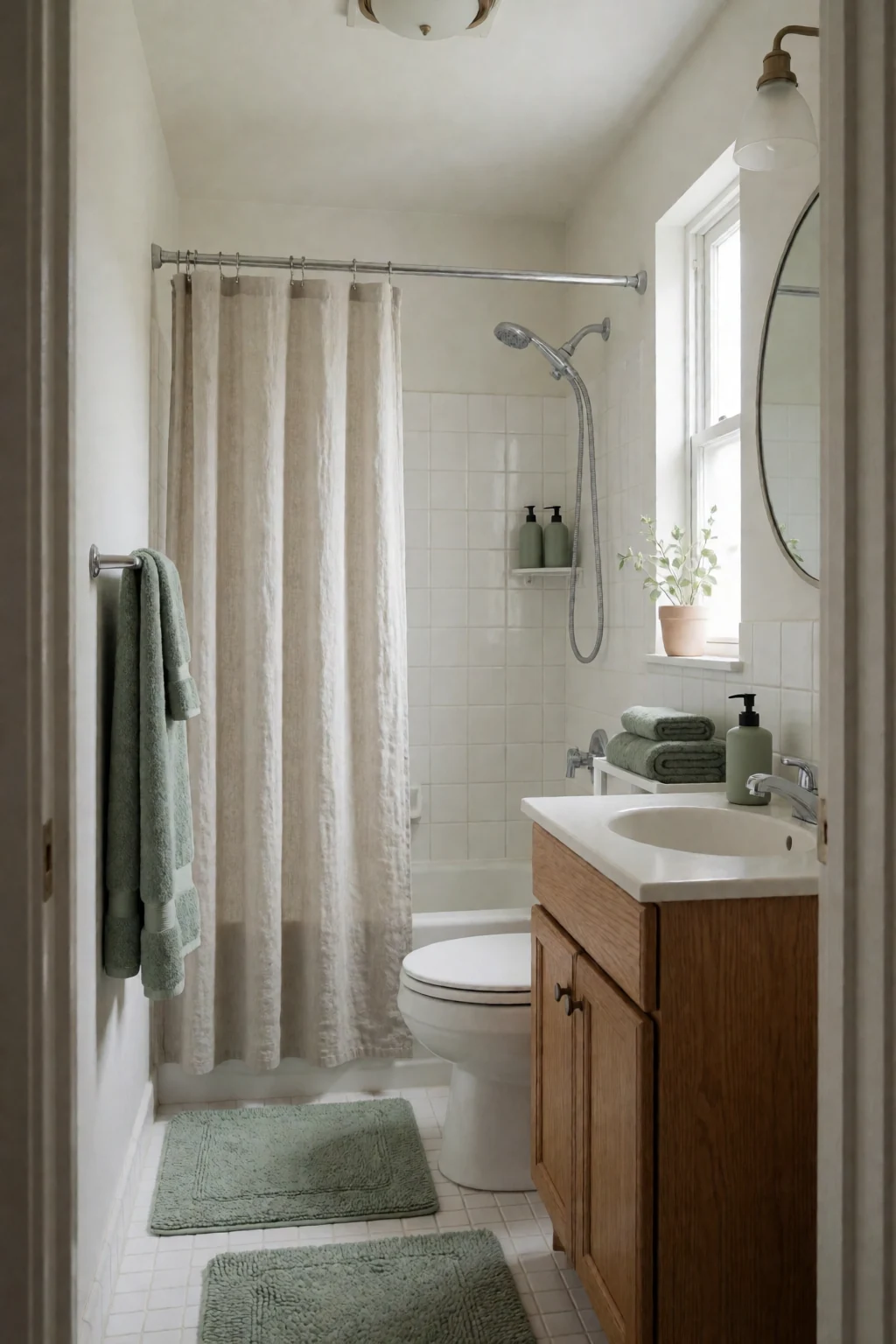 Bathroom
 storage is small and damp-proof; living room storage uses bigger furniture for fabrics and electronics.
Questions
How do I hide TV cables and power strips?
A media console with cut-outs in the back lets cables drop straight to the socket. A paintable cable cover on the wall, or a box with side slots on the console for the power strip, also works.
Where do spare throws go in a small living room?
A deep woven basket or a lidded ottoman beside the sofa, or a blanket ladder leaned against a bare wall.
How do I keep the coffee table clear?
One small tray for remotes, coasters and one object. Books and magazines go on a side table, a lower shelf or inside an ottoman.
Can floating shelves hold heavy books?
Yes, if they are fixed into studs with heavy-duty brackets rated for the load. For a big book collection, a low bookcase is steadier.